


 简体中文
简体中文 English
 русский
 عربى
عربى Español
Content
- 1 Why Additives Decide the Quality of Wall Putty Powder
- 2 What Is Wall Putty Powder Made Of?
- 3 Why Cellulose Ethers Are the Backbone of Wall Putty Performance
- 4 HPMC vs HEMC vs HEC: Which Additive Suits Your Putty Formula?
- 5 Typical Additive Dosage Ranges in Wall Putty Powder
- 6 How to Choose a Reliable Wall Putty Additive Supplier
- 7 Common Wall Putty Problems and How Additives Solve Them
- 8 Frequently Asked Questions About Wall Putty Powder
- 8.1 Q1. Can I use HPMC alone in wall putty powder?
- 8.2 Q2. How much HPMC should I add to wall putty?
- 8.3 Q3. Why does my wall putty powder crack after drying?
- 8.4 Q4. Is wall putty the same as gypsum putty?
- 8.5 Q5. How long should wall putty dry before painting?
- 8.6 Q6. Can I use HEC instead of HPMC in wall putty?
Why Additives Decide the Quality of Wall Putty Powder
Walk onto any active construction site and you will hear the same complaint: wall putty that cracks, powders, or simply will not trowel smoothly. The difference between a bad batch and a good one rarely comes down to the white cement alone. It comes down to the additives—especially cellulose ethers. For wall putty powder, the choice of additive determines water retention, open time, trowel feel, and long-term adhesion. This guide explains what wall putty powder is made of, why HPMC and HEMC deserve a central place in your formula, and how to buy the right additives without guesswork.
What Is Wall Putty Powder Made Of?
Wall putty powder is a cement-based filler used to smooth interior and exterior surfaces before painting. It bridges small imperfections and creates a uniform, low-porosity substrate. A typical formula combines a white cement binder, fine mineral fillers, and functional additives. The proportions vary by grade, but the core components remain the same across most commercial products.
| Component | Main Function |
|---|---|
| White cement | Primary binder; supplies hardness and adhesion |
| Marble powder / calcium carbonate | Main filler; improves whitening and particle packing |
| Talcum powder | Enhances smoothness and reduces shrinkage |
| China clay (kaolin) | Coats cement particles; improves workability and water demand |
| Mica powder | Lowers porosity and adds burnishing gloss |
| Silica sand (fine) | Controls thickness and reduces cracking in thick coats |
| Cellulose ether (HPMC/HEMC/HEC) | Water retention, thickening, open-time control |
| RDP or starch ether (optional) | Flexibility, bond strength, easier finishing |
In practice, the exact balance depends on whether the putty is designed for interior or exterior use, for machine application or hand trowelling. In every case, cellulose ether plays the same fundamental role: it keeps water in the film long enough for the cement to hydrate and harden. For a broader view of how these additives behave in other cement-based systems, see our overview of dry-mix mortar additive systems.
Why Cellulose Ethers Are the Backbone of Wall Putty Performance
Cellulose ethers are the most influential ingredient in a wall putty formula after cement and filler. They perform four jobs that directly affect application quality:
- Retain water so cement can hydrate fully and develop strength.
- Increase viscosity and prevent putty from sagging on vertical surfaces.
- Extend open time so trowelling and finishing stay smooth and even.
- Improve slip and lubricity for a uniform, non-sticky finish.
How HPMC Works in a Putty Batch
Hydroxypropyl methylcellulose (HPMC) is the most common cellulose ether for wall putty. It dissolves in the mix water and forms a tacky, viscous network that holds the powder together. In cement-rich putty, HPMC also retards hydration slightly. That is helpful in hot weather, because it keeps the material workable instead of drying on the trowel.
Choosing the Right Grade
Viscosity grade and particle size both matter. A mid-viscosity HPMC is usually sufficient for wall putty, while a finer powder disperses faster during mixing. For most production lines, a building-grade HPMC such as the EASONZELL MP architectural-grade HPMC offers the best balance of water retention and workability, and it blends cleanly into the dry powder.
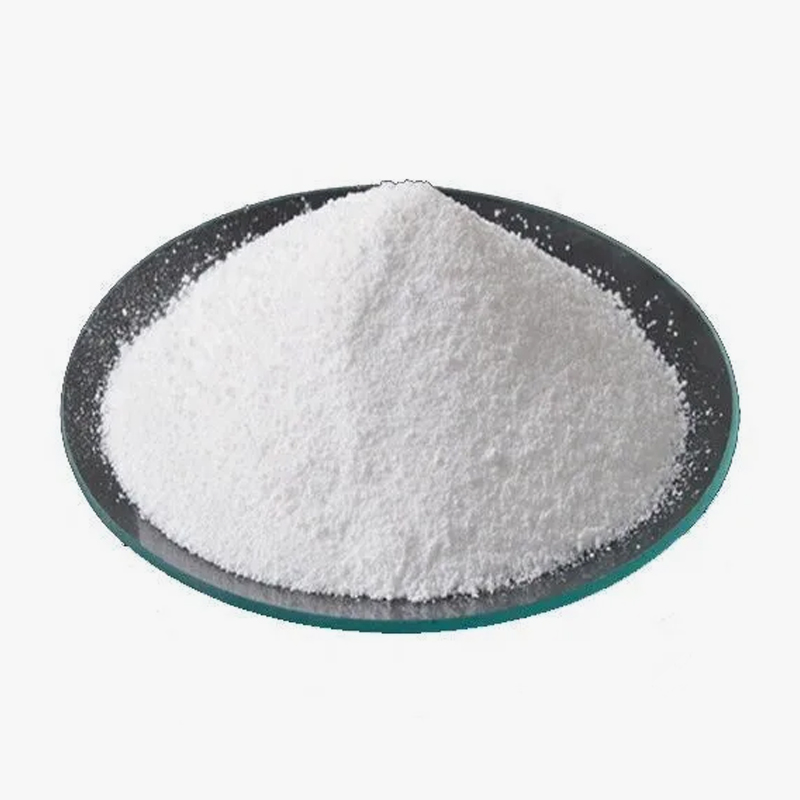 Hydroxypropyl Methyl Cellulose For Adhesive, For Building Material ManufacturersZhejiang Yisheng New Material Co., Ltd is a China hydroxypropyl methyl cellulose for adhesive manufacturers and hydroxypropyl methyl cell...View Product →
HPMC vs HEMC vs HEC: Which Additive Suits Your Putty Formula?
Although HPMC, HEMC and HEC belong to the same cellulose ether family, they are not interchangeable. HPMC is known for reliable water retention and a smooth trowel feel. HEMC provides similar benefits with a slightly different viscosity profile, which can be useful in cement, gypsum or lime systems. HEC is common in water-based coatings, but it is less often used as the sole additive in cementitious wall putty because its water-retention efficiency is generally lower in that environment.
If you want a cement-oriented alternative to HPMC, the EASONZELL ME building-material-grade HEMC is designed to improve gelling and water retention in cement, gypsum and lime applications, which makes it a practical option for special putty blends. Before switching, always run a small laboratory batch to check drying time, viscosity and adhesion on the substrate you actually use.
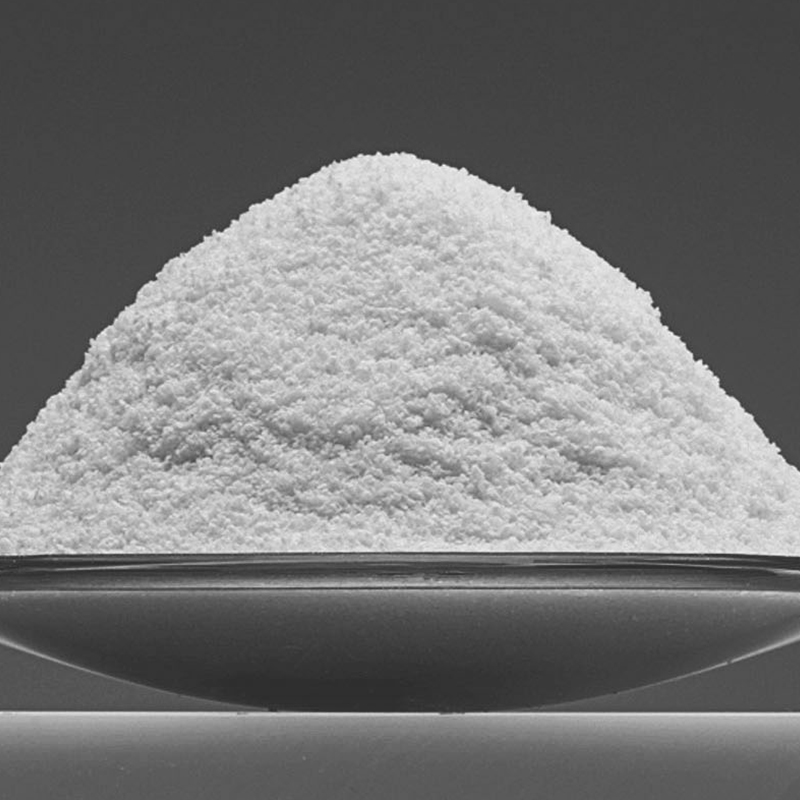 Hydroxyethyl Methyl Cellulose For Building Material Grade Manufacturers, FactoryZhejiang Yisheng New Material Co., Ltd is a China hydroxyethyl methyl cellulose for building material grade manufacturers and HEMC for bu...View Product →
Typical Additive Dosage Ranges in Wall Putty Powder
Cellulose ether dosage usually falls between 0.2% and 0.5% of the total dry weight in a wall putty formula. RDP and starch ether are added in slightly wider ranges depending on the target flexibility and finish quality. The chart below shows commonly used ranges in commercial formulations.
Both too little and too much additive cause visible problems:
- Too little cellulose ether means fast water loss, poor adhesion and a dusty, powdery surface.
- Too much creates a sticky, hard-to-trowel paste that may trap air and dry too slowly.
- RDP improves bond strength on difficult substrates and raises flexibility.
- Starch ether, even at a very low dose, makes the finish feel smoother.
How to Choose a Reliable Wall Putty Additive Supplier
Choosing the right additive is only half the job. The supplier must deliver consistent viscosity, fine particle size and stable quality from batch to batch. Look for a manufacturer that can provide technical support, not just a price list. For wall putty, you also need a partner who understands how HPMC and HEMC behave in the complete dry-mix system. Our wall putty binder solutions page summarises how cellulose ethers are matched to putty production.
A few practical checks can prevent costly mistakes:
- Ask for a viscosity test report for every production batch.
- Confirm the cellulose ether remains stable during long storage in hot, humid warehouses.
- Request samples and run your own mortar test before scaling up.
For putty that needs extra bond strength and water resistance, add a small dose of EASONZELL RDP redispersible polymer powder alongside the cellulose ether. Many manufacturers combine HPMC and RDP in exterior putty to reduce cracking after repeated weather cycles. To compare different types of cellulose ether before ordering, read our cellulose ether purchasing guide.
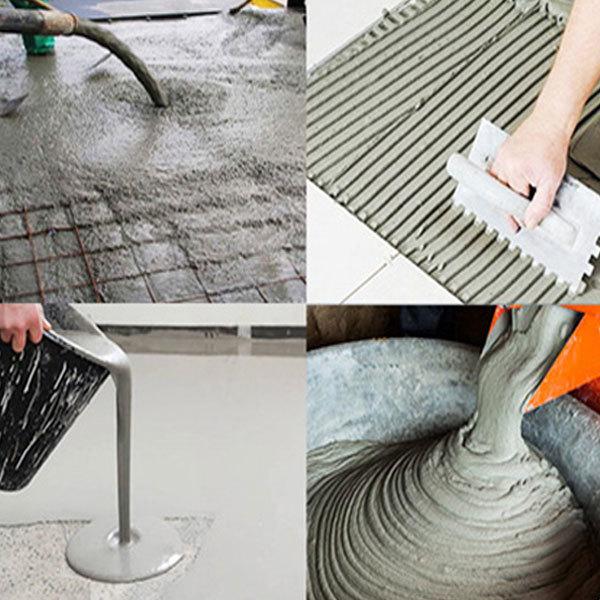 Resin Dispersible Powder (RDP) Manufacturers, Factory - Zhejiang Yisheng New MatZhejiang Yisheng New Material Co., Ltd is a China Resin Dispersible Powder (RDP) manufacturers and Resin Dispersible Powder (RDP) factory...View Product →
Common Wall Putty Problems and How Additives Solve Them
When wall putty fails on site, the cause is rarely a single raw material. It is usually a mismatch between the additive system and the application conditions. This table maps common problems to their most likely causes and the additive adjustments that resolve them.
| Problem | Likely Cause | Additive Adjustment |
|---|---|---|
| Cracking / crazing | Rapid water loss, excessive shrinkage | Increase HPMC/HEMC dosage; add RDP for flexibility |
| Powdery surface | Insufficient cement hydration | Improve water retention with HPMC; check water-to-powder ratio |
| Poor adhesion | Weak bond to substrate | Use RDP; correct HPMC dosage |
| Sagging or sliding | Low viscosity | Choose a higher-viscosity HPMC or raise its dosage |
| Bubbles after trowelling | Entrapped air, poor dispersion | Use rapid-dispersing HPMC; standardise mixing procedure |
Frequently Asked Questions About Wall Putty Powder
Q1. Can I use HPMC alone in wall putty powder?
Yes. HPMC is the key additive for water retention and workability. For higher bonding strength on difficult substrates, combine it with RDP.
Q2. How much HPMC should I add to wall putty?
Typically 0.3%–0.5% of the total dry weight. Start at 0.3% and adjust based on open time and trowel feel.
Q3. Why does my wall putty powder crack after drying?
Cracking is usually caused by insufficient water retention or too much cementitious shrinkage. A higher HPMC dosage or RDP addition can help.
Q4. Is wall putty the same as gypsum putty?
No. Wall putty usually uses white cement; gypsum putty uses gypsum as the binder. They need different additive systems and hardening behaviour.
Q5. How long should wall putty dry before painting?
Depending on layer thickness and humidity, 24–48 hours is common. Always confirm with a moisture meter before painting.
Q6. Can I use HEC instead of HPMC in wall putty?
HEC works well in smooth coatings, but in cementitious wall putty HPMC or HEMC generally gives better water retention and cement compatibility.


 Email: sarah@ys-cellulose.com
 Phone: +86-18067879812 / +86-575-82966958


