


 简体中文
简体中文 English
 русский
 عربى
عربى Español
Hydroxyethyl cellulose (HEC) is a thickening agent, emulsifier, and stabilizer commonly used in daily chemical products (such as shampoos, shower gels, and skincare products). It not only improves the texture and user experience of products but also enhances their stability and extends their shelf life.
For daily chemical manufacturers, choosing the right hydroxyethyl cellulose is crucial for ensuring product quality and market competitiveness. This article will guide you through the process of selecting the appropriate hydroxyethyl cellulose, including its characteristics, selection criteria, and considerations during the purchasing process.
1. Basic Characteristics of Hydroxyethyl Cellulose
Before choosing the right hydroxyethyl cellulose, we need to understand some of its basic characteristics. Hydroxyethyl cellulose is a water-soluble cellulose derivative widely used as a thickening agent and stabilizer in daily chemical products. It has several key characteristics:
Thickening performance: Hydroxyethyl cellulose significantly increases the viscosity of solutions when dissolved in water, making it widely used in various daily chemical products to improve product consistency and texture.
Emulsifying effect: It has good emulsifying ability, helping oil-water mixed systems remain stable and preventing separation.
Transparency: Compared to other thickening agents, hydroxyethyl cellulose has better transparency, making products visually clearer and meeting modern consumers' demands for appearance.
Temperature and pH stability: It maintains good stability under different temperatures and pH values, adapting to various product formulation needs.
Low irritation: As a natural derivative, hydroxyethyl cellulose has low skin irritation, making it suitable for products used on sensitive skin.
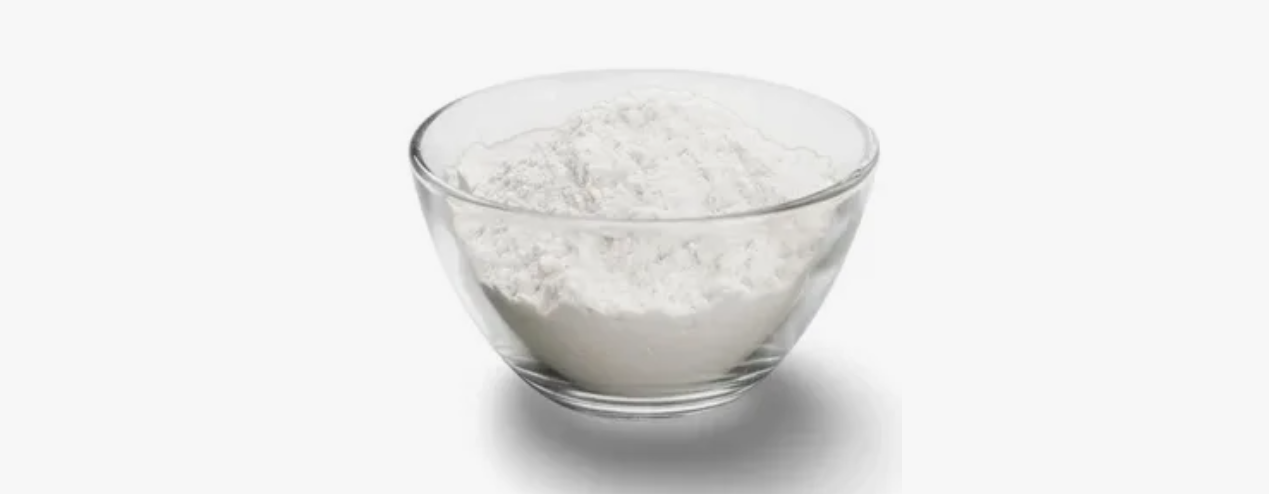
2. Criteria for Choosing the Right Hydroxyethyl Cellulose
For daily chemical manufacturers, choosing the right hydroxyethyl cellulose involves more than just considering its basic properties; decisions must be made based on specific application needs. The following are several key criteria to consider when selecting the appropriate hydroxyethyl cellulose:
(1) Molecular Weight (Viscosity)
Molecular weight directly affects the thickening effect of hydroxyethyl cellulose; the higher the molecular weight, the greater the viscosity of the solution. For different daily chemical products, different viscosity requirements are needed. For example:
Low molecular weight: Suitable for products requiring lower viscosity, such as lightweight skincare lotions and spray products.
Medium molecular weight: Suitable for daily chemical products such as shampoos and shower gels, providing moderate viscosity to ensure product flow and user experience.
High molecular weight: Suitable for products requiring high viscosity, such as thick shampoos, hair masks, or other high-viscosity products.
(2) Dissolution Rate
Different brands and types of hydroxyethyl cellulose have different dissolution rates in water. For manufacturers with high production efficiency requirements, choosing hydroxyethyl cellulose with a fast dissolution rate is a key factor.
Fast-dissolving type: Suitable for large-scale production, improving production efficiency and reducing production time.
Standard-dissolving type: Suitable for general production needs and usually does not affect production progress.
(3) Water Solubility and Dissolution Temperature
Some hydroxyethyl cellulose requires dissolution at a specific temperature. Understanding the dissolution temperature range of different products helps ensure smooth operation during the production process.
Low-temperature dissolution: Suitable for products under low-temperature conditions, such as frozen cosmetics or certain special products that need to be formulated at low temperatures.
High-temperature dissolution: Suitable for products in high-temperature processing environments, such as heat-sensitive personal care products.
(4) pH Stability
Different types of hydroxyethyl cellulose have different sensitivities to pH. Changes in the pH of daily chemical products may affect the stability of hydroxyethyl cellulose, leading to reduced thickening effect or product discoloration. Therefore, choosing hydroxyethyl cellulose with good pH stability is particularly important.
Broad pH adaptability: Suitable for products that need to remain stable over a wide pH range, such as shampoos and shower gels.
Specific pH range: Suitable for products with specific pH requirements, such as acidic or alkaline detergents.
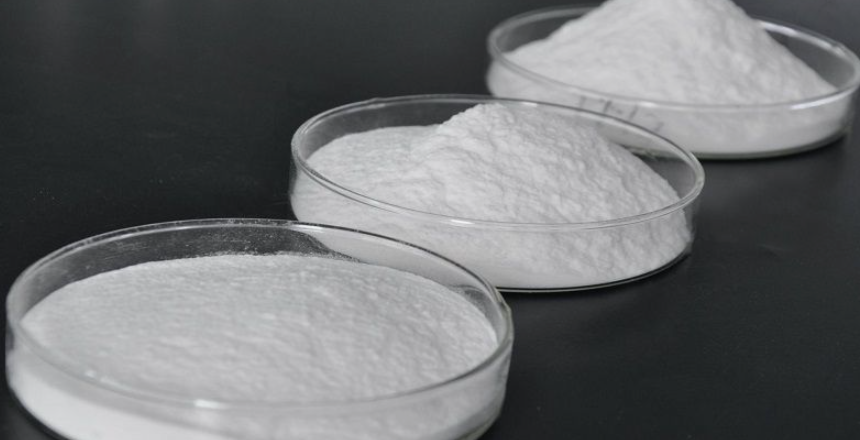
3. Selection and Procurement Process of Hydroxyethyl Cellulose
Procuring suitable hydroxyethyl cellulose involves multiple steps, including supplier selection, sample testing, and bulk purchasing. The following are the detailed procurement steps:
(1) Determine Product Requirements
First, it is necessary to determine the specifications of hydroxyethyl cellulose based on the specific product formulation and usage requirements. For example, a shampoo formulation may require medium molecular weight, fast-dissolving hydroxyethyl cellulose, while some skin creams may require a high molecular weight version.
(2) Supplier Selection
Choosing trustworthy suppliers is crucial. It is recommended to select manufacturers with a good reputation, extensive experience, and quality certifications. Suppliers can be evaluated through the following methods:
Product quality certifications: such as ISO certification, GMP certification, etc.
Production capacity: Ensure the supplier can provide a stable supply.
Customer feedback: Refer to evaluations and feedback from other daily chemical manufacturers.
(3) Sample Testing
Before formal procurement, it is recommended to obtain samples from the supplier and conduct small-scale production tests to observe their thickening effect, dissolution rate, stability, and other performance characteristics. Testing ensures that the product performs as expected in actual applications.
(4) Bulk Procurement
After successful sample testing, the bulk procurement phase can begin. At this stage, attention should be paid to details such as price, delivery time, and payment terms. It is recommended to sign a clear contract with the supplier to protect the rights of both parties.
(5) Monitoring and Feedback
Maintain regular communication with the supplier to ensure consistent product quality. After the product is launched, collect consumer feedback and production issues, and adjust raw material selection and usage methods accordingly.
Choosing the right hydroxyethyl cellulose is very important for daily chemical manufacturers, as it directly affects product performance, appearance, and market competitiveness. By comprehensively considering factors such as molecular weight, dissolution rate, and pH stability, manufacturers can find the hydroxyethyl cellulose product that best meets their needs. Selecting the right supplier, conducting sample testing, and ensuring a stable supply are key steps to successful procurement.

 Email: sarah@ys-cellulose.com
 Phone: +86-18067879812 / +86-575-82966958


