


 简体中文
简体中文 English
 русский
 عربى
عربى Español
Content
- 1 The Short Answer Before You Buy Hydroxyethyl Cellulose HEC
- 2 1. HEC Is a Non-Ionic Cellulose Ether With Broad Formulation Compatibility
- 3 2. Viscosity Grade Is the First Specification to Confirm
- 4 3. Particle Size and Dissolution Speed Affect Processing
- 5 4. Dosage Level Changes Viscosity in a Non-Linear Way
- 6 5. HEC Performance Requirements Differ Across Industries
- 7 6. HEC, HPMC and CMC Are Not Interchangeable
- 8 7. Supplier Consistency Matters as Much as the Data Sheet
- 9 Storage and Handling Recommendations
- 10 Frequently Asked Questions About Hydroxyethyl Cellulose HEC
- 10.1 Q1. What is Hydroxyethyl Cellulose HEC
- 10.2 Q2. What is Hydroxyethyl Cellulose used for
- 10.3 Q3. Is Hydroxyethyl Cellulose water soluble
- 10.4 Q4. What is the CAS number of Hydroxyethyl Cellulose
- 10.5 Q5. Is HEC natural or synthetic
- 10.6 Q6. What is the difference between HEC and HPMC
- 10.7 Q7. How should Hydroxyethyl Cellulose be stored
- 10.8 Q8. Can HEC be used in cold water systems
- 10.9 Q9. What causes HEC to lose viscosity over time
- 10.10 Q10. Is HEC compatible with other additives in a formulation
The Short Answer Before You Buy Hydroxyethyl Cellulose HEC
Hydroxyethyl Cellulose HEC is a non-ionic, water-soluble cellulose ether used to thicken, stabilize and control the flow behavior of water-based formulations. Before placing an order, the seven factors that actually determine whether a batch of HEC performs well in your application are viscosity grade, particle size and dissolution speed, dosage response, compatibility with your specific application, behavior compared with other cellulose ethers, storage stability, and the production consistency of the manufacturer you choose. The sections below walk through each of these points in detail, using charts and comparison tables so you can match a grade to your formulation instead of guessing from a generic data sheet.
- HEC is non-ionic, so it tolerates salts and a wide pH range better than anionic thickeners
- Viscosity grade is usually the first specification a buyer should confirm
- Particle size affects how fast the powder hydrates without clumping
- Small dosage changes can shift viscosity by a large margin
- HEC, HPMC and CMC each suit different formulation needs
- Storage humidity and temperature affect shelf performance
- Supplier production scale and batch consistency affect long term reliability
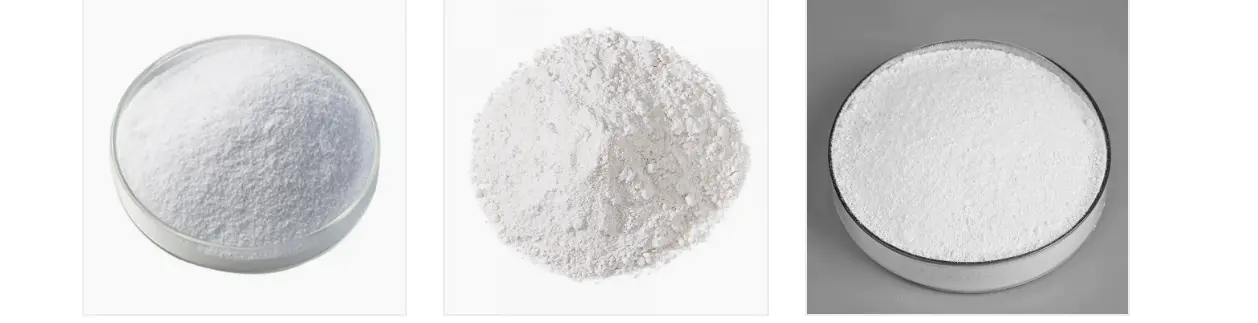
1. HEC Is a Non-Ionic Cellulose Ether With Broad Formulation Compatibility
Hydroxyethyl Cellulose is produced by reacting natural cellulose, typically derived from wood pulp or cotton linters, with ethylene oxide under alkaline conditions. This substitution reaction attaches hydroxyethyl groups along the cellulose backbone, which is what allows the resulting polymer to dissolve readily in cold or hot water while remaining non-ionic. The CAS number commonly associated with Hydroxyethyl Cellulose is 9004-62-0.
Because HEC carries no ionic charge, it does not react with most metal ions, surfactants, or other charged additives in a formulation. This is the main reason formulators reach for HEC rather than an anionic cellulose ether when a product contains electrolytes, cationic surfactants, or needs to remain stable across a wide pH window. This property is also why HEC remains a preferred rheology modifier for coatings and personal care formulas that include salts or preservative systems.
Where This Property Matters Most
Formulators working with water based paint, shampoo bases, or oilfield fracturing fluids often need a thickener that will not precipitate or lose viscosity when salts are present. Because HEC is non-ionic, it tends to hold viscosity more consistently in these electrolyte-rich systems than anionic alternatives, which is a key reason it is specified as a rheology modifier for coatings that must remain stable during storage and transport.
2. Viscosity Grade Is the First Specification to Confirm
Viscosity grade describes how thick a standard concentration of HEC solution becomes, and it is usually measured as the Brookfield viscosity of a 1 percent aqueous solution at a fixed spindle speed. Suppliers commonly split industrial grade Hydroxyethyl Cellulose into four broad bands, and choosing the wrong band is the single most common reason a formulation ends up either too thin or too gel-like.
Illustrative viscosity grade bands for a 1 percent HEC solution, Brookfield method, representative industry ranges
Matching Grade to Application
Low and medium viscosity grades are generally chosen when a formulation needs mild thickening without heavy drag, such as light lotions or thin coating primers. High and ultra high viscosity grades are more common in dry powder mortar, joint compounds, and heavier bodied latex paint where sag resistance and film build matter. A buyer sourcing a high viscosity HEC supplier should always request the actual Brookfield reading at the intended solution concentration rather than relying only on the grade name, since naming conventions can differ slightly between manufacturers.
| Grade | Typical Range mPas | Common Use |
|---|---|---|
| Low | 300 to 1000 | Light personal care, thin primers |
| Medium | 1500 to 2500 | Water based paint, general coatings |
| High | 3000 to 4500 | Construction grade mortar, tile adhesive |
| Ultra high | 5000 to 8000 plus | Oil drilling fluids, heavy body coatings |
3. Particle Size and Dissolution Speed Affect Processing
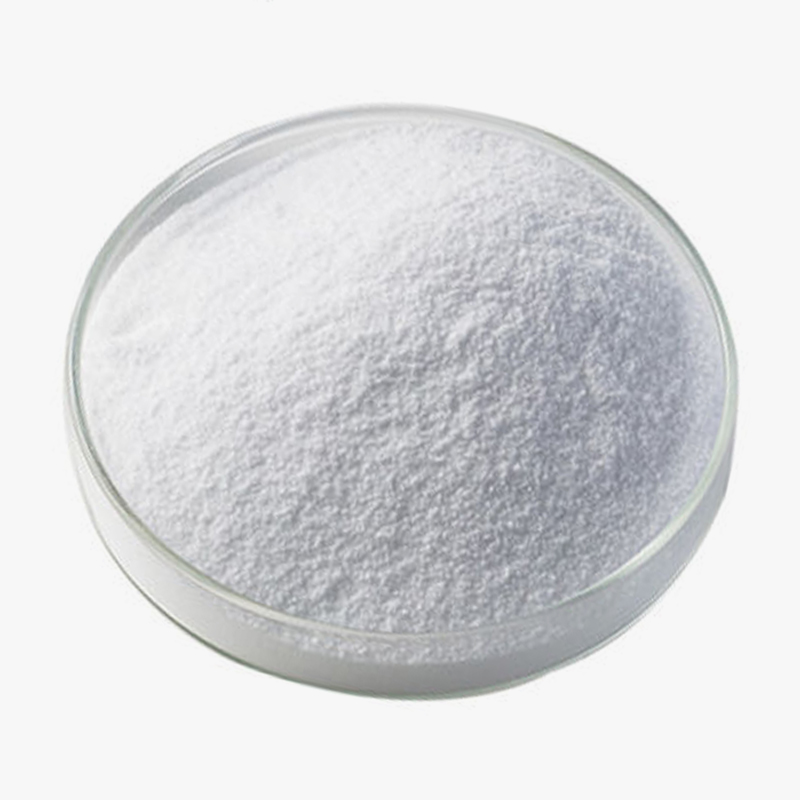
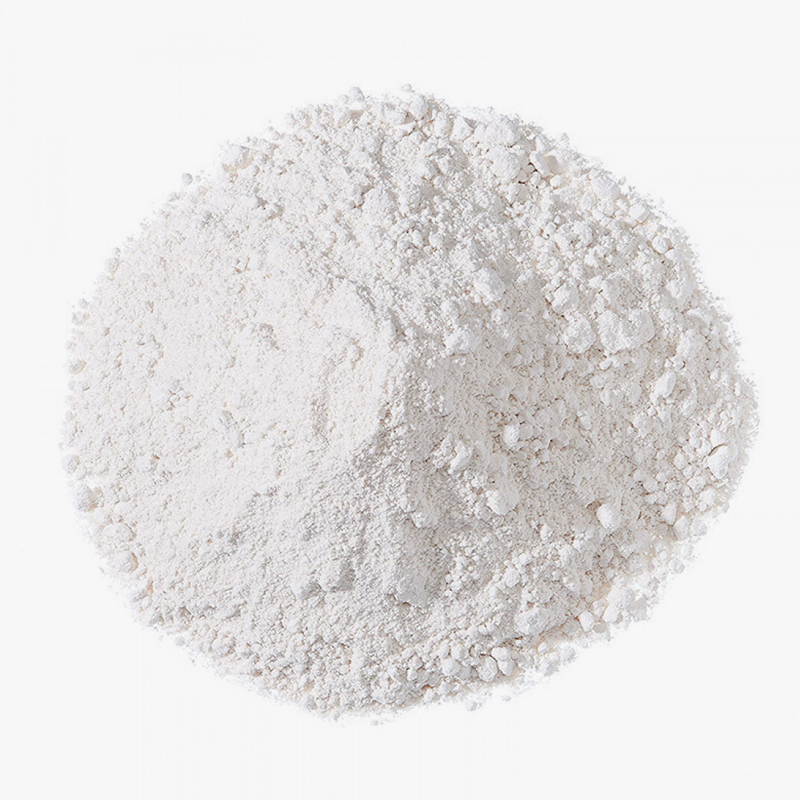
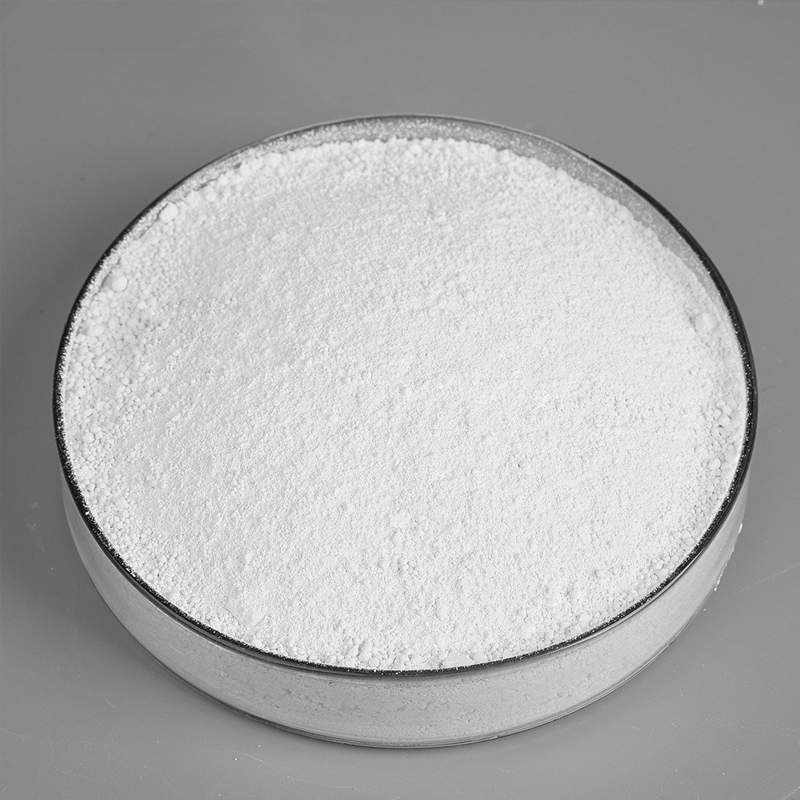
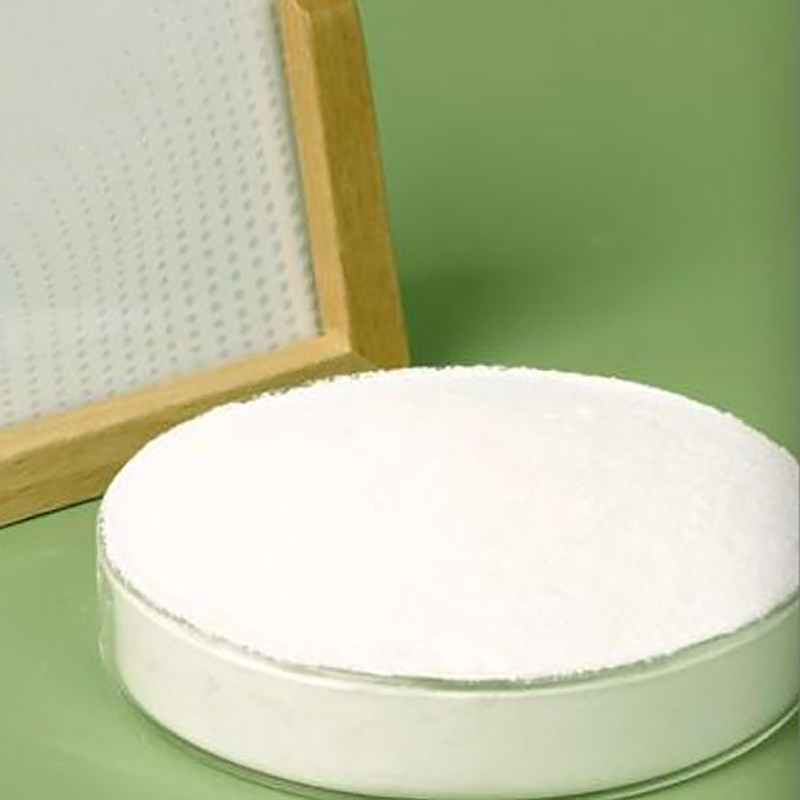
HEC is supplied as a fine powder, and particle size distribution directly affects how the powder hydrates once it hits water. A powder that is too coarse can take longer to fully dissolve, while a powder that is too fine can clump on the surface of the liquid if it is added too quickly, forming lumps sometimes called fish eyes. This is a common processing complaint from buyers of HEC cellulose powder supplier partners who have not adjusted mixing speed to the grade purchased.
Practical Mixing Guidance
Slow, steady addition of powder into the vortex of a moderately agitated mixer, followed by a rest period before high shear mixing begins, tends to give the most complete hydration with the least clumping. Some manufacturers offer surface treated or dispersible grades that reduce clumping tendency, which can be worth requesting for high speed continuous mixing lines.
- Add powder slowly into moving liquid rather than dumping it all at once
- Allow a short hydration rest period before applying high shear
- Cold water systems generally need longer hydration time than warm water systems
- Pre-dispersing HEC in a small amount of another liquid phase can reduce lump formation
4. Dosage Level Changes Viscosity in a Non-Linear Way
One detail that surprises many first time buyers is that viscosity does not increase in a straight line as HEC dosage increases. Small increases in concentration near the upper end of a typical dosage range can produce a much larger jump in viscosity than the same size increase at a lower concentration. This is why formulators are advised to build up dosage gradually and test at each step rather than adding a large single dose based on a rough target.
Relative viscosity response curve as HEC dosage increases in a typical aqueous system
Why This Matters for Cost-Efficient Formulation
Because viscosity rises steeply at the higher end of the dosage curve, a formulator aiming for a specific thickness target should test in small increments, such as 0.05 percent steps, once approaching the expected working range. This avoids overshooting the desired viscosity and wasting material, and it also helps identify the most efficient dosage point where the formulation reaches target thickness without unnecessary excess polymer.
5. HEC Performance Requirements Differ Across Industries
HEC is used across a wide range of industries, and the performance priorities shift depending on the application. In water based paint and architectural coatings, HEC functions as a thickener for coatings that helps control sag resistance, leveling, and roller spatter, and it is a common rheology modifier for coatings used in interior wall paint. In construction, HEC additive for mortar formulations improves water retention and workability of dry powder mixes such as tile adhesive, skim coat, and self-leveling compounds, making it a standard construction grade additive. In oilfield services, HEC is used as a friction reducer and fluid loss control agent in drilling and completion fluids. In personal care and cosmetics, it provides mild thickening for shampoos, lotions, and gels without adding an oily feel.
Typical demand distribution of Hydroxyethyl Cellulose across major end use industries
Application-Specific Buying Tips
- For hydroxyethyl cellulose for water based paint, confirm the viscosity grade against your target sag resistance and roller spatter behavior
- For HEC thickener for latex paint, ask about compatibility with the specific coalescent and defoamer package you use
- For construction grade mortar mixes, water retention value at the intended dosage matters more than raw viscosity alone
- For oilfield use, request data on salt tolerance and shear stability under downhole conditions
6. HEC, HPMC and CMC Are Not Interchangeable
Buyers sometimes assume any cellulose ether will work the same way, but HEC, HPMC (hydroxypropyl methylcellulose) and CMC (carboxymethyl cellulose) behave differently once they are in a formulation. HEC and HPMC are both non-ionic, while CMC is anionic and therefore more sensitive to salts and multivalent metal ions in the system. HPMC tends to offer stronger enzyme resistance and surface active behavior, while HEC often disperses a little more easily and gives a smoother, more transparent solution at equal viscosity.
Relative comparison of HEC, HPMC and CMC across common formulation properties
| Property | HEC | HPMC | CMC |
|---|---|---|---|
| Ionic character | Non-ionic | Non-ionic | Anionic |
| Salt tolerance | Good | Good | Limited |
| Common field | Paint, drilling fluids, personal care | Mortar, tile adhesive | Food, detergent, textile sizing |
7. Supplier Consistency Matters as Much as the Data Sheet
Two batches of HEC with identical viscosity grades on paper can still behave differently in production if the manufacturer does not maintain tight batch-to-batch consistency. When sourcing bulk hydroxyethyl cellulose, it is worth asking a hydroxyethyl cellulose manufacturer China based or otherwise about their production scale, quality testing routine for each batch, and how they manage raw material variation over time. A hydroxyethyl cellulose supplier with stable annual output and a dedicated quality control process is generally better positioned to deliver repeatable performance across large orders.
About Zhejiang Yisheng New Material Co., Ltd
Zhejiang Yisheng New Material Co., Ltd is engaged in the design, development, manufacturing and sales of cellulose ether products, located in the Shangyu Economic and Technological Development Zone within the Hangzhou Bay National Industrial Park. The company maintains an annual production capacity of 15,000 tons of cellulose ether and offers a full range of products including HEC, HEMC and HPMC, serving sectors such as oilfields, coatings, dry powder mortar, cosmetics, personal care and other industries. Yisheng operates with a focus on safety and environmental responsibility throughout its production process, supported by a structured quality management approach and consistent testing procedures across production batches. As a HEC cellulose powder supplier working with customers across multiple regions, Yisheng aims to provide stable supply and dependable technical communication to support long term formulation needs.

Questions Worth Asking Before You Order
- What is the actual Brookfield viscosity reading at the concentration I plan to use
- How is batch to batch consistency monitored during production
- What packaging and moisture protection is used for bulk hydroxyethyl cellulose shipments
- Can the supplier provide technical support for dosage adjustment in my specific application
Storage and Handling Recommendations
HEC powder should be kept in a cool, dry area away from direct moisture exposure, since the material is hygroscopic and will absorb ambient humidity if left in an open or damaged package. Bags should be resealed tightly after partial use, and pallets should be kept off damp flooring. Under proper dry storage conditions, HEC generally retains its performance characteristics well over an extended storage period, though rotating older stock first remains good practice for any bulk chemical raw material.
Frequently Asked Questions About Hydroxyethyl Cellulose HEC
Q1. What is Hydroxyethyl Cellulose HECHEC is a non-ionic, water-soluble cellulose ether mainly used as a thickener, stabilizer, rheology modifier and water retention agent. |
Q2. What is Hydroxyethyl Cellulose used forHEC is widely used in paints and coatings, construction materials, oil drilling fluids, cosmetics, and pharmaceuticals. |
Q3. Is Hydroxyethyl Cellulose water solubleYes, HEC is a water-soluble cellulose ether that disperses readily in cold or warm water. |
Q4. What is the CAS number of Hydroxyethyl CelluloseThe CAS number commonly associated with HEC is 9004-62-0. |
Q5. Is HEC natural or syntheticHEC is cellulose-derived and produced through chemical modification of natural cellulose. |
Q6. What is the difference between HEC and HPMCBoth are non-ionic, but HPMC generally offers stronger enzyme resistance while HEC often disperses more easily and gives a clearer solution. |
Q7. How should Hydroxyethyl Cellulose be storedStore in a cool, dry area in tightly sealed packaging, away from direct moisture and humidity exposure. |
Q8. Can HEC be used in cold water systemsYes, HEC dissolves in cold water, though full hydration may take longer than in warm water systems. |
Q9. What causes HEC to lose viscosity over timeMoisture exposure during storage, microbial contamination without a preservative, and excessive shear during mixing can reduce viscosity performance. |
Q10. Is HEC compatible with other additives in a formulationBeing non-ionic, HEC generally shows good compatibility with a wide range of surfactants, salts and other common formulation additives. |

 Email: sarah@ys-cellulose.com
 Phone: +86-18067879812 / +86-575-82966958


