


 简体中文
简体中文 English
 русский
 عربى
عربى Español
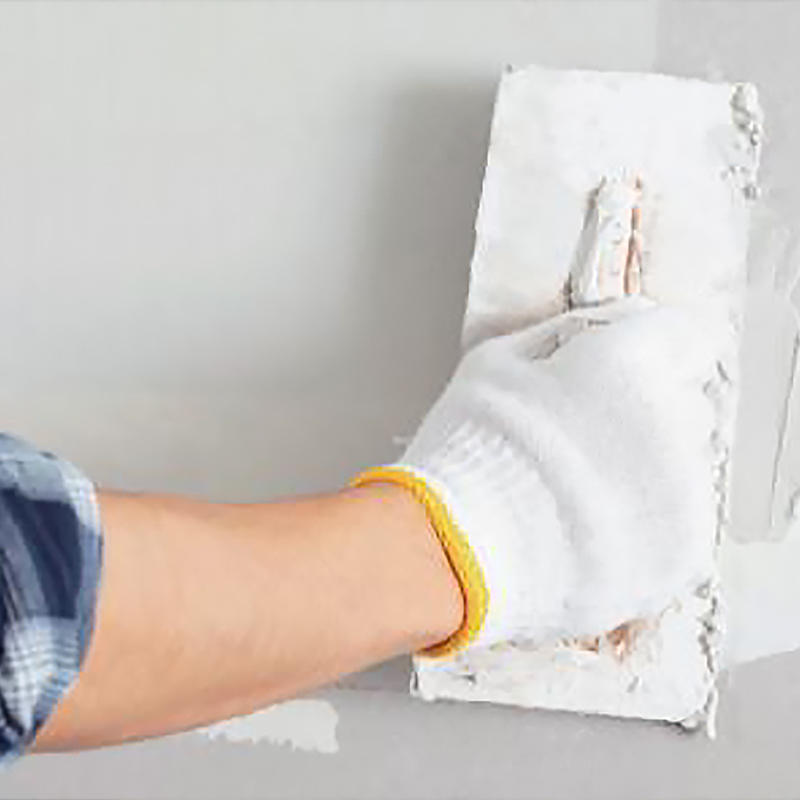
You mix the render, trowel it on, and three weeks later dark damp patches appear at the base of the wall. White efflorescence blooms around the window heads. The pattern is always the same: capillary moisture enters the plaster, dissolves soluble salts, and deposits them on the surface as the water evaporates.
A waterproofing additive to plaster attacks the source rather than the symptom. Added at the mixing stage, it blocks the capillary pore network inside the mortar so water cannot travel through the hardened plaster. Combined with a water-retaining cellulose ether such as HPMC or HEMC, the plaster also cures more evenly—and a denser, crack-free matrix is what keeps moisture out over the long term.
Content
- 1 How Waterproofing Additives Work in Plaster
- 2 Main Types of Waterproofing Additives for Plaster
- 3 Why Cellulose Ethers Matter in a Waterproof Plaster
- 4 How to Select and Dose the Right Additive
- 5 Application Best Practices
- 6 Frequently Asked Questions
- 6.1 What is the best waterproofing additive for plaster?
- 6.2 Can waterproofing admixture be used with gypsum plaster?
- 6.3 What dosage of waterproofing additive should I use in plaster?
- 6.4 Does waterproofing plaster allow walls to breathe?
- 6.5 What is the difference between a waterproofing additive and HPMC in plaster?
- 6.6 Can waterproof plaster stop rising damp from the inside?
How Waterproofing Additives Work in Plaster
Waterproofing additives for plaster rely on three basic mechanisms, and most commercial products combine at least two of them:
- Capillary blocking. Fine reactive powders, often silicate- or aluminate-based, react with cement hydration products to form insoluble crystals that grow inside the pores and physically stop water movement.
- Hydrophobic pore lining. Stearates, silanes, or silicone compounds coat the inner walls of the capillary network with a water-repellent film, so water cannot wet the pore surface and therefore cannot penetrate.
- Polymer film formation. Redispersible polymer powders form flexible films throughout the mortar matrix, densify the structure, and bridge micro-cracks that would otherwise act as water channels.
The result is plaster that absorbs significantly less water while remaining open to vapour diffusion, so the wall can dry out without trapping moisture. That vapour permeability is essential: a perfectly waterproof but airtight plaster simply pushes the moisture problem deeper into the building. The same additive logic applies to both scratch and finish coats, and manufacturers usually design these systems to run alongside cement render additives that control setting and consistency.
Figure 1. Isometric section of a plaster wall with an integral waterproofing additive. Liquid water is held at the surface while capillary pores inside the plaster are blocked.
Main Types of Waterproofing Additives for Plaster
Choosing starts with knowing what is on the market. The table below summarizes the additive families a formulator or contractor is most likely to meet.
| Type | Mechanism | Form | Best suited for |
|---|---|---|---|
| Crystalline (silicate-based) | Reacts with calcium hydroxide to form insoluble crystals inside pores | Liquid or powder | Below-grade cement plaster, negative-side waterproofing |
| Hydrophobic (stearate / silane) | Lines capillary walls with a water-repellent film | Powder or paste | Above-grade facades, stucco finishes |
| Polymer modifier (RDP) | Forms flexible films; bridges micro-cracks | Redispersible powder | Thin-coat renders, repair mortars, tile adhesives |
| Cellulose ether (HPMC / HEMC) | Water retention, workability, shrinkage control | Powder | All cement- and gypsum-based plaster systems |
In practice, the strongest waterproof plaster formulations combine a pore-blocking or hydrophobic agent with a cellulose ether and, where flexibility is required, a polymer modifier such as redispersible polymer powder.
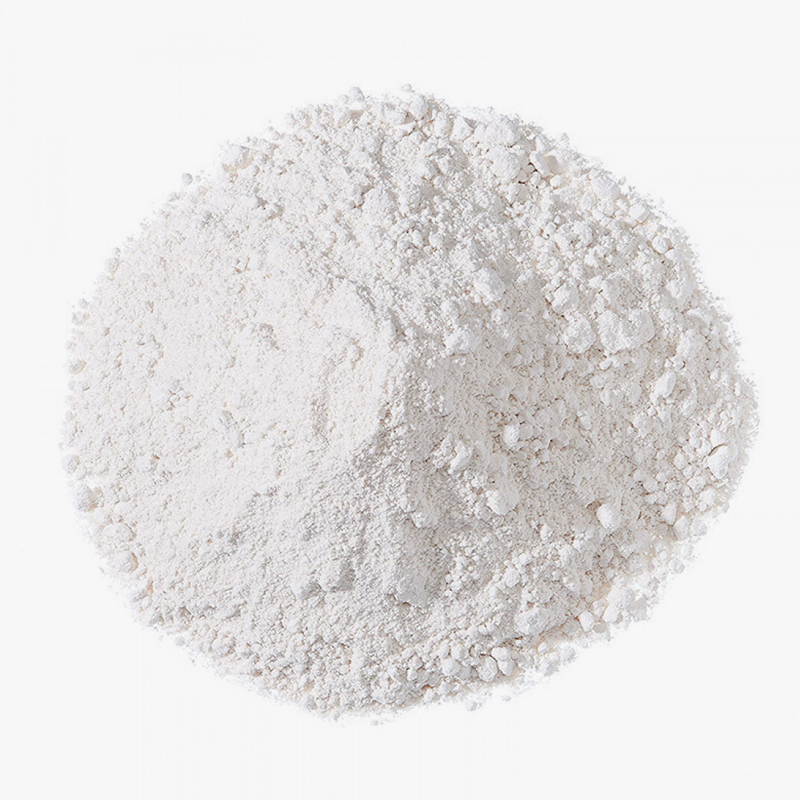
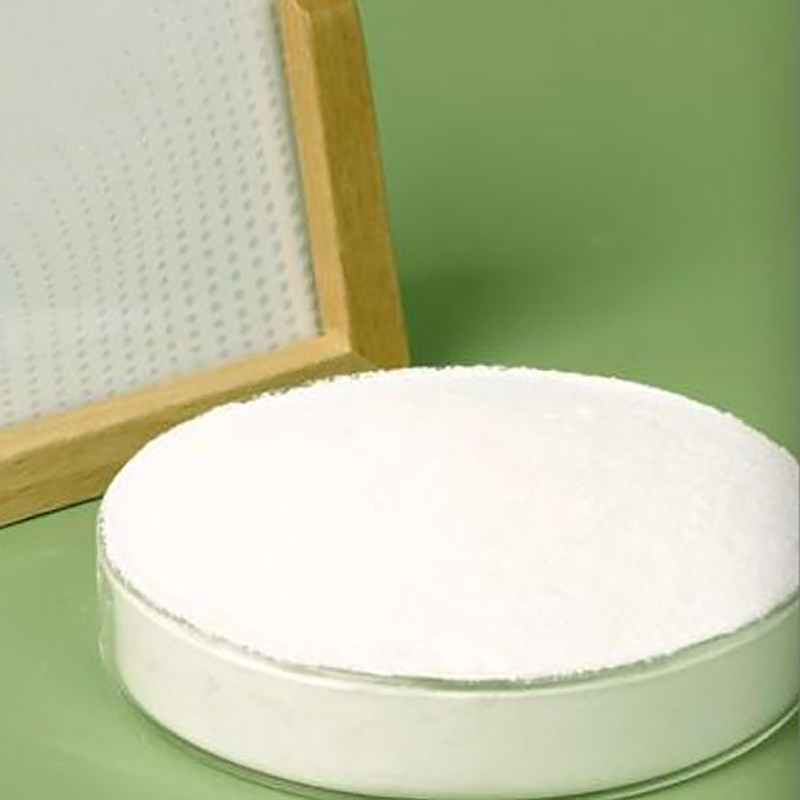
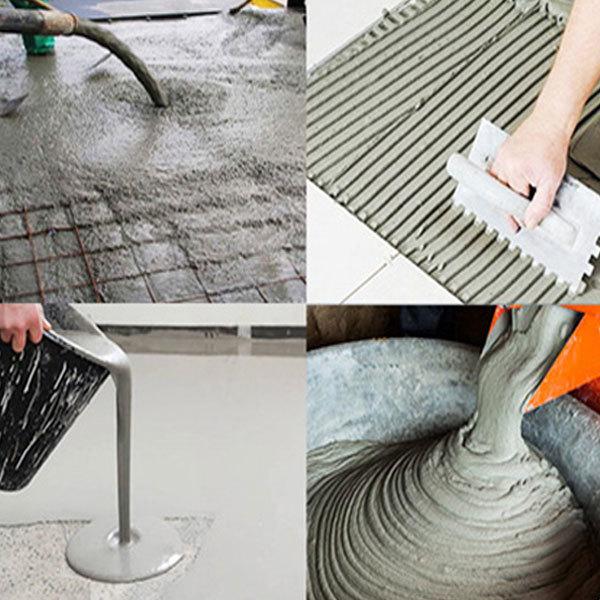 Redispersible Polymer Powder for Flexible Waterproof MortarsThis white, free-flowing powder improves flexibility, adhesion, and crack resistance in tile adhesives, plasters, and repair mortars. It is the polymer modifier that complements cellulose ethers in high-performance waterproof plaster systems.View Product →
Why Cellulose Ethers Matter in a Waterproof Plaster
Strictly speaking, cellulose ethers are not waterproofing agents. But a waterproof plaster system that skips them rarely performs as expected. HPMC (hydroxypropyl methylcellulose) and HEMC (hydroxyethyl methylcellulose) control how much mixing water stays available for cement hydration, how smoothly the render applies, and whether the hardened plaster develops an open, crack-prone pore structure.
Three effects are directly responsible for better water resistance:
- Higher water retention. More mix water remains in the mortar during curing, so the cement hydrates fully and forms a denser binder gel with lower permeability.
- Workability at lower water content. Contractors can reduce the water-to-cement ratio because the mortar is easier to spread and hold, which means fewer and smaller capillaries.
- Crack and shrinkage control. The cellulose ether reduces plastic shrinkage and improves cohesion, eliminating the through-cracks that become the fastest water path.
The effect on water retention is measurable even at very low dosages, as the comparison below illustrates.
Figure 2. Water retention of cement plaster at increasing HPMC dosage. Values are typical formulation ranges; exact results depend on cement type, sand grading, and ambient conditions.
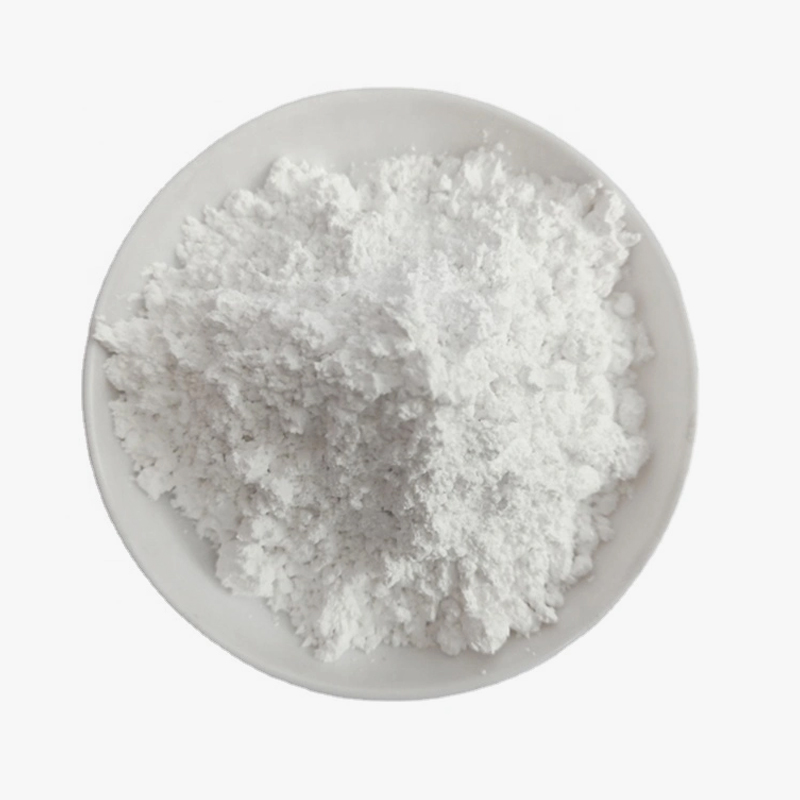
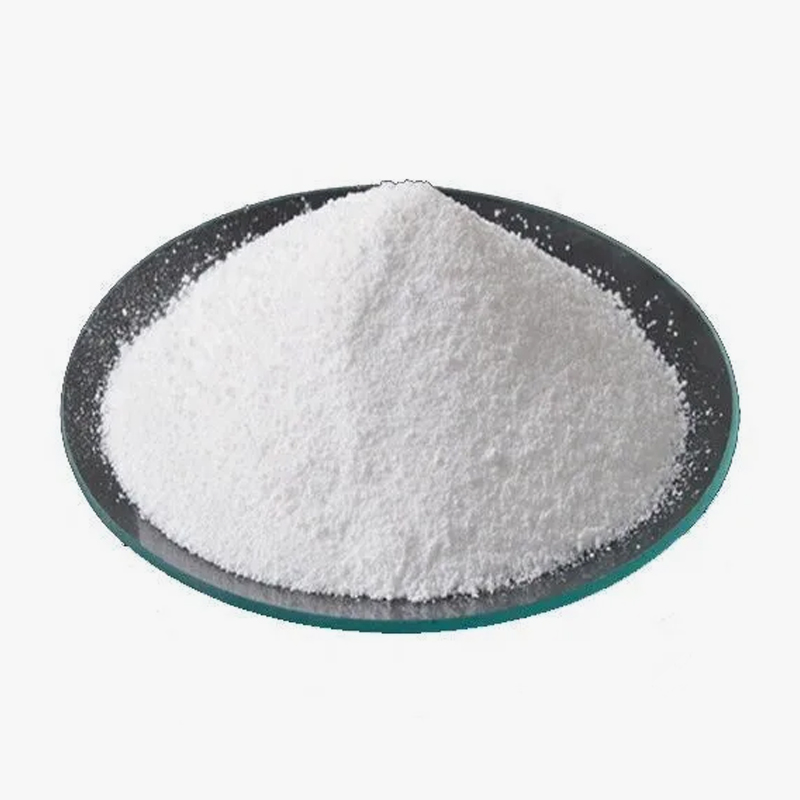 EASONZELL MP Hydroxypropyl Methylcellulose for MortarThis architectural-grade HPMC acts as a water-retaining agent and retarder, enhancing pumpability and workability in cement and gypsum plasters. It extends open time and improves adhesion, making it essential for consistent plaster application.View Product →
How to Select and Dose the Right Additive
Selection is not a one-size-fits-all decision. The correct additive depends on the plaster base, the exposure, and the finishing system:
- Cement plaster above grade. A hydrophobic or crystalline additive at 1–2% of cement weight, plus 0.2–0.4% cellulose ether on the dry-mix weight.
- Below-grade and negative-side. Crystalline products are preferred because they can seal hairline cracks when moisture re-enters and triggers further crystal growth.
- Gypsum plaster. Gypsum is more soluble and sensitive to humidity. Use hydrophobic products specifically tested for gypsum, and avoid overdosing silicate types, which can trigger efflorescence.
- Thin-coat and polymer-modified renders. Combine redispersible polymer powder with HEMC to obtain a flexible, densely packed mortar that resists both water ingress and impact cracking.
Always validate with a small panel or prism test before full production. Measure water absorption, bond strength, and visual defects after 28 days of curing. Capillary absorption curves give the clearest picture of the difference an additive makes.
Figure 3. Capillary water absorption over time: plain cement plaster versus plaster with a waterproofing additive combined with HPMC. Curves illustrate the typical trend.
For producers who already work with waterproofing compounds, the same additive systems extend naturally into the broader waterproof mortar additives range, covering renders, screeds, and repair mortars under one formulation logic.
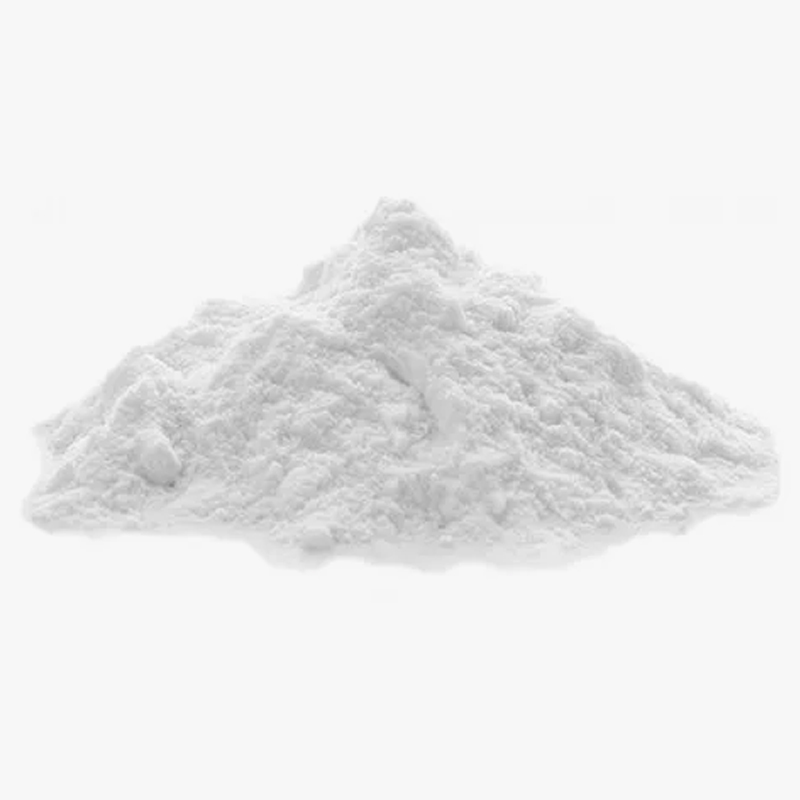
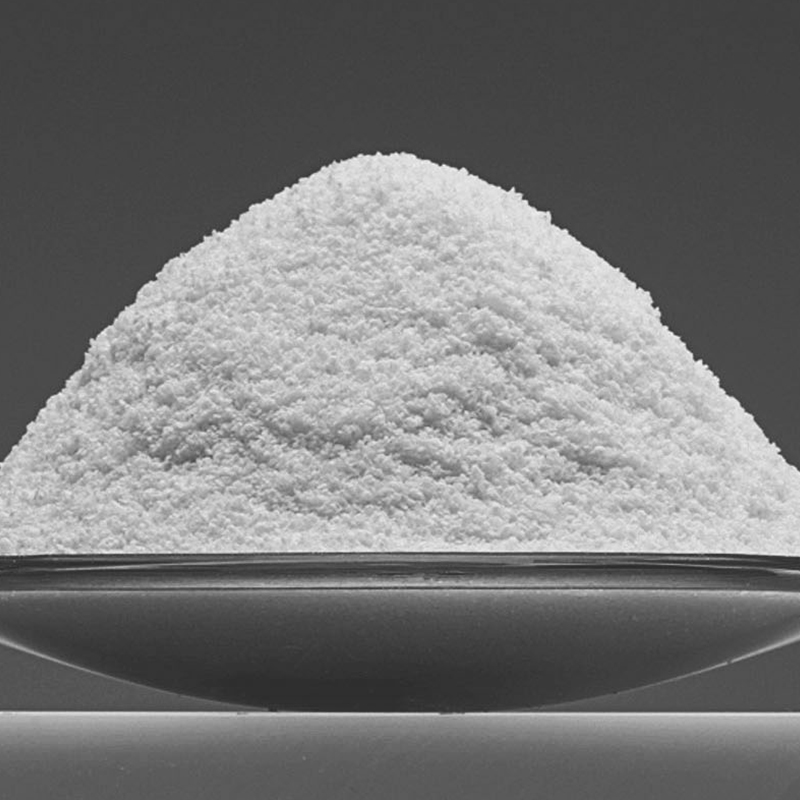 EASONZELL ME Hydroxyethyl Methylcellulose for Building MaterialsThis building-grade HEMC dissolves readily in hot or cold water, providing thickening, water retention, and salinity resistance. It suits cement, gypsum, and lime applications, improving workability and film formation in waterproofing mortars.View Product →
Application Best Practices
The best additives fail when application is careless. Follow these rules on every job:
- Disperse the additive in the mixing water first, never into the dry mortar, to guarantee even distribution.
- Respect the recommended dosage. Overdosing hydrophobic additives can leave a film that reduces the bond between the scratch and finish coats.
- Keep the fresh plaster moist for three to seven days. No waterproofing additive can repair the damage caused by rapid drying and incomplete cement hydration.
- Do not reuse tools or mixers that have touched cement-based material for gypsum plaster; contamination accelerates setting and causes unpredictable results.
Frequently Asked Questions
What is the best waterproofing additive for plaster?
Crystalline additives are the best choice for below-grade cement plaster, hydrophobic additives for above-grade facades, and polymer-modified systems for thin-coat renders. Match the additive to the exposure and base material, and pair it with HPMC or HEMC for a durable result.
Can waterproofing admixture be used with gypsum plaster?
Only if the product is explicitly tested for gypsum bases. Gypsum behaves differently from cement, and many cement-grade admixtures—silicate types above all—can cause efflorescence or setting disturbances in gypsum plaster.
What dosage of waterproofing additive should I use in plaster?
Typical dosage is 1–2% by weight of cement for the waterproofing agent, and 0.2–0.4% of dry-mix weight for cellulose ether. Follow the manufacturer's technical sheet and confirm with a panel test before large batches.
Does waterproofing plaster allow walls to breathe?
Yes. Most integral waterproofing additives block liquid water uptake but leave the pore network open to vapour diffusion, so the wall can dry outward. This vapour permeability is a key requirement for healthy interior environments.
What is the difference between a waterproofing additive and HPMC in plaster?
A waterproofing additive reduces water penetration into hardened plaster, whereas HPMC improves fresh-mortar water retention, workability, and crack resistance—which indirectly lowers permeability. They are complementary, not interchangeable.
Can waterproof plaster stop rising damp from the inside?
Crystalline capillary-blocking additives can be applied on the negative side, but they must be combined with careful substrate preparation and, in many cases, a surface membrane. They are not a substitute for treating rising damp at its source.


 Email: sarah@ys-cellulose.com
 Phone: +86-18067879812 / +86-575-82966958


