


 简体中文
简体中文 English
 русский
 عربى
عربى Español
You step onto your driveway and notice a new crack running through the slab. It might seem minor, but a half-hour repair now can save you a much larger patch job later. The process is straightforward once you know what to use. In this guide, you will learn how to fill cracks in concrete - from cleaning the opening to sealing the finished surface - with the exact material choices that make the repair last.
Content
- 1 Assess the Crack: Width, Depth, and Movement
- 2 Step-by-Step: How to Fill Cracks in Concrete
- 3 Cellulose Ethers: The Additive That Keeps Repair Mortar Working
- 4 Tools and Materials Checklist
- 5 Common Mistakes to Avoid
- 6 Frequently Asked Questions About Filling Cracks in Concrete
- 6.1 Q1: Can I fill concrete cracks with regular cement?
- 6.2 Q2: How wide can a concrete crack be before it becomes structural?
- 6.3 Q3: Do I need to use a backer rod before sealing a concrete crack?
- 6.4 Q4: Can I use concrete crack filler on a wet surface?
- 6.5 Q5: How long does concrete crack filler take to dry?
- 6.6 Q6: What is the best way to prevent concrete cracks from coming back?
Assess the Crack: Width, Depth, and Movement
Not every concrete crack needs the same filler. Start by measuring the width and checking the depth. For a crack narrower than 1/8 inch, a liquid crack filler or a self-leveling sealant will penetrate and seal the rut. For a crack between 1/8 and 1/4 inch, a polyurethane caulk gives enough flexibility. For anything wider than 1/4 inch, you need a backer rod to create a uniform gap before applying a flexible sealant. Structural cracks, however, call for a professional evaluation and often an epoxy injection.
The table below summarizes the typical repair approach for each crack width.
| Crack width | Recommended repair approach |
|---|---|
| Below 1/8 inch | Liquid crack filler or self-leveling sealant |
| 1/8 inch to 1/4 inch | Polyurethane caulk or semi-flexible sealant |
| Over 1/4 inch | Backer rod plus flexible sealant or cementitious patch |
| Moving or structural cracks | Epoxy injection or a structural repair specialist |
This chart gives you a quick visual reference for filler selection based on the crack opening.
Step-by-Step: How to Fill Cracks in Concrete
1. Clean the Crack
Use a wire brush, a stiff broom, or a shop vacuum to remove dust, loose debris, and any vegetation growing from the crack. If the crack is oily, wash it with a degreaser and let it dry. Cleaning is not optional: a dusty opening will not bond with any crack filler.
2. Choose the Right Filler
Match the filler to the width you measured. For hairline cracks, a liquid filler pours easily into the opening. For mid-width cracks, a caulk that stays flexible is the right choice. Many professional-grade liquid fillers and caulks are thickened with cellulose ethers to control runoff and keep the product in place. This is especially true for water-based sealants, where hydroxyethyl cellulose (HEC) is a common thickener.
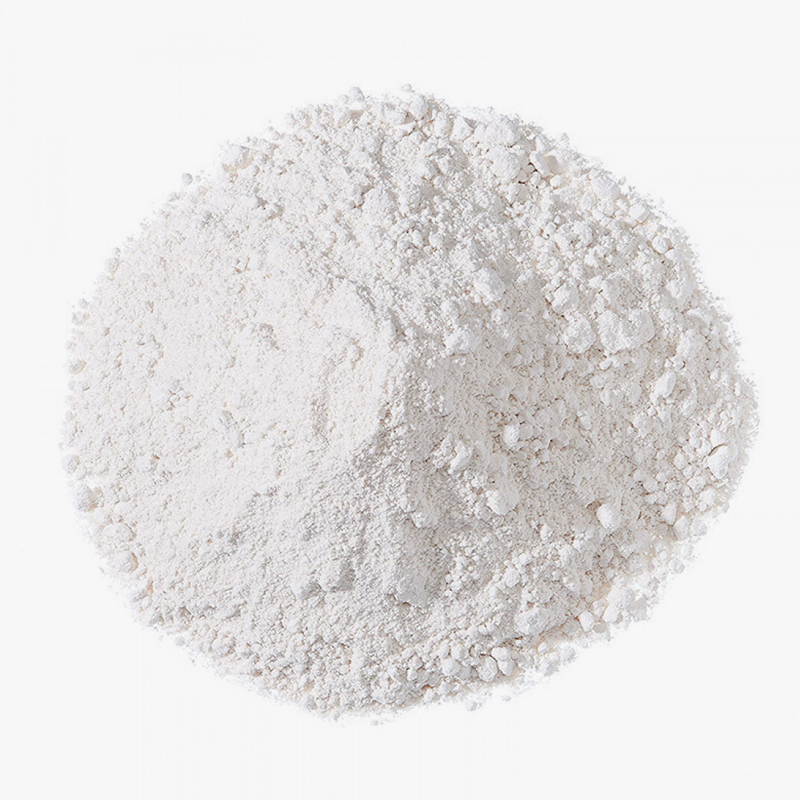
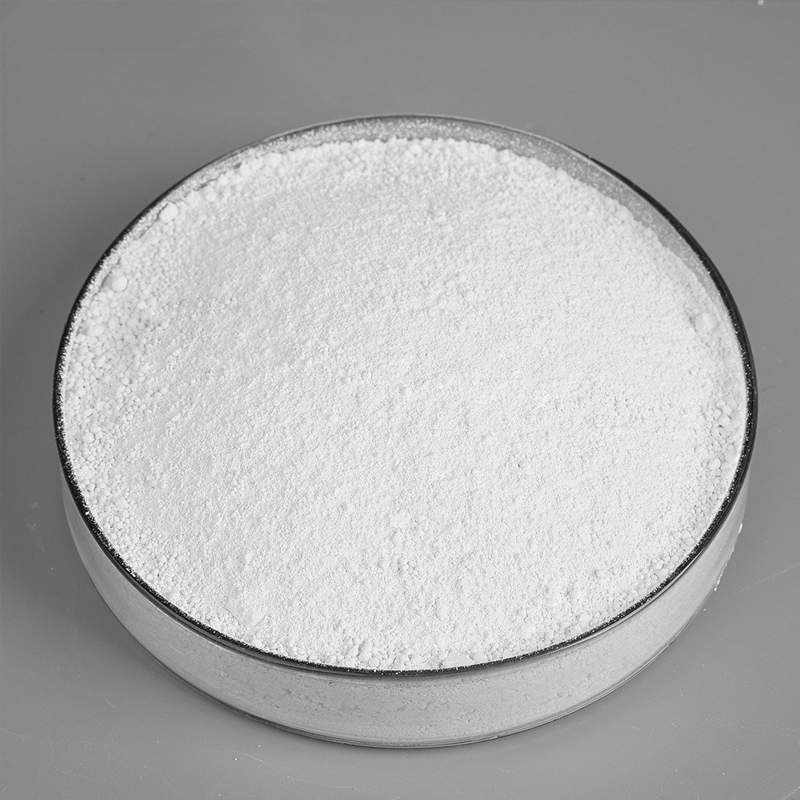 HEC Thickener for Water-Based Coatings and SealantsThis hydroxyethyl cellulose product provides thickening and rheology control for water-based formulations, improving application and stability in liquid fillers and caulks.View Product →
If the crack is deep, use a backer rod first. Push the rod into the gap so that it sits about 1/4 inch below the surface. This gives the sealant a solid base and avoids sagging. If you are applying a cementitious patch, the workability of the mix is affected by the same additives used in a dry-mix mortar additive.
3. Apply the Filler
For a liquid filler, pour it slowly along the opening and allow it to self-level. For a caulk, cut the nozzle at an angle and move the gun slowly so the sealant fills the entire width. Drag a wet finger or a trowel across the surface to smooth the bead and create an even finish. The diagram below shows a properly filled wide crack using a backer rod and a flexible sealant.
4. Let It Cure, Then Seal
Wait for the material to cure according to the package direction. Most urethane and polyurethane sealants need 24 hours before foot traffic. After curing, apply a concrete sealer or waterproof coating to protect the repair from moisture and freeze-thaw cycles. This step extends the life of the repair and prevents new cracks from forming near the patch.
Cellulose Ethers: The Additive That Keeps Repair Mortar Working
If you are repairing a wider crack with a cementitious patch or a mortar-based product, the performance of the repair depends on the chemicals inside the mix. A key group of additives is cellulose ethers, a class of water-soluble polymers derived from cellulose. These compounds improve water retention, open time, workability, and adhesion in cement-based materials.
For a crack repair mortar, the right cellulose ether prevents the patch from drying too quickly, which reduces the risk of shrinkage cracks inside the repair itself. Hydroxypropyl methylcellulose (HPMC) is widely used in architectural mortars for this purpose. It also helps the product stay on a vertical surface without sagging, which matters when filling a ceiling crack or a crack in a wall.
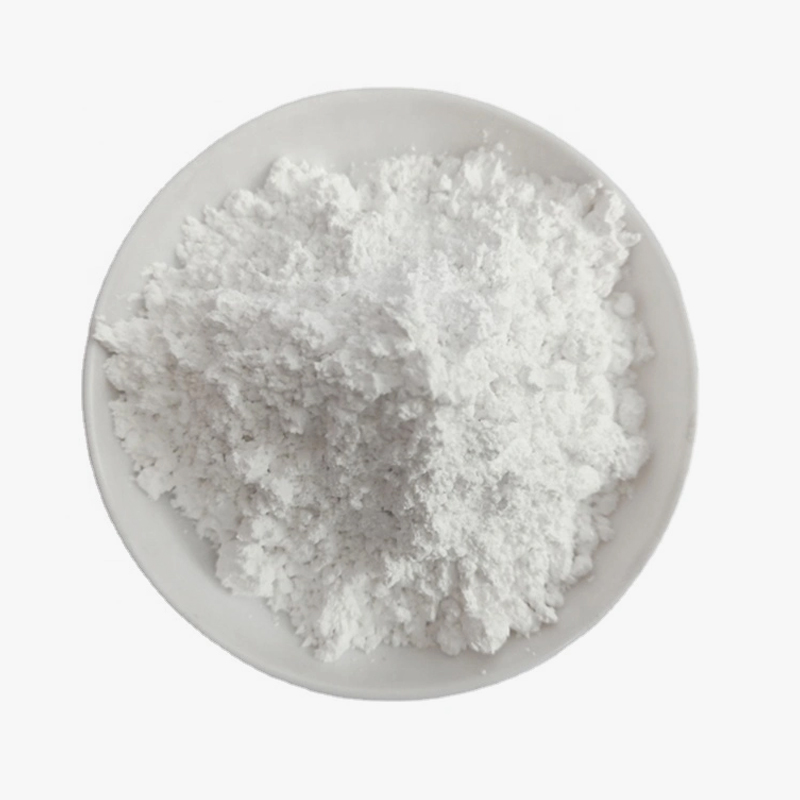
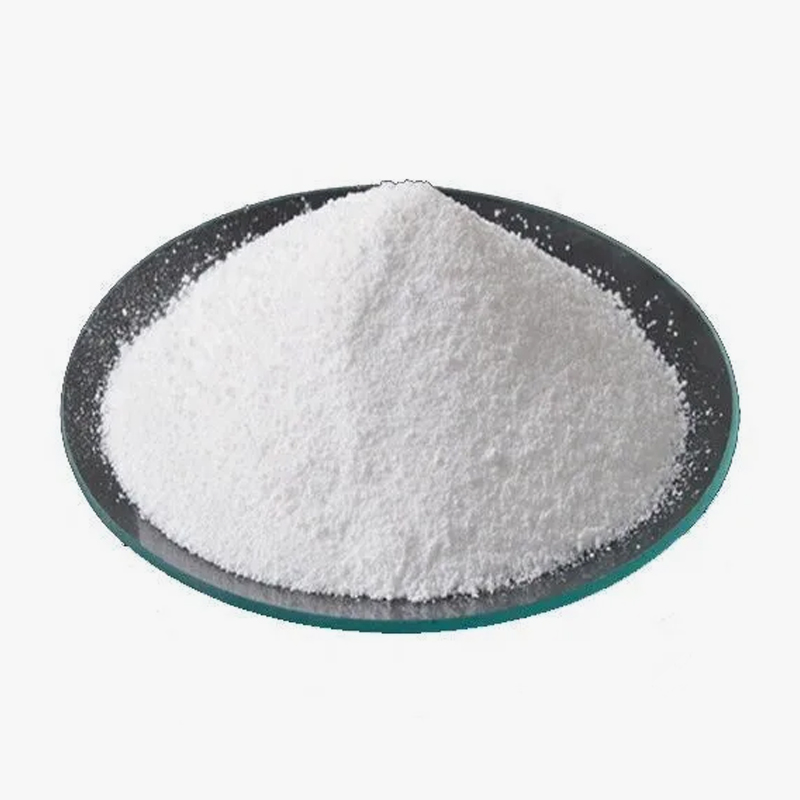 HPMC for Crack Repair Mortars and Architectural ApplicationsHydroxypropyl methylcellulose that retains water and extends open time in cementitious patches, reducing shrinkage and improving adhesion on vertical surfaces.View Product →
Hydroxyethyl methylcellulose (HEMC) performs a similar role. It is often selected in construction-grade formulations because it gives a slower hydration rate and a longer open time, making it easier to finish the patch.
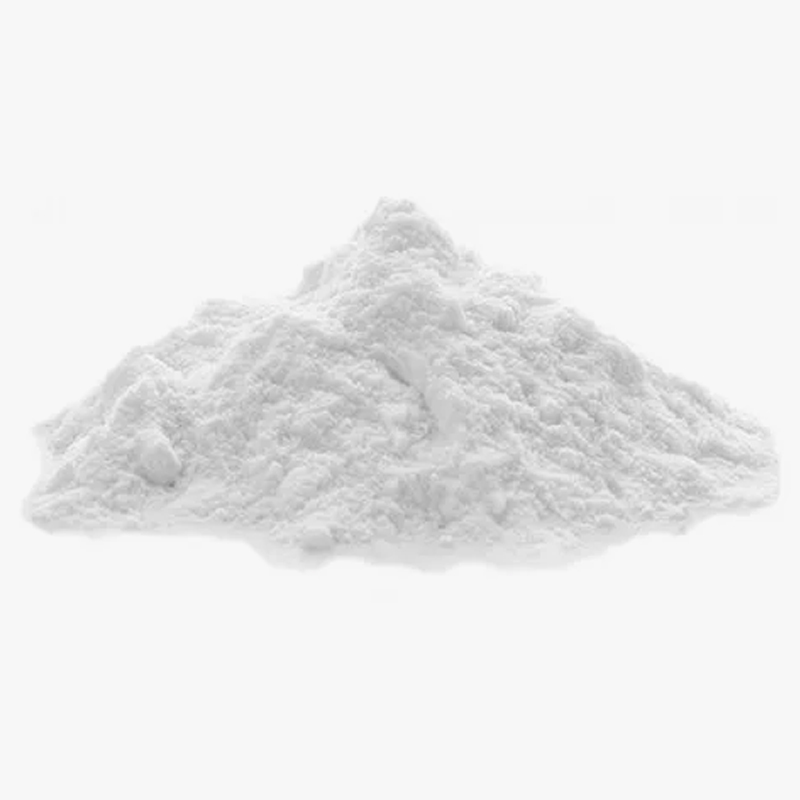
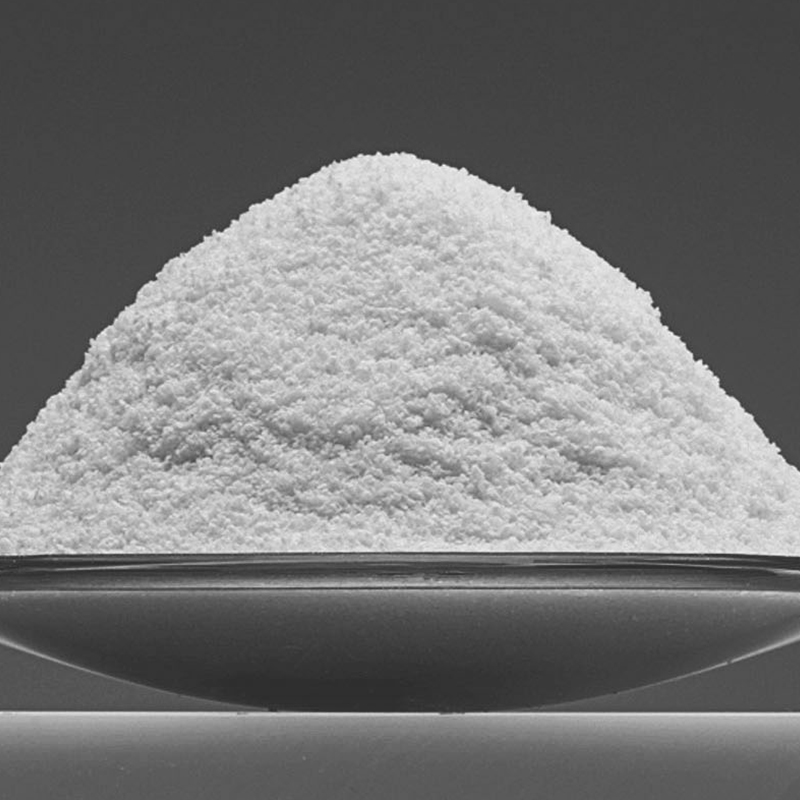 HEMC for Liquid Sealants, Grouts, and Building MaterialsHydroxyethyl methylcellulose offering thickening and water retention for liquid sealants and coatings, ensuring stable consistency across pH ranges and easy application.View Product →
For liquid sealants and coatings, hydroxyethyl cellulose (HEC) is common. It thickens the liquid into a trowelable or pourable consistency while remaining stable over a wide pH range. You can see the same additive technology in high-quality grout and joint filler additives.
The table below summarizes how these cellulose ethers support concrete crack repair formulations.
| Additive | Primary function | Typical repair application |
|---|---|---|
| HPMC | Water retention, sag control | Cementitious patch mortars |
| HEMC | Extended open time | Repair mortar, render, and plaster |
| HEC | Thickening, flow control | Liquid sealants and coatings |
Tools and Materials Checklist
Before you start, make your own checklist.
- Wire brush or stiff broom
- Shop vacuum or compressed air
- Liquid crack filler or crack sealant (based on crack width)
- Backer rod for deep cracks
- Caulk gun and putty knife
- Concrete sealer or waterproof coating
- Safety glasses and gloves
Common Mistakes to Avoid
- Filling a dirty crack: any dust or loose particles prevent a strong bond.
- Using the wrong filler width range: a thin liquid filler in a wide crack will sink and crack again.
- Applying in direct sunlight: the product skins over too quickly and may crack.
- Skipping the backer rod for deep, wide cracks: a thick pool of sealant can sag and waste material.
- Walking on the repair before it cures: this can damage the seal and create new stress.
Frequently Asked Questions About Filling Cracks in Concrete
Q1: Can I fill concrete cracks with regular cement?
You can, but regular cement is not ideal for small or moving cracks. A sealant, a liquid filler, or a patching compound with polymer and cellulose ether additives will flex and adhere better.
Q2: How wide can a concrete crack be before it becomes structural?
There is no universal rule, but cracks wider than 1/4 inch, or cracks with a stepped edge, usually indicate a structural issue and should be inspected by a professional.
Q3: Do I need to use a backer rod before sealing a concrete crack?
Yes, for cracks deeper than 1/4 inch. A backer rod creates a uniform depth and prevents the sealant from sagging too deep into the crack.
Q4: Can I use concrete crack filler on a wet surface?
Most crack fillers and sealants need a dry surface. Water on the surface or in the crack blocks adhesion, so dry the opening first.
Q5: How long does concrete crack filler take to dry?
It depends on the product and the weather. Most liquid fillers dry within a few hours, while polyurethane sealants may need 24 hours before full cure.
Q6: What is the best way to prevent concrete cracks from coming back?
Seal the concrete surface and control moisture. A proper concrete sealer reduces water intrusion, and flexible sealants allow the concrete to move naturally.



 Email: sarah@ys-cellulose.com
 Phone: +86-18067879812 / +86-575-82966958


