


 简体中文
简体中文 English
 русский
 عربى
عربى Español
Two cups of water, a quarter cup of dish soap, a quick stir with a spoon, and the first bubble pops before it clears the wand. That is how most homemade bubble solution attempts end, and the reason is almost never "not enough soap." A good bubble solution balances three things: the water-to-soap ratio, the water itself, and a small amount of a film-strengthening additive such as glycerin, corn syrup, or a water-soluble polymer.
Here is the short answer first: mix 6 parts water to 1 part dish soap by volume, use distilled or softened water when you can, add about 1 tablespoon (15 mL) of glycerin per liter of solution, and stir slowly instead of shaking. Left to rest for an hour or overnight, that batch produces bubbles that hold their shape for tens of seconds rather than two. Everything below explains why those numbers work and how to shift them for small wands, giant wands, or a bubble machine.
Content
Why a Plain Soap-and-Water Mix Fails
A soap bubble is a sandwich: a thin sheet of water trapped between two layers of surfactant molecules, with the heads facing the water and the tails facing the air. That arrangement lowers surface tension enough for the film to stretch at all. It does not stop the film from draining downward, thinning, and evaporating, and a bubble bursts at the first point that becomes thin enough to tear.
Four problems account for most disappointing batches:
- Too much soap. Past a certain concentration, extra surfactant makes the film heavier and drains faster. It also whips up foam, and foam is not bubble solution.
- Hard water. Calcium and magnesium ions in tap water bind to some surfactants, so the molecules pack less efficiently at the surface. Bubbles form, then collapse in a few seconds.
- Nothing to hold the water. A plain water-and-soap film gives up its water to the air quickly, especially in dry or windy weather.
- Air beaten into the mix. Shaking the bottle or stirring fast fills the container with foam that contributes nothing to the bubbles you blow.
The Ratio: What Published Recipes Actually Use
Popular homemade bubble recipes sit across a surprisingly wide band, from 3 parts water per part dish soap to 12 parts water per part soap. The chart below plots the water-to-soap ratio from several widely shared recipes.
The spread is not random. Richer mixes in the 3:1 to 6:1 range build a thicker film that is easy for small children to blow, but they consume soap quickly and make smaller bubbles. Leaner mixes in the 8:1 to 12:1 range create a thinner, lighter film that stretches into very large bubbles and drains more slowly, which is why giant-wand recipes sit at the top of the range. For general use, 6:1 is the best compromise.
Mixing order matters more than people expect
- Pour the water into a clean plastic container.
- Add the glycerin or corn syrup and stir until it is fully dissolved, with no streaks on the bottom.
- Add the dish soap last, pouring it gently down the side of the container.
- Stir slowly with a spoon for 30 to 60 seconds. Stop before foam appears on the surface.
- Cover and let the solution rest for at least an hour, ideally overnight, so the soap dissolves completely and the mix stabilizes.
Water Quality Is Half the Result
Water makes up roughly 85% of a typical mix, so it matters more than most people assume. Water utilities generally treat water below 60 mg/L of calcium carbonate as soft and above 180 mg/L as hard. The harder the water, the more soap is consumed by minerals before it ever reaches the film.
- Distilled, demineralized, or reverse-osmosis water gives the most repeatable results.
- If you only have tap water, boil it and let it cool. Boiling drives off temporary hardness, so the cooled water behaves a little softer than the tap water it came from.
- Chlorine matters when you add a polymer. Free chlorine slowly oxidizes long polymer chains, and those chains are exactly what keeps the film elastic, so polymer-based mixes hold up better in distilled water.
- Use plastic containers. An unlined metal bucket can release ions that interfere with the surfactant film.
Additives That Make Bubbles Last
Glycerin, corn syrup, and sugar
Glycerin is hygroscopic, meaning it holds on to water, and it slightly raises the viscosity of the film so liquid drains more slowly. About 1 tablespoon (15 mL) per liter is a sensible starting dose; giant-bubble recipes often go higher without harm. Corn syrup and white sugar work on the same principle and cost less, at roughly 1 tablespoon per cup (240 mL) of solution. Sugar-based mixes leave a sticky residue and attract insects outdoors, so many families keep them for indoor play.
Polymers: the quiet ingredient in long-lasting bubbles
Water-soluble polymers change how a film behaves when it is stretched. Inflating a bubble pulls the film apart at high speed, and a polymer solution resists that pull far more than water alone; formulators call this extensional viscosity. The chains also slow drainage and bridge microscopic weak spots, so the film survives longer before it tears.
The best-known example is polyethylene oxide, the thickener behind most giant-bubble recipes. Cellulose ethers such as HEC (hydroxyethyl cellulose), HEMC, and HPMC are the industrial equivalent: water-soluble polymers that thicken aqueous systems, retain water, and modify film behavior. They are dosed low, usually a fraction of a percent of the total formulation, which is why a small scoop is enough to change the feel of a whole batch.
These polymers are produced at industrial scale by specialist chemical makers. If you are sourcing a thickener rather than mixing a jug for the garden, the technical data behind what a hydroxyethyl cellulose manufacturer supplies is a useful reference point for grades, viscosity ranges, and dissolution behavior.
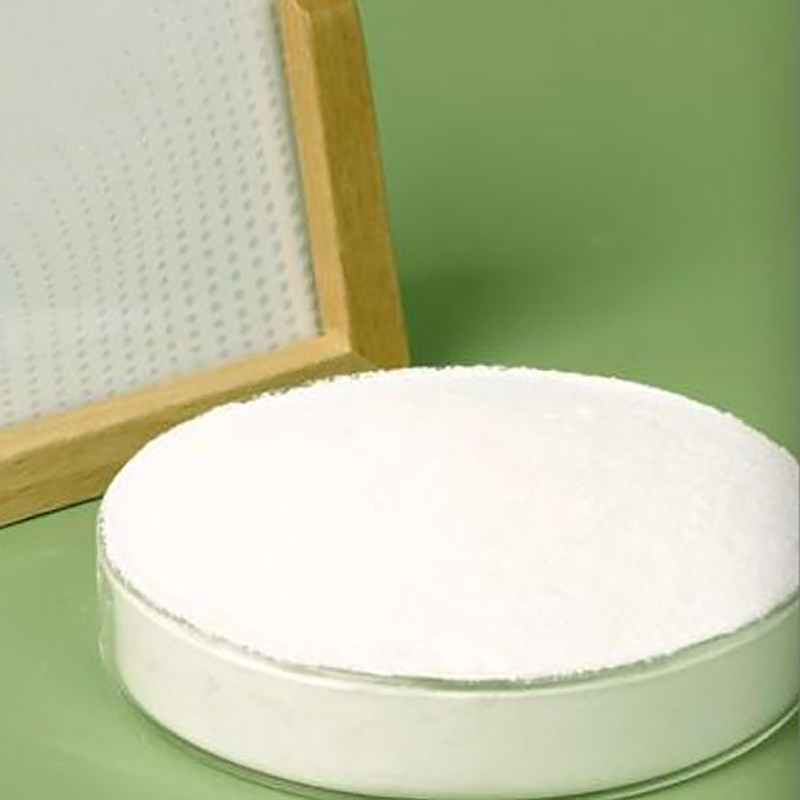
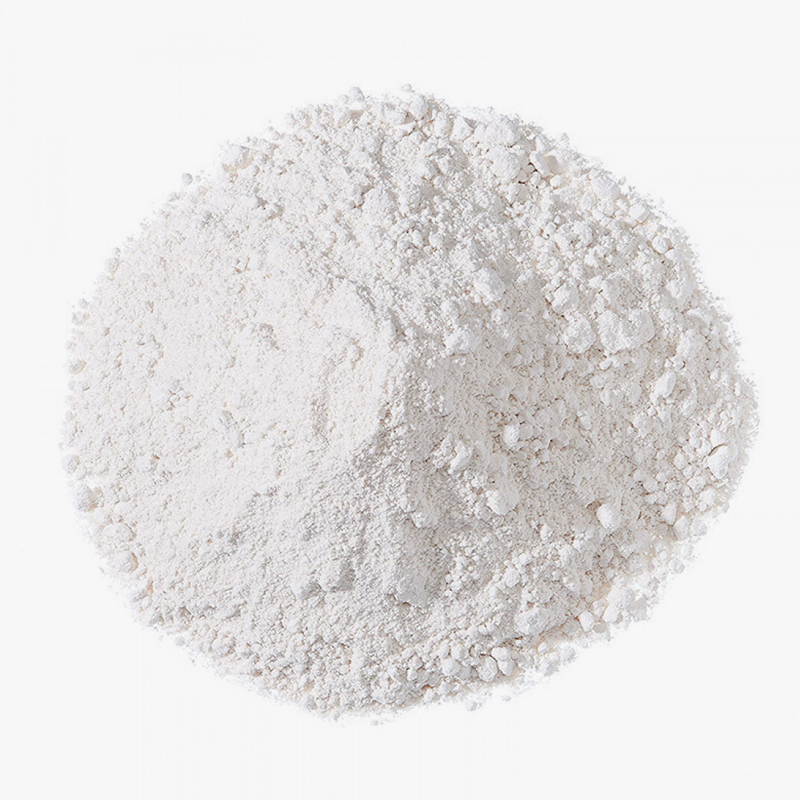 EASONZELL™ HEC Series* Daily Chemical GradeEASONZELL™ HEC* Household Chemical is a versatile and non-toxic substance available in powder or fibrous solid form, ideal for various industrial and laboratory applic...View Product →
Storing and Reviving a Batch
Bubble solution usually improves for the first day or two as the soap fully dissolves, then slowly loses strength. A few habits keep a batch usable for weeks.
- Store it in a sealed plastic bottle in a cool, dark place; two to four weeks is a realistic window.
- Discard the batch if it turns cloudy, develops a sour smell, or grows visible sediment.
- Pour from the top of the bottle and leave the last centimetre behind, along with any settled material.
- If bubbles start popping early, add a small splash of dish soap and a few drops of glycerin, then let it rest again.
Notes for Party-Supply and Toy Manufacturers
At commercial scale the priorities change from "does it work" to "does it work the same way in every bottle, in every climate." Three points matter most.
- Viscosity and wand pickup. A slightly thickened solution clings to the wand and forms a more even film. Cellulose ethers are typically dosed between 0.1% and 0.5% of the total formulation, and the exact figure depends on the target viscosity and the pumping or filling equipment you run.
- Water and preservation. Deionized water removes the hardness variable, and any water-based product that sits on a shelf needs an appropriate preservative system for its market.
- Compliance paperwork. Bubble toys sold in the United States fall under ASTM F963, and the European market applies EN 71 alongside national rules. Keep material documentation from every raw material supplier, including the polymer thickener, on file before you scale a formula.
Buying a thickener is its own decision: viscosity grade, dissolution method, and lot consistency all affect the finished product. A practical HEC purchasing guide is worth reading before you request samples.
 EASONZELL™ MP Series* Daily Chemical Grade1. As an important adhesive, it is widely used in the production of ceramic products. Its properties allow it to effectively bond ceramic materials together, ensuring ...View Product →


 Email: sarah@ys-cellulose.com
 Phone: +86-18067879812 / +86-575-82966958


