


 简体中文
简体中文 English
 русский
 عربى
عربى Español
A two-story block wall stood perfectly straight for two weeks, then thin cracks appeared along the mortar joints after the first hard freeze. The mortar type had been chosen by habit, not by specification. In masonry, the mortar mix type controls more than compressive strength; it controls how the wall handles load, moisture, and movement. This guide explains the five ASTM C270 masonry mortar mix types, shows where each one belongs on the job site, and explains why cellulose ether additives such as HEMC and HPMC are now a standard part of high-performance mortar formulations.
Content
- 1 The Five ASTM Masonry Mortar Mix Types
- 2 Compressive Strength and Field Mix Proportions
- 3 Why Cellulose Ether Additives Matter in Masonry Mortar
- 4 Choosing the Right Mortar and Additive Combination
- 5 Practical Field Considerations for Masonry Contractors
- 6 Frequently Asked Questions about Masonry Mortar Mix Types
The Five ASTM Masonry Mortar Mix Types
ASTM C270 sorts masonry mortar into five types: M, S, N, O, and K. Compressive strength decreases from M down to K, while flexibility and the ability to accommodate movement increase in the opposite direction. That strength-versus-flexibility trade-off is central to every selection decision.
Type M
Type M has the highest minimum compressive strength of the standard types at 2,500 psi (17.2 MPa). It is used for below-grade masonry, retaining walls, and other heavy-load installations. Because it is stiff, it is less forgiving of minor building movement.
Type S
Type S has a minimum compressive strength of 1,800 psi (12.4 MPa) with high bond strength to the masonry unit. It is the go-to choice for load-bearing walls, foundations, and exterior walls exposed to high wind or seismic loads.
Type N
Type N has a minimum compressive strength of 750 psi (5.2 MPa). It is a general-purpose mortar for above-grade, exterior, exposed masonry such as facades and veneers. Its balance of strength and workability makes it the most widely specified type in North American residential construction.
Type O
Type O has a minimum compressive strength of 350 psi (2.4 MPa). Use it for non-load-bearing interior walls, partitions, and repointing work. The higher lime content softens the matrix and allows moisture to move through the joint, which protects older masonry.
Type K
Type K has a minimum compressive strength of 250 psi (1.7 MPa). It is rarely required today, but it remains important for historic restoration where the original masonry units are fragile and maximum flexibility is needed.
Compressive Strength and Field Mix Proportions
Mortar strength is measured on cubes cast from the mix and tested at 28 days. The practical meaning of the ASTM C270 limits is simple: stronger mortar transfers load well, but softer mortar adapts better to building movement and thermal expansion. The chart below shows the minimum compressive strength for each type.
Minimum 28-day compressive strength, ASTM C270.
Field proportions matter as much as the strength number. The ratio of cement to lime to sand determines how the mortar performs in practice. A typical guide:
| Mortar Type | Min Strength (psi) | Field Mix (Cement:Lime:Sand) | Typical Application |
|---|---|---|---|
| Type M | 2,500 | 1 : 0.25 : 3 | Foundations, below-grade walls |
| Type S | 1,800 | 1 : 0.5 : 4.5 | Load-bearing walls, exterior sills |
| Type N | 750 | 1 : 1 : 6 | Above-grade walls, facades |
| Type O | 350 | 1 : 2 : 9 | Interior partitions, repointing |
| Type K | 250 | 1 : 3 : 10 | Historic restoration |
Why Cellulose Ether Additives Matter in Masonry Mortar
The five ASTM types describe cement, lime, and sand, but they do not explain how water behaves in a real masonry joint. Brick and block are thirsty materials. In hot, dry, or windy weather, the substrate can pull water out of fresh mortar before the cement has fully reacted. The result is a weak, dusty joint and a wall that cannot carry its design load.
Cellulose ethers solve this problem by holding water inside the mortar. Hydroxyethyl methyl cellulose (HEMC) is a nonionic cellulose ether that is widely used in masonry additive systems. When added to the mix, HEMC increases water retention, extends open time, and gives the mortar a smoother, creamier consistency. Masons can place more units before the initial set and produce a cleaner finish without re-tempering.
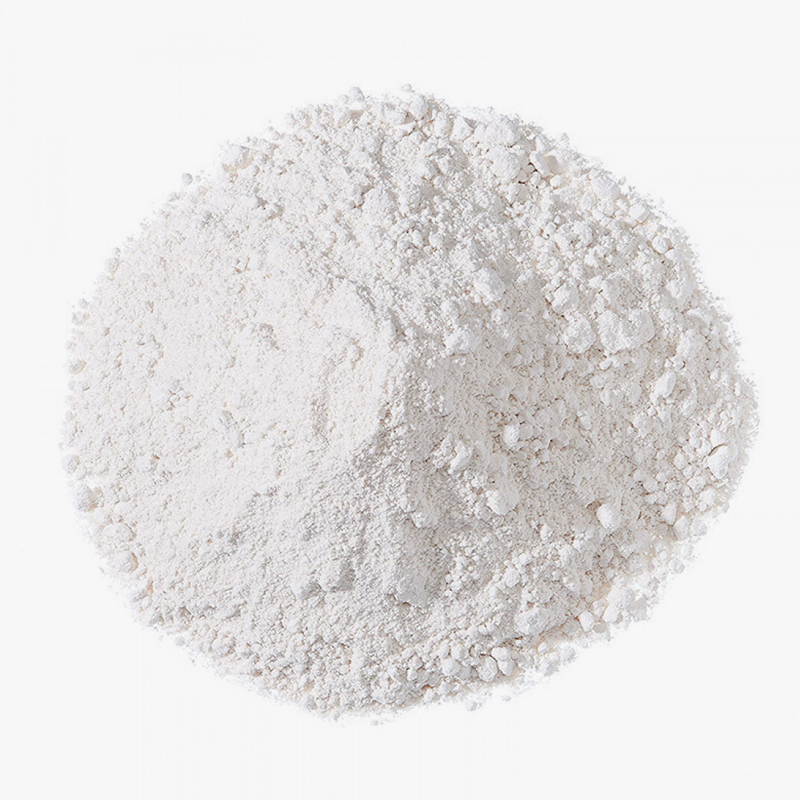
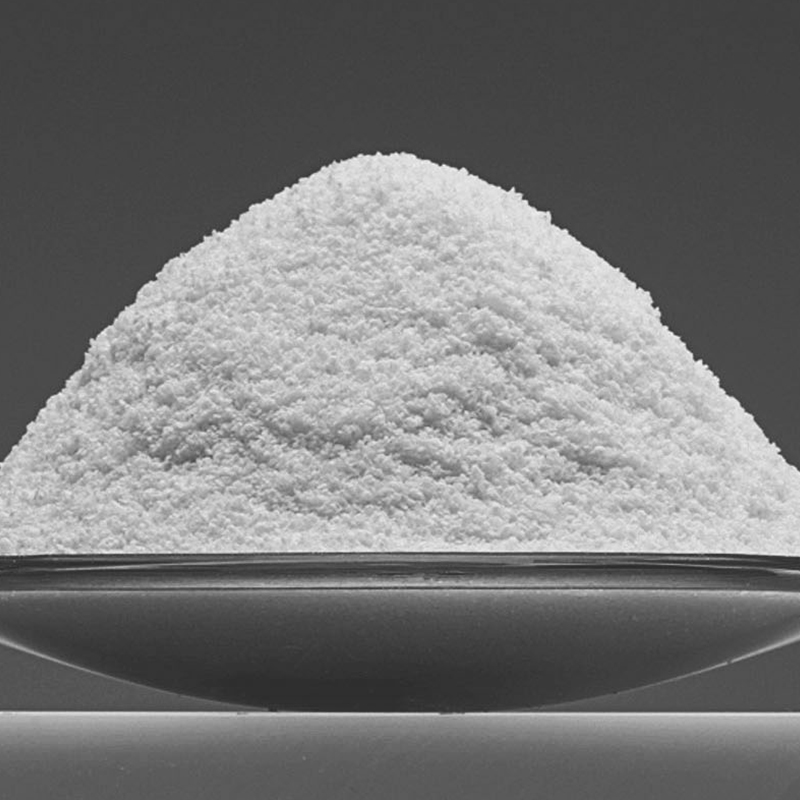 EASONZELL ME Series HEMC for Building MaterialsThis hydroxyethyl methyl cellulose is a nonionic powder that dissolves in hot or cold water, providing thickening and water retention. It suits masonry mortars that need extended open time and stable workability before hydration begins.View Product →
The effect is measurable. A standard mix without cellulose ether will bleed water quickly, while a mix containing HEMC or HPMC can hold most of the mixing water in place for the critical hydration period. The line chart below shows a typical water-retention response curve as cellulose ether dosage increases.
Typical water-retention trend for masonry mortar with increasing cellulose ether content.
Choosing the Right Mortar and Additive Combination
Selecting a mortar mix is a two-step process. First, choose the mortar type from the structural specification. Then decide whether the base mix needs an additive for workability, open time, or adhesion. The two decisions are separate but linked by the fact that the additive dose should be tuned to the substrate and the weather.
- Structural requirement: load-bearing walls need Type S or M, while Type N works for most veneers and exterior vertical surfaces.
- Substrate absorption: high-absorption units such as clay brick will pull more water from mortar, so a water-retention additive becomes more valuable.
- Application method: pumped or sprayed mortar requires a stable open time so the mix remains plastic when it reaches the nozzle.
- Climate: on hot and windy sites, water evaporates quickly; a cellulose ether can raise water retention to levels above 90% in typical formulations.
Hydroxypropyl methyl cellulose (HPMC) is often the first choice for masonry mortar because it is effective at low dosages and remains stable over a wide pH range. It also gives the mix a slightly extended set time, which helps long working chains on the scaffold and reduces the temptation to add water on the board. If you are specifying premixed products, check whether the producer already adds HPMC or another cellulose ether. If not, ask how the mix will retain water during hot weather.
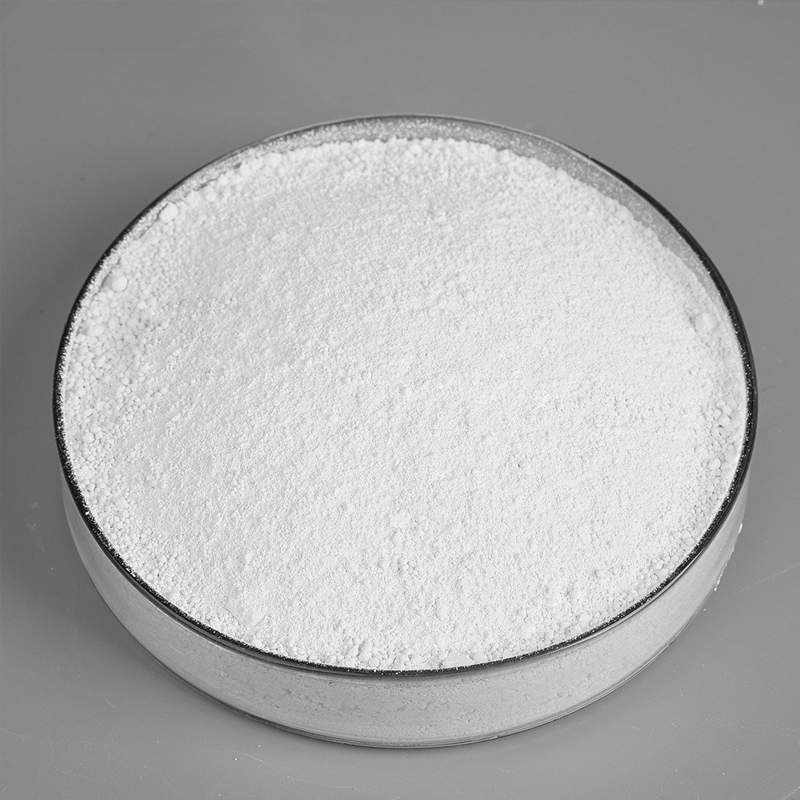
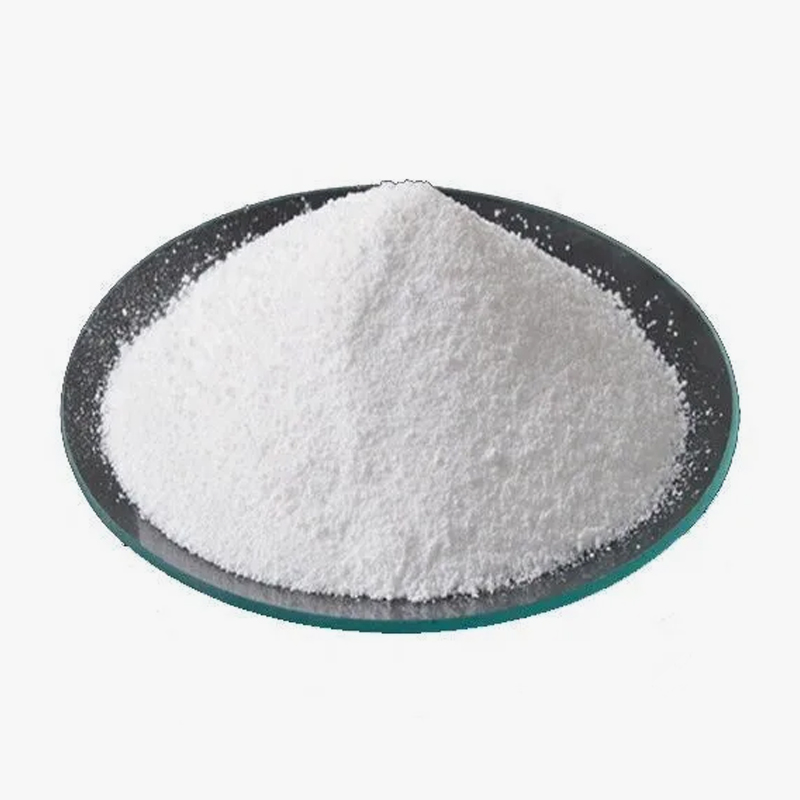 EASONZELL MP Series HPMC for Architectural MortarThis hydroxypropyl methyl cellulose acts as a water-retaining agent and retarder, improving pumpability and adhesion. It is useful in plaster, putty, and tile applications, helping reduce cement usage while sustaining working time.View Product →
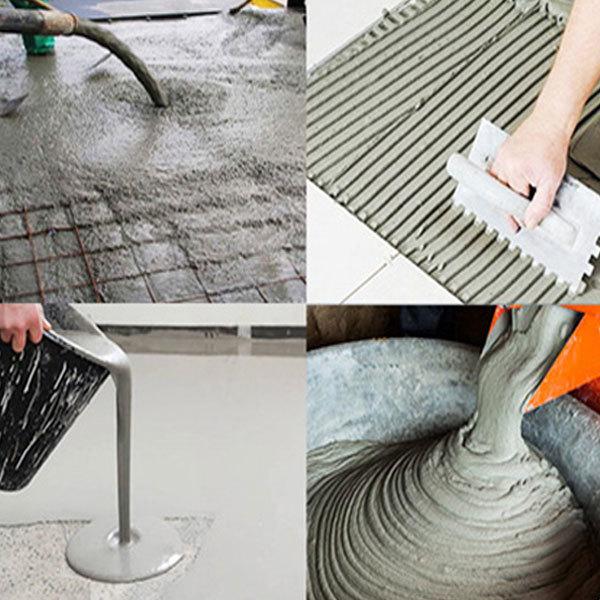
For a typical masonry mortar, a quality masonry mortar additives supplier can recommend the right addition rate based on the local sand type and target consistency. Common practice shows that using HPMC improves cement performance without requiring a higher cement dosage, which means the project can reach a given strength class with a leaner, more sustainable mix.
Practical Field Considerations for Masonry Contractors
Even the best mix type and additive package will fail if the mortar is handled poorly in the field. Batch proportions must be measured accurately, mixing time should be long enough to create a uniform paste, and water should be clean and potable. As a rule, do not retemper mortar that has already begun to set; instead, avoid mixing more than one hour before it will be placed.
The diagram below shows the mechanism that makes cellulose ethers so useful in a joint. The polymer chains form a network around cement particles and hold water molecules in place. The brick cannot absorb the water as quickly, and the cement stays hydrated longer.
Isometric sketch of water retention near the aggregate-cement interface.
For thin-bed masonry or bonding to dense concrete, redispersible polymer powder (RDP) is sometimes added to the dry mix. RDP creates a polymer film within the hardened mortar, improving flexural strength and adhesion. It also makes the joint less brittle, which is particularly helpful in renovation work where the base has a different coefficient of thermal expansion from the new masonry.
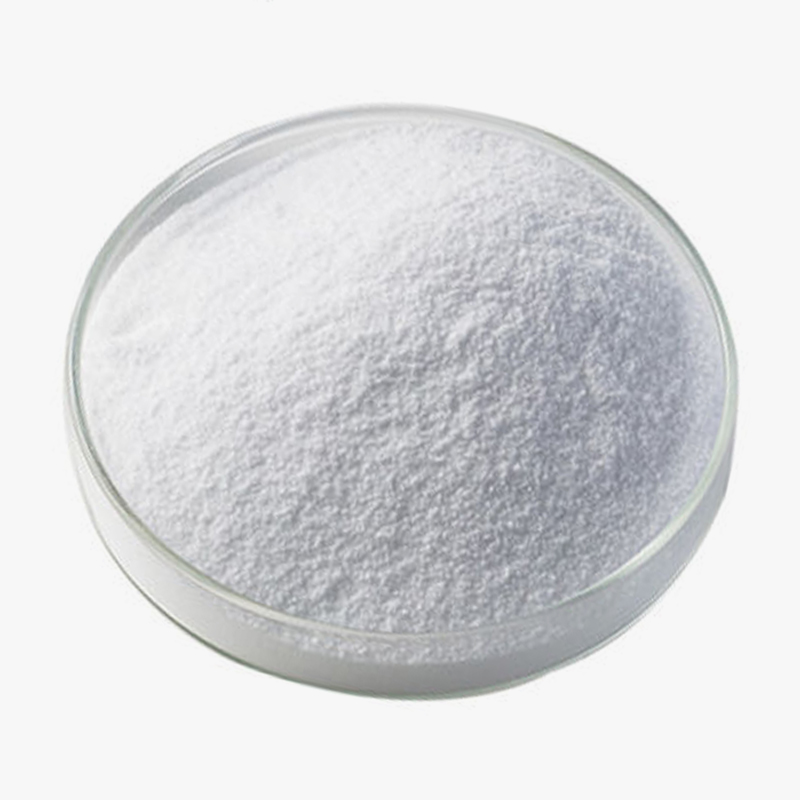
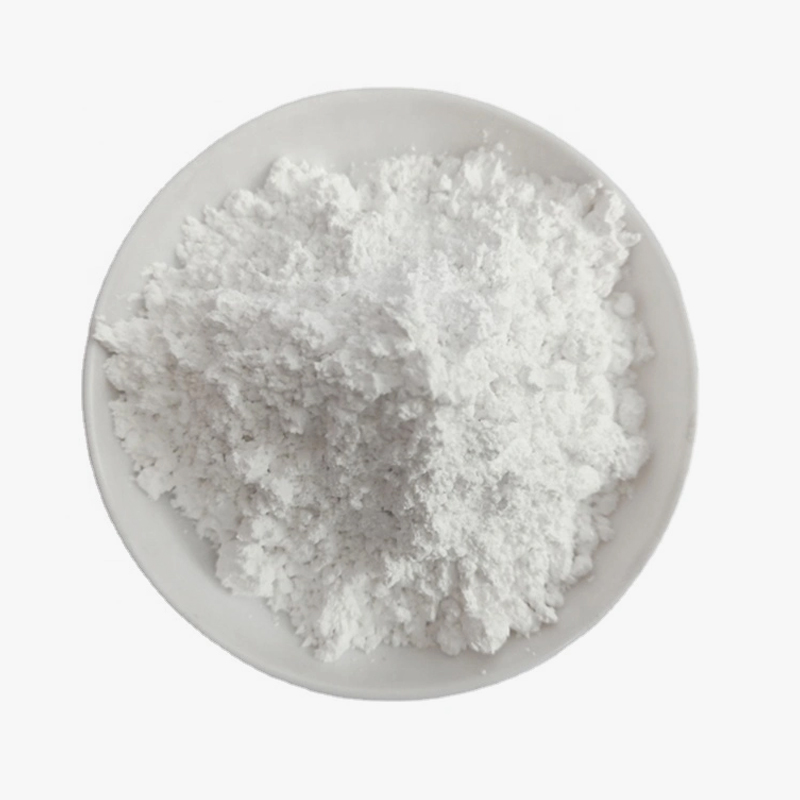
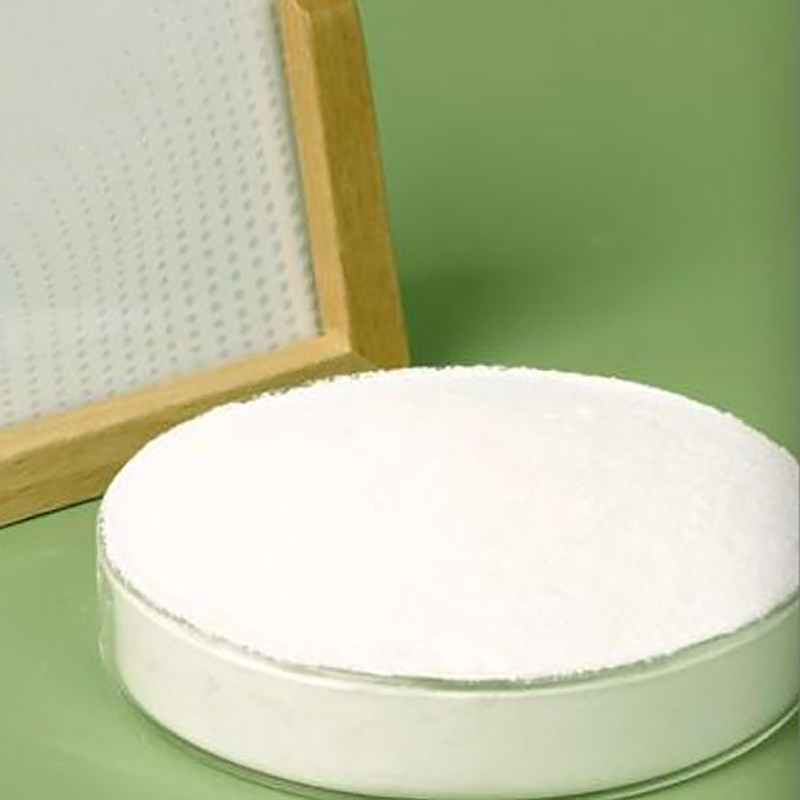
 Redispersible Polymer Powder YS-8040AThis free-flowing white powder, spray-dried from a vinyl acetate-ethylene emulsion, redisperses in water to form a flexible film. It enhances adhesion, flexural strength, and crack resistance in thin-bed mortars and renovation joints.View Product →
Finally, keep the mortar cool during mixing and place it before the initial set begins. A cellulose ether will extend the working time, but it does not replace good site discipline.
Frequently Asked Questions about Masonry Mortar Mix Types
What is the strongest masonry mortar mix type?
Type M has the highest minimum compressive strength at 2,500 psi, but Type S is often preferred when high bond strength with moderate flexibility is needed.
Can I use Type N mortar for a foundation?
No. Foundations need the moisture resistance and load transfer of Type S or M mortar. Type N is not designed for below-grade structural use.
What does 1:1:6 mean in a masonry mortar mix?
It is a field mix proportion by volume: one part Portland cement, one part lime, and six parts sand. This is the common mix for Type N mortar.
Does HPMC affect the strength of masonry mortar?
At normal dosages around 0.1 to 0.3 percent by weight of cementitious materials, HPMC mainly changes water retention and workability and does not reduce the 28-day strength.
Which mortar type is best for repointing old brickwork?
Type O or a low-strength Type N is usually safer for historic brick because it allows moisture to escape and accommodates slight movement without cracking.
What does HEMC do in masonry mortar?
Hydroxyethyl methyl cellulose absorbs and holds water in the mix, giving masons a longer open time, better board life, and more consistent hydration of the cement.


 Email: sarah@ys-cellulose.com
 Phone: +86-18067879812 / +86-575-82966958


