


 简体中文
简体中文 English
 русский
 عربى
عربى Español
Content
- 1 Quick Answer: How Much HEC Should You Use
- 2 Viscosity Grade And Dosage Relationship
- 3 HEC Dosage In Paint And Coatings
- 4 HEC Dosage In Mortar And Construction Applications
- 5 HEC Dosage In Detergent And Personal Care Formulations
- 6 How To Calculate HEC Concentration In Water
- 7 Step By Step Guidance For How To Use HEC Properly
- 8 Matching Viscosity Grade To Performance Needs
- 9 Mixing Equipment And Dispersion Setup
- 10 Troubleshooting Common HEC Dosing Problems
- 11 Choosing A Reliable HEC Hydroxyethyl Cellulose Supplier
- 12 Frequently Asked Questions
- 12.1 Why Is My HEC Not Dissolving
- 12.2 Why Does HEC Form Lumps
- 12.3 How Do I Prevent HEC From Clumping
- 12.4 What Is Hydroxyethyl Cellulose
- 12.5 What Is HEC Used For
- 12.6 What Are The Properties Of HEC
- 12.7 Does HEC Improve Paint Viscosity
- 12.8 What Does HEC Do In Mortar
- 12.9 Can HEC Be Used In Tile Adhesive
Quick Answer: How Much HEC Should You Use
Most day to day thickening jobs call for an HEC Hydroxyethyl Cellulose dosage somewhere between roughly 0.1 percent and 1.5 percent by weight of the formulation, but the right number depends on the application, the viscosity grade selected, and how much water is available for hydration. The quick reference list below gives typical starting ranges, and every section after it explains the reasoning behind those numbers in more detail.
- Paint And Coatings - roughly 0.1 percent to 1.0 percent depending on the coating type
- Dry Powder Mortar And Tile Adhesive - roughly 0.05 percent to 0.35 percent of the dry mix
- Liquid Detergent - roughly 0.1 percent to 0.5 percent
- Cosmetics And Personal Care - roughly 0.2 percent to 2.0 percent depending on target texture
- Standard Test Solution - a 1 percent or 2 percent solution in water is the common convention for reporting viscosity grade
Viscosity Grade And Dosage Relationship
HEC dosage and viscosity grade move in opposite directions for a given thickening target. A low viscosity grade needs a comparatively higher dosage to reach the same body in a formulation, while a high viscosity grade reaches that same body at a noticeably lower dosage. This relationship is one of the first things worth checking before assuming a formulation problem is a dosage problem, since simply switching to a higher viscosity grade at a lower use level can sometimes solve both a thickening shortfall and a raw material usage question at the same time.
Typical Dosage By Viscosity Grade For Similar Thickening
Illustrative dosage reference for a comparable thickening target, actual figures vary by formulation
Viscosity grade itself is commonly reported using a standardized 2 percent solution in water measured on a rotational viscometer at a set temperature, a convention widely used across cellulose ether technical data sheets so that different grades can be compared on equal footing.
HEC Dosage In Paint And Coatings
HEC dosage in paint depends heavily on the target rheology profile, the pigment volume concentration, and whether the formulation already includes another thickener working alongside it. As a general starting point, interior wall paint formulations commonly use HEC in the lower to middle part of the usable range, since the goal is smooth roller application without excessive drag, while textured or heavy bodied coatings often sit toward the higher end to support sag resistance on vertical surfaces.
Formulators generally add HEC toward the later stage of the letdown process, after most of the water and dispersing agent are already in the batch, since introducing it too early alongside high shear pigment grinding can shear the polymer chain and reduce the final viscosity contribution.
HEC Dosage In Mortar And Construction Applications
HEC dosage in mortar and other dry powder construction products is usually expressed as a percentage of the total dry mix weight, and it tends to sit lower than paint dosage because the polymer is working within a much larger overall batch. HEC dosage in construction formulations mainly targets water retention, open time, and workability rather than pure viscosity building, which is why even a modest addition level can produce a noticeable change in how a mortar handles on the trowel.
| Application | Typical Dosage Of Dry Mix | Main Purpose |
|---|---|---|
| Tile Adhesive | 0.15% To 0.30% | Open time and sag resistance |
| Skim Coat And Wall Putty | 0.10% To 0.25% | Workability and smooth finishing |
| Self Leveling Compound | 0.05% To 0.15% | Flow control without excess thickening |
| EIFS And Render Systems | 0.15% To 0.35% | Water retention and application consistency |
Why Water Retention Matters As Much As Thickening
In cement based systems, HEC slows the rate at which mixing water leaves the mortar through absorption into a porous substrate, which gives cement more time to hydrate properly and helps maintain bond strength. A mortar that loses water too quickly after application often shows reduced adhesion even when the dry formulation itself was correctly proportioned.
HEC Dosage In Detergent And Personal Care Formulations
HEC dosage in detergent formulations typically stays on the lower end of the usable range, since liquid detergents mainly need enough body to suspend particles and give the product a pleasant pour without becoming difficult to dispense. HEC dosage in cosmetics and personal care products covers a wider span, since a lightweight lotion and a thick styling gel sit at very different points on the viscosity spectrum despite both potentially using the same polymer family.
| Application | Typical Dosage Range | Common Role |
|---|---|---|
| Liquid Laundry Detergent | 0.1% To 0.5% | Thickener and suspension stabilizer |
| Shampoo And Body Wash | 0.2% To 1.0% | Viscosity builder and suspending aid |
| Lotion And Cream | 0.3% To 1.5% | Texture modifier and stabilizer |
| Toothpaste | 0.5% To 2.0% | Binder and consistency control |
How To Calculate HEC Concentration In Water
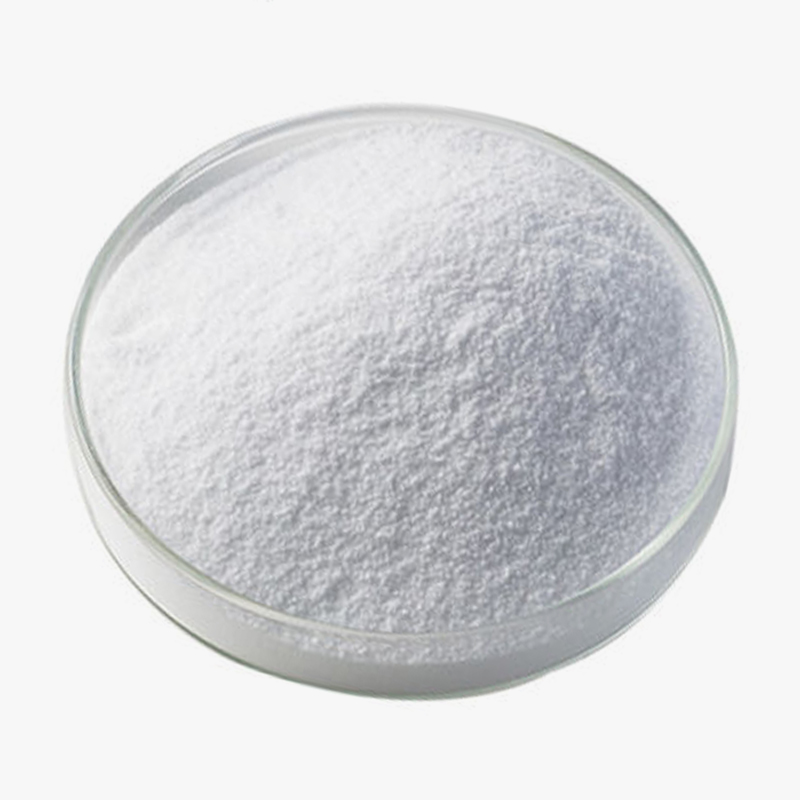
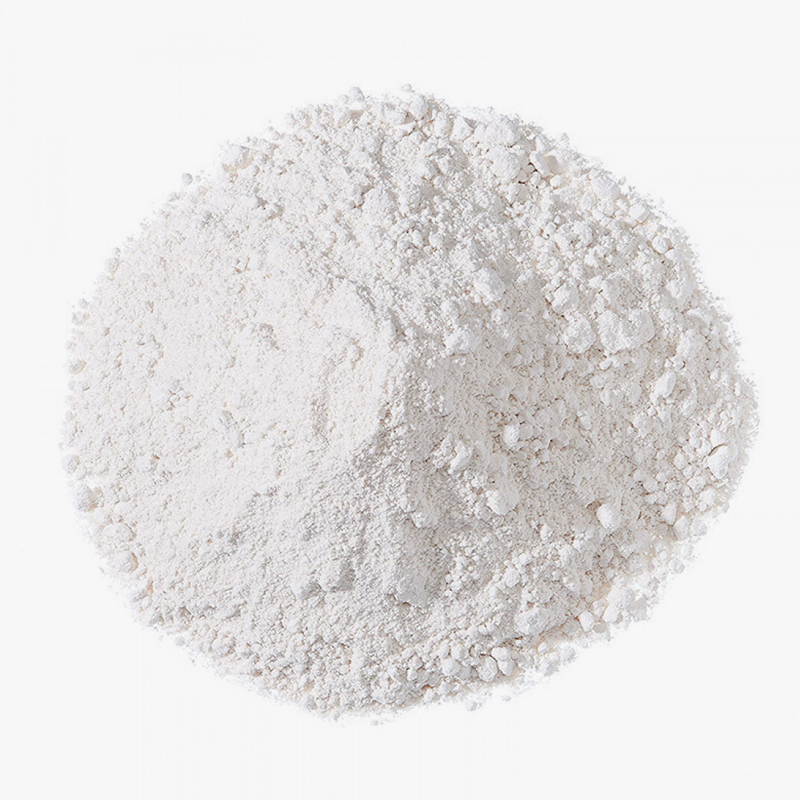
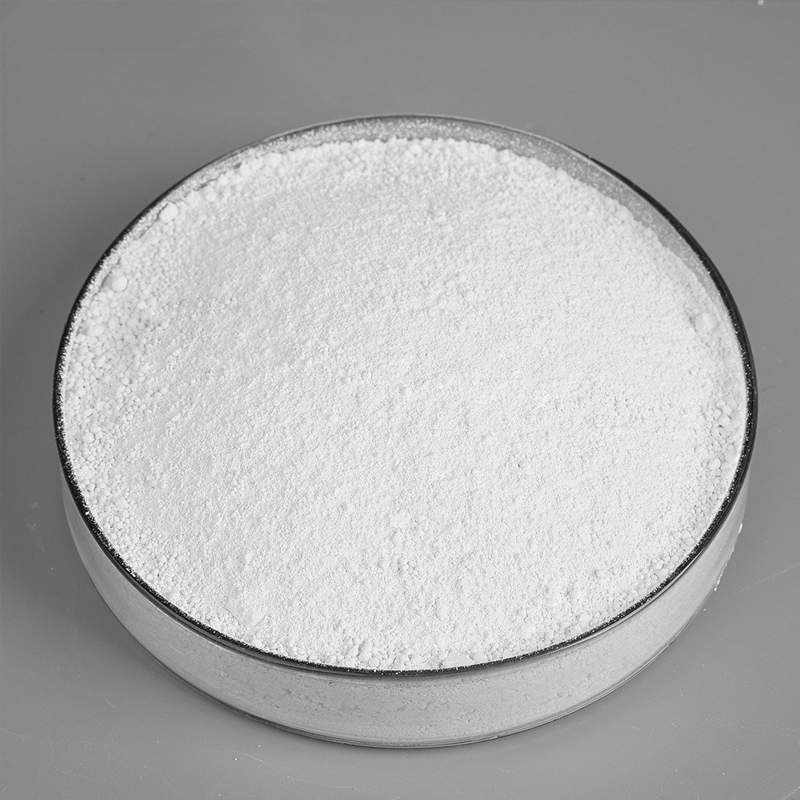
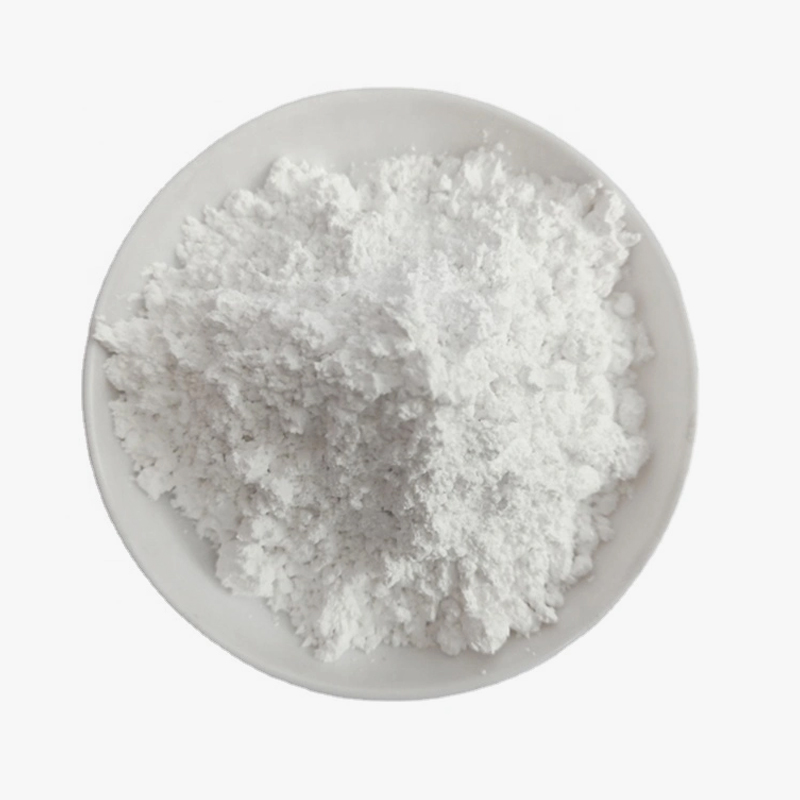
HEC concentration in water is simply the weight of HEC powder divided by the total weight of the finished solution, expressed as a percentage. For a batch that will contain other ingredients later, it helps to calculate the HEC portion against the water phase first, then adjust once the rest of the formulation is added, since diluting the batch further will lower the effective concentration.
| Target Concentration | HEC Weight | Water Weight | Total Solution |
|---|---|---|---|
| 0.5% | 5g | 995g | 1000g |
| 1.0% | 10g | 990g | 1000g |
| 1.5% | 15g | 985g | 1000g |
| 2.0% | 20g | 980g | 1000g |
Relative Viscosity Increase Across HEC Concentration
High Viscosity GradeMedium Viscosity GradeLow Viscosity Grade
Conceptual illustration of concentration versus relative viscosity, not measured data from a specific batch
Step By Step Guidance For How To Use HEC Properly
Knowing how much HEC to use only helps if the powder is actually added and hydrated correctly, since a poor dispersion step can waste part of the intended dosage in undissolved lumps. The sequence below covers a general approach for how to use HEC in a water based batch.
- Start agitation in the mixing vessel before adding any powder, so a visible vortex is already forming on the water surface
- Sprinkle the HEC powder slowly and steadily into the moving vortex rather than adding it all at once
- Keep agitation running at a moderate speed during the addition and for a short period afterward to avoid trapping dry pockets
- Allow adequate hydration time, often between thirty and sixty minutes depending on the grade, before checking viscosity or adding other ingredients
- Check the batch visually and with a viscometer if available, then adjust dosage on the next batch rather than adding more HEC mid-process once partial gelling has begun
When A Dispersing Aid Or Pre-Blend Helps
Some formulators pre-blend HEC with part of the dry filler, sugar, salt, or another compatible powder before introducing it to water, which physically separates the cellulose ether particles and reduces the chance of clumping. This approach is particularly useful in high dosage or high viscosity grade applications where the polymer swells quickly on contact with water.
Matching Viscosity Grade To Performance Needs
Beyond dosage, each viscosity grade brings a different balance of practical performance traits, so the right choice depends on which of these traits matters most for a given process. A formulator prioritizing fast dissolution on a tight production schedule may lean toward a lower viscosity grade even if it means using a somewhat higher dosage, while a formulator chasing maximum water retention in a mortar may accept slower dissolution in exchange for a smaller addition level.
Viscosity Grade Performance Comparison
Low ViscosityMedium ViscosityHigh Viscosity
General characteristic comparison based on typical grade behavior, not a specific product test result
Mixing Equipment And Dispersion Setup
The mixing setup used to introduce HEC into water has a direct effect on how well a given dosage performs, since even the correct amount of powder will underperform if a large share of it never fully hydrates. A dedicated dispersion tank with a variable speed agitator, a slow and controlled powder feed, and a clear water inlet positioned to create a stable vortex all support consistent results from batch to batch.
Typical HEC Dispersion And Mixing Setup
Simplified structural illustration, actual dispersion equipment varies by batch size and process
Water temperature also plays a role in dispersion quality, since HEC hydrates more slowly in cold water and more quickly as temperature rises, up to the point where the specific grade begins to show thermal gelling behavior, so checking the recommended temperature window for the grade in use is a reasonable step before scaling up a batch.
Troubleshooting Common HEC Dosing Problems
Most dosing problems with HEC trace back to how the powder was introduced to water rather than the dosage number itself, so working through the addition process is often more productive than simply increasing or decreasing the amount used.
| Symptom | Common Cause | Suggested First Check |
|---|---|---|
| Powder floats and will not dissolve | Added too fast into still water | Slow the addition rate and increase agitation |
| Visible lumps or fisheyes in solution | Outer particle layer swelled before full hydration | Disperse through a sieve or pre-blend with dry filler |
| Viscosity lower than expected | Incomplete hydration time or excess shear during processing | Extend hydration time and review upstream shear steps |
| Viscosity too high or batch too thick | Dosage set for a lower viscosity grade than the one on hand | Confirm the grade against the dosage chart before adjusting |
Choosing A Reliable HEC Hydroxyethyl Cellulose Supplier
Beyond the dosage chart, the consistency of the HEC itself from batch to batch has a direct effect on whether a formulation performs the same way every time it is mixed. A supplier with stable production, clear technical data sheets, and the ability to explain how a given grade behaves in a specific application makes it easier to lock in a dosage and keep it stable over time.
Zhejiang Yisheng New Material Co., Ltd. is one example of a China Hydroxyethyl Cellulose Manufacturer, based in the Shangyu Economic and Technological Development Zone within the Hangzhou Bay National Industrial Park. The company produces a full range of cellulose ether products, including HEC, HEMC, and HPMC, with an annual production capacity of 15,000 tons, and supplies formulators working in oilfields, coatings, dry powder mortar, cosmetics, personal care products, and other water based systems.
When evaluating any HEC Hydroxyethyl Cellulose supplier, it generally helps to request a small sample batch for in house dosage trials before committing to a larger order, since even a well documented grade can behave slightly differently once it meets a specific formulation, water source, and mixing setup.
Frequently Asked Questions
Why Is My HEC Not Dissolving
HEC that will not dissolve is usually the result of adding powder too quickly into still water, letting particles clump together before they can hydrate individually, or using water that is too cold or already carrying a high salt or alcohol load. Sprinkling the powder slowly into a moving vortex and allowing enough hydration time before adding other ingredients generally resolves the issue.
Why Does HEC Form Lumps
Lumps form when dry particles come into contact with water faster than they can absorb it individually, so the outer layer of each particle swells and traps dry powder inside, sometimes called fisheye. Reducing addition speed, dispersing the powder through a sieve, and keeping the mixer running throughout the addition step all help prevent this.
How Do I Prevent HEC From Clumping
Preventing clumping mostly comes down to how the powder meets the water, so adding HEC slowly and steadily into a vortex created by moderate agitation spreads hydration evenly across the batch. Some formulators also pre-blend HEC with part of the filler or another dry ingredient before introducing it to water to further separate individual particles.
What Is Hydroxyethyl Cellulose
Hydroxyethyl cellulose, commonly abbreviated HEC, is a water soluble, non-ionic cellulose ether derived from natural cellulose through a chemical modification process, valued for its ability to thicken, stabilize, and retain water within a formulation.
What Is HEC Used For
HEC is used across coatings, dry powder mortar and construction products, personal care and cosmetic formulations, detergents, oilfield fluids, and other water based systems, mainly as a thickener, rheology modifier, water retention aid, and suspension stabilizer.
What Are The Properties Of HEC
HEC is generally described as a non-ionic, cold and hot water soluble polymer that builds viscosity smoothly across a wide pH range, stays compatible with many other water soluble ingredients, and shows pseudoplastic flow behavior, thinning under shear and recovering once shear is removed.
Does HEC Improve Paint Viscosity
Yes, HEC is widely used in latex and emulsion paint formulations specifically to build and control viscosity, helping the paint resist sagging on vertical surfaces while still spreading smoothly under the shear of a brush or roller.
What Does HEC Do In Mortar
In dry powder mortar systems, HEC mainly improves water retention, which keeps the mix workable for longer after mixing and supports proper cement hydration, while also contributing to workability and sag resistance in vertical or overhead application.
Can HEC Be Used In Tile Adhesive
HEC can be used in tile adhesive formulations, where it typically supports open time, sag resistance, and water retention, though many cement based tile adhesive formulations favor HEMC or MHEC for higher water retention at a lower dosage, so the specific grade and blend should be selected based on the target open time and bond strength requirements.

 Email: sarah@ys-cellulose.com
 Phone: +86-18067879812 / +86-575-82966958


