


 简体中文
 English
 русский
 عربى
 Español

A 400 µm wet drawdown on a vertical glass panel tells you more about sag risk than a full specification sheet. If the film starts creeping within the first minute or two and thickens at the bottom edge, raising the Stormer viscosity will not rescue the batch. The problem sits in the low-shear region of the rheology curve, well below the 100 KU point most quality benches measure.
The short answer: HEC for anti-sag paint formulation is, in practice, a question about low-shear rheology rather than total thickener loading. Hydroxyethyl cellulose remains the most practical way to build that structure into a waterborne emulsion paint, and it is usually the cheapest sag resistance you can buy per kilogram. The result, however, depends far more on grade selection, dosage and dispersion method than on how much powder goes into the mill.
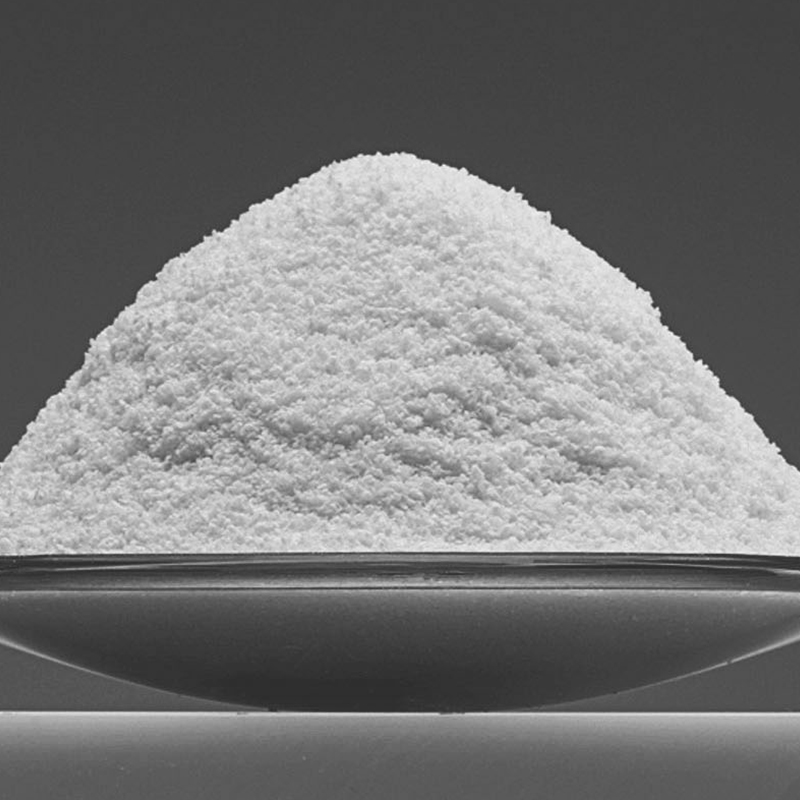
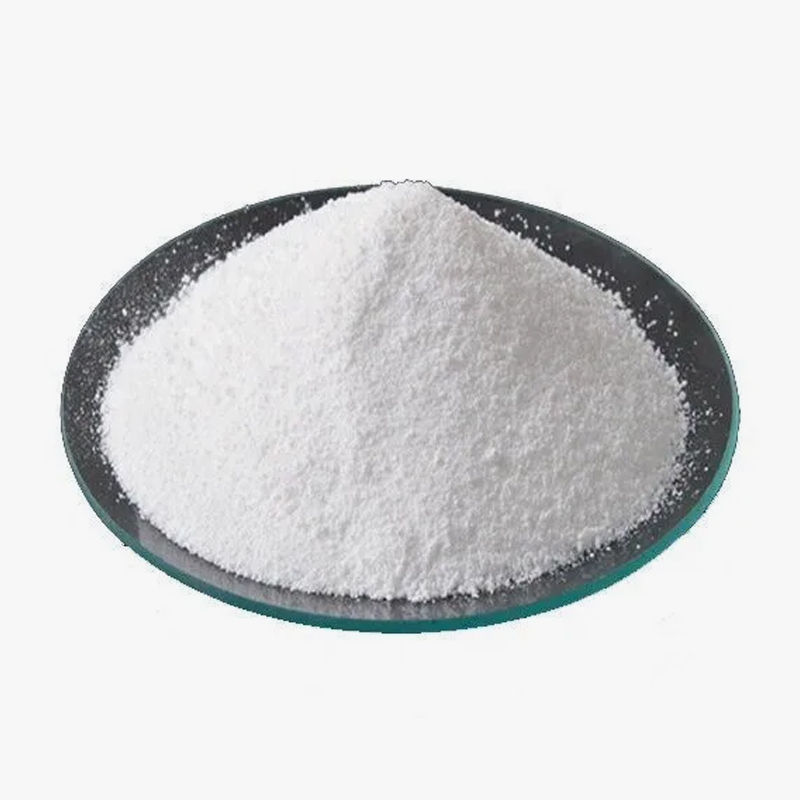
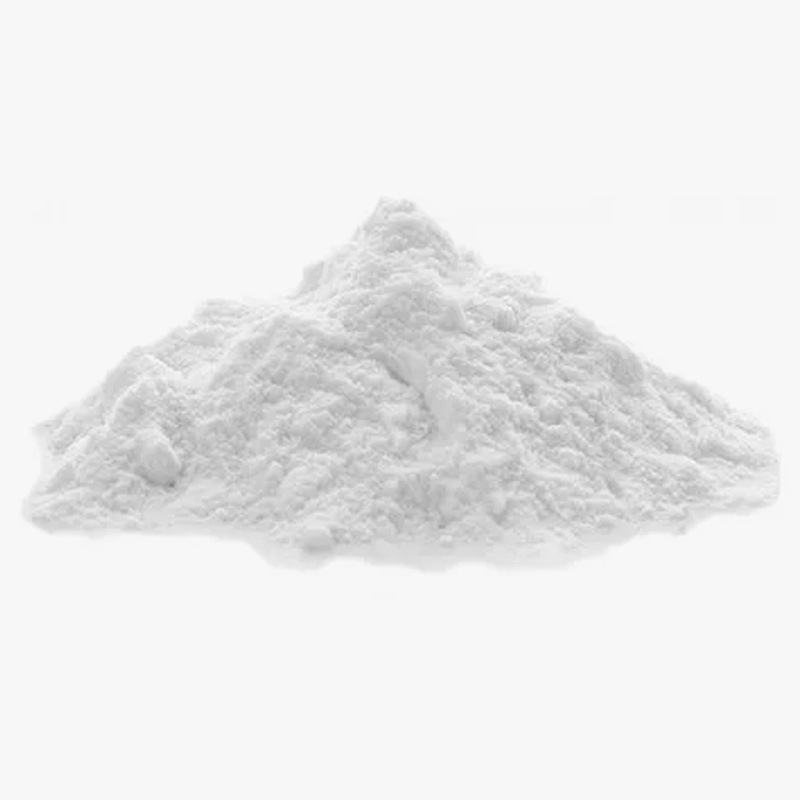
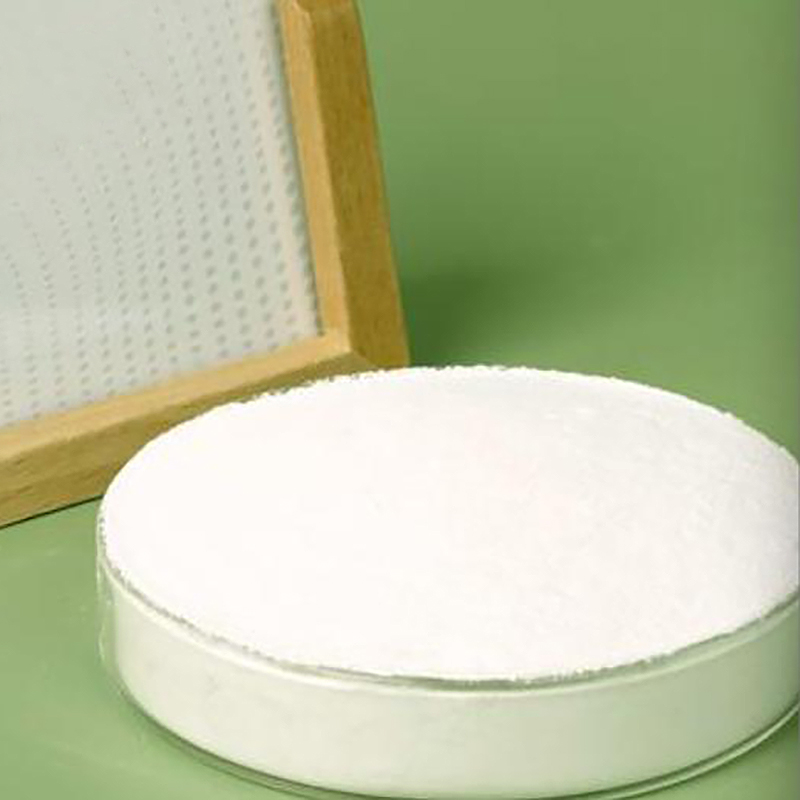
Hydroxyethyl cellulose is a nonionic cellulose ether. Dissolved in water it does not behave like a salt thickener: the hydroxyethyl groups bind water and the long backbone chains entangle into a loose three-dimensional network. At rest, that network resists flow. Under the high shear of a brush or roller it breaks down and the paint flows out. When shear stops, the network rebuilds, and how quickly it rebuilds is what separates a clean film from a sagging one.
Content
- 1 What HEC Changes Inside a Wet Film
- 2 Reading the Rheology Curve Behind Sag
- 3 Choosing the Right HEC Grade for Anti-Sag Performance
- 4 Dosage, Dispersion and the Mistakes That Cause Sag
- 5 HEC Alongside HASE, HEUR and Clay
- 6 Quality Checks and Sourcing Points Worth Writing Into the Contract
- 7 Common Questions from Paint Manufacturers
What HEC Changes Inside a Wet Film
Sag is gravity acting on a film that has not yet developed enough structure to carry its own weight. HEC influences that balance through three properties, and all three matter at once.
- Low-shear viscosity and yield value. This is the property that holds a 300–500 µm wet film on a vertical wall. Cellulose ethers contribute more low-shear body per kilogram than HASE or HEUR thickeners, which is why HEC is still the default anti-sag component in matt and mid-sheen wall paints.
- Recovery rate. Structure that rebuilds instantly prevents sag but also freezes brush marks and roller stipple. Structure that rebuilds too slowly lets the film creep. The usable window is narrow, and it shifts with temperature, pigment volume concentration and co-solvent level.
- Water retention and open time. Cellulose ethers hold water in the film, slowing skinning and keeping the surface mobile long enough to level. That helps appearance, but it also extends the period during which the film can sag, so the two effects have to be traded off deliberately.
Reading the Rheology Curve Behind Sag
Plot viscosity against shear rate and the shape of the curve explains most field failures. The chart below compares the same emulsion at two HEC loadings; the vertical gap at the left is where sag is decided.
Two things are worth noting. First, the gap between the curves is widest at low shear, exactly where sag happens and where a flow cup cannot see. Second, both curves converge at high shear, so brushing feel, spatter and film build may look identical even when one batch sags and the other holds. A formulator who checks only efflux time is working blind on the one property that matters.
The standard laboratory check is ASTM D4400, run on a sag meter that draws stripes of increasing wet thickness on a vertical panel; the anti-sag index is the thickest stripe that does not bridge to its neighbour. The objective is not the highest number you can reach but a comfortable margin over the film thickness actually applied on site, including high-build rollers and hot weather.
Choosing the Right HEC Grade for Anti-Sag Performance
HEC is sold by viscosity grade, and grade choice does more for sag control than small dosage adjustments. Waterborne coating grades are usually classified by the viscosity of a 2% solution, commonly around 30,000, 50,000 and 100,000 mPa·s. A higher grade delivers more low-shear body per kilogram, but it also disperses less easily, raises spatter and increases brush drag.
Three further parameters deserve a place in the technical conversation with any supplier:
- Delayed solubility. Surface-treated grades do not swell until the pH rises, which allows them to be dispersed in the pigment grind without lump formation. Untreated grades need careful addition under high shear.
- Degree of substitution. A higher DS generally means better solubility, clearer solutions and more resistance to enzymatic breakdown, which matters in waterborne products stored warm.
- Particle size and fines content. Finer powder dissolves faster but generates dust and can cause fish eyes if it wets unevenly.
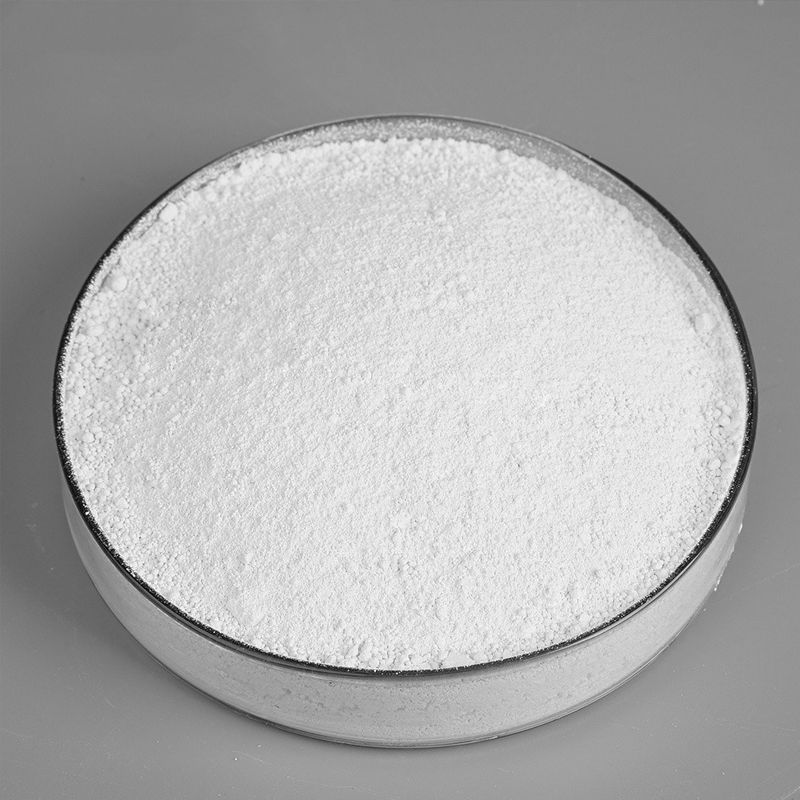 EASONZELL HEC Series for Water-Based CoatingsDedicated hydroxyethyl cellulose grades for wall paints, primers and mid-sheen topcoats, with viscosity build tuned for pigment suspension and film hold in water-based coatings.View Product →
For wall paints, primers and mid-sheen topcoats, the dedicated HEC grades for water-based coatings are the logical starting point because their viscosity build has been tuned for pigment suspension and film hold rather than for drilling fluids or personal care. Ask for the grade's solution viscosity, DS range and particle size distribution before running a panel test.
Dosage, Dispersion and the Mistakes That Cause Sag
Dosage for HEC in a conventional interior or exterior emulsion typically falls in the 0.3–1.0% range on total formula weight, with the exact figure driven by pigment volume concentration, binder type and target film build. Below that window there is not enough network to hold the film; well above it, leveling and scrub resistance both suffer and the paint starts to look short and stiff on the wall.
| Symptom | Likely cause | What to change |
|---|---|---|
| Film creeps within the first minute on a vertical panel | Insufficient low-shear structure | Small dosage increase, or move up one viscosity grade |
| Brush marks and roller stipple stay visible | Structure recovers too fast, or loading is excessive | Reduce HEC and recover high-shear flow with a small HEUR addition |
| Lumps or fish eyes in the batch | Powder wetted unevenly | Use a surface-treated grade, add under high shear, adjust pH after dispersion |
| Lab panel passes, site film sags | Field wet film thicker than the lab drawdown | Test at the real wet film thickness and at elevated temperature |
| Viscosity falls during storage | Enzymatic or microbial attack, or incompatibility with the preservative | Check the preservative system and confirm the grade's enzyme resistance |
HEC Alongside HASE, HEUR and Clay
No modern paint relies on a single thickener. The useful question is not which one wins, but which part of the rheology curve each one should own.
A common pattern is an HEC base for in-can body and sag resistance, plus a small dose of HEUR to restore high-shear leveling and film build. HASE sits between the two: more low-shear body than HEUR, better flow than HEC, but pH-dependent and less robust in deep tint bases.
Clay thickeners build low-shear structure cheaply as well, yet they raise gloss loss, mud-cracking risk and tint strength variation, which is why they appear mostly in primers and texture products rather than tinted topcoats. To compare the surrounding categories for primers, topcoats and texture finishes side by side, see the range of architectural coatings additives.
Quality Checks and Sourcing Points Worth Writing Into the Contract
Anti-sag performance is easy to lose between shipments, so a few incoming checks are worth building into the specification rather than trusting the certificate alone:
- Solution viscosity: Brookfield reading of a 2% solution at 20 rpm and 25 °C, with a stated tolerance band.
- Moisture content and insoluble residue, both of which shift viscosity build in the finished paint.
- pH of the aqueous solution, which should sit close to neutral for most emulsion systems.
- Particle size distribution or sieve residue, since coarse fractions slow dissolution and fine fractions create dust and lumps.
- Degree of substitution, by Zeisel or NMR, as an indicator of consistency between lots.
- A reference paint trial: Stormer viscosity by ASTM D562 and anti-sag index by ASTM D4400 on the same formula each time.
Storage matters as much as specification. HEC is hygroscopic; bags left open or pallets sitting on a damp floor will skin, and a skinned powder disperses badly no matter how good the grade is. Keep stock dry, reseal opened bags and rotate on a first-in, first-out basis.

 Email: sarah@ys-cellulose.com
 Phone: +86-18067879812 / +86-575-82966958


