


 简体中文
 English
 русский
 عربى
 Español

Content
- 1 What Is HEC? A Direct Answer
- 2 Hydroxyethyl Cellulose Properties and Benefits
- 3 HEC Powder Technical Specifications
- 4 How Hydroxyethyl Cellulose Works Inside a Formulation
- 5 Seven Key Uses of Hydroxyethyl Cellulose at a Glance
- 6 HEC in Water Based Paints and Coatings
- 7 HEC in Oilfield Drilling and Completion Fluids
- 8 HEC in Personal Care and Liquid Detergents
- 9 HEC in Construction, Polymerization, Paper and Textile
- 10 How Viscosity Grade and Concentration Change Results
- 11 HEC Compared with HEMC and HPMC
- 12 How to Dissolve HEC Powder Without Lumps
- 13 How to Choose a Hydroxyethyl Cellulose Grade
- 14 Storage and Handling of HEC Powder
- 15 About Zhejiang Yisheng New Material Co., Ltd.
- 16 Hydroxyethyl Cellulose FAQ
- 16.1 Q1. What is hydroxyethyl cellulose used for?
- 16.2 Q2. What is the difference between HEC and cellulose?
- 16.3 Q3. Is hydroxyethyl cellulose water soluble?
- 16.4 Q4. What is the CAS number of HEC?
- 16.5 Q5. Is HEC a nonionic cellulose ether?
- 16.6 Q6. What properties affect HEC performance?
- 16.7 Q7. How do you dissolve HEC powder in water?
- 16.8 Q8. How to dissolve HEC powder without lumps?
- 16.9 Q9. How long does HEC take to hydrate?
- 16.10 Q10. How much HEC is used in latex paint?
What Is HEC? A Direct Answer
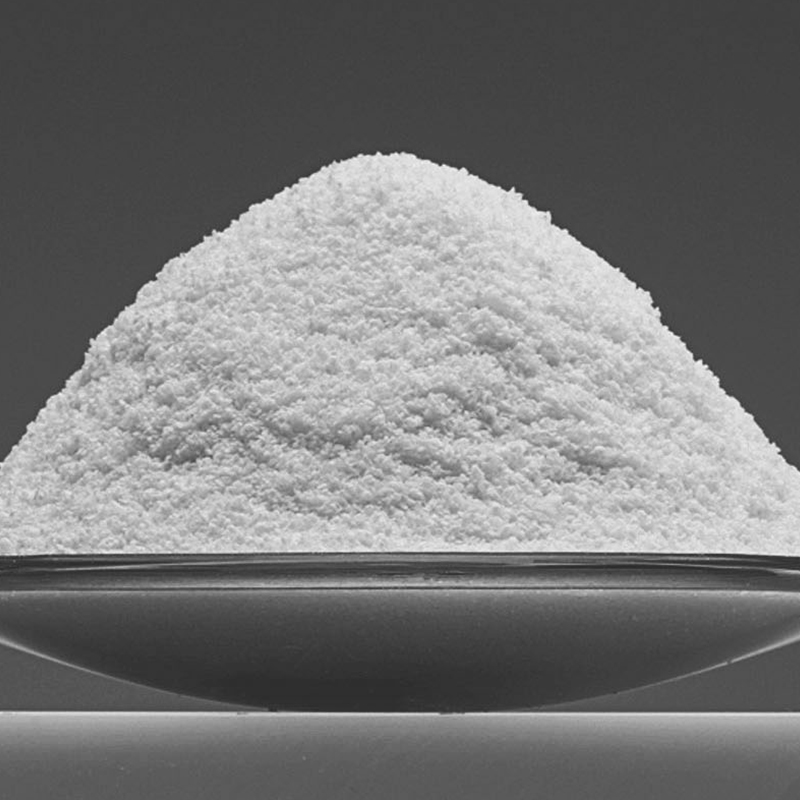
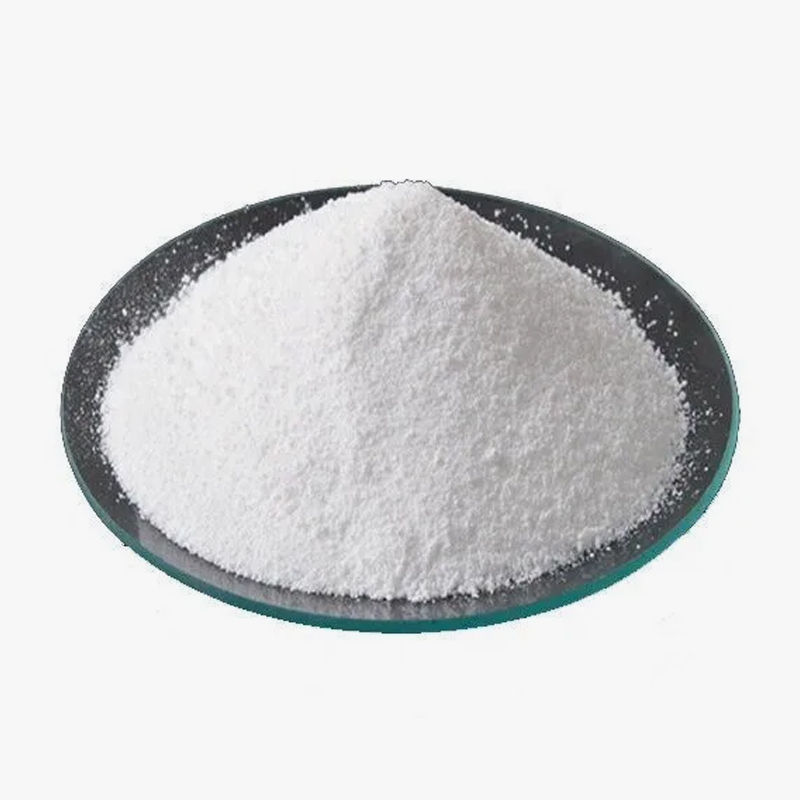
HEC is the short name for Hydroxyethyl Cellulose, a nonionic, water soluble polymer made by reacting natural cellulose with ethylene oxide. It thickens water based systems, holds water, keeps particles evenly suspended and forms smooth, clear films. The seven most common uses are water based paints, oilfield drilling and completion fluids, shampoo and clear gels, industrial liquid detergents, construction mortar and putty, emulsion polymerization, and paper or textile processing.
Full nameHydroxyethyl Cellulose
CAS number9004-62-0
Ionic characterNonionic cellulose ether
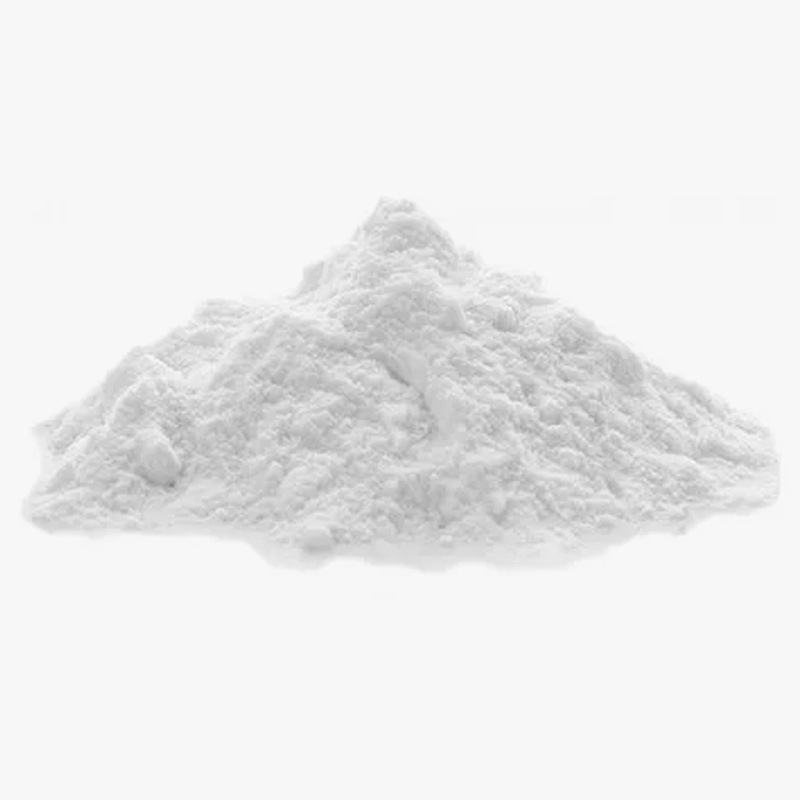
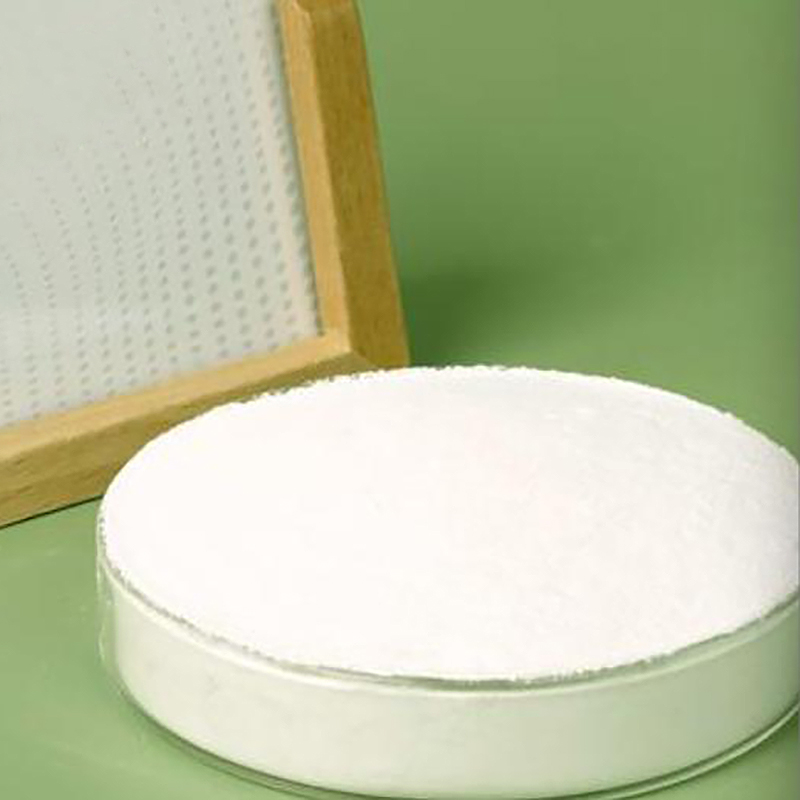
Typical formWhite to off-white powder
SolubilityCold and hot water
Main rolesThickener, water retention, protective colloid
Cellulose is a long chain of glucose units found in wood pulp and cotton linters. Native cellulose does not dissolve in water because tight hydrogen bonds hold its chains together. During manufacturing, purified cellulose is treated with alkali and then reacted with ethylene oxide, which attaches hydroxyethyl groups along the chain. These groups open up the structure, so the polymer dissolves in water and gains the ability to build viscosity.
That also answers a common search question: what is the difference between HEC and cellulose? Cellulose is the raw polymer and stays insoluble in water. HEC is the chemically modified version, and the added hydroxyethyl groups are what make it water soluble and useful as a formulation additive.
Hydroxyethyl Cellulose Properties and Benefits
Formulators choose Hydroxyethyl Cellulose because a small amount changes how a liquid flows, stores and applies. According to technical literature published by cellulose ether manufacturers, the polymer combines a nonionic backbone, strong water affinity and shear thinning flow in one raw material. The table below links each property to a practical benefit.
| Property | What it means | Practical benefit |
|---|---|---|
| Nonionic character | No electrical charge on the polymer chain | Works with many salts, surfactants, pigments and latex types |
| Water solubility | Dissolves in cold and hot water | Flexible processing without a heating step |
| Thickening | Builds viscosity at low use levels | Controls flow, sag and settling |
| Water retention | Holds water inside the system | Longer open time in paints, putty and mortar |
| Protective colloid action | Coats and separates dispersed particles | Helps keep pigments and latex evenly dispersed |
| Film forming | Dries to a clear, flexible film | Useful in coatings, binders and personal care |
| Pseudoplastic flow | Thins under shear and recovers at rest | Easy brushing and pumping with stable storage |
Benefits formulators value most
- Efficient thickening at low addition levels, which leaves room in the formula for other ingredients.
- Electrolyte tolerance, because a nonionic polymer is less affected by dissolved salts.
- Stable suspension of pigments, fillers, beads and solid particles during storage.
- Renewable origin, since the backbone comes from plant cellulose.
- Wide formulation window, with useful behavior across a broad pH range in many systems.
Which properties affect HEC performance?
Five factors decide how a given grade behaves. Molecular weight sets the viscosity potential, since longer chains build more viscosity. Substitution level, usually described by molar substitution, controls solubility and compatibility. Concentration has the strongest single effect, because viscosity rises steeply as more polymer dissolves. Temperature lowers solution viscosity as it increases, and pH and shear history influence how fast the powder hydrates and how the solution flows.
HEC Powder Technical Specifications
A data sheet for HEC powder normally lists appearance, moisture, pH, particle size and a viscosity value measured under stated conditions. Exact numbers differ between grades, so the table shows typical descriptions only. Use the manufacturer data sheet for the specific grade you plan to test.
| Item | Typical description |
|---|---|
| Appearance | White to off-white, free flowing powder |
| Ionic type | Nonionic |
| Moisture as packed | Commonly around 5% or below |
| pH of 1% solution | Close to neutral, roughly 6 to 8.5 |
| Particle size | Fine powder, usually reported as percent passing 80 mesh |
| Viscosity | Reported in mPa.s at a stated concentration, spindle, speed and temperature |
| Solubility | Soluble in water, not soluble in most organic solvents |
| Hydration type | Standard or surface treated for delayed hydration |
Viscosity numbers need context. A grade may be quoted as a 2% aqueous solution measured on a rotational viscometer at a fixed speed and temperature. Two data sheets can only be compared when the test conditions match, so check the method before ranking grades by a single number.
How Hydroxyethyl Cellulose Works Inside a Formulation
The chemical structure is a chain of anhydroglucose units with hydroxyethyl groups attached through ether bonds. Because the polymer is large and carries many hydroxyl groups, it hydrates and swells when it meets water. Neighboring chains overlap and tangle, forming a loose network throughout the water phase.
This network slows the movement of pigment and latex particles. It explains why a thickened paint resists settling in the can, stays on the brush and holds its thickness on a vertical wall. Because the polymer is nonionic, it does not depend on electrical charge to do this job, which helps in formulas that contain salts or ionic surfactants.
Seven Key Uses of Hydroxyethyl Cellulose at a Glance
Hydroxyethyl Cellulose appears in many industries, but seven areas account for most formulation work. The chart gives a relative picture of how widely each area uses the polymer. It is an explanatory chart, not measured market data.
- Water based paints and coatings: viscosity control, anti-sag behavior and pigment suspension.
- Oilfield drilling and completion fluids: viscosity building and fluid loss control in water based systems.
- Personal care: thickening for shampoo, body wash and clear gels.
- Liquid detergents and cleaners: thickening and particle suspension.
- Construction materials: water retention and workability in mortar, putty and adhesives.
- Emulsion polymerization: protective colloid that stabilizes growing polymer particles.
- Paper, textile and ceramics: coating rheology, printing pastes and binder systems.
HEC in Water Based Paints and Coatings
Paint is the largest and most familiar use for Hydroxyethyl Cellulose. In a latex system the polymer sets the working viscosity, supports the pigment grind and gives the brush or roller the right drag. A suitable grade helps balance spatter, leveling and sag resistance without making the paint hard to apply.
HEC thickener for acrylic paint
Acrylic paints depend on a thickener to reach a stable, applicable viscosity at low and medium shear. As an HEC thickener for acrylic paint, the polymer raises the in-can viscosity, which slows pigment settling during storage. Typical addition levels are a few tenths of a percent of the total formulation by weight, and the final amount is set through laboratory trials with the actual binder, pigment volume and other additives.
HEC for emulsion paint formulation
For HEC for emulsion paint formulation, the main decision is how the polymer enters the batch. Three routes are common, and each has a different trade-off.
| Method | How it is done | Point to watch |
|---|---|---|
| Dry addition | Sift powder into water at the start of the pigment grind | Add slowly under stirring to avoid lumps |
| Pre-dissolved solution | Prepare a stock solution and add it during letdown | Preserve the stock solution and use it within a set time |
| Slurry | Disperse powder in a water miscible organic liquid first | Confirm the liquid suits the final formula |
Hydroxyethyl cellulose for water based coatings
Beyond wall paint, hydroxyethyl cellulose for water based coatings is used in primers, textured coatings, wood coatings and decorative finishes. Water retention helps wet edges stay open during application, and the film forming nature of the polymer supports a uniform surface. One point deserves attention in every coating plant: cellulosic polymers can be broken down by cellulase enzymes introduced through microbial contamination. Clean raw materials and a suitable preservative package protect viscosity over the shelf life.
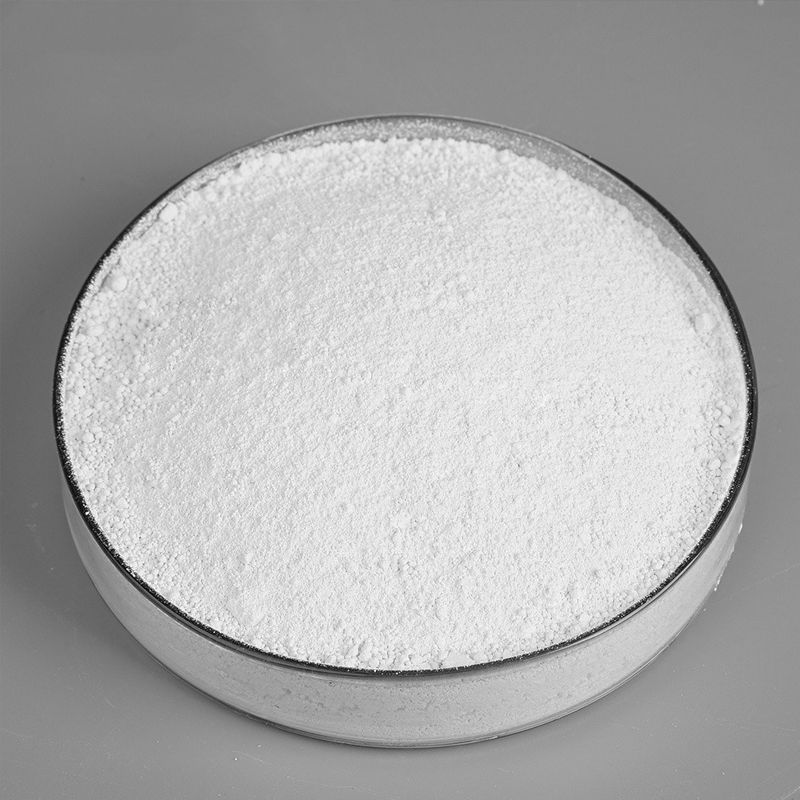
EASONZELL HEC Series Water-based Coatings
A hydroxyethyl cellulose range for latex paints, primers and other water based coatings, chosen for viscosity build, anti-sag behavior and smooth application.
View product detailsHEC in Oilfield Drilling and Completion Fluids
Water based fluids used to drill, complete and service wells need viscosity that holds up in brine and a way to limit fluid loss into porous rock. A nonionic polymer fits this job well, since dissolved salts have less effect on it than on charged polymers.
Oilfield grade hydroxyethyl cellulose
Oilfield grade hydroxyethyl cellulose is selected for consistent viscosity, fast hydration in brine and low insoluble residue. Clean dissolution matters because undissolved gel particles can plug pores in the formation. Buyers normally review viscosity in the intended brine, hydration time and residue before running field trials.
HEC for water based drilling fluids
In HEC for water based drilling fluids, the polymer acts as a viscosifier and as a fluid loss control aid. As described in the HEC technical notes on the manufacturer site, it raises viscosity, helps form a thin protective layer on the wellbore wall and improves flow behavior of the fluid. These effects reduce the amount of liquid that moves into the formation and help keep the fluid properties steady during circulation.
HEC for completion fluids
Completion and workover operations often use clear brines. HEC for completion fluids thickens these brines without adding the solids that could damage the producing zone. When the job is finished, the polymer can be broken down with suitable oxidizers or acid so the formation can flow again. The table summarizes the three roles.
| Fluid type | Role of HEC | Key point |
|---|---|---|
| Water based drilling fluid | Viscosifier and fluid loss aid | Test viscosity in the real brine |
| Completion brine | Solids free thickener | Plan a clean-up and breaker step |
| Workover fluid | Carrying and suspension support | Match grade to bottom hole temperature |
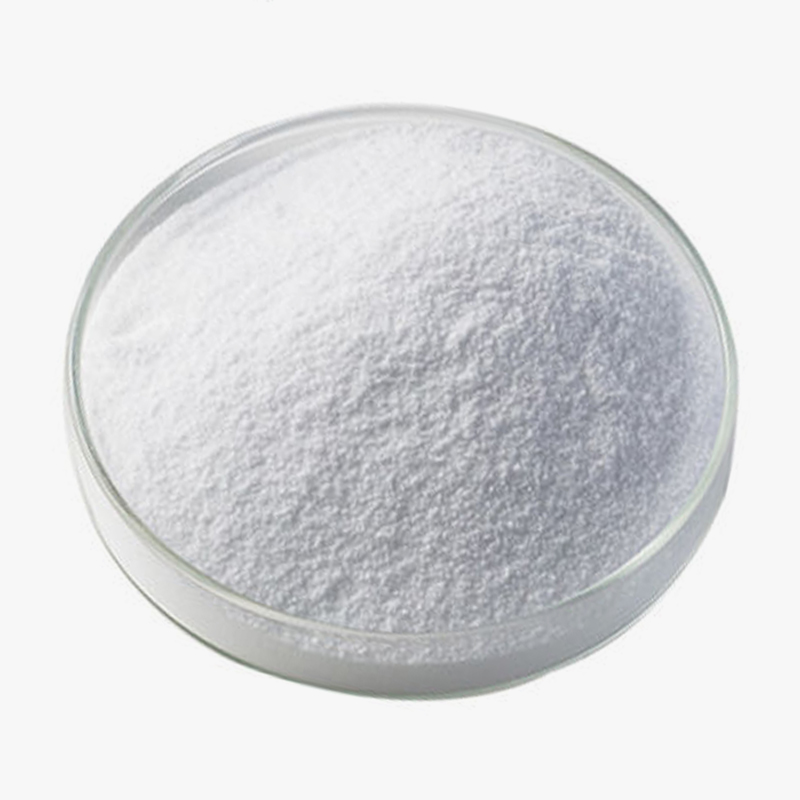
EASONZELL HEC Series Oil Drilling
Oilfield grade hydroxyethyl cellulose for water based drilling and completion fluids, used to build viscosity and support fluid loss control.
View product detailsHEC in Personal Care and Liquid Detergents
In home and personal care products, texture is part of the product. Hydroxyethyl Cellulose gives a smooth, even flow that consumers notice during pouring, spreading and rinsing. The cosmetic ingredient name is Hydroxyethylcellulose, and it appears on many ingredient lists for shampoos, gels and lotions.
Hydroxyethyl cellulose for shampoo formulation
For hydroxyethyl cellulose for shampoo formulation, the polymer thickens surfactant systems that would otherwise run thin, and it helps suspend beads, oils and other particles. Because it is nonionic, it can be combined with anionic, cationic and amphoteric surfactants. Hydrate the polymer in the water phase first, then add surfactants, and adjust pH only after the solution is smooth.
HEC for clear gel formulation
Clear gels need a thickener that stays transparent. HEC for clear gel formulation delivers a bright, flowing gel and, unlike many acrylic thickeners, does not need neutralization to build viscosity. Typical products include hair gels, aloe style gels, hand gels and light facial gels. Alcohol content, salt level and preservative choice should be tested together, because each can shift clarity and viscosity.
HEC for industrial liquid detergent
For HEC for industrial liquid detergent, the polymer adds body to alkaline cleaners, dish liquids and surface cleaners. It also helps hold abrasive or solid particles in suspension and reduces separation during storage. Because detergents often carry high electrolyte levels, run viscosity checks at the final salt and surfactant concentration instead of in plain water.
- Dissolve HEC in water before adding surfactants or electrolytes.
- Check viscosity after 24 hours, since some systems keep building.
- Test freeze and thaw behavior and elevated temperature storage.
- Confirm preservative compatibility with the finished formula.
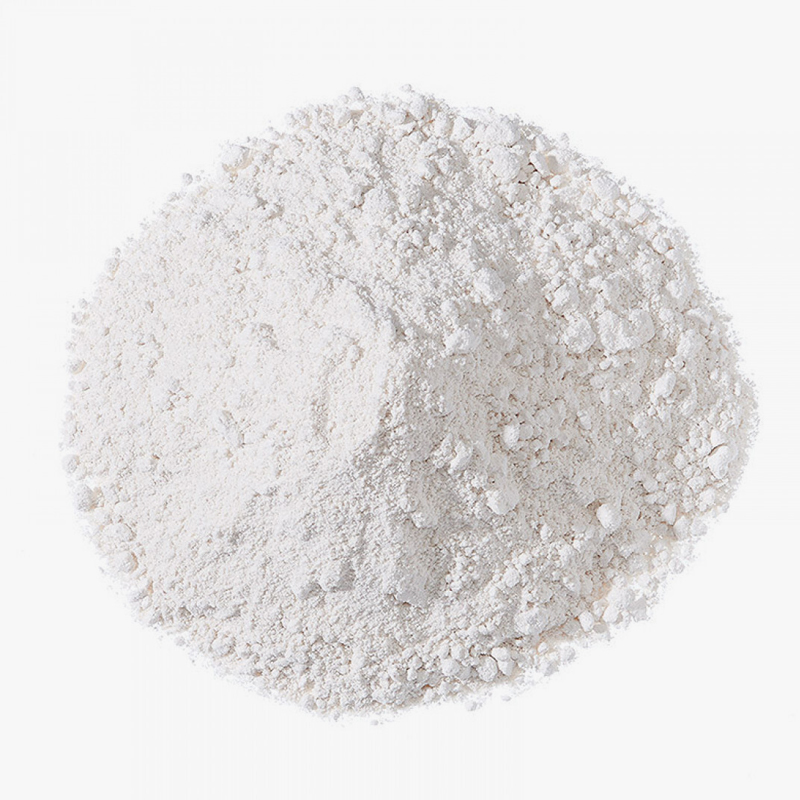
EASONZELL HEC Series Daily Chemical Grade
A hydroxyethyl cellulose range for shampoos, body washes, gels and liquid cleaners, used for thickening, suspension and a smooth feel.
View product detailsHEC in Construction, Polymerization, Paper and Textile
HEC water retention in mortar
Cement based mortar, putty and tile adhesive lose water quickly to porous substrates such as brick and concrete block. Rapid water loss leaves cement under-hydrated and shortens working time. HEC water retention in mortar slows that loss, which keeps the mix workable and gives cement time to hydrate. In construction, HEMC and HPMC are also widely used for this purpose, and the choice depends on the system and target performance. For a deeper look at additive selection, read the cement formulation guide.
Emulsion polymerization
In emulsion polymerization, for example vinyl acetate systems, Hydroxyethyl Cellulose can serve as a protective colloid. It coats growing polymer particles, controls particle size and improves the mechanical stability of the finished latex.
Paper, textile and ceramic uses
Paper coating colors use HEC to control rheology and water release. Textile printing pastes use it as a thickener that gives sharp print edges. In ceramic extrusion, such as honeycomb bodies, cellulose ethers act as binders and lubricants that help the wet body hold its shape.
How Viscosity Grade and Concentration Change Results
Two choices shape the final flow: the viscosity grade and the dosage. A higher grade reaches a target viscosity with less powder, while a lower grade gives easier handling and finer control. The first chart shows the typical pattern, where viscosity climbs steeply as concentration rises.
The second chart groups grades into four classes. Moving up a class raises the thickening efficiency per unit of powder, although very high grades also take longer to hydrate and need more careful dispersion.
- Low grades suit systems where easy dispersion and fine viscosity control matter more than raw thickening power.
- Medium grades are a common starting point for latex paint and detergent trials.
- High and ultra high grades are used where strong thickening or suspension is needed at a low addition level.
HEC Compared with HEMC and HPMC
HEC belongs to a family of cellulose ethers. HEMC adds methyl groups to the hydroxyethyl structure, and HPMC combines hydroxypropyl and methyl groups. Each substitution pattern changes solubility, surface activity and water retention. The radar chart gives a qualitative picture of how HEC and HPMC differ.
| Cellulose ether | Substituent groups | Common focus |
|---|---|---|
| HEC | Hydroxyethyl | Paints, oilfield fluids, personal care |
| HEMC | Hydroxyethyl and methyl | Mortar, putty, coatings |
| HPMC | Hydroxypropyl and methyl | Construction, daily chemical, pharma related uses |
How to Dissolve HEC Powder Without Lumps
Yes, Hydroxyethyl Cellulose is water soluble. The usual difficulty is lump formation: when dry powder hits water too fast, the outer layer of each particle gels and traps dry powder inside. The steps below reduce that risk.
- Start with clean water in a vessel fitted with a stirrer, and keep the temperature moderate.
- Create a vortex with steady, medium speed stirring.
- Sift the powder in slowly at the edge of the vortex so each particle wets separately.
- Keep stirring until no dry particles remain visible.
- Adjust pH if the grade is surface treated, since many grades hydrate faster once pH rises to roughly 8 to 9.
- Continue mixing at low speed until the solution turns smooth and clear.
- Rest the solution so trapped air can escape before measuring viscosity.
How long does HEC take to hydrate?
With steady stirring, standard grades typically hydrate in about 20 to 60 minutes. High viscosity grades and cold water extend this time, while surface treated grades stay slow at neutral to acidic pH and speed up once the pH is raised. Judge hydration by the absence of fish eyes and a stable viscosity reading, not by the clock alone.
| Problem | Likely cause | Adjustment |
|---|---|---|
| Lumps or fish eyes | Powder added too fast or with weak stirring | Sift in slowly, or use a surface treated grade |
| Slow viscosity build | pH too low for a treated grade, or cold water | Raise pH moderately and allow more time |
| Viscosity loss in storage | Enzyme or microbial attack | Use clean water and a suitable preservative |
| Excess foam | Mixing speed too high | Lower speed or add a defoamer |
How to Choose a Hydroxyethyl Cellulose Grade
Start from the application, then narrow by viscosity, hydration type and purity needs. A short trial plan with two or three candidate grades often tells more than a long data sheet comparison.
- Define the target: in-can viscosity, brush drag, suspension or fluid loss control.
- Pick a viscosity class: begin with a medium grade and move up or down based on trial data.
- Select hydration type: surface treated for easy dispersion, or untreated where fast hydration at neutral pH is needed.
- Test in the real system: include the real salts, surfactants, binders and pH.
- Review storage stability: measure viscosity at the start and after aging.
| Application | Grade focus | Check during trials |
|---|---|---|
| Latex paint | Medium to high, surface treated | Sag, spatter, leveling, storage viscosity |
| Drilling and completion fluid | Oilfield grade, fast hydration | Brine viscosity, residue, fluid loss |
| Shampoo and gel | Daily chemical grade | Clarity, feel, viscosity after aging |
| Liquid detergent | Medium grade | Electrolyte effect, suspension |
| Mortar and putty | Matched cellulose ether grade | Water retention, open time, workability |
Storage and Handling of HEC Powder
Keep HEC in sealed bags in a dry, ventilated place away from direct sunlight and heat. The manufacturer HEC notes point out that moisture and high temperature can cause caking and loss of performance. Reseal opened bags after use and rotate stock in order of receipt.
Fine organic powders can raise dust during pouring, so use local ventilation and avoid creating dust clouds. Wet floors from spilled powder can become slippery, so sweep dry spills before cleaning with water.
About Zhejiang Yisheng New Material Co., Ltd.
Zhejiang Yisheng New Material Co., Ltd. designs, develops, manufactures, applies and sells cellulose ether. The plant is in the Shangyu Economic and Technological Development Zone, part of the Hangzhou Bay National Industrial Park. With a core concept of safety, environmental protection and sustainable development, the company reports an annual capacity of 15,000 tons of cellulose ether.
The product line covers HEC, HEMC and HPMC for oil fields, coatings, dry powder mortar, cosmetics, personal care products, medicine and other sectors. Visit the HEC series page to compare grades for coatings, oil drilling and daily chemical use.
Hydroxyethyl Cellulose FAQ
Q1. What is hydroxyethyl cellulose used for?
It is used as a thickener, water retention agent and protective colloid in paints, oilfield fluids, personal care products, detergents, mortar and emulsion polymerization.
Q2. What is the difference between HEC and cellulose?
Cellulose is the natural polymer and does not dissolve in water. HEC is cellulose modified with hydroxyethyl groups, which makes it water soluble.
Q3. Is hydroxyethyl cellulose water soluble?
Yes. It dissolves in cold and hot water and forms a clear, viscous solution when dispersed correctly.
Q4. What is the CAS number of HEC?
The CAS number commonly listed for hydroxyethyl cellulose is 9004-62-0.
Q5. Is HEC a nonionic cellulose ether?
Yes. HEC carries no electrical charge on its chain, which helps it work in formulas that contain salts and ionic surfactants.
Q6. What properties affect HEC performance?
Molecular weight, substitution level, concentration, temperature, pH and shear history all influence viscosity and hydration speed.
Q7. How do you dissolve HEC powder in water?
Stir water into a vortex, sift the powder in slowly, keep mixing until no dry particles remain, and adjust pH when using a surface treated grade.
Q8. How to dissolve HEC powder without lumps?
Add the powder slowly under good agitation, or pre-wet it in a water miscible liquid, or choose a surface treated grade that delays hydration.
Q9. How long does HEC take to hydrate?
Typically about 20 to 60 minutes with steady stirring. High viscosity grades and cold water can take longer.
Q10. How much HEC is used in latex paint?
Addition levels are commonly a few tenths of a percent of the total formulation by weight. The exact amount is set through laboratory trials.




 Email: sarah@ys-cellulose.com
 Phone: +86-18067879812 / +86-575-82966958


