


 简体中文
简体中文 English
 русский
 عربى
عربى Español
Content
- 1 Why Is HEMC Used as a Thickener in Construction Materials?
- 2 How HEMC Works as a Thickener in Wet Mixes
- 3 HEMC vs HPMC: Key Differences
- 4 Typical HEMC Dosage Levels Across Construction Applications
- 5 Viscosity Grades and Water Retention Performance
- 6 Where HEMC Is Used Across Construction Materials
- 7 HEMC vs HPMC Performance Comparison
- 8 About Zhejiang Yisheng New Material Co., Ltd.
- 9 Frequently Asked Questions About Hydroxyethyl Methyl Cellulose
- 9.1 Q1. What is hydroxyethyl methyl cellulose used for?
- 9.2 Q2. What is the difference between HPMC and HEMC?
- 9.3 Q3. Is HEMC biodegradable?
- 9.4 Q4. How does HEMC improve water retention?
- 9.5 Q5. What viscosity grades are available for HEMC?
- 9.6 Q6. How much HEMC is used in mortar?
- 9.7 Q7. Can HEMC be used in water-based coatings?
Why Is HEMC Used as a Thickener in Construction Materials?
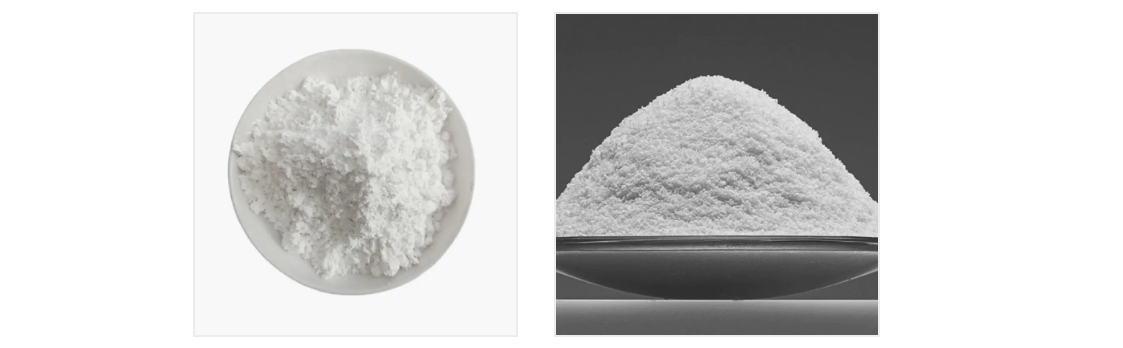
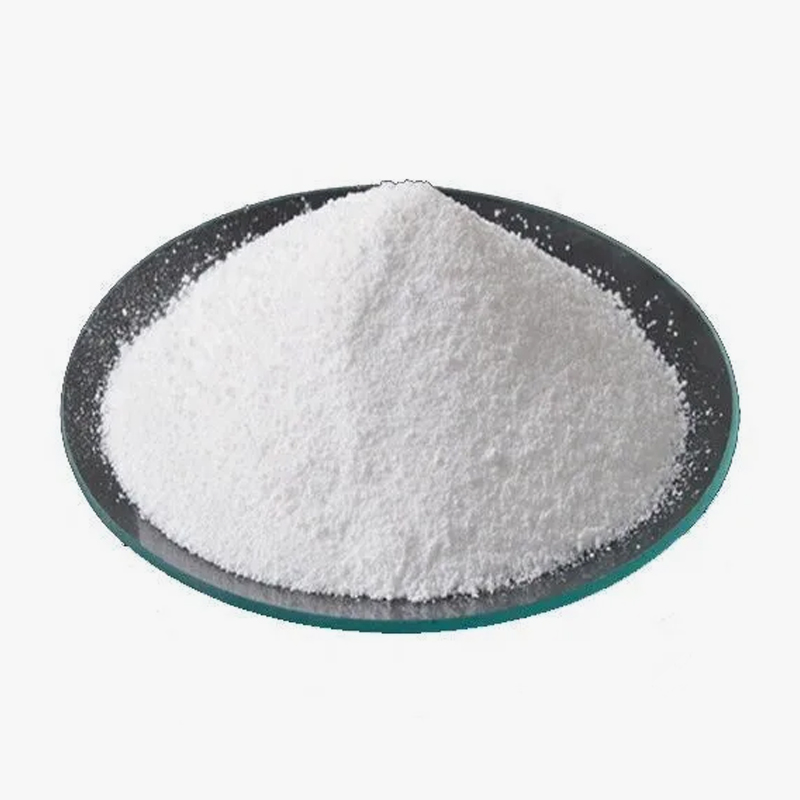
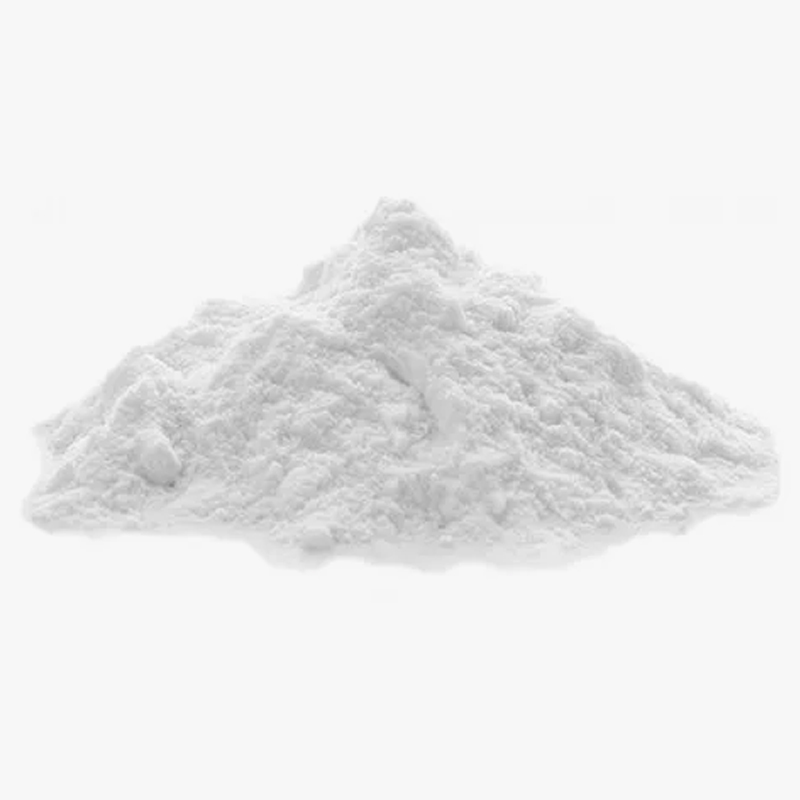
HEMC, or Hydroxyethyl Methyl Cellulose, is used as a thickener in construction materials because it raises the viscosity of a wet mix, holds mixing water inside the material for longer, and keeps mortar, plaster, and adhesive from sagging or separating before it sets. A small addition changes how the mix feels on a trowel and how well it stays in place on a vertical wall or ceiling surface.
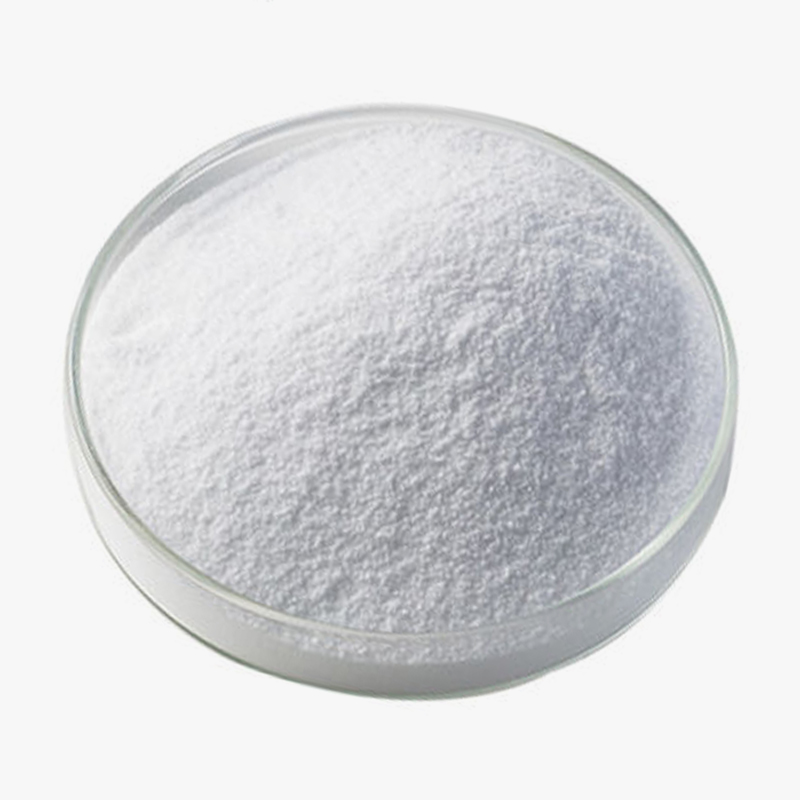
HEMC belongs to the cellulose ether family, produced by modifying natural cellulose so that it dissolves in water and forms a smooth, stable structure once dispersed. Inside cement, gypsum, or polymer based formulations, it influences viscosity, open time, and sag resistance at the same time, which is why it shows up across so many dry mix products rather than being limited to a single application.
Producers commonly describe construction grade HEMC as both a workability modifier and an HEMC water retention agent, since the same polymer addition supports several performance properties within one formulation.
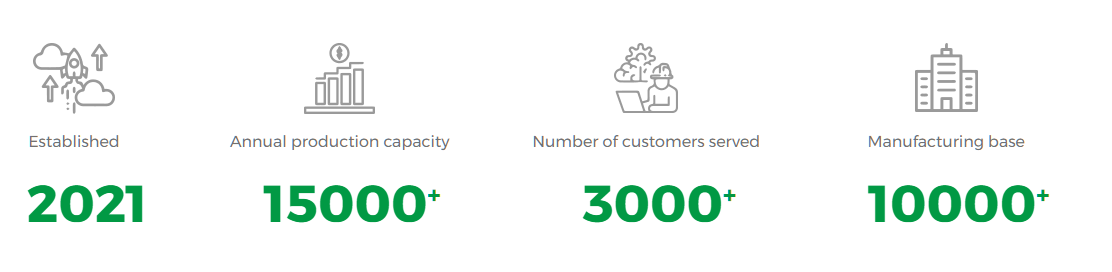
| 15,000tAnnual Production Capacity | 3Cellulose Ether Product Lines | 200,000mPasTop Viscosity Grade |
How HEMC Works as a Thickener in Wet Mixes
Hydroxyethyl Methyl Cellulose does not act as a simple filler. It changes the physical behavior of the wet mix in several connected ways, which together explain why it is added at such a small dosage relative to the rest of the formulation.
Viscosity Building
Once HEMC dissolves in water, its long polymer chains link together and increase the resistance of the liquid to flow. This raised viscosity is what keeps mortar or adhesive from running off a vertical surface before it cures.
Water Retention
HEMC forms a film around water molecules and slows their movement out of the wet mix. This keeps enough water available for cement hydration or gypsum setting to complete properly, even on a porous substrate that would otherwise draw moisture away quickly.
Open Time Extension
By slowing water loss, HEMC also extends the window during which a tile or panel can still be adjusted after the adhesive has been applied, giving installers more working time before the material begins to firm up.
Workability Improvement
The gel like structure formed by dissolved HEMC improves how smoothly a mix spreads under a trowel, reducing drag and making the finished surface easier to level and float.
HEMC vs HPMC: Key Differences
HEMC and HPMC are both common cellulose ethers used in construction formulations, and the two are frequently compared when selecting a thickener for a specific product. The table below outlines the general distinctions between them.
| Aspect | HEMC | HPMC |
|---|---|---|
| Backbone Substitution | Methyl and hydroxyethyl groups | Methyl and hydroxypropyl groups |
| Cold Water Solubility | Dissolves readily in cold water | Dissolves readily in cold water |
| Salt Tolerance | Generally steady in salt containing mixes | Can be more sensitive in some salt heavy mixes |
| Typical Focus | Dry mix mortar, wall putty, tile adhesive | Mortar, coatings, and personal care formulations |
Typical HEMC Dosage Levels Across Construction Applications
Dosage is usually expressed as a percentage of the total dry mix weight and varies by application, substrate, and the performance target of the finished formulation.
Dry mix mortar and tile adhesive formulations generally sit at the higher end of the dosage range, since water retention and sag resistance matter most in these applications, while water based coatings typically need a lower addition level to reach the target viscosity.
Viscosity Grades and Water Retention Performance
HEMC is supplied across a range of viscosity grades, and water retention performance tends to rise alongside viscosity, since higher molecular weight chains form a denser film around water molecules in the wet mix.
This is a general reference pattern rather than a single lab measurement, and it illustrates why formulators select a higher viscosity grade whenever a mix needs to hold water longer on an absorbent substrate.
| Viscosity Grade | Typical Range (mPas) | Common Use |
|---|---|---|
| Low Viscosity | 400 to 20,000 | Thin coatings and skim coat finishes |
| Medium Viscosity | 20,000 to 60,000 | General purpose mortar and plaster |
| High Viscosity | 60,000 to 200,000 | Tile adhesive and wall putty needing strong water retention |
Where HEMC Is Used Across Construction Materials
Because it supports several performance properties in one addition, HEMC shows up in a wide range of dry mix construction products.
Tile Adhesive Formulations
HEMC for tile adhesive helps keep the mix workable long enough to place and adjust tiles, while supporting a strong bond as the adhesive cures against porous substrates.
Dry Mix Mortar and Renders
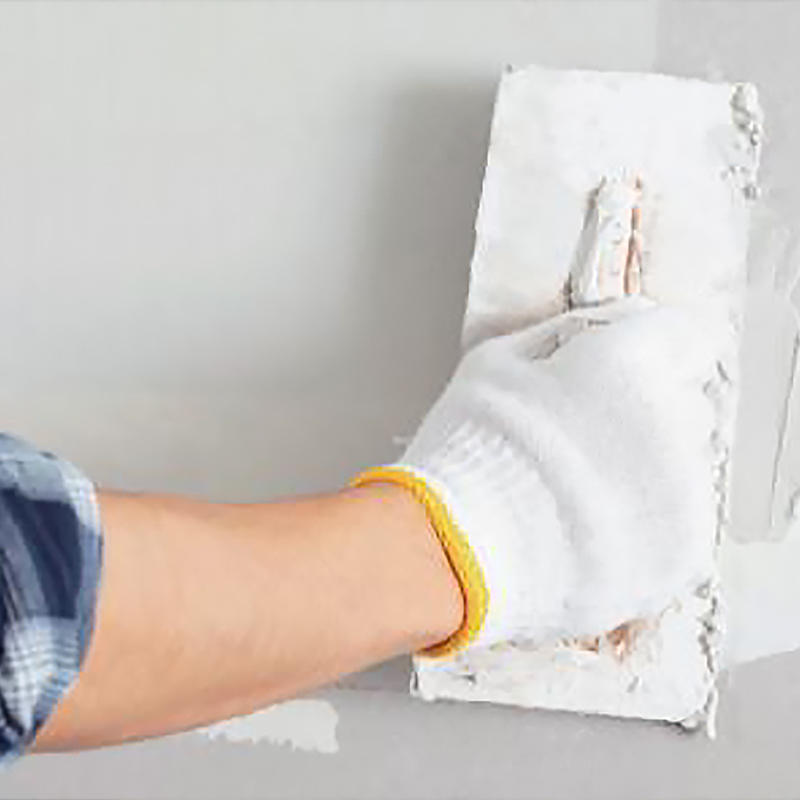
HEMC for dry mortar improves sag resistance on vertical applications and helps the render stay smooth and easy to float across large wall areas.
Gypsum Plaster and Wall Putty
HEMC for gypsum plaster and HEMC for wall putty both rely on water retention to give the finish coat enough open time for smoothing before it begins to set.
Paint and Coating Systems
As an HEMC paint additive, a smaller dosage helps control sag and leveling in water based coatings without significantly changing the drying characteristics of the film.
HEMC vs HPMC Performance Comparison
Selecting between HEMC and HPMC often comes down to how a formulation needs to perform across several factors at once rather than any single property.
HEMC generally shows a steadier profile for salt tolerance and enzyme resistance, which is one reason it is often selected for dry mix mortar and wall putty, while HPMC remains a common choice across a broader mix of coatings and personal care formulations.
About Zhejiang Yisheng New Material Co., Ltd.
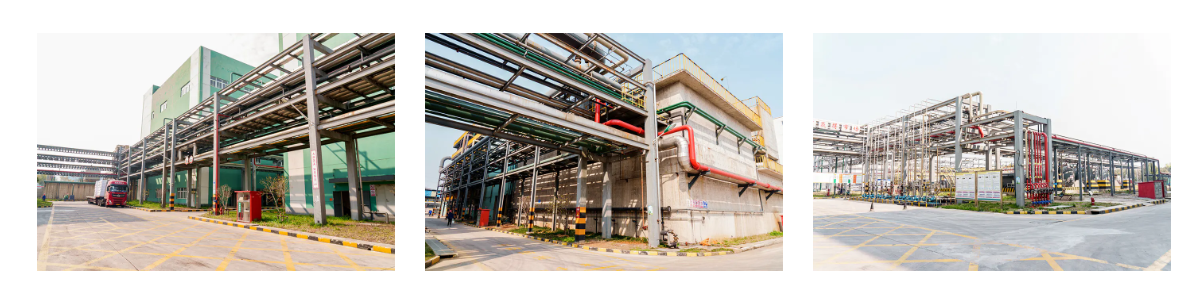
Zhejiang Yisheng New Material Co., Ltd. is a professional enterprise engaged in the design, development, manufacturing, application, and sales of cellulose ether, located in the Shangyu Economic and Technological Development Zone within the Hangzhou Bay National Industrial Park. The company operates around a core concept of safety, environmental protection, and sustainable development.
With an annual production capacity of 15,000 tons of cellulose ether, the company offers a complete product range including HEC (hydroxyethylcellulose), HEMC (hydroxyethyl methylcellulose), and HPMC (hydroxypropyl methylcellulose). As a China based hydroxyethyl methyl cellulose supplier, its products serve sectors such as oil fields, coatings, dry powder mortar, cosmetics, personal care products, and medicine, with a global customer base supported by stable supply.
Operating as an HEMC manufacturer and cellulose ether manufacturer China based partners rely on, the company implements safety and environmental protection measures throughout production, aiming for orderly production management and consistent output across every batch. Manufacturing is supported by a structured internal management approach, careful product testing routines, and up to date processing equipment.
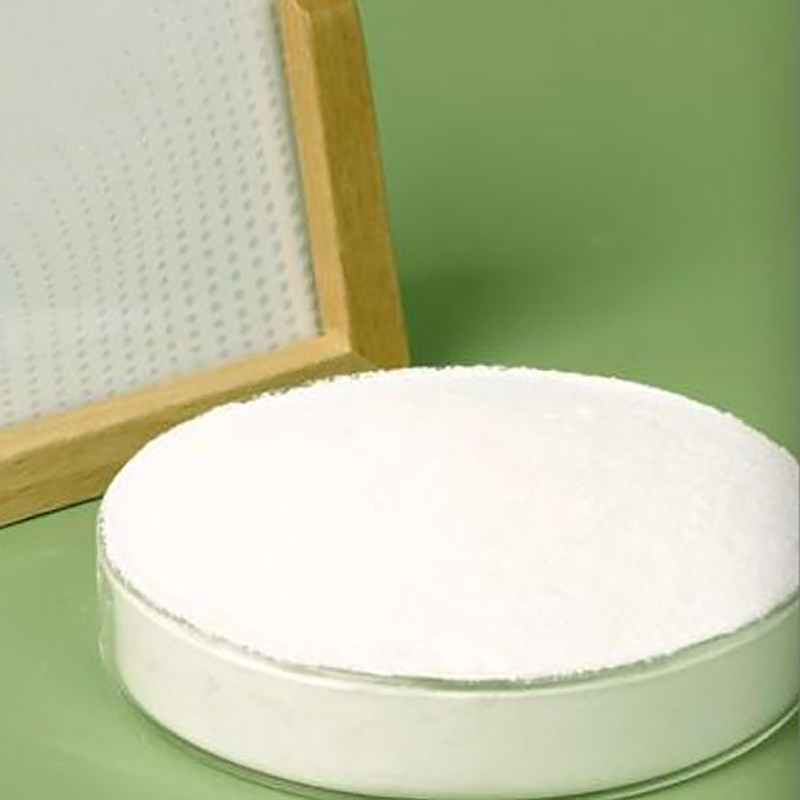
Buyers looking for an HEMC powder supplier or HEMC supplier for construction grade formulations can work with Yisheng across the full viscosity range described in this guide, supported by responsive after sales communication.
Frequently Asked Questions About Hydroxyethyl Methyl Cellulose
Q1. What is hydroxyethyl methyl cellulose used for?HEMC is used as a thickener, water retention agent, and workability modifier in mortar, tile adhesive, plaster, wall putty, and water based coatings. |
Q2. What is the difference between HPMC and HEMC?Both are cellulose ethers with similar cold water solubility, but they differ in backbone substitution, with HEMC generally showing steadier salt tolerance in some mixes. |
Q3. Is HEMC biodegradable?HEMC is derived from natural cellulose and is generally regarded as biodegradable, though the rate of breakdown depends on environmental conditions. |
Q4. How does HEMC improve water retention?Dissolved HEMC forms a film around water molecules in the wet mix, slowing moisture loss so cement hydration or gypsum setting can complete properly. |
Q5. What viscosity grades are available for HEMC?Common grades range from around 400 mPas for thin coatings up to around 200,000 mPas for high water retention products such as tile adhesive. |
Q6. How much HEMC is used in mortar?Dry mix mortar formulations typically use HEMC at up to around 0.5 percent of total dry mix weight, depending on the target performance. |
Q7. Can HEMC be used in water-based coatings?Yes, HEMC can function as an HEMC paint additive in water based coatings, typically at a lower dosage than mortar or tile adhesive applications. |
|
 Email: sarah@ys-cellulose.com
 Phone: +86-18067879812 / +86-575-82966958


