


 简体中文
简体中文 English
 русский
 عربى
عربى Español
Content
- 1 Quick Answer On HEMC Vs HPMC
- 2 What Hydroxyethyl Methyl Cellulose Is And How It Performs
- 3 What Hydroxypropyl Methyl Cellulose Brings To A Formulation
- 4 Side By Side Comparison Of HEMC And HPMC
- 5 Performance Scoring Across Five Formulation Factors
- 6 Water Retention Behavior Across Rising Ambient Temperature
- 7 Where Cellulose Ether Demand Concentrates Across Application Sectors
- 8 Multi Dimensional Comparison Radar Chart
- 9 How HEMC Behaves Inside Cement Based Mortar Systems
- 10 Solubility Behavior And Practical Mixing Notes
- 11 How To Choose The Right Cellulose Ether Viscosity Grade
- 12 Customization Options Available For Cellulose Ether Buyers
- 13 Manufacturing Background Behind Reliable Cellulose Ether Production
- 14 How To Choose Between HEMC And HPMC For A New Formulation
- 15 Frequently Asked Questions About HEMC Vs HPMC
Quick Answer On HEMC Vs HPMC
For most dry mix mortar and tile adhesive formulations, the choice between HEMC vs HPMC comes down to workability and cost balance rather than one option being universally superior. Hydroxyethyl methyl cellulose vs hydroxypropyl methyl cellulose differ mainly in the side group attached to the cellulose backbone, which shifts how each performs in water retention, gel temperature and overall formulation cost. HEMC generally offers a slightly smoother, softer workability feel at a lower typical dosage cost, while HPMC tends to deliver marginally higher water retention and a more consistent gel point across a wider temperature range. The sections below walk through the chemistry, performance data, application fit and a short selection checklist so formulators can match the right grade to their specific mortar or adhesive system.
What Hydroxyethyl Methyl Cellulose Is And How It Performs
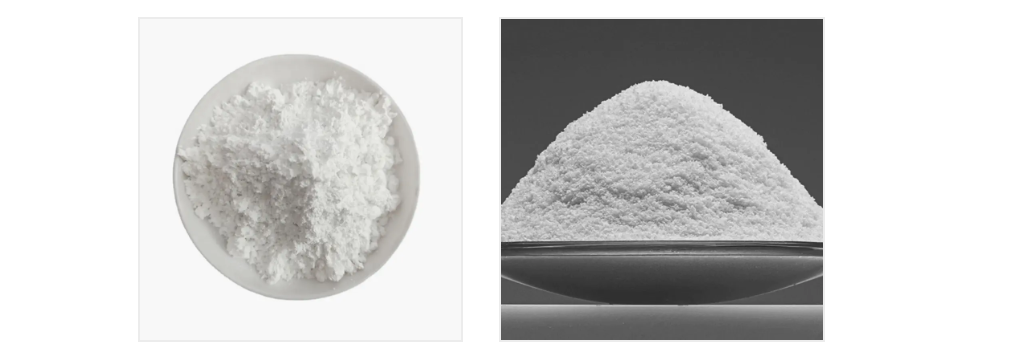
Hydroxyethyl methyl cellulose, commonly shortened to HEMC, is produced by reacting natural cellulose with methyl chloride and ethylene oxide, introducing both methyl and hydroxyethyl side groups along the cellulose chain. This substitution pattern gives HEMC good water retention, reliable thickening ability and a workability profile that many mortar formulators describe as smooth and easy to trowel. Because the hydroxyethyl group is generally less costly to introduce than the hydroxypropyl group used in HPMC, HEMC often becomes the preferred cellulose ether when a formulation needs solid baseline performance without pushing toward the highest possible water retention figures.
Core Properties Formulators Check First
- Water retention that keeps enough moisture in the mortar for proper cement hydration.
- Thickening ability that controls sag resistance on vertical tile applications.
- Workability that affects how smoothly the mortar spreads under a trowel.
- Adhesion improvement between the mortar bed and the substrate or tile back.
What Hydroxypropyl Methyl Cellulose Brings To A Formulation
Hydroxypropyl methyl cellulose, or HPMC, replaces the hydroxyethyl side group used in HEMC with a hydroxypropyl group instead, which is produced through a reaction with propylene oxide rather than ethylene oxide. This structural difference tends to give HPMC a slightly higher and more stable water retention value across a broader range of ambient temperatures, along with a gel point that some formulators find more predictable during hot weather application. HPMC also sees wide use outside construction, including in coatings, personal care formulations and certain pharmaceutical excipient roles, reflecting its broader solubility behavior across different aqueous systems.
Where HPMC Often Gets Selected
- Formulations needing tighter water retention control in hot or dry climates.
- Coating systems where film formation consistency matters alongside thickening.
- Applications outside construction where broader chemical compatibility is required.
Side By Side Comparison Of HEMC And HPMC
The table below lines up both cellulose ether types across the properties formulators reference most often when comparing hydroxyethyl methyl cellulose vs hydroxypropyl methyl cellulose for a mortar or adhesive system.
| Property | HEMC | HPMC |
|---|---|---|
| Side Group Chemistry | Hydroxyethyl and methyl substitution | Hydroxypropyl and methyl substitution |
| Water Retention | Good, reliable across normal conditions | Slightly higher, more stable in heat |
| Workability Feel | Smooth, easy trowel feel | Smooth with slightly firmer body |
| Gel Temperature Behavior | Moderate gel point | More consistent across wider range |
| Common Construction Use | Tile adhesive, skim coat, dry mix mortar | Tile adhesive, render, self leveling systems |
| Use Beyond Construction | Limited, mostly construction focused | Broader, including coatings and personal care |
Water Retention Behavior Across Rising Ambient Temperature
The line chart below illustrates a general water retention pattern reported across cellulose ether testing, showing how both HEMC and HPMC maintain strong retention at moderate temperatures, with HPMC holding a slightly flatter curve as ambient temperature climbs toward hot weather application conditions.
This flatter retention curve is one reason formulators working in warmer regions sometimes lean toward HPMC for tile adhesive and render systems that need to hold moisture longer during hot weather curing.
Where Cellulose Ether Demand Concentrates Across Application Sectors
Column data below reflects the general order of magnitude across typical cellulose ether demand reported by dry mix and coatings formulators.
Application Notes By Sector
- Tile adhesive formulations use cellulose ether primarily for open time control and sag resistance on vertical surfaces.
- Dry mix mortar relies on cellulose ether for water retention that supports proper cement hydration during curing.
- Coatings use cellulose ether for viscosity control and film consistency during application.
- Personal care formulations often favor HPMC for its broader compatibility across aqueous systems.
- Oil field applications use cellulose ether as a rheology modifier in certain fluid systems.
Multi Dimensional Comparison Radar Chart
Six dimensions matter most when weighing HEMC vs HPMC for a new tile adhesive or dry mix mortar formulation.
HPMC extends further on gel stability and broader application range, while HEMC extends further on cost efficiency, which is a large part of why HEMC remains a common default for straightforward tile adhesive and skim coat formulations where budget balance matters as much as top tier performance.
How HEMC Behaves Inside Cement Based Mortar Systems
Once mixed into a cement based mortar, HEMC dissolves into the water phase and forms a thin film around cement particles that slows the rate at which mixing water escapes into the substrate or evaporates into the air. This controlled water retention gives the cement enough time to properly hydrate, which supports stronger bond development between the mortar and the tile or substrate surface. HEMC also thickens the wet mortar, which helps the mix resist sagging when applied to vertical walls, and it improves the overall consistency of the mortar so it spreads evenly under a trowel without becoming stringy or lumpy.
Typical Dosage Considerations
Dosage levels vary depending on the specific mortar formula, cement type, sand grading and desired open time, so formulators typically run small batch trials before finalizing a dosage rate for a new mortar recipe. Viscosity grade selection plays a large role here, since higher viscosity grades generally deliver stronger thickening at lower dosage while lower viscosity grades may be selected when a thinner, faster spreading mortar consistency is the goal.
Solubility Behavior And Practical Mixing Notes
Both HEMC and HPMC are cold water soluble cellulose ethers, meaning they disperse and dissolve into water at room temperature without requiring heating. Proper mixing sequence matters for both products, since adding the powder too quickly into water without adequate agitation can cause clumping, where the outer surface of a particle gels before water fully penetrates the interior. Dispersing the powder gradually while mixing at a steady speed, or pre blending it with other dry powder components in the mortar formula, generally produces a smoother, lump free solution.
Common Mixing Practices
- Add cellulose ether powder gradually into water under continuous agitation.
- Pre blend cellulose ether with other dry mortar components before adding water in factory produced dry mix systems.
- Allow sufficient mixing time for full hydration before checking final viscosity.
How To Choose The Right Cellulose Ether Viscosity Grade
Viscosity grade selection depends heavily on the target application and desired mortar consistency. The table below outlines general viscosity ranges and their typical fit within common construction formulations.
| Viscosity Range | General Characteristic | Typical Fit |
|---|---|---|
| Low Viscosity | Thinner solution, faster dispersion | Self leveling and thin bed systems |
| Medium Viscosity | Balanced thickening and workability | General purpose tile adhesive |
| High Viscosity | Strong thickening at lower dosage | Vertical wall application and skim coat |
Formulators generally test a mid range viscosity grade first, then adjust up or down based on how the wet mortar handles under actual trowel application conditions on site.
Customization Options Available For Cellulose Ether Buyers
Buyers researching customized cellulose ether typically start with a target mortar or adhesive performance profile, then work with a supplier to adjust the production variables below.
- Viscosity grade tuned to the desired thickening strength and dosage target.
- Particle size and dispersion characteristics for smoother mixing in factory dry mix lines.
- Gel temperature range adjusted for regional climate conditions at the application site.
- Packaging format suited to bulk handling for large scale dry mix mortar production.
Many formulators researching bulk HEMC supplier options or wholesale cellulose ether sourcing compare a HEMC manufacturer against a broader hydroxyethyl methyl cellulose supplier on the basis of production consistency, batch to batch stability and responsiveness to custom viscosity requests.
Manufacturing Background Behind Reliable Cellulose Ether Production
Zhejiang Yisheng New Material Co Ltd focuses on the design, development, manufacturing and sale of cellulose ether from a production base located in the Shangyu Economic and Technological Development Zone within the Hangzhou Bay National Industrial Park. The company runs an annual production capacity of fifteen thousand tons of cellulose ether, covering a full product range that includes HEC, HEMC and HPMC grades suited to a wide span of application needs.
Production output reaches sectors including oil fields, coatings, dry powder mortar, cosmetics, personal care products and additional specialty areas, reflecting the broad reach cellulose ether has across both construction and non construction industries. For formulation teams comparing a HEMC cellulose ether manufacturer against other regional suppliers, this combination of a wide product range and a single facility handling HEC, HEMC and HPMC production together is one of the practical factors worth checking during supplier evaluation.
Areas Of Ongoing Production Focus
The company maintains a scientific management approach across its production lines, supporting consistent quality output for customers sourcing cellulose ether for tile adhesive, dry mortar and related formulation needs on a recurring basis.
How To Choose Between HEMC And HPMC For A New Formulation
- Identify the ambient temperature range where the mortar or adhesive will be applied, since HPMC tends to hold a flatter water retention curve in hotter conditions.
- Confirm the formulation budget target, since HEMC often provides strong baseline performance at a more favorable cost efficiency level.
- Check whether the application extends beyond construction, since HPMC sees broader use across coatings and personal care systems.
- Select a viscosity grade aligned with the desired mortar consistency, whether thin and fast spreading or thick and sag resistant.
- Run a small batch trial before finalizing dosage, since sand grading, cement type and mixing water quality all influence final performance.
Formulations that check most of these boxes in favor of cost efficiency and straightforward performance generally lean toward HEMC, while projects needing tighter gel temperature stability across variable climates often lean toward HPMC.
Frequently Asked Questions About HEMC Vs HPMC
|
Q1: What is Hydroxyethyl Methyl Cellulose used for HEMC is widely used in tile adhesive, dry mix mortar and skim coat formulations to improve water retention, thickening and overall workability. |
Q2: What are the properties of HEMC cellulose ether Key properties include water retention, thickening ability, workability and adhesion improvement within cement based mortar systems. |
|
Q3: How does HEMC work in cement based materials HEMC forms a film around cement particles that slows water loss, giving the cement more time to hydrate and develop stronger bond strength. |
Q4: Is HEMC soluble in water Yes, HEMC is cold water soluble and disperses at room temperature when mixed gradually under continuous agitation. |
|
Q5: Why is HEMC added to tile adhesive HEMC improves open time, sag resistance and adhesion strength, helping tiles stay properly bonded during and after installation. |
Q6: What cellulose ether is best for dry mortar Both HEMC and HPMC work well in dry mortar, with the choice generally depending on climate conditions and desired cost balance. |
|
Q7: What is the difference between HEMC and HPMC in construction HEMC and HPMC differ mainly in side group chemistry, which affects gel temperature stability and typical formulation cost. |
Q8: How to choose the right cellulose ether viscosity grade Match viscosity grade to the intended application, using lower viscosity for thin bed systems and higher viscosity for vertical wall applications. |
|
Q9: Can HEMC be customized according to application requirements Yes, viscosity grade, particle characteristics and gel temperature range can all be adjusted to match specific formulation needs. |
|
|
Q10: Where to buy HEMC cellulose ether in bulk Bulk HEMC is typically sourced directly from a cellulose ether manufacturer capable of supporting consistent large volume dry mix mortar production needs. |
|

 Email: sarah@ys-cellulose.com
 Phone: +86-18067879812 / +86-575-82966958


