


 简体中文
简体中文 English
 русский
 عربى
عربى Español
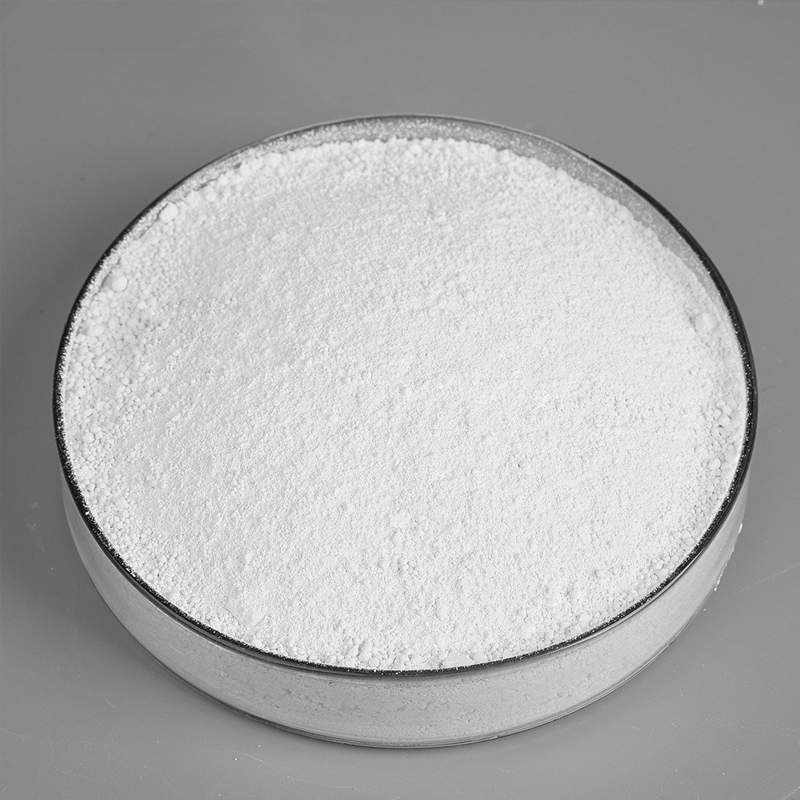
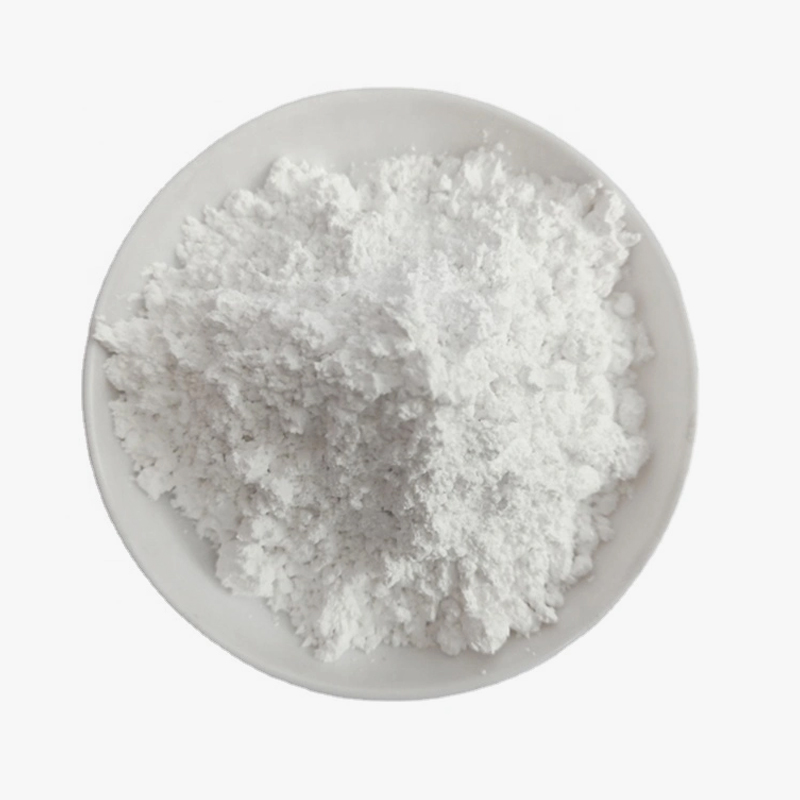
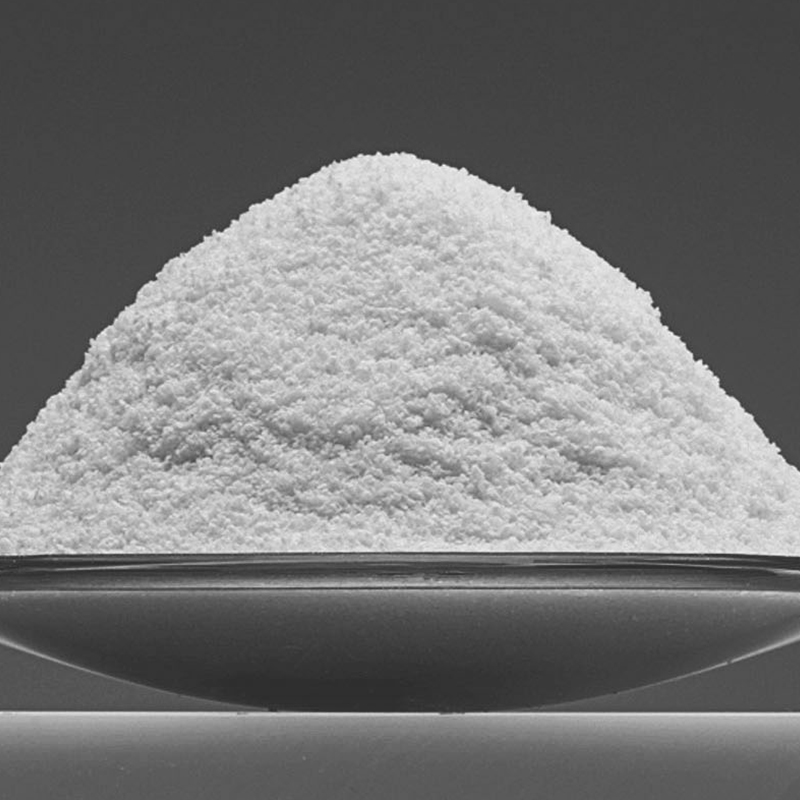
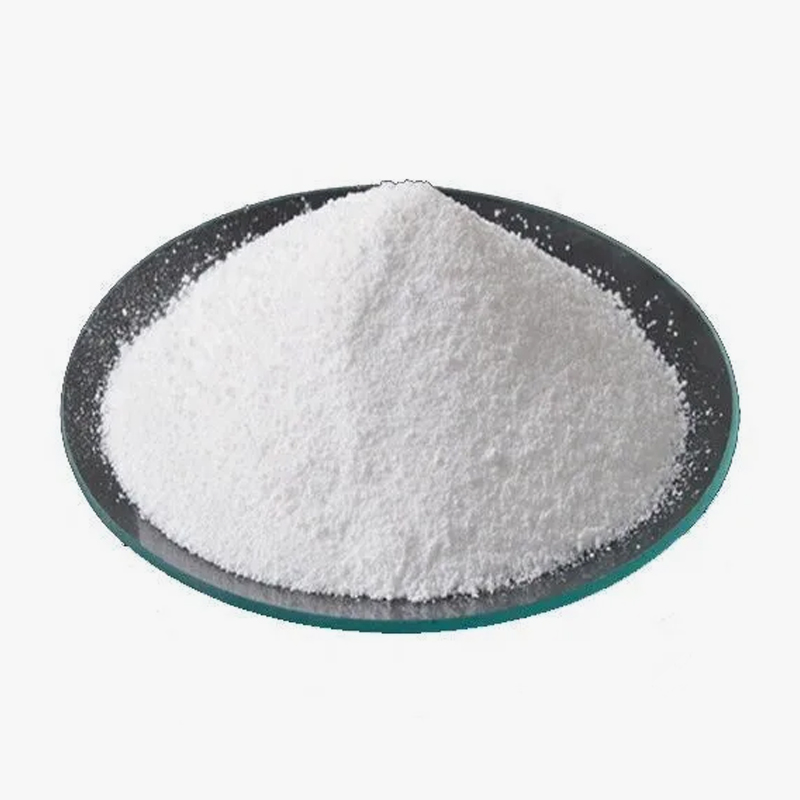
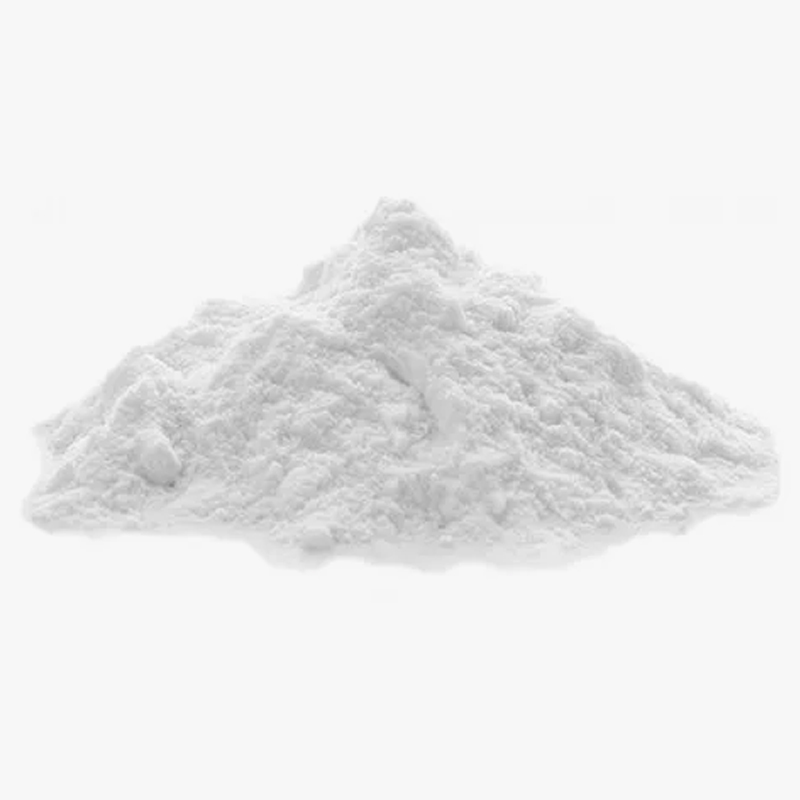
Hydroxypropyl Starch Ether (HPS), as a chemically modified starch, is widely used in cement, gypsum-based mortar products and other building materials. It can not only effectively improve the viscosity and processing performance of the material, but also play an important role in improving crack resistance and reducing costs.
1. Basic properties and functions of HPS
Hydroxypropyl starch ether is chemically modified by introducing a hydroxypropyl group (-CH2CHOHCH3) into the natural starch molecule. Through this process, HPS not only retains the natural characteristics of starch, but also has stronger water solubility, thickening and stability, making it an ideal thickener.
The main functions of HPS include:
Thickening effect: HPS can significantly increase the consistency of cement or gypsum-based mortar, giving it good construction performance.
Improve crack resistance: When used in combination with other thickeners such as HPMC or HEMC, HPS can improve the crack resistance of mortar and reduce the occurrence of dry cracks.
Improved processability: HPS can improve the workability of mortar or slurry, making it smoother and easier to apply.
Reduce formulation costs: Compared with traditional thickeners, HPS is more cost-effective and can reduce production costs while ensuring performance.
2. Advantages of HPS as a thickener
(1) Efficient thickening effect
As a thickener, HPS can achieve significant thickening effects at lower concentrations. Compared with traditional thickeners (such as HPMC), HPS has strong water absorption and dispersibility. Adding a small amount of HPS to cement and gypsum-based mortar can significantly increase the viscosity, thus improving the durability and ease of operation during construction.
(2) Improve crack resistance
In cement or gypsum-based mortars, the appearance of cracks is usually caused by shrinkage caused by excessive evaporation of water. HPS helps control the shrinkage of cement or gypsum slurries by improving the rheological properties of the slurry, thereby significantly reducing the occurrence of cracks. In addition, HPS can also be combined with other polymers (such as HPMC or HEMC) to enhance the crack resistance effect.
(3) Better water solubility and dispersibility
Compared with traditional thickeners, HPS has better water solubility and dispersion. This means that when used, HPS can quickly mix with water to form a uniform thickening effect and is not easy to clump, ensuring that there will be no uneven mixture during the construction process.
(4) Enhance construction performance
HPS can effectively increase the construction time of mortar and prevent the material from drying out too quickly. Due to its obvious thickening effect, the mortar or slurry can remain open for a longer time during the construction process, giving workers more time to make trimmings and adjustments, and improving construction efficiency.
(5) Reduce formula costs
Traditional thickeners such as HPMC and HEMC are usually more expensive. HPS has a low cost of use and excellent thickening effect, which can effectively reduce production costs without sacrificing performance. Especially in mass production, HPS can provide good cost performance and help companies reduce production costs.
3. Comparison between HPS and other thickeners
In order to understand the advantages of HPS more intuitively, let's compare it with common thickeners-HPMC (hydroxymethylcellulose) and HEMC (hydroxyethylmethylcellulose):
| Comparison Item | HPS (Hydroxypropyl Starch Ether) | HPMC (Hydroxypropyl Methylcellulose) | HEMC (Hydroxyethyl Methylcellulose) |
| Thickening Effect | Strong, effective with small amounts | Strong, but requires higher concentration | Weaker, requires higher concentration to achieve thickening |
| Water Solubility | Excellent, dissolves quickly in water | Good, dissolves slightly slower | Poor, dissolves slowly |
| Crack Resistance Improvement | Excellent, better when used with other thickeners | Good, but not as effective as HPS | Fair, weak crack resistance |
| Cost-Effectiveness | Superior, relatively economical | Expensive, higher cost | Expensive, higher cost |
| Heat Resistance | Good, suitable for high-temperature environments | Fair, lower heat resistance | Poor, not suitable for high-temperature environments |
As can be seen from the table, HPS has certain advantages over HPMC and HEMC in terms of thickening effect, solubility, crack resistance and cost-effectiveness, especially in reducing production costs and improving construction performance.
4. Application fields of HPS
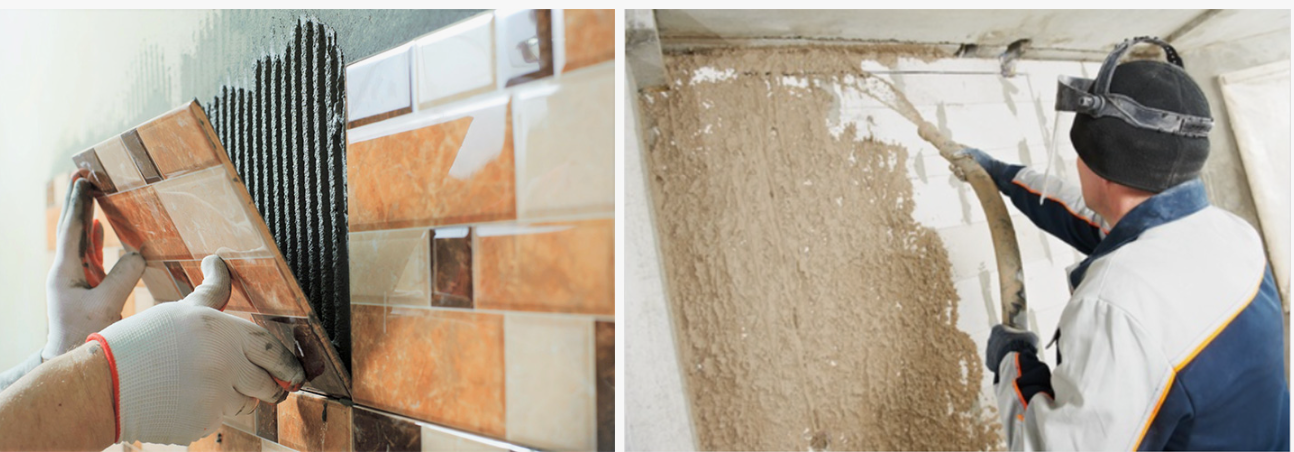
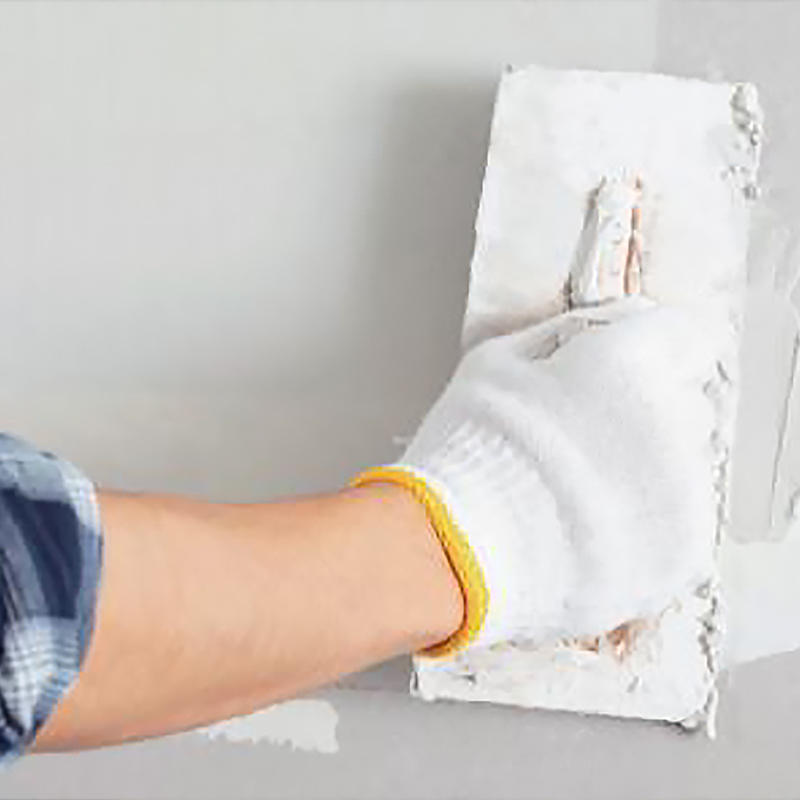
Due to the thickening effect and cost advantages of HPS, it is widely used in a variety of building materials products. Especially in construction materials such as cement mortar and gypsum-based mortar, HPS, as a thickener, can significantly improve the workability and durability of the material.
In addition to these traditional construction applications, HPS can also play a role in the following areas:
Coating industry: used as a thickener to improve the rheology and construction performance of coatings.
Adhesives: Improve the stability and durability of adhesives.
Paint: Improve the coating properties of paint and prevent the paint film from sagging.
Ceramic and glass industry: used as a thickener for slurry to improve the molding effect and stability of the product.
Hydroxypropyl starch ether (HPS) has obvious advantages as a thickener. It can not only increase the viscosity of cement and gypsum-based mortars and improve the crack resistance, but can also further improve performance by being used in conjunction with other thickeners. Compared with other thickeners, HPS has lower cost and better performance-price ratio, and is especially suitable for large-scale production.
 Email: sarah@ys-cellulose.com
 Phone: +86-18067879812 / +86-575-82966958


