


 简体中文
简体中文 English
 русский
 عربى
عربى Español
As consumers' demands for personal care products continue to rise, the formulations of shampoos and conditioners are also evolving. To meet users' increasing requirements for hair care, comfort, and environmental friendliness, more and more natural and highly effective ingredients are being added to these products.
Among them, hydroxyethyl cellulose (HEC), as an important chemical raw material, is widely used in the production of shampoos and conditioners. It not only improves product performance but also provides consumers with a better user experience. So, what are the specific roles of hydroxyethyl cellulose in shampoos and conditioners?
1. What is Hydroxyethyl Cellulose (HEC)?
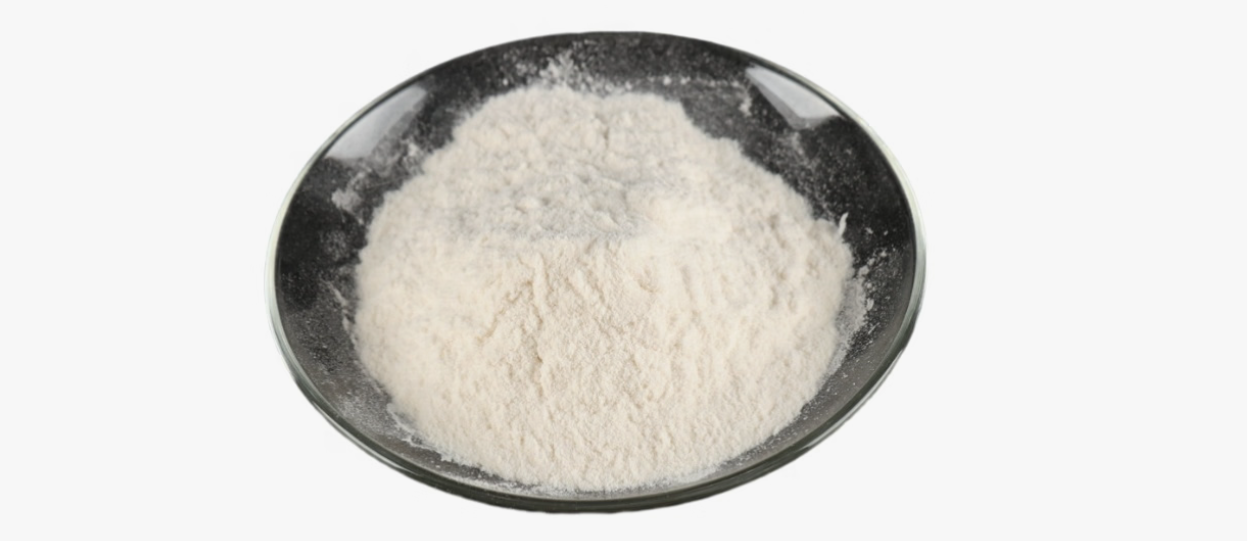
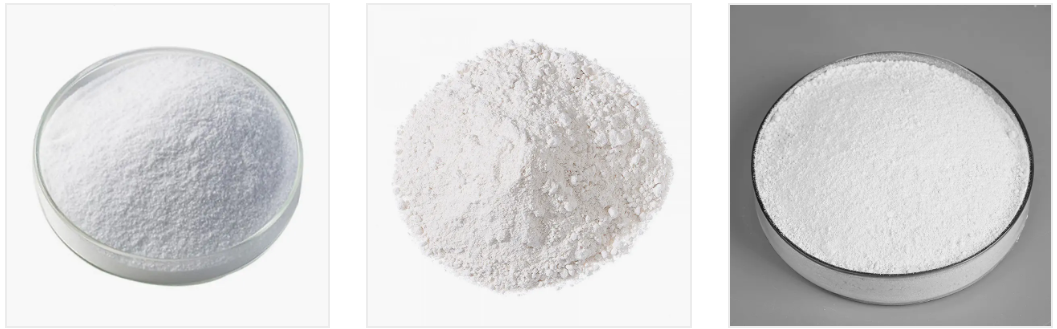
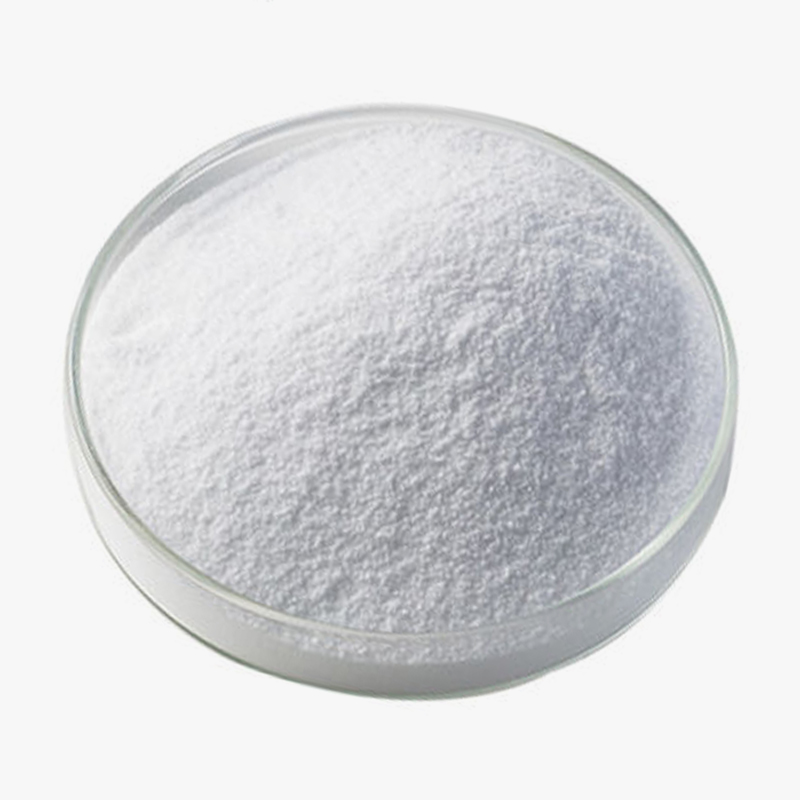
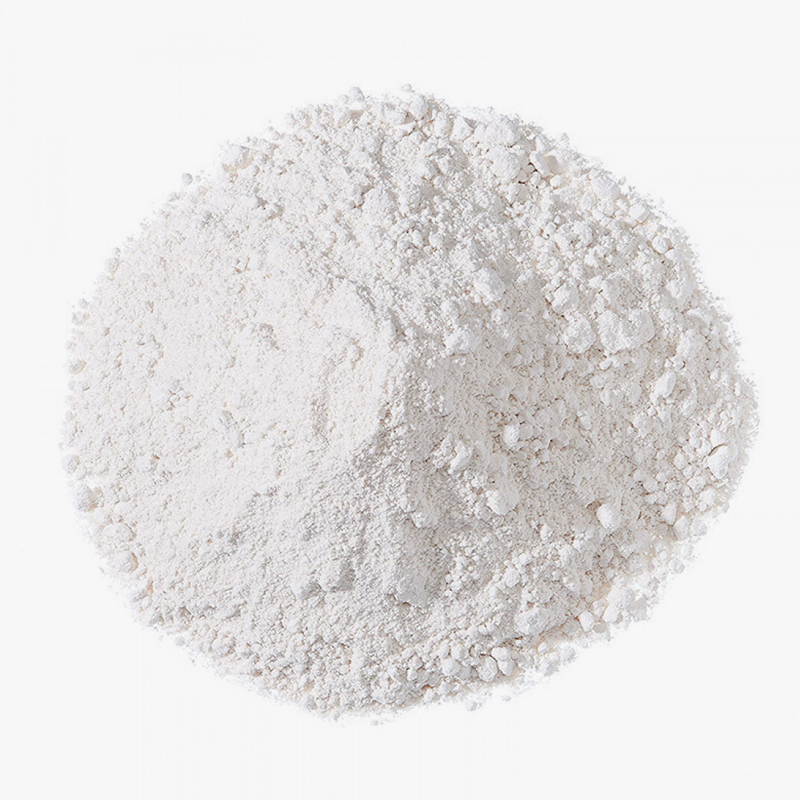
Hydroxyethyl cellulose is a water-soluble polymer compound obtained from natural cellulose through chemical processing. Its molecular structure contains ethyloxy groups, giving it strong hydrophilicity and allowing it to dissolve in water to form a viscous solution. As a nonionic thickener, hydroxyethyl cellulose is widely used in coatings, cosmetics, detergents, and pharmaceutical preparations, especially in personal care products, where its various unique performance advantages make it a key ingredient in shampoos, conditioners, and shower gels.
2. The Role of Hydroxyethyl Cellulose in Shampoo
In shampoo formulations, hydroxyethyl cellulose primarily enhances product performance through the following aspects:
(1) Thickening Effect
One of the most significant functions of hydroxyethyl cellulose is its thickening effect. By increasing the viscosity of the shampoo, it makes the shampoo more concentrated, easier to adhere to the hair, and increases comfort and ease of use. Especially in low-foaming shampoos and sulfur-free formulas, hydroxyethyl cellulose effectively improves the spreadability and fluidity of the product through its thickening effect, making it more evenly distributed during use.
(2) Improved Foaming Performance
Although hydroxyethyl cellulose itself does not produce foam, it significantly affects the stability and richness of the foam. By adjusting the viscosity of the shampoo, hydroxyethyl cellulose helps the foam to distribute evenly and maintain its consistency for a longer period, preventing it from defoaming and thus improving the shampooing experience. Furthermore, it slows down the rate at which the foam disappears, helping the shampoo maintain a good foam state during the cleansing process.
(3) Enhancing Hair Softness and Smoothness
As a hydrophilic molecule, hydroxyethyl cellulose can adhere to the hair surface during shampooing, forming a thin film that reduces friction and helps to smooth the hair, thus improving the softness and smoothness after shampooing. This makes the hair easier to comb and reduces hair damage caused by shampooing and combing.
(4) Moisturizing Effect
Hydroxyethyl cellulose has excellent hygroscopic properties, effectively absorbing and retaining moisture on the hair. This provides extra moisture to the hair during shampooing, preventing dryness and frizz caused by moisture loss.
3. The Role of Hydroxyethyl Cellulose in Conditioner
Similar to shampoo, hydroxyethyl cellulose plays a very important role in conditioner, mainly in the following aspects:
(1) Enhancing the Texture and Feel of Conditioner
The main function of conditioner is to repair damage by nourishing the hair and provide long-lasting moisturizing and protection. As a thickener, hydroxyethyl cellulose makes the texture of the conditioner more delicate and smooth, making it easier to apply evenly to the hair. It helps regulate the consistency of conditioner, giving it ideal spreadability and improving the product's usability.
(2) Enhancing Hair Conditioning Effects
Adding hydroxyethyl cellulose to conditioner not only helps improve the product's consistency and viscosity but also forms a protective film on the hair surface, locking in moisture and reducing environmental damage. This makes the conditioner easier to distribute evenly during use and provides continuous moisture, resulting in smoother, softer hair.
(3) Repairing Damaged Hair
Like other polymers, hydroxyethyl cellulose molecules can penetrate the surface of the hair, filling tiny cracks and gaps, thus reducing damage caused by external factors. Especially for hair treated with high temperatures such as dyeing and perming, using conditioner containing hydroxyethyl cellulose can effectively repair hair quality and enhance shine and elasticity.
4. Other Advantages of Hydroxyethyl Cellulose
In addition to the main functions mentioned above, hydroxyethyl cellulose also has the following additional advantages:
| Property | Description |
| Mild and Non-irritating | Hydroxyethyl cellulose does not contain any irritating ingredients, making it safe for use on skin and hair without causing adverse reactions. |
| Environmentally Friendly | As a derivative of natural cellulose, hydroxyethyl cellulose is biodegradable and meets environmental standards. |
| Strong Compatibility | Hydroxyethyl cellulose has good solubility and compatibility, allowing it to blend well with various chemical ingredients, enhancing formula stability. |
| Enhances Product Stability | Hydroxyethyl cellulose helps stabilize the product's texture during long-term storage, preventing separation or sedimentation. |
Hydroxyethyl cellulose plays a multifaceted role in shampoos and conditioners. As a natural and highly effective thickener and humectant, hydroxyethyl cellulose enhances foam stability, improves the user experience, increases hair smoothness, and provides additional moisturizing protection. Furthermore, it is gentle, environmentally friendly, and has strong compatibility, resulting in more stable and effective overall formulations for shampoos and conditioners.

 Email: sarah@ys-cellulose.com
 Phone: +86-18067879812 / +86-575-82966958


