


 简体中文
简体中文 English
 русский
 عربى
عربى Español
If you work in industries such as coatings, cosmetics, construction, or pharmaceuticals, you're probably familiar with Hydroxyethyl Cellulose (HEC). You may have also heard of it frequently appearing in "thickeners" or "film-forming agents," but do you know exactly what it is and why it's crucial to these industries? Today, let's talk about HEC and explore how it can add value to your production process.
Content
- 1 1. What exactly is HEC? How does it work?
- 2 2. Why is HEC so important?
- 3 3. How does it work?
- 4 4. Advantages and Disadvantages of Hydroxyethyl Cellulose: What to Consider?
- 5 5. When to Use HEC? In which application scenarios is it particularly useful?
- 6 6. How should I use HEC? What should I pay attention to?
1. What exactly is HEC? How does it work?
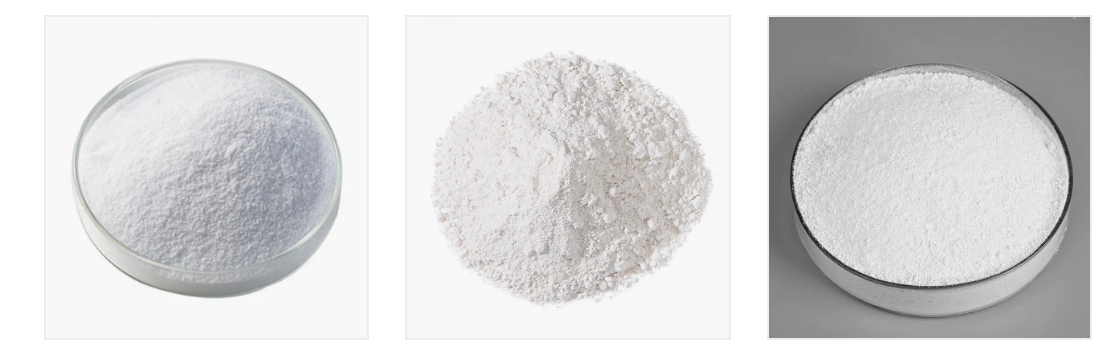
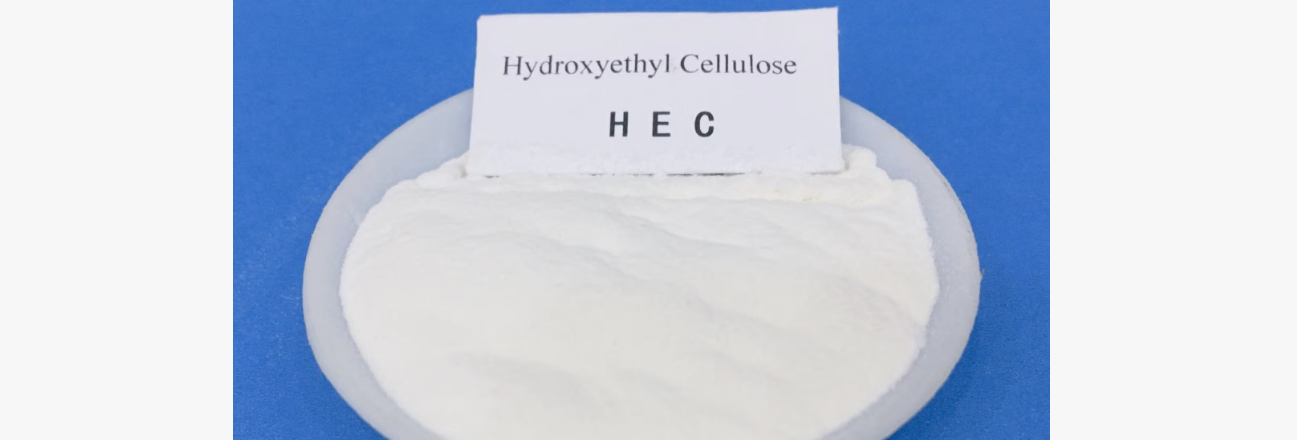
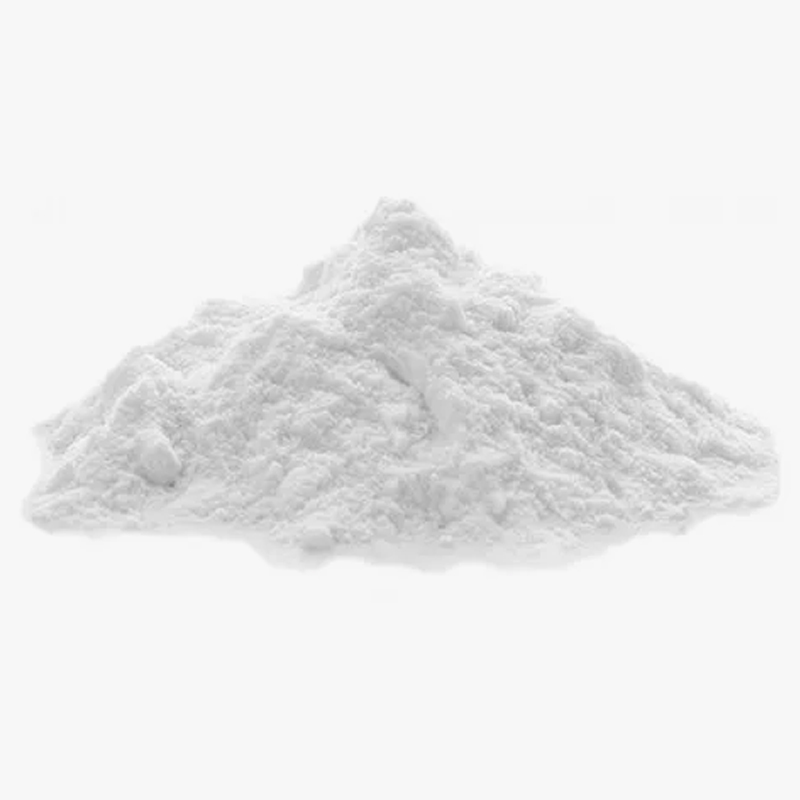
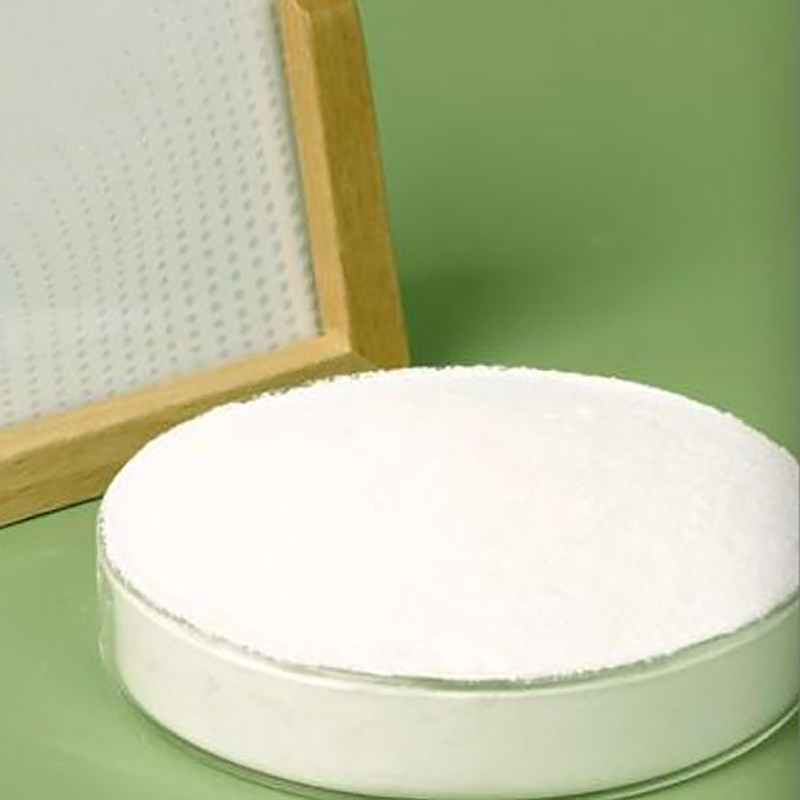
Simply put, Hydroxyethyl Cellulose (HEC) is a water-soluble polymer made from natural plant fibers (usually wood or cotton) through chemical modification (adding hydroxyethyl groups to the molecule). This small modification allows it to dissolve quickly in water and form a viscous solution.
You can think of it as a super thickener. Its molecular structure determines that it can absorb water and swell, thereby increasing the viscosity of the product. This means it can help coatings, detergents, adhesives, and other liquid products become thicker, or provide appropriate fluidity when needed.
2. Why is HEC so important?
(1) It improves product stability
Whether in coatings or cosmetics, HEC helps maintain the uniformity of the formulation. For example, in coatings, HEC ensures that pigments are evenly distributed, preventing sedimentation or stratification problems. It acts like a "stirrer," helping various components remain consistent over time, ensuring stable product quality.
(2) It improves the user experience
In personal care products such as creams and shampoos, HEC helps the product spread more smoothly, providing better spreadability and comfort. It's not only a thickener but also acts as a softening agent, making the user feel smoother when applying the product.
(3) It is essential in certain processes
In the construction industry, HEC is often added to cement and mortar to improve their fluidity and adhesion. Without HEC, concrete and mortar might become too dry or too thin, making them difficult to work with and potentially affecting the structural stability. 3. How does it work?
The working principle of HEC is actually quite simple. When mixed with water, the molecules quickly absorb water and swell, forming a "network" structure. This structure helps increase the viscosity of the liquid, preventing it from flowing too freely and maintaining a suitable thickness. For example, you may have noticed that in bottles of paint or cosmetics, the liquid doesn't flow out quickly, but instead drips slowly or has good spreadability; this is where HEC is at work.
3. How does it work?
The working principle of HEC is quite simple. When mixed with water, the molecules quickly absorb water and swell, forming a "network" structure. This structure helps increase the viscosity of the liquid, preventing it from flowing too quickly and maintaining a suitable thickness. For example, you may notice that in bottles of paint or cosmetics, the liquid doesn't flow out quickly, but instead drips slowly or has good spreadability; this is where HEC is at work.
4. Advantages and Disadvantages of Hydroxyethyl Cellulose: What to Consider?
Advantages:
Improved formula stability and uniformity: HEC helps distribute ingredients evenly in many formulations, preventing problems such as layering and sedimentation.
Enhanced user experience: In personal care and cosmetics, HEC improves product texture, providing a better feel and spreadability.
Adaptable to different needs: HEC can adjust its viscosity according to different application requirements, meeting the needs of various industries from coatings to pharmaceuticals and construction.
Environmentally friendly: Because it is derived from natural plants and is water-soluble, HEC is relatively more environmentally friendly and suitable for sustainable production.
Disadvantages:
Temperature sensitivity: Although HEC is a powerful thickener, it is relatively sensitive to temperature changes. At higher temperatures, it may degrade or lose effectiveness. Therefore, caution is needed when using it in high-temperature production environments.
Cost of use: Compared to some traditional thickeners, HEC may be slightly more expensive, especially when large quantities are needed. This cost difference may affect the final product price.
Dissolution rate: Although HEC is highly soluble in water, at certain concentrations, it may take some time to dissolve completely, especially when the amount added is high. If there is insufficient stirring during the production process, particles or unevenness may occur.
5. When to Use HEC? In which application scenarios is it particularly useful?
HEC applications are almost ubiquitous, especially in situations requiring liquid viscosity and stability. Here are some typical applications to help you better understand its role:
Paints and coatings: HEC helps coatings maintain good fluidity, ensuring even pigment distribution, preventing sedimentation, and making application smoother.
Building materials: For example, mortar, adhesives, tile adhesives, etc., HEC can increase the viscosity of these materials, ensuring easier handling during construction and increasing the adhesion of the materials.
Personal care and cosmetics: HEC is an important ingredient in many skincare products, creams, shampoos, shower gels, etc. It helps increase the viscosity of these products and improves the user experience.
Pharmaceutical preparations: In some pharmaceutical formulations, HEC helps in the dispersion and release of drug components, ensuring that the drug can be more effective in the body.
6. How should I use HEC? What should I pay attention to?
If you plan to use HEC in your production process, here are a few suggestions:
Choose the correct type and concentration of HEC: HEC is available in different types and concentrations. You need to choose the appropriate type based on your specific application requirements. Using too much may result in an overly viscous product, affecting its usability; using too little will not achieve the desired thickening effect.
Ensure complete dissolution: HEC needs to be fully dissolved in warm water to ensure there are no remaining particles, otherwise it may affect the appearance and quality of the product. Stirring or heating can be used to aid dissolution.
Control the production environment temperature: If you are using HEC in a high-temperature environment, pay special attention to its stability. High temperatures may cause it to decompose, affecting the quality of the final product.
Hydroxyethyl cellulose (HEC), as a highly effective thickening agent and stabilizer, has a wide range of applications in various industries. Whether in coatings, construction, cosmetics, or pharmaceuticals, it can improve product stability, user experience, and processing performance.

 Email: sarah@ys-cellulose.com
 Phone: +86-18067879812 / +86-575-82966958


