


 简体中文
简体中文 English
 русский
 عربى
عربى Español
Hydroxyethyl Methyl Cellulose, commonly known as HEMC, is a non-ionic cellulose ether widely used in construction, coatings, ceramics, pharmaceuticals, and personal care products. Thanks to its excellent water retention, thickening ability, and workability enhancement, HEMC has become an essential functional additive in many industrial formulations.
Content
- 1 What Is Hydroxyethyl Methyl Cellulose (HEMC)?
- 2 How Does HEMC Work in Formulations?
- 3 Key Properties of Hydroxyethyl Methyl Cellulose
- 4 Main Applications of HEMC
- 5 Why Is HEMC Widely Used in Construction Materials?
- 6 HEMC vs Other Cellulose Ethers
- 7 How to Choose the Right HEMC Grade?
- 8 Is HEMC Safe and Environmentally Friendly?
- 9 Future Trends of Hydroxyethyl Methyl Cellulose
- 10 Conclusion
What Is Hydroxyethyl Methyl Cellulose (HEMC)?
HEMC is a chemically modified natural polymer derived from refined cellulose, usually sourced from wood pulp or cotton linters. Through etherification reactions, hydroxyl groups on the cellulose backbone are substituted with methyl and hydroxyethyl groups. This modification gives HEMC its unique solubility and functional properties.
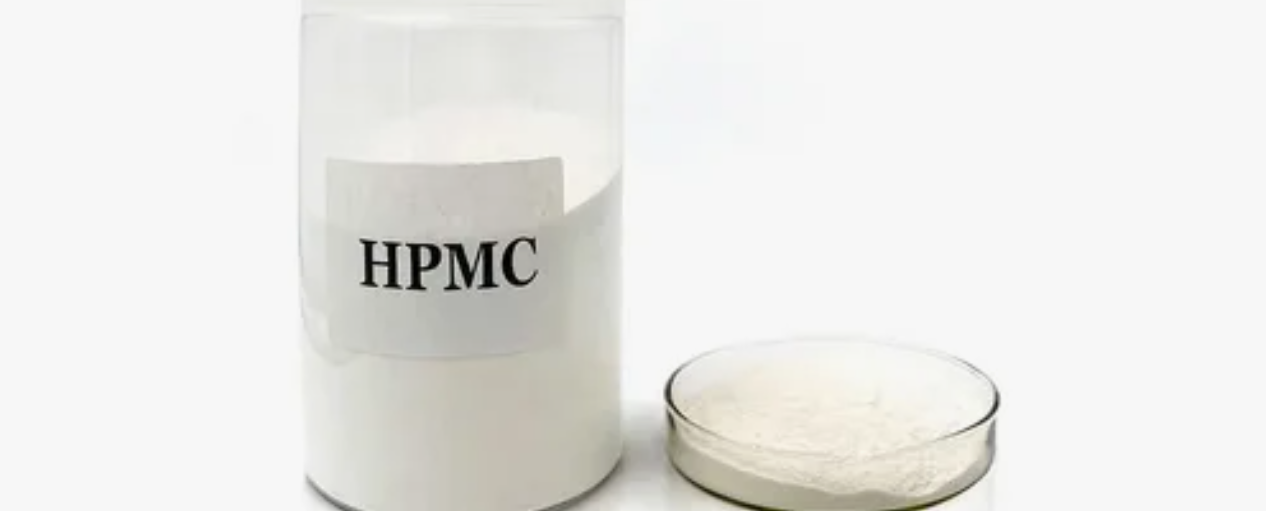
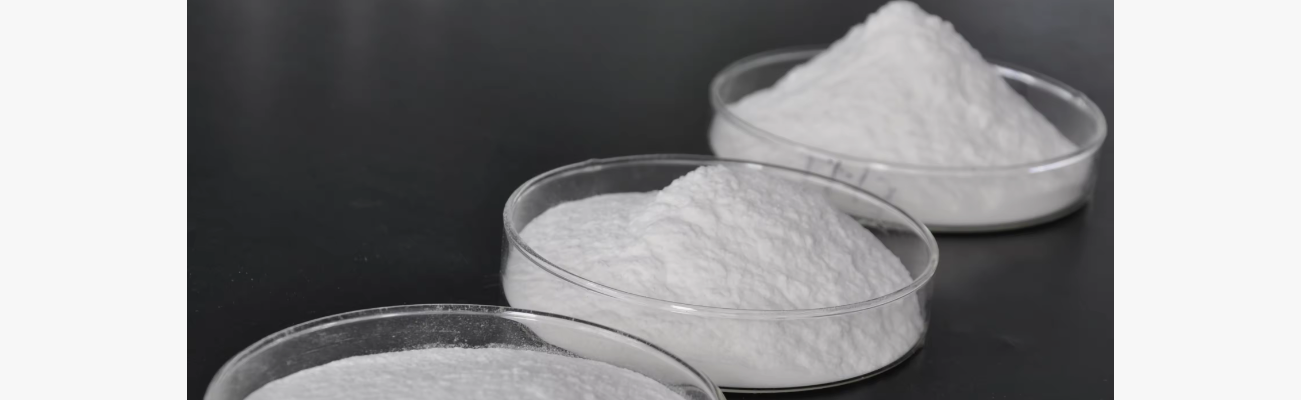
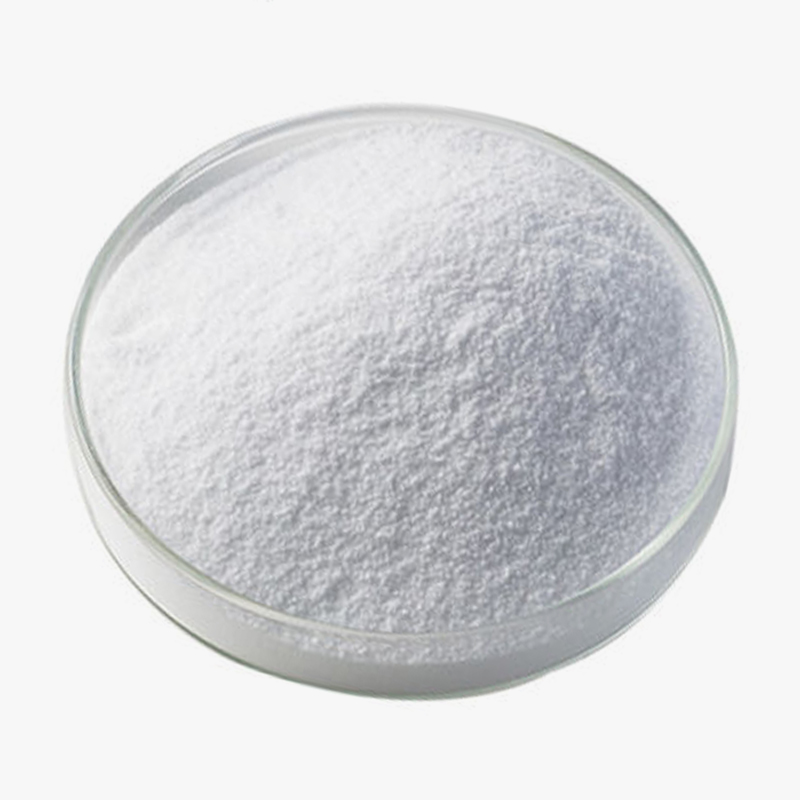
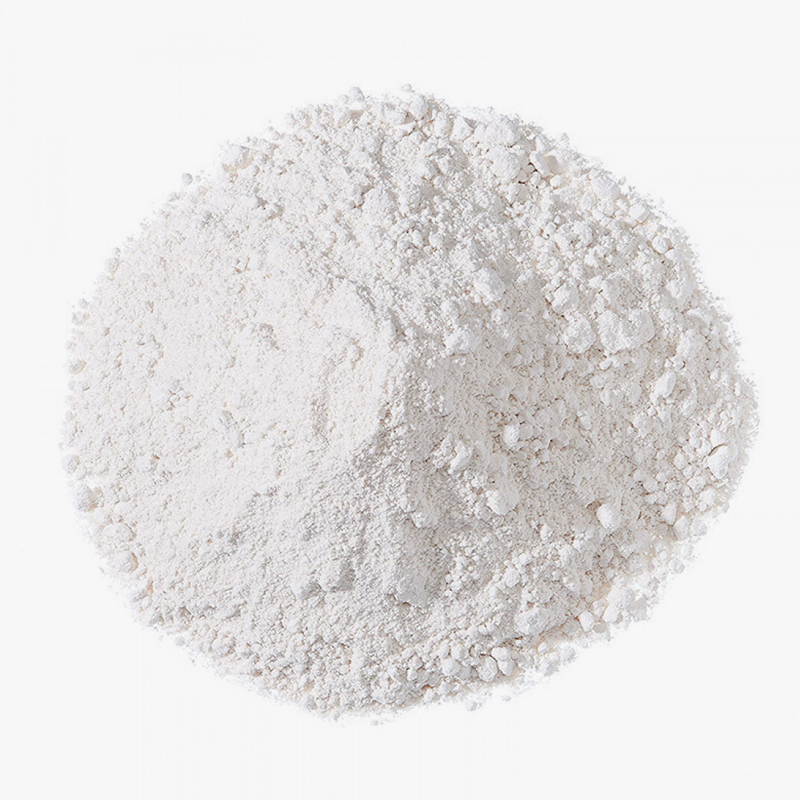
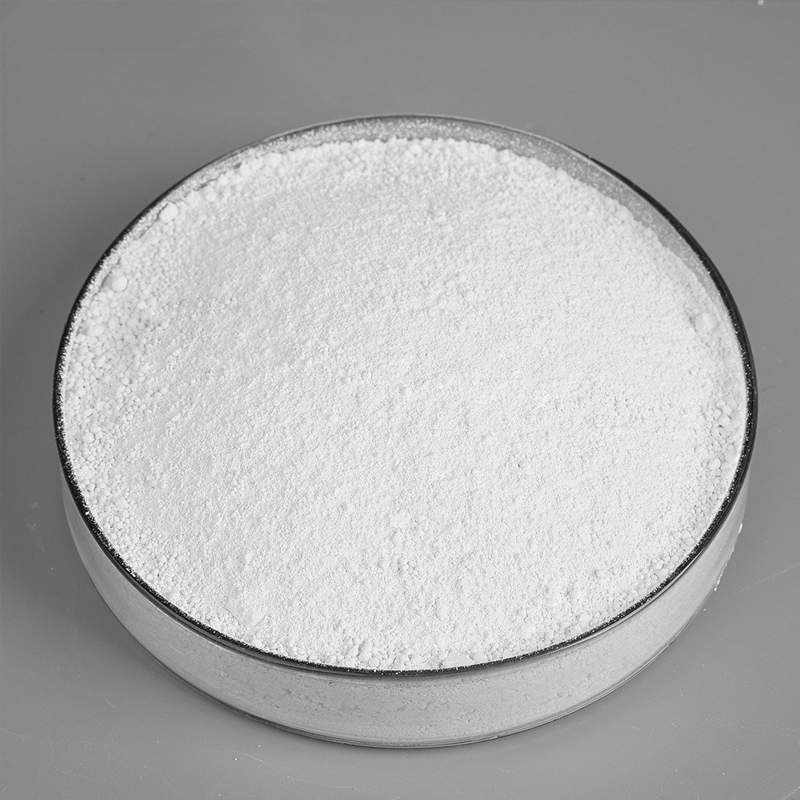
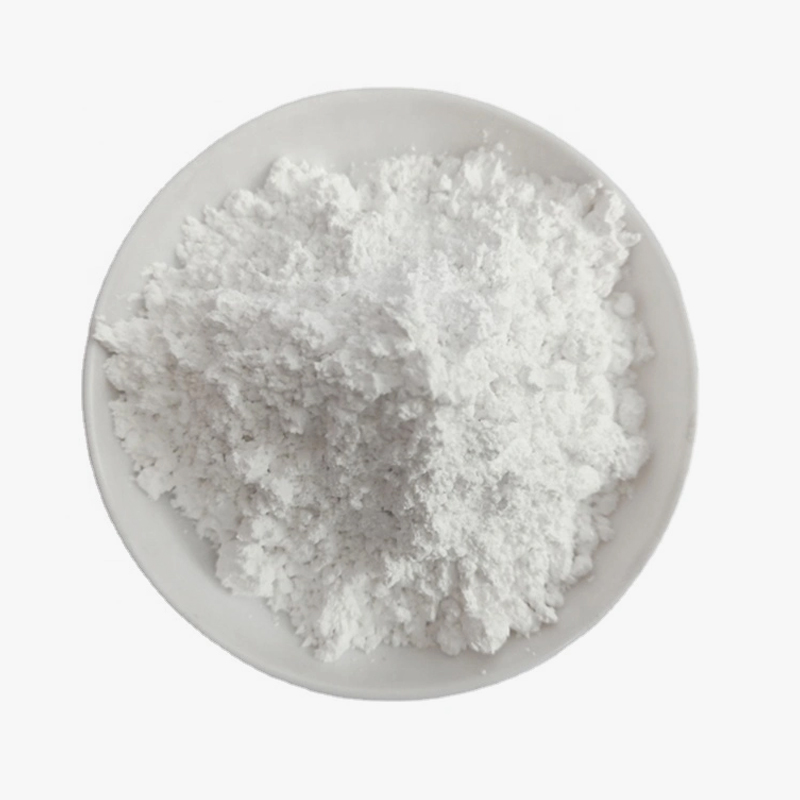
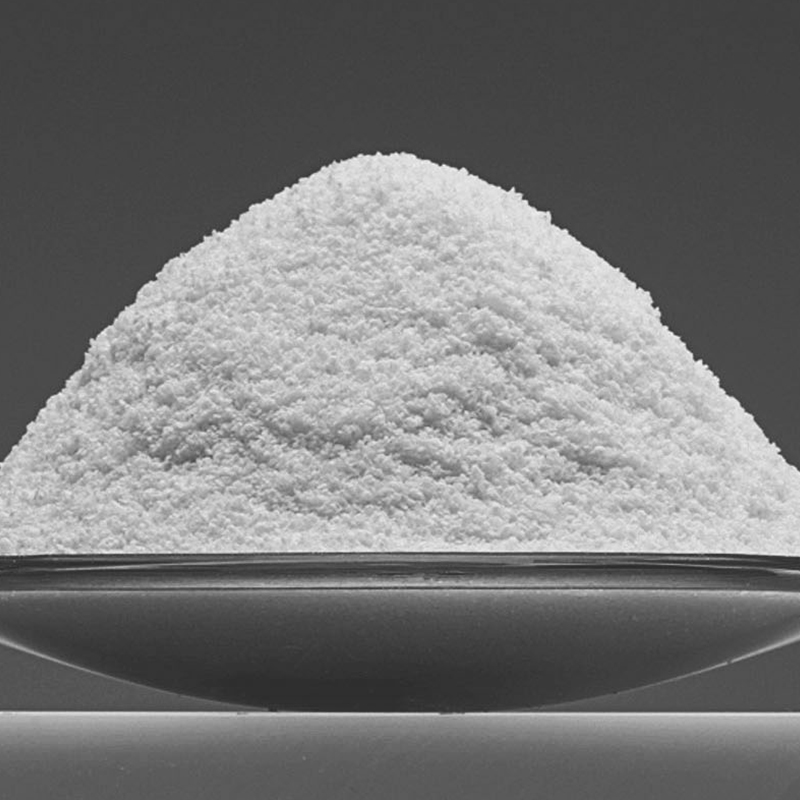
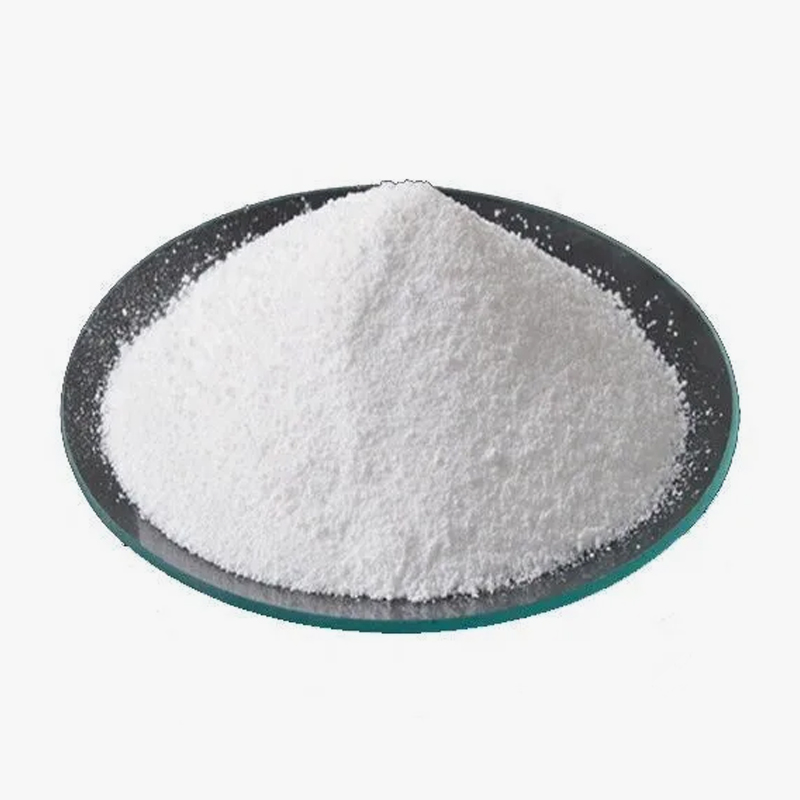
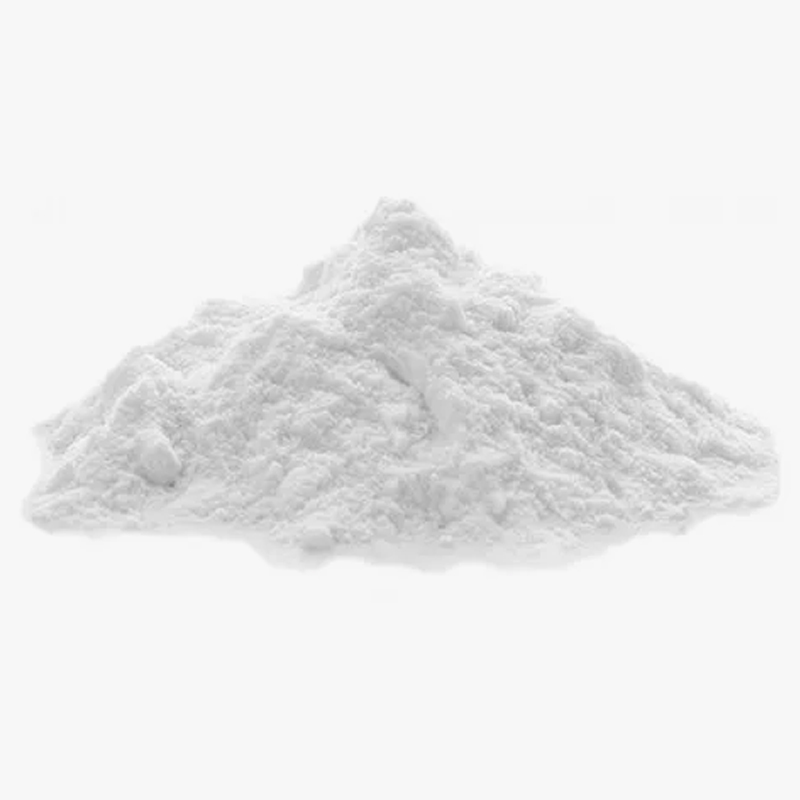
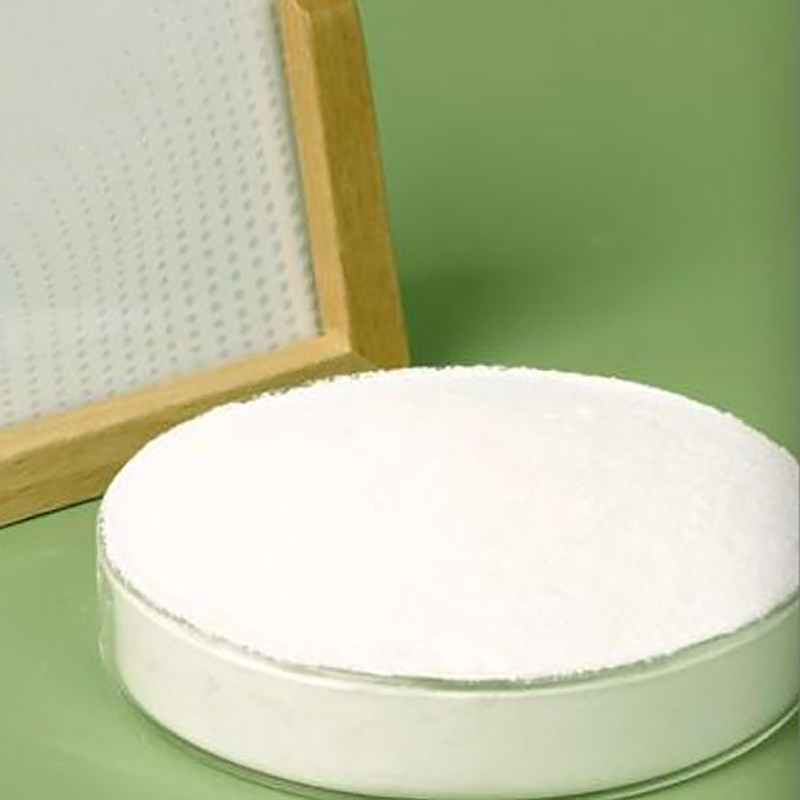
As a cellulose ether, HEMC appears as a white or off-white powder that dissolves easily in cold water to form a transparent, viscous solution. It is odorless, tasteless, non-toxic, and environmentally friendly, making it suitable for both industrial and consumer applications.
How Does HEMC Work in Formulations?
The performance of Hydroxyethyl Methyl Cellulose is mainly based on its molecular structure and hydrophilic nature. When HEMC is added to water-based systems, it forms a three-dimensional network that interacts with water molecules. This mechanism allows it to perform multiple functions simultaneously.
Water Retention Function
HEMC effectively binds water and slows down evaporation. In cement-based materials, this ensures sufficient hydration time for cement particles, improving strength development and reducing cracking.
Thickening and Viscosity Control
HEMC increases the viscosity of liquid systems, providing better consistency and stability. This is crucial in tile adhesives, coatings, and mortars where smooth application and sag resistance are required.
Improved Workability
By enhancing lubrication and flow behavior, HEMC improves the workability of construction materials. This makes products easier to spread, trowel, and level during application.
Key Properties of Hydroxyethyl Methyl Cellulose
The popularity of HEMC is closely related to its outstanding performance characteristics.
- Excellent Water Solubility: Dissolves quickly in cold water without lumping.
- High Water Retention: Reduces moisture loss in cementitious systems.
- Thermal Stability: Maintains performance across a wide temperature range.
- Salt Resistance: Performs well even in formulations with electrolytes.
- Good Film Formation: Helps create smooth and uniform surfaces.
- Eco-Friendly: Derived from renewable cellulose resources.
Main Applications of HEMC
Hydroxyethyl Methyl Cellulose is used across multiple industries due to its versatility.
Construction Industry
The construction sector is the largest consumer of HEMC. It is widely used in:
- Tile adhesives
- Cement mortars
- Self-leveling compounds
- Gypsum-based plasters
- Exterior insulation systems (EIFS)
In these applications, HEMC improves open time, bonding strength, water retention, and workability, resulting in higher-quality finished surfaces.
Paints and Coatings
In water-based paints and coatings, HEMC functions as a rheology modifier and stabilizer. It enhances flow control, prevents pigment settling, and improves coating uniformity. This leads to smoother finishes and better brush or roller performance.
Ceramics and Building Materials
HEMC is also used in ceramic extrusion and molding processes. It provides binding strength and improves plasticity, helping manufacturers achieve precise shapes and better surface quality.
Pharmaceutical and Personal Care Products
Because of its safety and stability, Hydroxyethyl Methyl Cellulose is used in tablet coatings, controlled-release formulations, shampoos, lotions, and toothpaste. It acts as a thickener, binder, and stabilizer in these products.
Why Is HEMC Widely Used in Construction Materials?
The construction industry demands additives that deliver consistent performance under harsh working conditions. HEMC meets these requirements through several advantages.
Improved Cement Hydration
HEMC slows water evaporation, ensuring full cement hydration. This improves compressive strength and reduces surface defects such as cracks and powdering.
Enhanced Adhesion Strength
Tile adhesives formulated with HEMC exhibit stronger bonding performance, reducing tile slippage and improving long-term durability.
Better Work Efficiency
By extending open time and improving workability, HEMC allows workers more flexibility during application, reducing material waste and labor costs.
HEMC vs Other Cellulose Ethers
Many users compare Hydroxyethyl Methyl Cellulose with similar products such as HPMC (Hydroxypropyl Methyl Cellulose) and HEC (Hydroxyethyl Cellulose).
HEMC vs HPMC
HEMC generally offers better water retention at higher temperatures and improved workability in cement systems. It is often preferred for exterior construction materials exposed to hot climates.
HEMC vs HEC
HEC is mainly used in paints and coatings, while HEMC performs better in cement-based applications due to its superior thermal gelation and setting control properties.
How to Choose the Right HEMC Grade?
Selecting the correct HEMC grade is critical for achieving optimal performance.
Viscosity Level
Different applications require different viscosity ranges. Tile adhesives typically need medium to high viscosity HEMC, while self-leveling compounds use lower viscosity grades.
Substitution Degree
The degree of substitution affects solubility, water retention, and thermal stability. Professional suppliers provide customized grades based on customer requirements.
Application Environment
Climate conditions, formulation composition, and production processes should all be considered when selecting HEMC.
Is HEMC Safe and Environmentally Friendly?
Hydroxyethyl Methyl Cellulose is widely recognized as safe for industrial and consumer use. It is non-toxic, biodegradable, and derived from renewable natural cellulose resources.
HEMC does not release harmful substances during application and complies with international environmental and safety standards. This makes it suitable for green building materials and sustainable manufacturing practices.
Future Trends of Hydroxyethyl Methyl Cellulose
With the global construction industry focusing on sustainability, energy efficiency, and performance improvement, demand for high-quality HEMC continues to grow.
Future developments include customized functional grades, improved temperature resistance, and enhanced compatibility with new eco-friendly binders. As technology advances, HEMC will play an even more important role in modern material science.
Conclusion
Hydroxyethyl Methyl Cellulose (HEMC) is a versatile and high-performance cellulose ether that significantly improves product quality across multiple industries. From construction materials and coatings to pharmaceuticals and personal care products, HEMC delivers outstanding water retention, thickening, and workability enhancement.

 Email: sarah@ys-cellulose.com
 Phone: +86-18067879812 / +86-575-82966958


