


 简体中文
简体中文 English
 русский
 عربى
عربى Español
Hydroxyethyl cellulose (HEC) is a versatile, water-soluble polymer derived from cellulose, a natural substance found in plant cell walls. It is widely used in various industries, particularly in personal care products, pharmaceuticals, and industrial applications. One of the main advantages of HEC is its ability to enhance product stability. So, how does HEC improve product stability? What role does it play in different formulations, and how does it help produce high-quality, long-lasting products?
Content
What Is Hydroxyethyl Cellulose (HEC)?
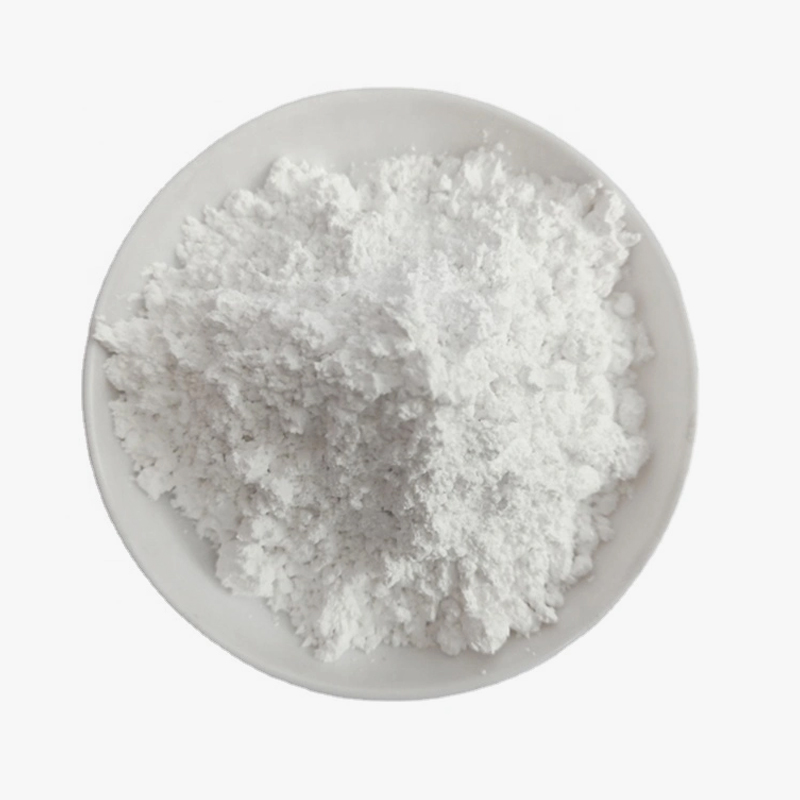
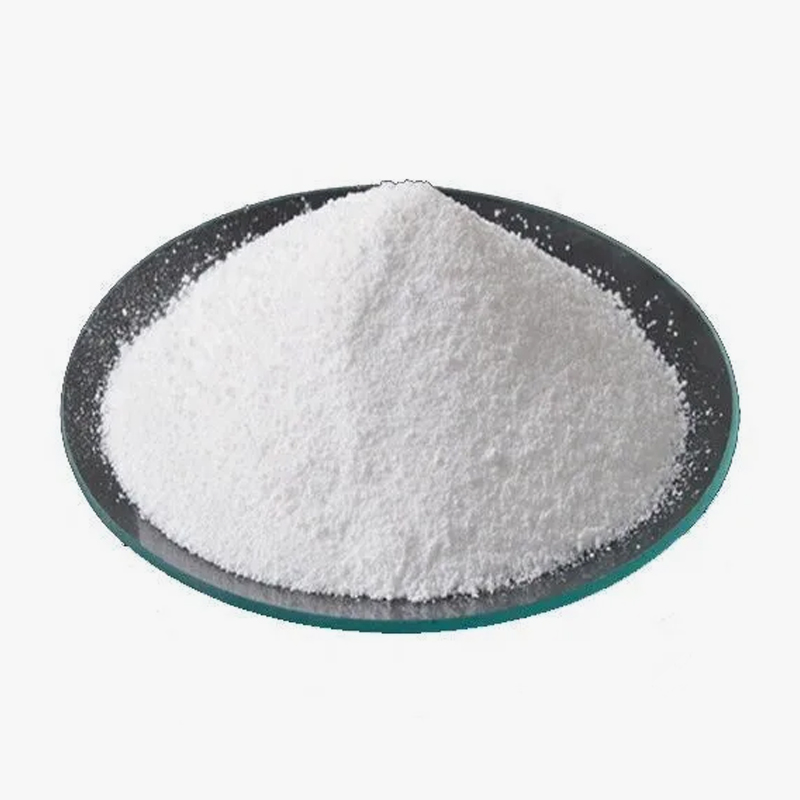
Hydroxyethyl cellulose (HEC) is a non-ionic, water-soluble cellulose derivative that is commonly used as a thickening agent, binder, and stabilizer. It is produced by chemically modifying cellulose through the reaction with ethylene oxide, introducing hydroxyethyl groups into the cellulose structure. This modification improves the solubility and functionality of cellulose in water, making it ideal for various applications in industries such as cosmetics, pharmaceuticals, and paints.
How Does HEC Improve Product Stability?
HEC plays a critical role in improving the stability of products by enhancing their viscosity, providing better consistency, and ensuring uniformity throughout the formulation. It helps to prevent separation, improve texture, and increase the shelf life of products. Below, we discuss some of the key ways HEC contributes to product stability:
1. Thickening and Viscosity Control
HEC acts as a thickening agent, which means it can adjust the viscosity of a product without altering its other properties. In formulations such as lotions, creams, and gels, HEC provides the necessary thickness to ensure a smooth, non-runny consistency. This thickness helps prevent the separation of liquid components, which is essential for maintaining uniformity and stability over time.
By controlling viscosity, HEC also ensures that the product can be easily applied and that the active ingredients are uniformly distributed, leading to consistent performance throughout the product’s life cycle.
2. Suspension of Particles
In certain products like suspensions, HEC helps to keep solid particles evenly dispersed in the liquid, preventing them from settling or clumping together. This is crucial for maintaining the effectiveness and appearance of the product, especially in applications such as paints, shampoos, and pharmaceutical suspensions. The ability to suspend particles ensures that the product performs as intended, without any unwanted separation or inconsistencies.
3. Improved Emulsion Stability
HEC is often used in emulsions, which are mixtures of oil and water. In these formulations, HEC stabilizes the emulsion by reducing the chances of phase separation, where the oil and water components separate over time. By increasing the viscosity of the water phase and improving the overall consistency of the emulsion, HEC ensures that the emulsion remains stable, thus prolonging the shelf life and effectiveness of the product.
4. Enhanced Product Texture and Feel
HEC contributes to the overall texture of a product by providing a smooth, pleasant feel when applied to the skin, hair, or other surfaces. This sensory improvement helps to enhance the user experience, making the product feel more luxurious and consistent in performance. A good texture is key to consumer satisfaction and can improve the perceived quality of the product.
5. Temperature and pH Stability
HEC enhances the stability of products under varying temperature and pH conditions. For example, in personal care products, temperature fluctuations can cause ingredients to separate or degrade. HEC helps maintain the stability of the formulation in both high and low-temperature conditions, ensuring that the product performs effectively despite environmental changes. Additionally, it provides better resistance to extreme pH levels, making the product more resilient during storage and use.
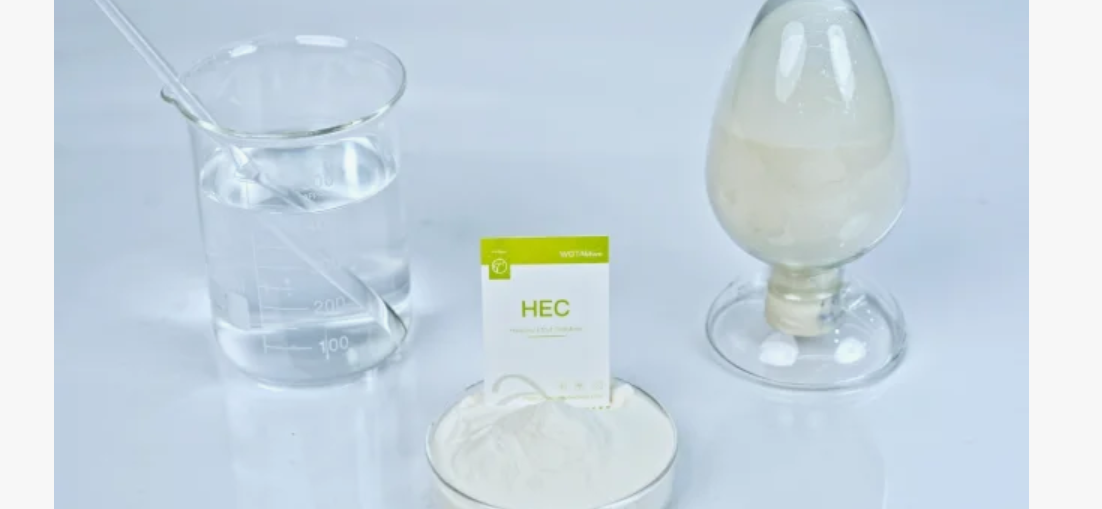
What Types of Products Benefit from HEC's Stabilizing Properties?
HEC is used in a wide range of products, particularly in industries where stability and consistency are essential. Below are some examples of products that benefit from HEC’s stabilizing properties:
1. Personal Care Products
HEC is widely used in personal care products such as shampoos, conditioners, lotions, and creams. Its ability to improve viscosity and maintain emulsion stability ensures that these products remain consistent in texture and performance, even after prolonged storage. HEC also enhances the sensory experience of applying these products, contributing to a smoother, more pleasant feel on the skin or hair.
2. Pharmaceuticals
In pharmaceuticals, HEC is commonly used in oral suspensions, gels, and topical formulations. It helps maintain the stability of active ingredients and ensures that the dosage remains consistent throughout the product’s shelf life. By preventing separation or settling, HEC ensures that the pharmaceutical product remains effective and reliable.
3. Paints and Coatings
HEC is also used in paints and coatings to improve their viscosity and prevent the separation of components. It ensures that pigments, resins, and other additives remain uniformly dispersed in the product, leading to smooth application and consistent color. HEC also helps maintain the performance of the paint or coating over time, even under different environmental conditions.
4. Food Products
In food products, HEC is used as a stabilizer and thickening agent in items like sauces, dressings, and soups. It helps maintain the desired texture, prevent separation, and improve the overall consistency of the product. HEC’s ability to stabilize emulsions is particularly important in foods that contain oil and water-based ingredients.
Table: Benefits of HEC in Different Products
| Product Type | Benefit of HEC |
| Personal Care Products | Improves texture, thickens, stabilizes emulsions, enhances sensory experience |
| Pharmaceuticals | Prevents separation, maintains active ingredient stability, ensures consistent dosage |
| Paints and Coatings | Improves viscosity, prevents separation, ensures consistent color and texture |
| Food Products | Thickens, stabilizes emulsions, improves texture and consistency |
FAQ: Frequently Asked Questions
Q1. Is HEC safe to use in consumer products?
Yes, HEC is generally considered safe for use in consumer products. It is non-toxic, non-irritating, and biodegradable, making it an ideal choice for a wide range of applications, including cosmetics, pharmaceuticals, and food products.
Q2. Can HEC improve the shelf life of products?
Yes, by stabilizing emulsions, controlling viscosity, and preventing separation, HEC can extend the shelf life of products, ensuring they maintain their effectiveness and quality over time.
Q3. How does HEC compare to other stabilizers?
HEC is preferred over other stabilizers due to its excellent water solubility, low toxicity, and versatility. Unlike some other stabilizers, HEC works well in a wide range of formulations and provides consistent performance in various pH and temperature conditions.
Q4. Is HEC used in food products?
Yes, HEC is used in food products as a stabilizer, thickening agent, and emulsifier. It helps improve the texture and consistency of sauces, soups, and dressings, and prevents separation of oil and water-based ingredients.
Q5. Can HEC be used in all types of products?
HEC is a versatile ingredient, but it is particularly effective in water-based products, emulsions, and suspensions. It may not be as effective in oil-based formulations, as it is primarily water-soluble.
Hydroxyethyl cellulose (HEC) is a highly effective stabilizer that can greatly improve the consistency, texture, and shelf life of various products. From personal care to pharmaceuticals, paints, and food items, HEC plays a vital role in maintaining the stability and performance of these products. By enhancing viscosity, suspending particles, and stabilizing emulsions, HEC ensures that products remain effective and reliable over time. Whether you are formulating a new product or looking to improve an existing one, HEC is a valuable ingredient that can help ensure quality and longevity.

 Email: sarah@ys-cellulose.com
 Phone: +86-18067879812 / +86-575-82966958


