


 简体中文
简体中文 English
 русский
 عربى
عربى Español
Content
- 1 HEMC Significantly Enhances Tile Adhesive Performance
- 2 Improving Water Retention for Stronger Bonding
- 3 Extending Open Time for Better Workability
- 4 Enhancing Anti-Slip and Sag Resistance
- 5 Improving Workability and Ease of Application
- 6 Enhancing Long-Term Durability
- 7 Frequently Asked Questions About Hydroxyethyl Methyl Cellulose for Building Material Grade
- 7.1 What is the recommended dosage of HEMC in tile adhesives?
- 7.2 Does HEMC affect the setting time of tile adhesives?
- 7.3 Is building material grade HEMC different from industrial grade?
- 7.4 Can HEMC improve tile adhesive performance in hot climates?
- 7.5 Does HEMC help reduce tile slippage on walls?
- 7.6 Is HEMC compatible with polymer-modified tile adhesives?
HEMC Significantly Enhances Tile Adhesive Performance
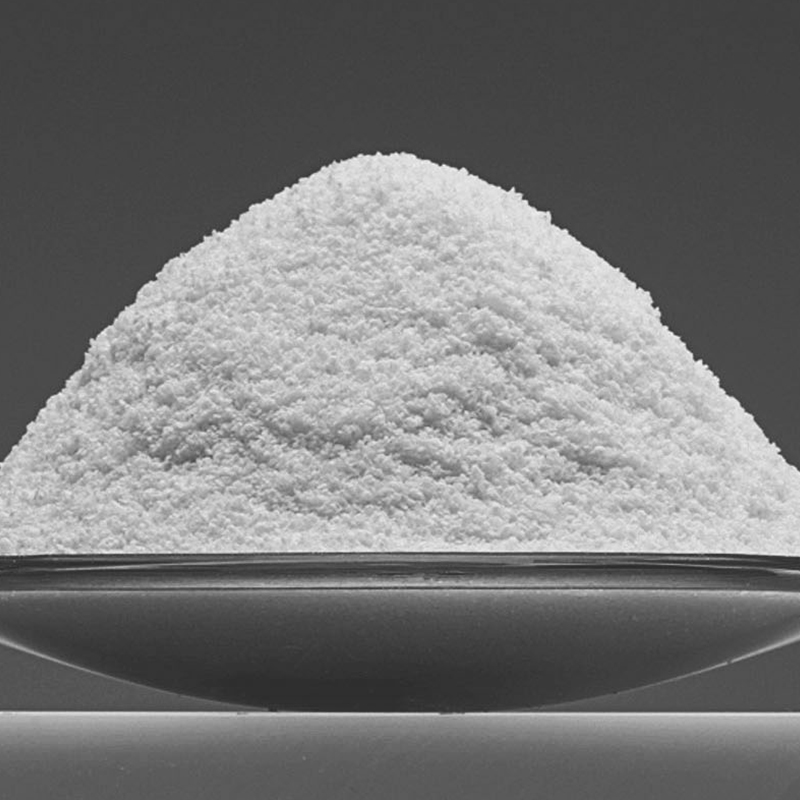
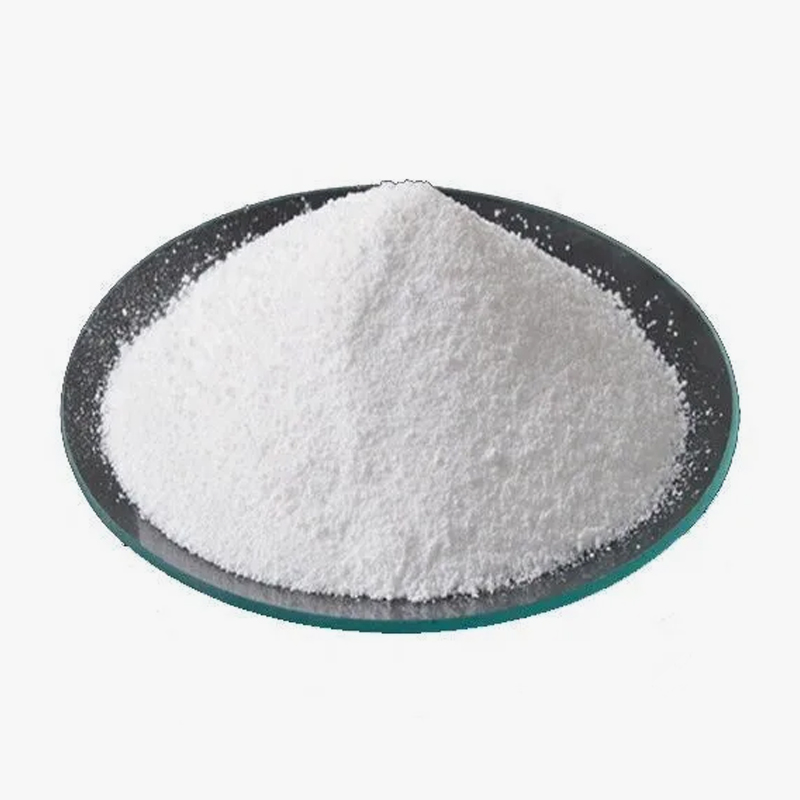
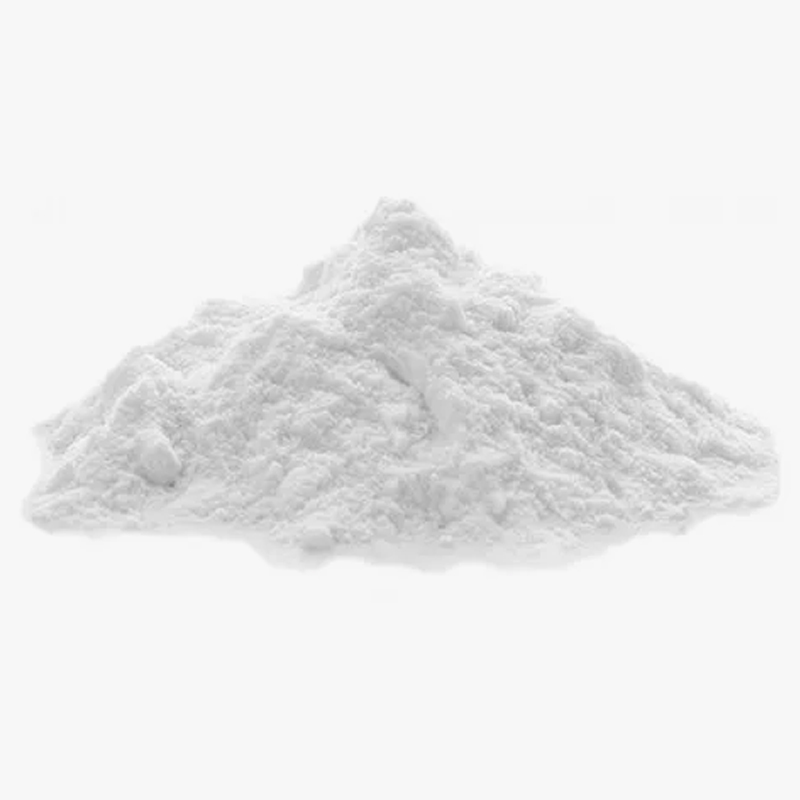
Hydroxyethyl methyl cellulose for building material grade plays a critical role in improving tile adhesives by enhancing water retention, workability, open time, and bonding strength. Even at a low dosage of 0.2%–0.6% of the dry mix, it can dramatically improve construction efficiency and final adhesion performance.
In modern cement-based tile adhesives, HEMC is considered an essential additive because it ensures stable application, reduces tile slippage, and enhances durability under various environmental conditions.
Improving Water Retention for Stronger Bonding
Cement hydration requires sufficient water. Without proper retention, water evaporates quickly, especially on porous substrates or in hot climates. Hydroxyethyl methyl cellulose for building material grade significantly increases water retention capacity.
High-quality HEMC can achieve water retention rates above 95%, allowing cement particles to fully hydrate. This results in improved mechanical strength and stronger adhesion between tile and substrate.
Extending Open Time for Better Workability
Open time refers to the period during which tiles can be properly adjusted after adhesive application. HEMC slows down water evaporation and improves the rheological properties of tile adhesives.
By adding building material grade HEMC, manufacturers can extend open time by 15–30 minutes, depending on formulation. This gives installers more flexibility, especially for large-format tiles.
Enhancing Anti-Slip and Sag Resistance
Vertical tile installation requires strong anti-sag performance. Hydroxyethyl methyl cellulose increases viscosity and thixotropy, preventing tiles from sliding after placement.
| Performance Indicator | Without HEMC | With HEMC |
|---|---|---|
| Tile Slippage | 3–5 mm | < 0.5 mm |
| Vertical Stability | Moderate | High |
Improving Workability and Ease of Application
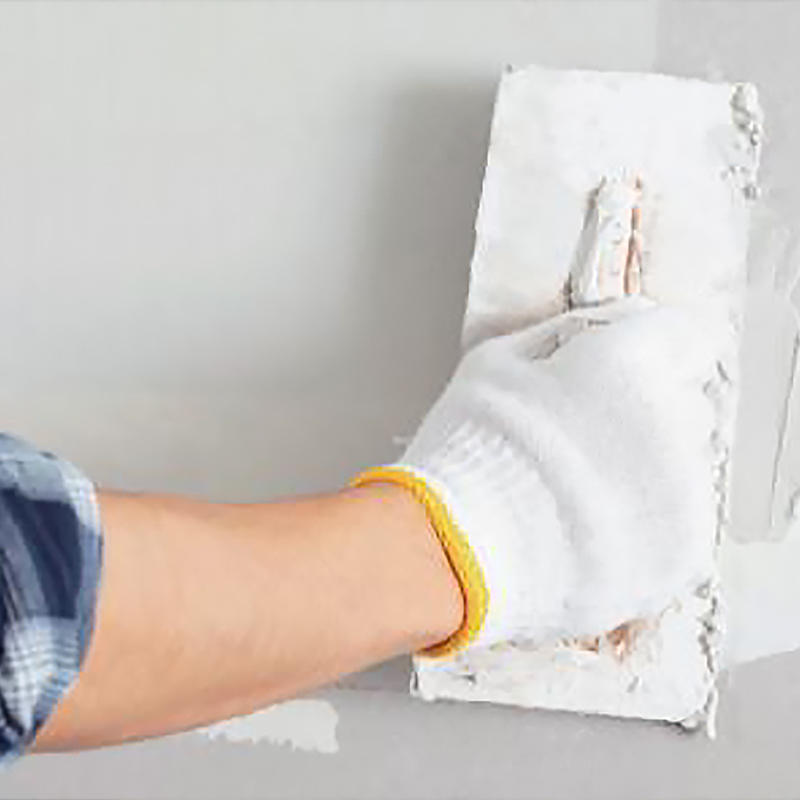
Good workability ensures smooth troweling and uniform adhesive layers. Hydroxyethyl methyl cellulose for building material grade improves consistency, making the adhesive creamy and easy to spread.
- Reduces lump formation during mixing
- Provides smooth trowel feel
- Improves adhesive coverage efficiency
- Enhances overall construction speed
Contractors often report improved installation efficiency of 10%–20% when optimized cellulose ether formulations are used.
Enhancing Long-Term Durability
Proper hydration and uniform adhesive structure contribute to higher tensile bond strength. HEMC helps create a stable microstructure in cement-based systems.
Tile adhesives formulated with Hydroxyethyl methyl cellulose for building material grade can achieve tensile bond strengths exceeding 1.0 MPa, meeting international tile adhesive standards for C1 and C2 classifications.
Frequently Asked Questions About Hydroxyethyl Methyl Cellulose for Building Material Grade
What is the recommended dosage of HEMC in tile adhesives?
Typically between 0.2% and 0.6% of the total dry mix, depending on required viscosity and performance.
Does HEMC affect the setting time of tile adhesives?
Yes. It slightly delays setting time by retaining water, which improves workability without compromising final strength.
Is building material grade HEMC different from industrial grade?
Yes. Building material grade HEMC is optimized for cement compatibility, water retention, and rheological control in construction applications.
Can HEMC improve tile adhesive performance in hot climates?
Absolutely. Its high water retention prevents rapid drying, ensuring proper cement hydration even in high temperatures.
Does HEMC help reduce tile slippage on walls?
Yes. It increases viscosity and anti-sag properties, reducing slippage to less than 0.5 mm in well-formulated systems.
Is HEMC compatible with polymer-modified tile adhesives?
Yes. It works effectively alongside redispersible polymer powders, enhancing overall adhesion and flexibility.
 Email: sarah@ys-cellulose.com
 Phone: +86-18067879812 / +86-575-82966958


