


 简体中文
简体中文 English
 русский
 عربى
عربى Español
Content
Is Hydroxypropyl Methyl Cellulose Safe?
Hydroxypropyl Methyl Cellulose (HPMC) is a widely used substance in various industries, ranging from pharmaceuticals to food production and cosmetics. The short answer is yes—HPMC is generally considered safe for most applications when used within the recommended limits. However, there are a few things to consider regarding its safety profile.
Research supports the safety of HPMC in food, drugs, and cosmetics, particularly because it is non-toxic, non-irritating, and non-allergenic for most people. The Food and Drug Administration (FDA) has classified HPMC as a generally recognized as safe (GRAS) substance, which is a significant endorsement of its safety in food and drug formulations.
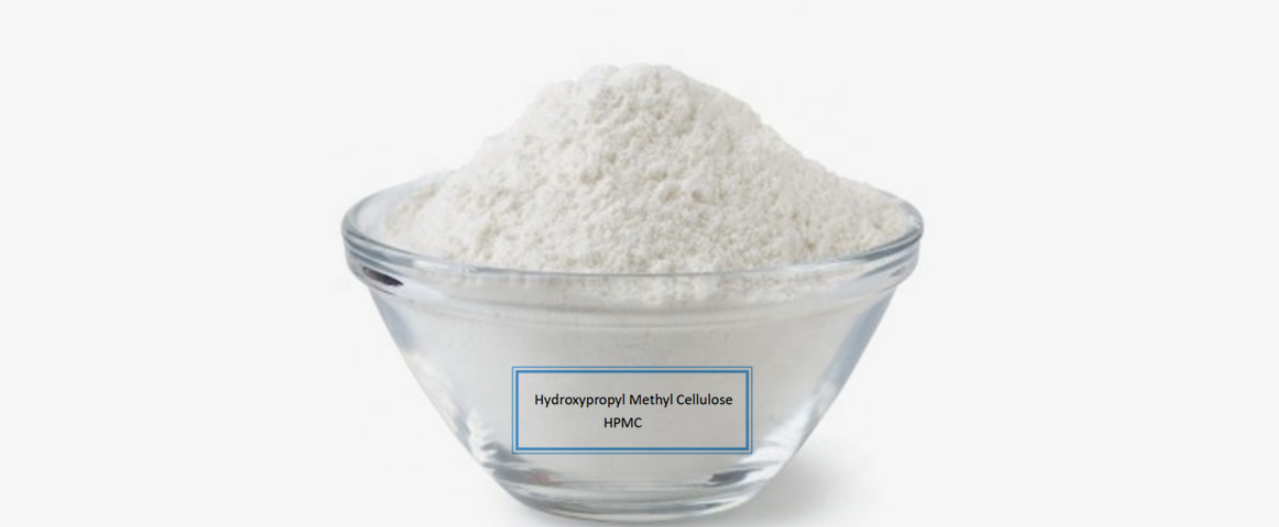
What is Hydroxypropyl Methyl Cellulose?
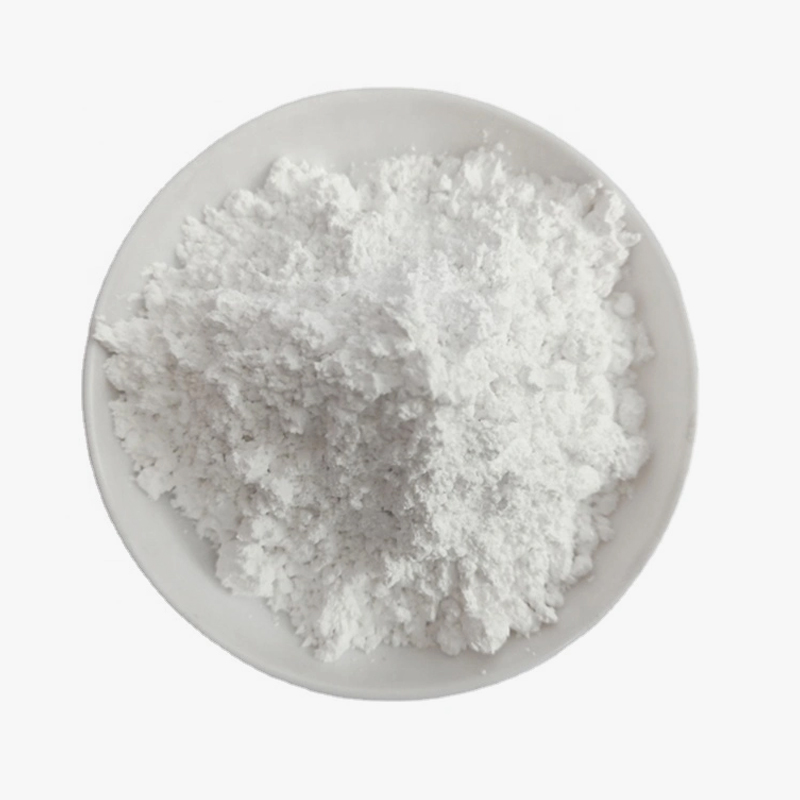
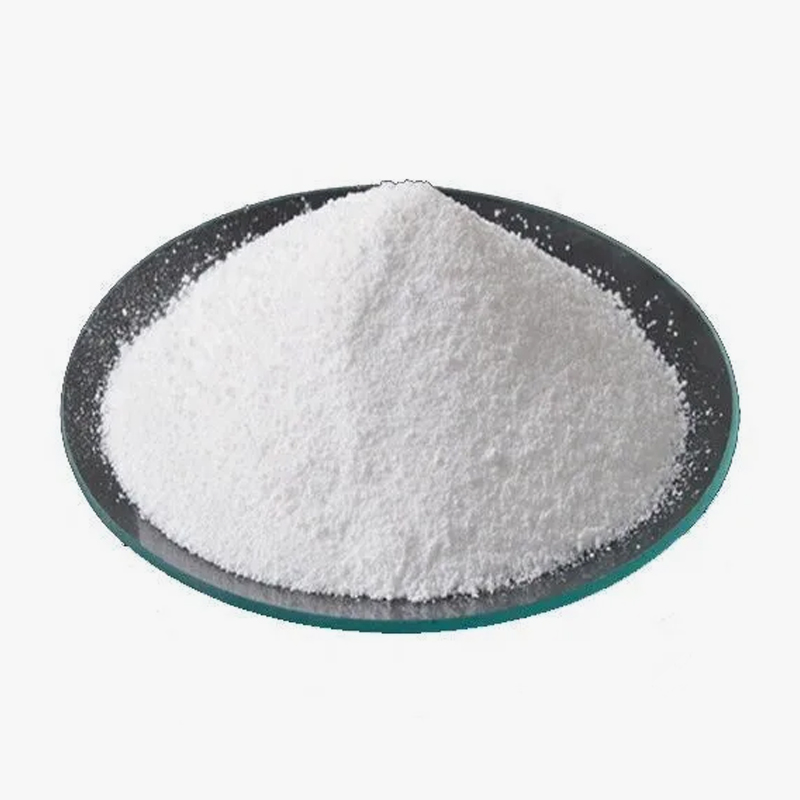
Hydroxypropyl Methyl Cellulose is a semi-synthetic polymer derived from cellulose, a natural polymer extracted from wood and cotton. Through chemical modifications, HPMC becomes a versatile compound with various properties, such as thickening, film-forming, and water-retaining capabilities. These properties make it ideal for use in a variety of industries, including pharmaceuticals, construction, food processing, and cosmetics.
Want to know more about what hydroxypropyl methylcellulose (HPMC) is? This article will take you through a detailed exploration.
Common Uses of Hydroxypropyl Methyl Cellulose
HPMC serves many practical applications due to its excellent properties. Here are some of the most common uses:
- In the food industry, HPMC is used as a stabilizer, emulsifier, and thickener in products like sauces, ice cream, and salad dressings.
- In the pharmaceutical industry, it is a key ingredient in tablets and capsules, enhancing their stability and controlling the release of drugs.
- HPMC is used in construction materials, including cement-based products, as it improves water retention and workability.
- In cosmetics and personal care products, it helps in creating a smooth texture and is used as a binder in makeup formulations.
Hydroxypropyl Methyl Cellulose and Health
Hydroxypropyl Methyl Cellulose is safe for consumption and topical application, with minimal risk of side effects. It is non-toxic, non-irritating, and does not cause allergic reactions for most people. For example, in food products, HPMC is used in low-calorie foods and is considered safe by the FDA and other global health authorities.
In pharmaceuticals, HPMC is commonly used as a binder in tablets and capsules. It helps to control the release of active ingredients, allowing for sustained medication delivery. Research indicates that HPMC is effective in preventing gastric irritation when used in pharmaceutical formulations.
Safety Considerations and Potential Risks
Although HPMC is safe for most people, certain individuals may experience adverse reactions. These are rare and typically involve people with pre-existing sensitivities. The potential risks of HPMC include:
- Allergic reactions in sensitive individuals.
- Gastrointestinal discomfort in high doses.
- Occasional skin irritation when used in topical formulations (though this is very rare).
These side effects are generally uncommon, and HPMC is considered to have a low toxicity profile.
Frequently Asked Questions (FAQ)
Here are answers to some of the most common questions about Hydroxypropyl Methyl Cellulose:
- Is HPMC safe for children? Yes, HPMC is considered safe for children in food and pharmaceutical products. It is used in many medications and food products marketed for children.
- Can HPMC be used in vegan products? Yes, HPMC is plant-based and is often used in vegan food and cosmetics as a binder and thickener.
- Is HPMC toxic? No, HPMC is not toxic. It is a non-toxic substance with a low risk of side effects when used properly.
- What is the maximum safe dose of HPMC in food? There is no established upper limit for HPMC in food, but it is generally used within safe limits as recommended by regulatory bodies.
- Can HPMC cause digestive problems? In large quantities, HPMC may cause mild gastrointestinal discomfort, but this is rare and unlikely when used within normal limits.
- Is HPMC biodegradable? Yes, HPMC is biodegradable and is considered environmentally friendly compared to many synthetic polymers.

 Email: sarah@ys-cellulose.com
 Phone: +86-18067879812 / +86-575-82966958


