


 简体中文
简体中文 English
 русский
 عربى
عربى Español
Content
- 1 Is Hydroxyethyl Cellulose Harmful to Humans?
- 2 Applications of Hydroxyethyl Cellulose
- 3 Safety and Human Impact of Hydroxyethyl Cellulose
- 4 Potential Side Effects of Hydroxyethyl Cellulose
- 5 How to Safely Use Hydroxyethyl Cellulose
- 6 Frequently Asked Questions
- 6.1 1. Is Hydroxyethyl Cellulose harmful to the skin?
- 6.2 2. Is Hydroxyethyl Cellulose environmentally friendly?
- 6.3 3. Can Hydroxyethyl Cellulose be consumed in food?
- 6.4 4. How does Hydroxyethyl Cellulose compare to other thickeners?
- 6.5 5. Is Hydroxyethyl Cellulose used in hair care products?
- 6.6 6. Does Hydroxyethyl Cellulose help in skin barrier repair?
Is Hydroxyethyl Cellulose Harmful to Humans?
Hydroxyethyl Cellulose (HEC) is a commonly used ingredient in a variety of personal care and household products. Based on current research and safety assessments, HEC is generally considered safe for human use. It is widely used in cosmetics, pharmaceuticals, and cleaning products without significant evidence of harm when used as intended. However, overuse or sensitivity in certain individuals could potentially cause mild irritation or allergic reactions.
Applications of Hydroxyethyl Cellulose
Hydroxyethyl Cellulose is used in a variety of industries due to its versatile properties as a thickening agent, emulsifier, and stabilizer. Here are some common applications:
- Cosmetics and skincare products: HEC is used in moisturizers, cleansers, shampoos, and hair gels to provide thickening and improve texture.
- Cleaning products: It enhances the viscosity and performance of various household cleaners and detergents.
- Pharmaceuticals: HEC is used in medicinal formulations, particularly in eye drops and gels, to provide viscosity and stability.
Safety and Human Impact of Hydroxyethyl Cellulose
According to the International Cosmetic Ingredient Review (CIR) and other regulatory bodies, Hydroxyethyl Cellulose is regarded as a safe ingredient for external use. It is non-sensitizing and exhibits very low toxicity. Even in high doses used in animal studies, there has been no significant toxic or carcinogenic effects observed. For humans, the most common adverse reactions are mild skin irritation or eye discomfort, particularly when the product is used in excess.
Scientific findings: Research shows that Hydroxyethyl Cellulose has minimal absorption when applied to the skin and low oral toxicity. It has been extensively tested and found to be non-irritating and non-toxic when used as directed.
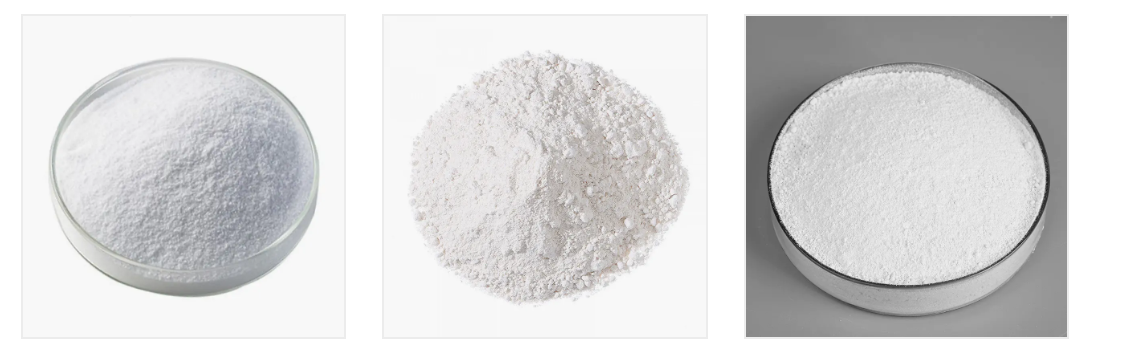
Potential Side Effects of Hydroxyethyl Cellulose
While Hydroxyethyl Cellulose is generally safe, some individuals may experience mild side effects, especially if they are allergic or sensitive to this ingredient. The most common side effects include:
- Skin irritation, redness, or itching
- Eye irritation or stinging when products containing HEC come in direct contact with the eyes
- Mild respiratory irritation if inhaled in powder form
If you experience any of these symptoms, it is advisable to discontinue use and consult a healthcare provider.
How to Safely Use Hydroxyethyl Cellulose
To minimize any risk of adverse reactions, users should follow these best practices when using products containing Hydroxyethyl Cellulose:
- Use products containing Hydroxyethyl Cellulose in moderation and avoid excessive use.
- Prevent contact with eyes, and if irritation occurs, rinse immediately with water.
- For individuals with sensitive skin, perform a patch test before using products containing HEC.
- Avoid inhaling HEC powder, especially during industrial or large-scale usage.
Frequently Asked Questions
1. Is Hydroxyethyl Cellulose harmful to the skin?
No, Hydroxyethyl Cellulose is generally safe for skin use and does not cause irritation in most people. However, some sensitive individuals may experience mild irritation.
2. Is Hydroxyethyl Cellulose environmentally friendly?
Yes, Hydroxyethyl Cellulose is biodegradable and has minimal impact on the environment when used properly.
3. Can Hydroxyethyl Cellulose be consumed in food?
While Hydroxyethyl Cellulose is used as a food additive in some processed foods, it is not recommended to consume excessive amounts of products containing HEC.
4. How does Hydroxyethyl Cellulose compare to other thickeners?
Hydroxyethyl Cellulose is considered to have a higher safety profile than other thickeners like xanthan gum or carbomer, with fewer reported allergic reactions.
5. Is Hydroxyethyl Cellulose used in hair care products?
Yes, Hydroxyethyl Cellulose is commonly used in hair care products such as shampoos and conditioners to improve texture and enhance moisture retention.
6. Does Hydroxyethyl Cellulose help in skin barrier repair?
Yes, HEC acts as a humectant in skincare, helping to retain moisture and support the skin's natural barrier, particularly in moisturizers and hydrating products.

 Email: sarah@ys-cellulose.com
 Phone: +86-18067879812 / +86-575-82966958


