


 简体中文
简体中文 English
 русский
 عربى
عربى Español
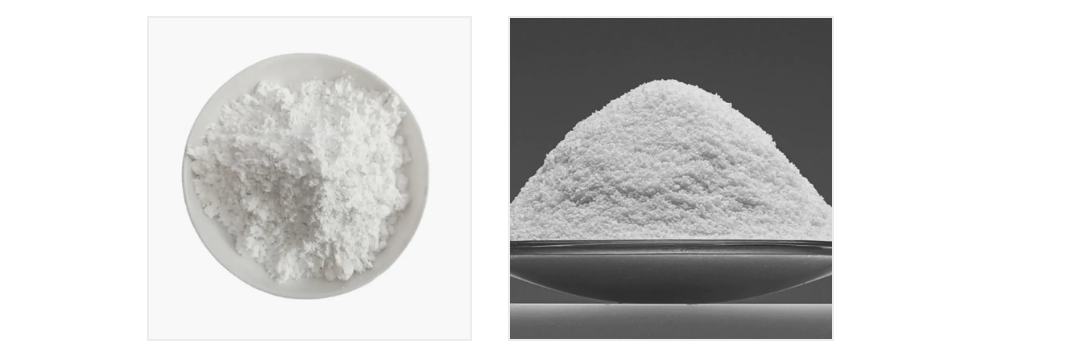
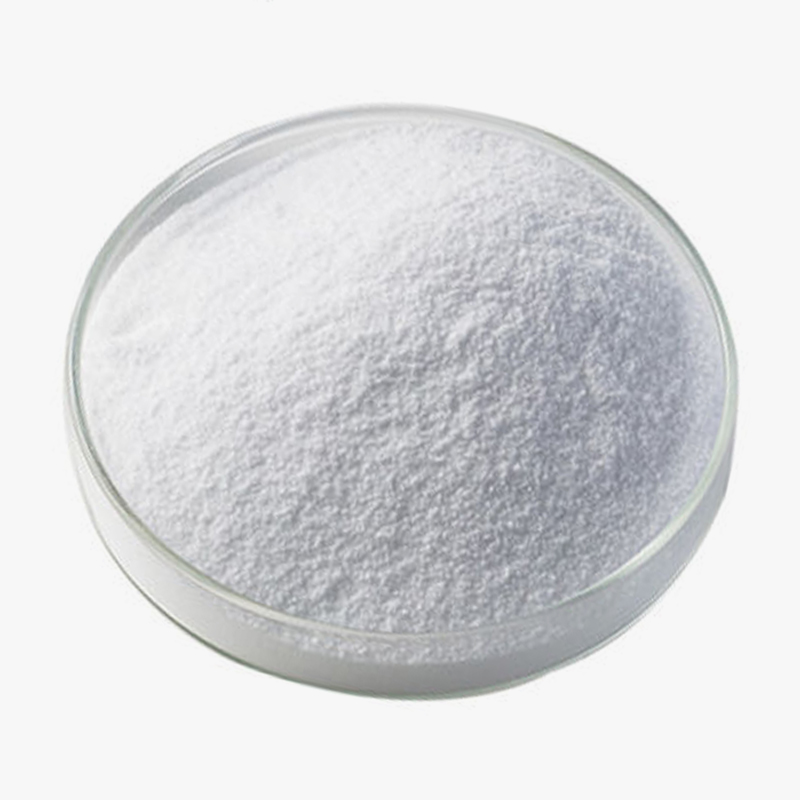
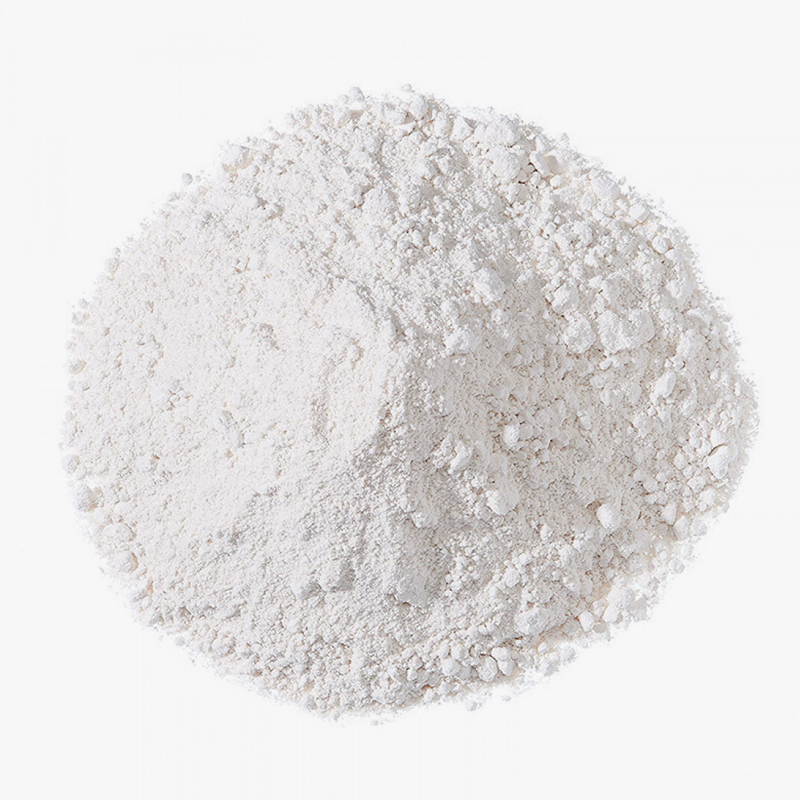
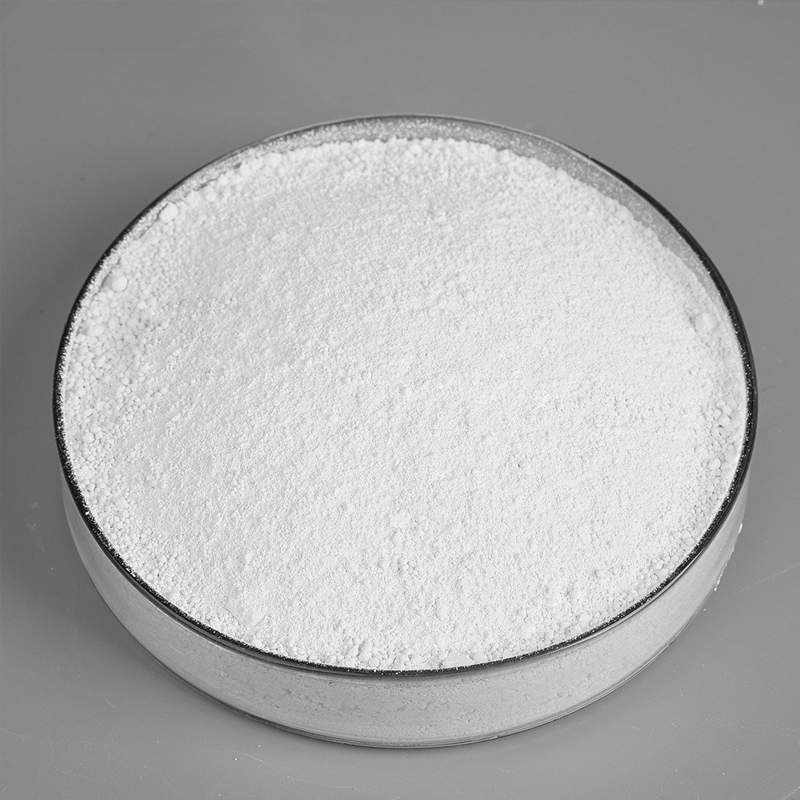
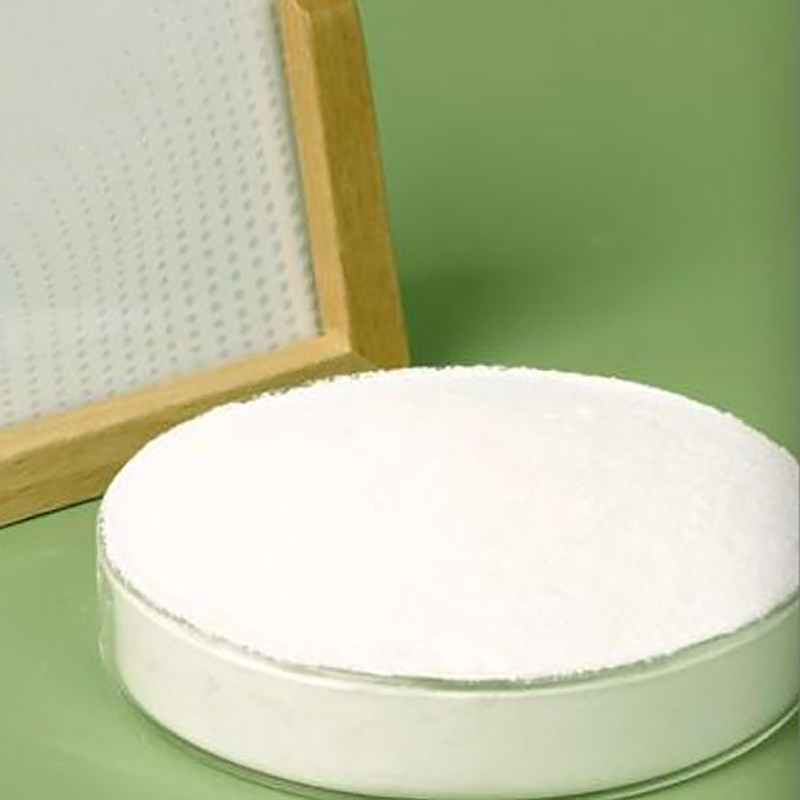
Hydroxyethyl Methyl Cellulose (HEMC) is a versatile cellulose derivative with a wide range of applications in industries such as construction, pharmaceuticals, food, and cosmetics. Known for its ability to modify viscosity and enhance stability, HEMC is an essential ingredient in many products and processes.
Content
What Is HEMC?
HEMC is a non-ionic cellulose ether that is derived from natural cellulose. It is synthesized by introducing hydroxyethyl and methyl groups to the cellulose backbone. The modification gives HEMC unique properties such as water solubility, thickening, film-forming, and gelling. It’s commonly used as a thickener, binder, and stabilizer.
How Is HEMC Produced?
- HEMC is made by modifying cellulose through etherification reactions, adding hydroxyethyl and methyl groups.
- It’s a water-soluble compound that remains stable across a wide range of temperatures and pH values.
Key Properties and Benefits of HEMC
The unique properties of HEMC make it an essential ingredient in many commercial and industrial applications. Below are some of the key characteristics that make HEMC highly valuable.
Viscosity Modifier
- HEMC significantly enhances the viscosity of solutions, making it ideal for use in thickening agents for paints, coatings, and adhesives.
- In industrial applications, it helps improve the consistency of materials, ensuring smooth performance during manufacturing processes.
Water Retention
- HEMC has excellent water retention properties, which help prevent the premature drying of cement or mortar mixtures.
- This property makes it a crucial additive in the construction industry, particularly in tile adhesives and plasters.
Improved Film-Forming and Binding Properties
- HEMC acts as an excellent binder in the formulation of tablets in pharmaceuticals, ensuring a consistent release of active ingredients.
- In cosmetics, it helps create a smooth, uniform layer of product on the skin.
Common Applications of HEMC
HEMC is used across a variety of industries due to its unique properties, such as thickening, binding, and stabilizing. Below are some of the key areas where HEMC is widely utilized.
Construction Industry
- In cement-based products such as tile adhesives and grouts, HEMC helps improve water retention, extending the working time and enhancing bonding.
- It is also used in gypsum plasters, helping the mixture maintain a workable consistency.
Pharmaceuticals
- HEMC is commonly used as a binder in tablet formulations, ensuring uniformity and stability in pharmaceutical products.
- It also serves as a thickener in liquid medicines, improving their viscosity for easier consumption.
Cosmetics and Personal Care
- HEMC is used in skincare products as a thickener and stabilizer, helping products retain their texture and consistency.
- It also enhances the spreadability of creams and lotions, providing a smooth feel on the skin.
FAQ About Hydroxyethyl Methyl Cellulose (HEMC)
Is HEMC safe for use in food products?
Yes, HEMC is approved by regulatory bodies like the FDA and is used in food products as a thickener and stabilizer.
Can HEMC be used in all types of cosmetics?
Yes, HEMC is commonly used in a wide range of cosmetics, including creams, lotions, shampoos, and facial masks, due to its ability to enhance texture and stability.
What is the difference between HEMC and other cellulose derivatives?
HEMC has better solubility in water compared to other cellulose derivatives, and it also provides superior thickening and water retention properties, making it highly versatile in various applications.
How is HEMC used in the construction industry?
HEMC is used in cement and gypsum-based products like tile adhesives, joint fillers, and plasters, where it improves water retention, workability, and bonding strength.

 Email: sarah@ys-cellulose.com
 Phone: +86-18067879812 / +86-575-82966958


