


 简体中文
简体中文 English
 русский
 عربى
عربى Español
Content
- 1 Does Hydroxyethyl Cellulose Harm the Skin?
- 2 What is Hydroxyethyl Cellulose?
- 3 How Hydroxyethyl Cellulose Benefits the Skin
- 4 Potential Concerns About Hydroxyethyl Cellulose
- 5 Is Hydroxyethyl Cellulose Safe for Sensitive Skin?
- 6 Common Uses of Hydroxyethyl Cellulose in Skincare
- 7 Hydroxyethyl Cellulose Safety in Regulations
- 8 Frequently Asked Questions
Does Hydroxyethyl Cellulose Harm the Skin?
Hydroxyethyl cellulose (HEC) is generally considered safe for skin use. It is a water-soluble polymer commonly used as a thickening agent in various cosmetic and personal care products. Research and dermatological studies show that HEC does not pose significant harm to the skin when used as directed. However, individuals with highly sensitive skin or allergies should exercise caution.
What is Hydroxyethyl Cellulose?
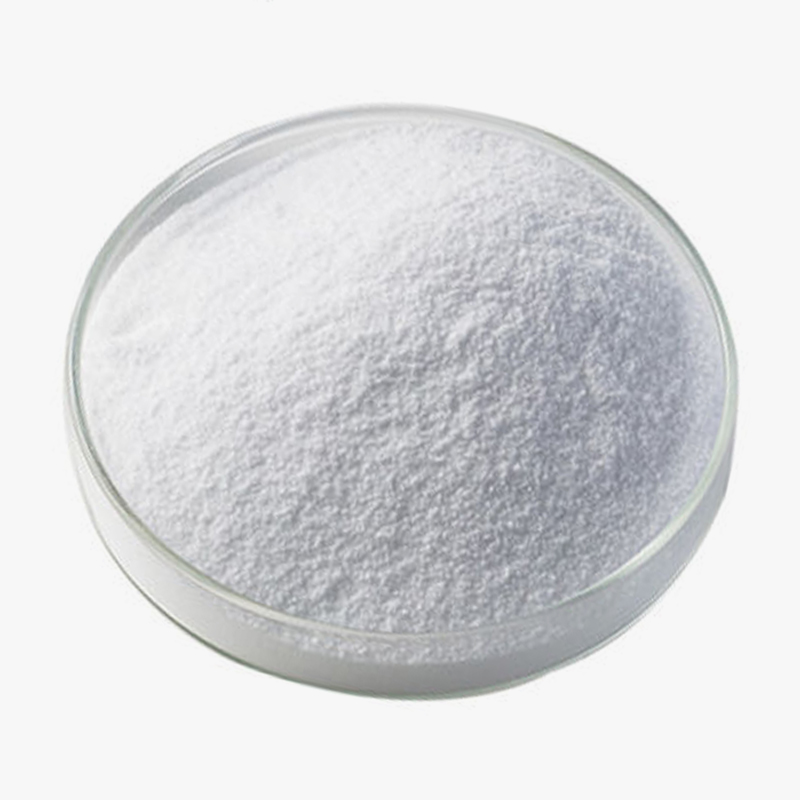
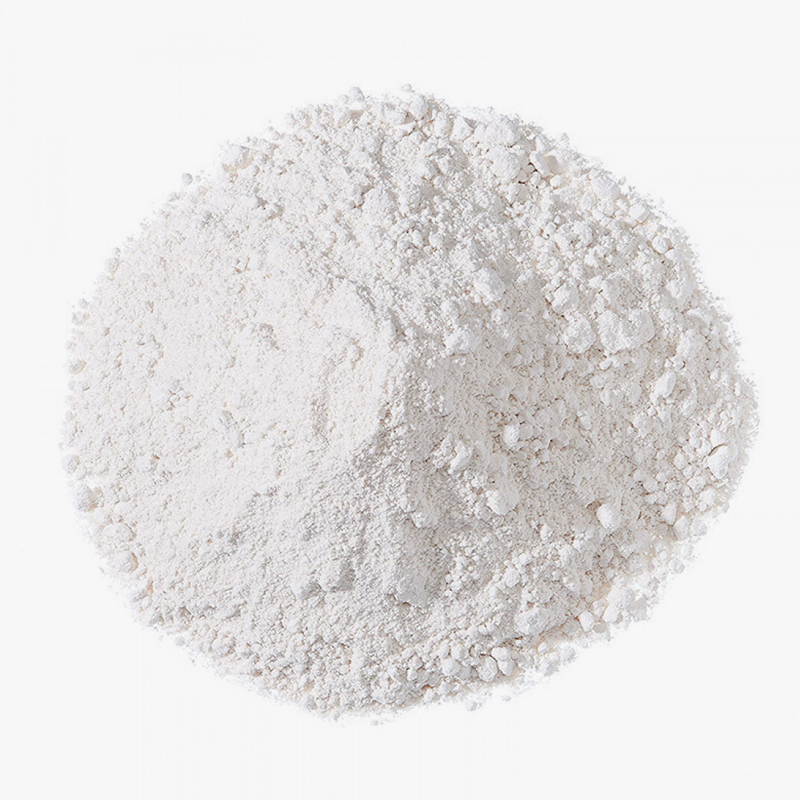
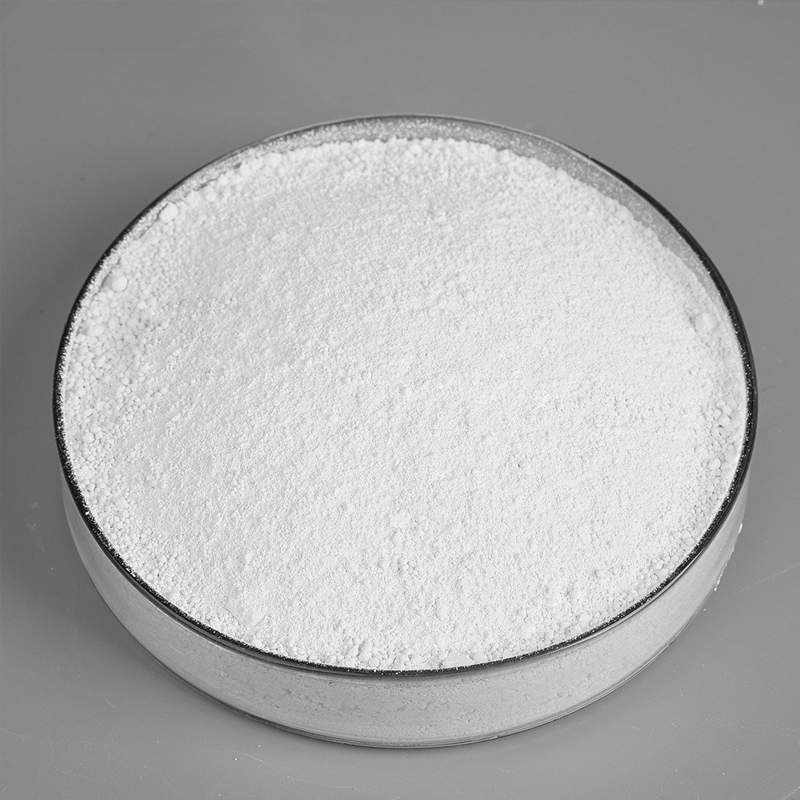
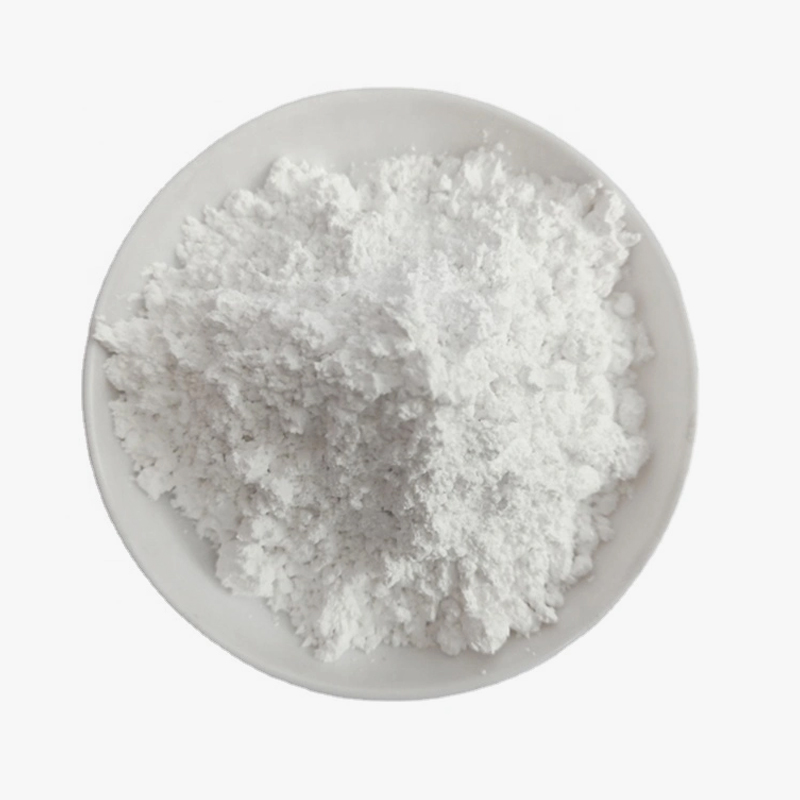
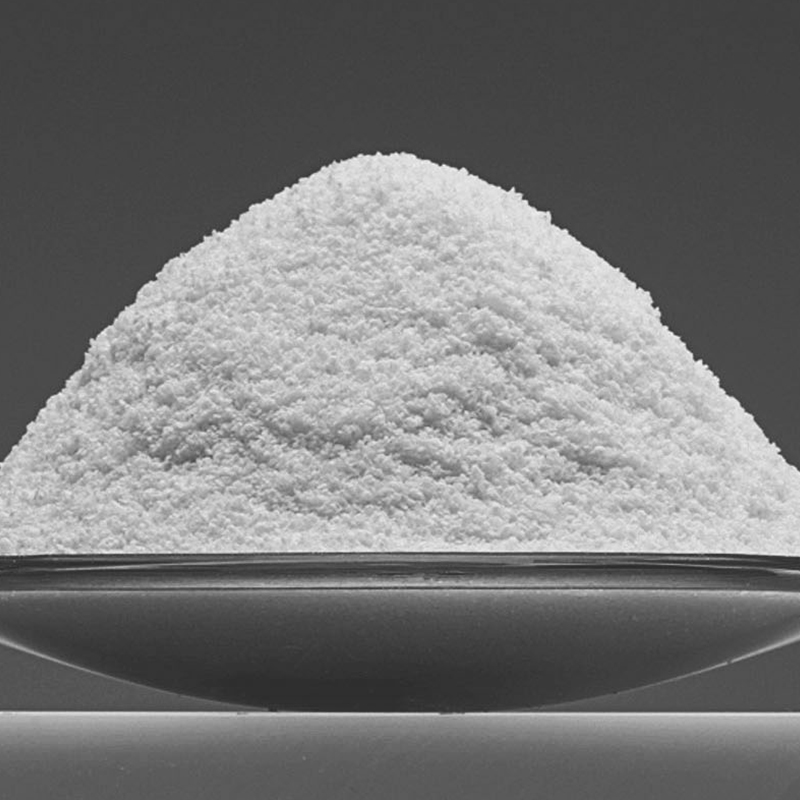
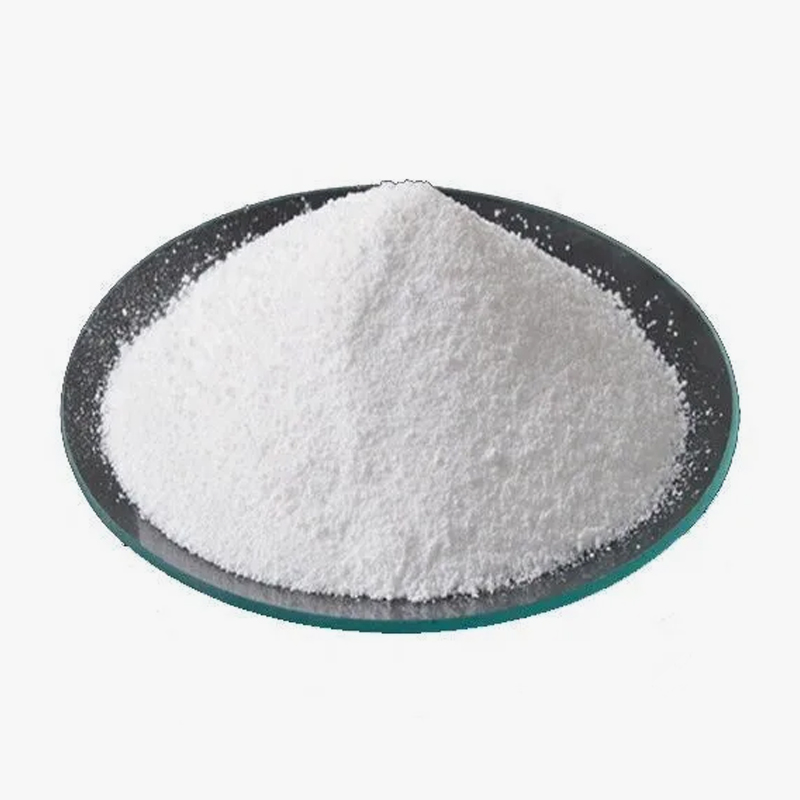
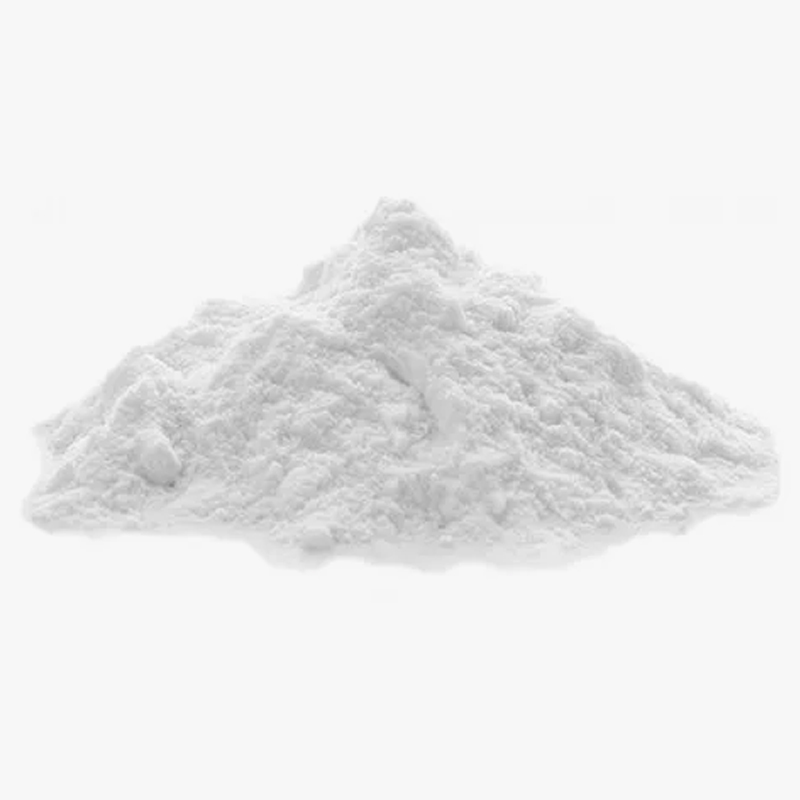
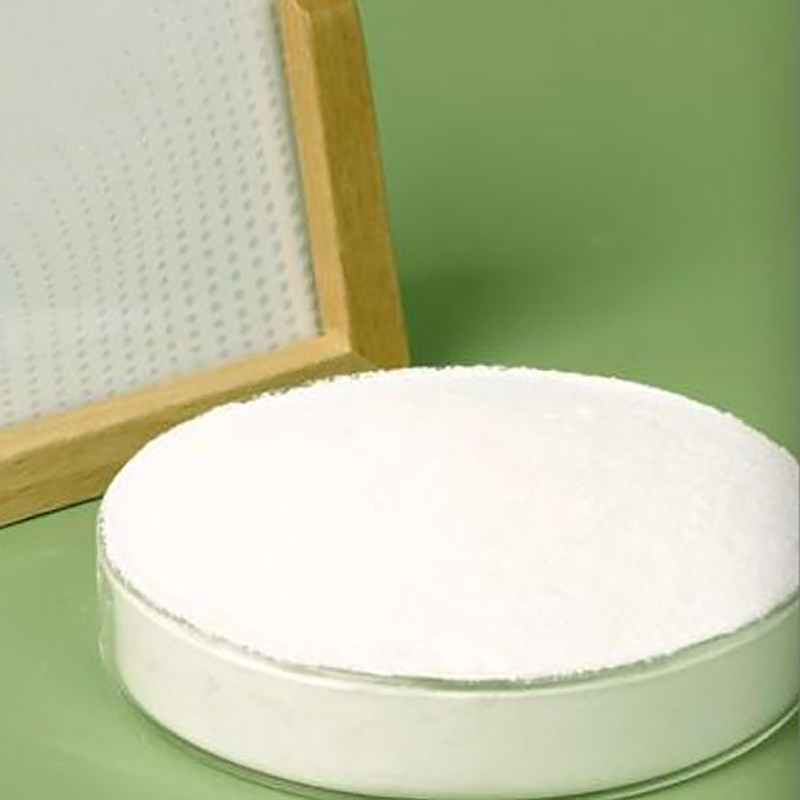
Hydroxyethyl cellulose is a modified form of cellulose, a natural polymer derived from plant fibers. It is altered by the addition of hydroxyethyl groups, making it soluble in water. This compound is widely used in various industries, including cosmetics, pharmaceuticals, and food. In cosmetics, it primarily functions as a thickening agent, stabilizer, and emulsifier, contributing to product texture and consistency.
How Hydroxyethyl Cellulose Benefits the Skin
Hydroxyethyl cellulose is used in skincare products like lotions, gels, and creams for its unique properties. Below are some of the key benefits:
- Provides smooth texture and enhances the spreadability of products.
- Acts as a mild stabilizer, preventing ingredients from separating in formulations.
- Hydrates the skin by attracting moisture, contributing to improved skin elasticity.
- Safe for sensitive skin when used in moderate concentrations (typically up to 2-3%).
Potential Concerns About Hydroxyethyl Cellulose
Although HEC is generally safe, there are a few potential concerns that consumers should be aware of:
- Allergic reactions: Some individuals may experience mild irritation or allergic reactions. Patch testing before use is recommended for those with known sensitivities.
- Contamination risk: If improperly handled or stored, HEC-containing products could become contaminated, leading to potential irritation or infections.
- Overuse: Excessive use of HEC in products could lead to skin buildup, which may cause clogging of pores or prevent proper absorption of other ingredients.
Is Hydroxyethyl Cellulose Safe for Sensitive Skin?
Yes, Hydroxyethyl cellulose is considered safe for most people with sensitive skin. It is non-irritating and does not cause significant dryness or inflammation when used in small concentrations. However, individuals with extreme sensitivity to cosmetic ingredients should check the full ingredient list of products containing HEC to ensure there are no other additives that could trigger irritation.
Common Uses of Hydroxyethyl Cellulose in Skincare
Hydroxyethyl cellulose can be found in a wide range of skincare products, including:
- Face creams and moisturizers
- Shampoos and conditioners
- Body lotions and sunscreens
- Hair styling gels and serums
Hydroxyethyl Cellulose Safety in Regulations
Regulatory bodies like the US Food and Drug Administration (FDA) and the European Medicines Agency (EMA) deem Hydroxyethyl Cellulose safe for use in cosmetic and pharmaceutical products. The Cosmetic Ingredient Review (CIR) Expert Panel has also concluded that HEC is safe for topical application when used in standard cosmetic concentrations. This ensures that products containing HEC are generally safe for the skin.
Frequently Asked Questions
Here are some common questions about Hydroxyethyl Cellulose (HEC) and its effects on the skin:
Q1: Is Hydroxyethyl Cellulose safe for all skin types?
Yes, it is safe for most skin types, including sensitive skin, when used in moderation.
Q2: Can HEC cause acne?
Hydroxyethyl cellulose is not typically known to cause acne. However, overuse of products containing HEC could clog pores in some individuals.
Q3: Is HEC eco-friendly?
Yes, it is derived from plant-based cellulose and is biodegradable, making it more environmentally friendly than synthetic alternatives.
Q4: Does HEC provide any moisture to the skin?
Yes, Hydroxyethyl Cellulose can attract moisture, helping to hydrate and smooth the skin.
Q5: Are there any known side effects of HEC?
While generally safe, some individuals may experience mild irritation if they have an allergy or sensitivity to the ingredient.
Q6: How much HEC is safe to use in skincare?
Products containing Hydroxyethyl Cellulose are typically safe in concentrations up to 3%, which is common in most skincare formulations.

 Email: sarah@ys-cellulose.com
 Phone: +86-18067879812 / +86-575-82966958


