


 简体中文
 English
 русский
 عربى
 Español

Self-leveling compound failures rarely come from one additive alone. They appear as bleeding water, a surface that will not close, pinholes, or a mix that stiffens before the crew finishes. HPMC for self-leveling compound is often the control point because it changes water retention, yield stress, and air stability at the same time.
For SLC, choose a low-viscosity architectural-grade HPMC and use the lowest addition that gives stable suspension and enough open time. A high-viscosity grade or an overdose can make the mix heavy, hold air, and reduce flow. Too little can cause segregation, bleeding, and premature drying.
HPMC also works with the rest of the self-leveling compound additives: superplasticizers, defoamers, setting regulators, and redispersible polymer powders. The practical question is not whether to use HPMC, but which grade and dose keep flow, suspension, and air release in balance.
Content
- 1 What HPMC Does in a Self-Leveling Compound
- 2 Choosing the Right HPMC Viscosity Grade
- 3 Dosage, Mixing, and Additive Interactions
- 4 Common Defects and How to Correct Them
- 5 How to Validate an SLC Formula
- 6 Sourcing HPMC for Self-Leveling Compound
- 7 Frequently Asked Questions
- 7.1 Q1. What HPMC viscosity is best for self-leveling compound?
- 7.2 Q2. What is the typical HPMC dosage in self-leveling compound?
- 7.3 Q3. Should HPMC be added to water or dry mix?
- 7.4 Q4. Why does my self-leveling compound have pinholes?
- 7.5 Q5. Does HPMC slow the setting of self-leveling compound?
- 7.6 Q6. Can one HPMC grade be used in tile adhesive and self-leveling compound?
What HPMC Does in a Self-Leveling Compound
Self-leveling compound is a dense, highly filled suspension. Cement or gypsum hydrates in a limited water volume, while sand and filler tend to settle. HPMC thickens the water phase and adsorbs at interfaces, so it supports water retention, cohesion, and particle suspension. It is not a superplasticizer; it does not replace good particle packing or flow chemistry.
| Function | Formulation effect | Risk if out of balance |
|---|---|---|
| Water retention | Keeps water available for cement or gypsum hydration and reduces premature drying. | Cracking, dusting, or weak surface if too low; sticky surface or slow set if excessive. |
| Rheology and yield stress | Gives body and cohesion so the mix spreads evenly without running away. | Poor leveling if too high; edge pull and segregation if too low. |
| Particle suspension | Helps keep sand, filler, and denser particles from settling during mixing and placement. | Bleeding, sedimentation, and uneven strength if under-stabilized. |
| Air stabilization | Supports bubble dispersion, which can improve workability when defoaming is controlled. | Pinholes and craters if air is not released; surface defects if defoamer is mismatched. |
The balance matters more than any single function. An HPMC that gives excellent anti-settling but reduces flow can push the formulator to add water or superplasticizer, which may reopen bleeding or shrinkage problems.
Choosing the Right HPMC Viscosity Grade
Viscosity is usually reported in a 2% solution at 20°C, but test method and shear rate matter. For SLC trials, many formulators start with low-viscosity architectural grades, often in the 400–1,000 mPa·s range. Treat that as a screening window, not a fixed specification. The degree of substitution, particle size, and dissolution behavior also affect performance.
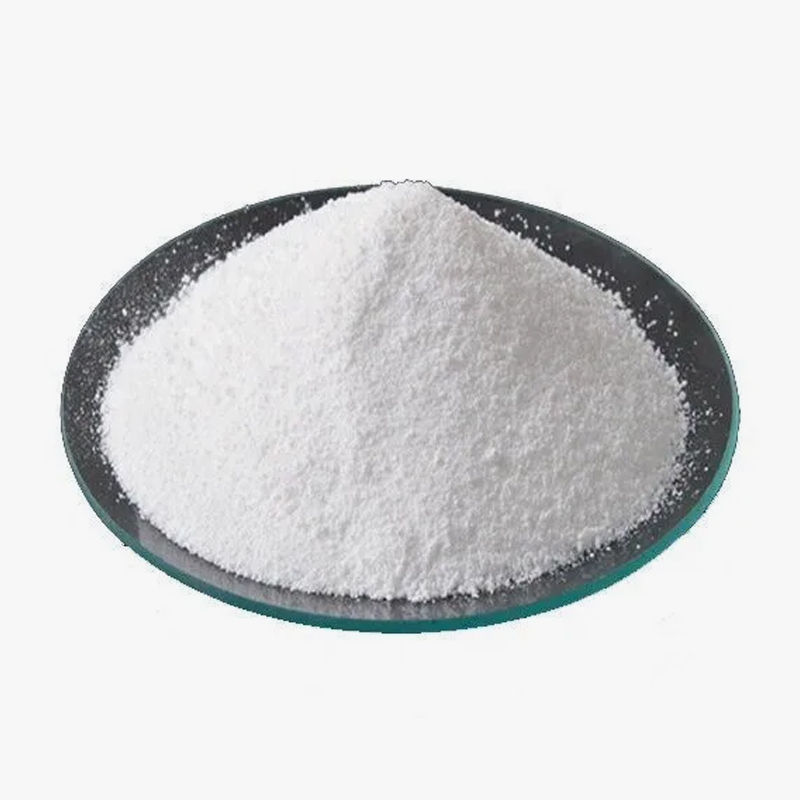 EASONZELL MP Series Architectural Grade HPMCArchitectural-grade HPMC series with viscosity grades from MP 400 to MP 200H, offered for mortar water retention, pumpability, and SLC formulation screening.View Product →
High-viscosity HPMC can raise water demand and trap air. Very low viscosity may not hold the mix at the edge of a pour. The target is a smooth, creamy consistency that spreads under its own weight but still holds aggregate.
- Confirm whether the SLC is cementitious or gypsum-based before shortlisting a grade.
- Match viscosity to target flow, open time, and application thickness.
- Review batch COA data for viscosity, moisture, insoluble matter, and DS/MS where applicable.
- Run bleed and air-release tests before comparing price per kilogram.
Dosage, Mixing, and Additive Interactions
In SLC, HPMC is used at a small fraction of the dry mix, often well below 0.1%, but the exact level depends on grade, water ratio, filler grading, and required open time. Start low and adjust in small increments. Increasing HPMC is not the first fix for every flow problem; check water ratio and superplasticizer balance first.
- Superplasticizer: HPMC increases yield stress, while PCE or melamine chemistry restores flow. Optimize them together.
- Defoamer: HPMC can stabilize bubbles, so the powder defoamer must release air without creating surface defects.
- Redispersible polymer powder: RDP improves adhesion and flexibility; HPMC controls water retention and rheology. They solve different problems.
- Setting regulator: HPMC can extend open time, but a dedicated retarder or accelerator is still needed to control set.
In factory production, add HPMC to the dry premix before water. Dry blending disperses the powder and reduces lumps. Adding dry HPMC directly to water can cause gel blocks and uneven hydration.
Common Defects and How to Correct Them
Most SLC defects linked to HPMC fall into three groups: too much structure, too little structure, or trapped air. Change one variable at a time so the cause remains visible.
| Defect | Likely cause | First adjustment |
|---|---|---|
| Poor flow or leveling | HPMC viscosity or dose too high; low water; PCE imbalance. | Reduce HPMC or test a lower-viscosity grade; rebalance PCE and water ratio. |
| Bleeding or segregation | HPMC too low or ineffective; poor filler packing. | Increase HPMC modestly and review filler grading; avoid adding water. |
| Pinholes or craters | Air entrapped; defoamer type or dose mismatched. | Adjust defoamer and mixing energy; do not simply raise HPMC. |
| Slow set or soft surface | HPMC overdose or interaction with setting regulator. | Reduce HPMC and review the setting package at job temperature. |
How to Validate an SLC Formula
Bench trials should compare the HPMC candidate against a control at the same water ratio and additive package. Record flow spread at 5, 15, and 30 minutes; bleeding; open time; initial and final set; pinholes; and 1-, 7-, and 28-day strength. Add adhesion and shrinkage tests for the intended substrate. A field trial is still necessary because temperature, mixing energy, and application thickness change performance.
Sourcing HPMC for Self-Leveling Compound
A low price per kilogram is not useful if batch viscosity drifts or the grade needs a higher dose. Ask for a batch COA covering viscosity, moisture, ash, insoluble matter, pH, and DS/MS where applicable. Confirm the viscosity test method and storage recommendations. For OEM or ODM projects, discuss the target SLC type, flow, open time, and packaging before sampling.
HPMC Series: Architectural and Daily Chemical GradesOverview of EASONZELL HPMC grades for architectural and daily chemical applications, with points on COA checks, viscosity methods, storage, and OEM/ODM sampling.View Product →
Yisheng manufactures EASONZELL™ cellulose ethers, including architectural-grade HPMC positioned for construction applications. As a cellulose ether manufacturer, application support can shorten grade screening, but final approval should be based on your own trial data and batch consistency.
Frequently Asked Questions
Q1. What HPMC viscosity is best for self-leveling compound?
Low-viscosity architectural grades are typical. Many trials start around 400–1,000 mPa·s in 2% solution at 20°C, but test method and formula matter. Choose the lowest viscosity that controls bleeding and keeps fillers suspended without reducing flow.
Q2. What is the typical HPMC dosage in self-leveling compound?
Dosage is formula-specific and usually very low, often below 0.1% of dry mix. Start with a small trial and adjust for flow, bleeding, open time, and air release. Do not set dosage from another factory’s formula.
Q3. Should HPMC be added to water or dry mix?
In factory-produced SLC, add HPMC to the dry premix so it disperses before water. Adding dry HPMC directly to water can form lumps and uneven hydration. Follow the supplier’s handling instructions.
Q4. Why does my self-leveling compound have pinholes?
Pinholes usually mean air is not released. HPMC can stabilize bubbles, so the defoamer type and dose must match. Check mixing speed, water ratio, and HPMC level before increasing defoamer.
Q5. Does HPMC slow the setting of self-leveling compound?
At normal low dosage, HPMC mainly controls water retention and rheology. At higher dosage or in cool conditions, it can contribute to slower set. Use a setting regulator and test at the expected job temperature.
Q6. Can one HPMC grade be used in tile adhesive and self-leveling compound?
Not automatically. Tile adhesive formulas often need different viscosity and water retention. SLC usually needs a low-viscosity grade with good flow and air release. Test the grade in the actual formula.
If you are developing a cementitious or gypsum-based self-leveling compound, send your target flow, open time, and substrate conditions to the manufacturer. A trial sample and technical review can shorten grade selection; confirm dosage and performance in your own lab before production.
 Email: sarah@ys-cellulose.com
 Phone: +86-18067879812 / +86-575-82966958


