


 简体中文
 English
 русский
 عربى
 Español

Short answer: HEC for oil well completion fluid is useful as a non-ionic viscosifier and fluid-loss aid in brine-based completion and workover systems, but it is not a drop-in fix. The grade, hydration method, brine density, bottomhole temperature, and breaker plan decide whether it helps or creates cleanup problems.
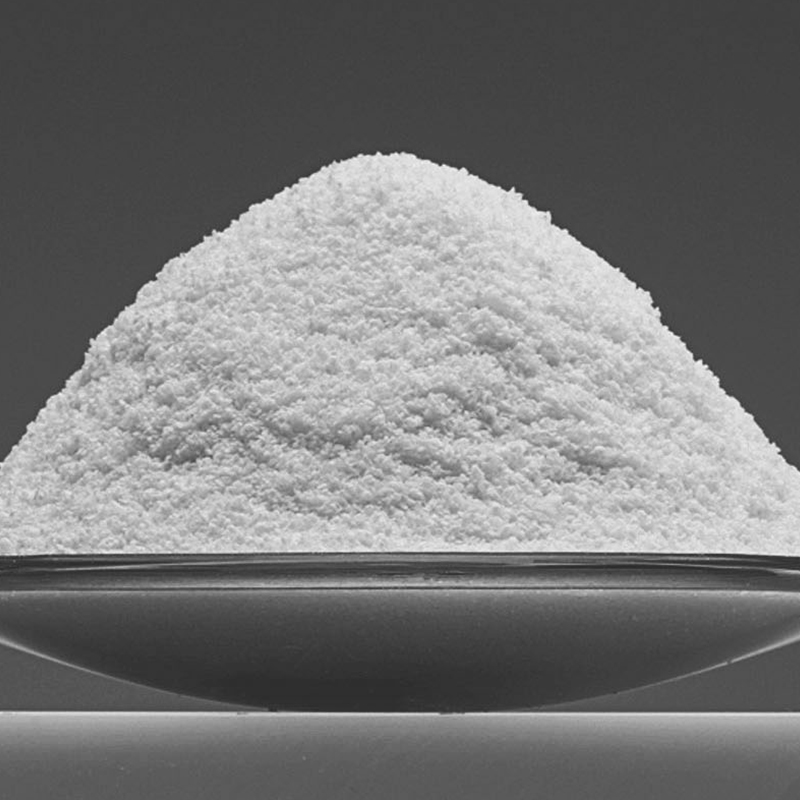
A completion engineer preparing a workover in a depleted sandstone well may have two HEC samples on the bench. Both are white powders. One hydrates cleanly in 9.0 ppg NaCl brine; the other leaves fish eyes, drifts in viscosity after hot rolling, and produces a filter cake that is hard to remove. The label is not the issue. The selection and test plan are.
Content
- 1 What HEC Does in Oil Well Completion Fluid
- 2 How HEC Behaves in Brine, Heat and Filter Cake
- 3 Reading the Selection Chart Without Overreading It
- 4 Dosage and Testing: Start With the Brine, Not the Number
- 5 Procurement Checks for HEC in Completion Fluids
- 6 Bottom Line for Completion-Fluid Teams
- 7 FAQ: HEC for Oil Well Completion Fluid
- 7.1 Q1. What is HEC used for in oil well completion fluid?
- 7.2 Q2. How much HEC is added to completion fluid?
- 7.3 Q3. Is HEC compatible with calcium chloride and high-density brines?
- 7.4 Q4. Does HEC cause formation damage in gravel packing?
- 7.5 Q5. How do you remove HEC filter cake after completion?
- 7.6 Q6. What should I check in an HEC supplier's COA?
What HEC Does in Oil Well Completion Fluid
In a completion fluid, HEC raises viscosity without adding solids, suspends bridging agents such as sized calcium carbonate, helps control filtrate loss, and improves lubricity. It does not provide density; that comes from NaCl, KCl, CaCl2, NaBr/CaBr2, or formate brines. It also does not replace a properly sized bridging package.
HEC is a non-ionic cellulose ether. That matters in completion fluids because it is generally less sensitive to multivalent brine cations than many anionic polymers. The practical benefit is formulation flexibility. The practical risk is overconfidence: high salinity, high temperature, contamination, and poor hydration can still reduce performance.
- Viscosity: builds low-solids viscosity and shear-thinning flow behavior.
- Suspension: helps carry bridging solids and keep the fluid homogeneous.
- Fluid loss: supports filtrate control when used with a suitable bridging package.
- Lubricity: can improve the feel of the fluid in workover and completion operations.
- Cleanup: requires a breaker or displacement plan; HEC residue must not be left behind in the completion interval.
How HEC Behaves in Brine, Heat and Filter Cake
HEC hydrates in water and forms an entangled polymer network. Under shear it thins; at rest it rebuilds viscosity. That shear-thinning profile is why it can be pumped through surface lines and still hold solids downhole. Because HEC is non-ionic, it often tolerates brine better than charged polymers, but high-density brines and high temperature can still cause poor hydration, thermal thinning, or viscosity drift. Test at bottomhole circulating temperature, not only at surface.
| Check | Why It Matters | Practical Action |
|---|---|---|
| Brine compatibility | HEC may hydrate poorly, cloud, or lose viscosity in some high-density brines. | Make up samples in the actual brine; check clarity, viscosity, and fluid loss after hot rolling. |
| Hydration control | Fish eyes and lumps waste product and create inconsistent viscosity. | Verify dispersion method, mixing speed, mixing time, and water quality. |
| Rheology | Over-thickening can raise pump pressure and trap solids. | Measure apparent viscosity and yield point at target temperature; adjust loading. |
| Filter cake | HEC supports fluid loss but needs bridging solids for a thin, removable cake. | Pair with sized bridging agents; test cake thickness and cleanup. |
| Thermal aging | Viscosity can drift after exposure to bottomhole temperature. | Hot-roll samples and compare before/after rheology and fluid loss. |
| Cleanup | Polymer residue can plug gravel packs, perforations, or pore throats. | Confirm breaker, displacement, and return-permeability performance. |
Reading the Selection Chart Without Overreading It
The chart below is a planning aid, not a specification. It shows where laboratory attention usually goes when HEC is screened for completion fluid. The point is to rank test work, not to claim a universal performance score.
Dosage and Testing: Start With the Brine, Not the Number
Most completion-fluid programs screen HEC with a loading ladder rather than a single published dose. Viscosity response depends on HEC molecular weight, degree of substitution, hydration, brine composition, temperature, and shear history. A product that reaches target viscosity in fresh water may underperform in 11.6 ppg CaCl2 brine or over-thicken after hot rolling.
- Define the brine type, density, and target bottomhole temperature.
- Set acceptance targets for viscosity, yield point, and fluid loss.
- Run a loading ladder in the actual brine, not a generic lab brine.
- Hot-roll and re-measure rheology and filtration behavior.
- Confirm filter-cake removal and return permeability where formation damage is a risk.
- Lock the mixing procedure before the job, including hydration time and shear.
API RP 13B-1 / ISO 10414-1 provides a widely used laboratory framework for water-based drilling and completion fluids. Use it to compare candidate HEC grades on the same test matrix, then confirm the chosen grade with a field-scale mixing trial.
Procurement Checks for HEC in Completion Fluids
When two HEC powders meet the same nominal viscosity spec, the difference often shows up in hydration speed, insoluble residue, brine tolerance, and batch consistency. Ask for a certificate of analysis that states the test method, solvent, concentration, temperature, and spindle or speed for viscosity. A generic “viscosity 5,000 cps” line is not enough for completion-fluid qualification.
- COA with clear test methods, not only typical values.
- Brine-specific lab data for the proposed grade.
- Moisture, ash, pH, and insoluble residue limits.
- Particle size and hydration behavior under field mixing.
- Packaging, storage, and shelf-life guidance.
- Batch traceability and change-control notification.
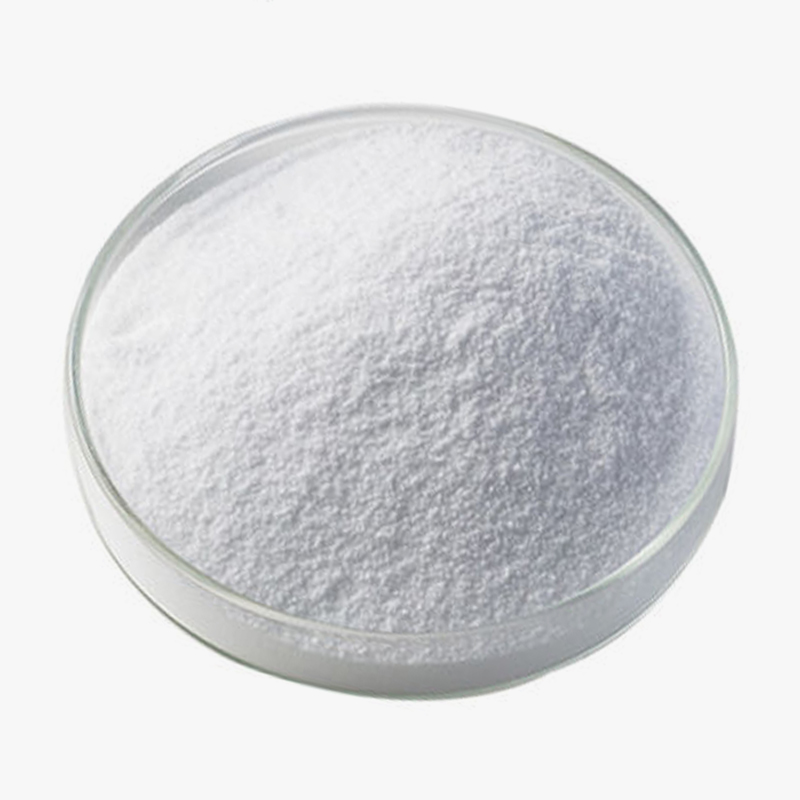 EASONZELL HEC Series for Oil Drilling FluidsHydroxyethyl cellulose grades for drilling, completion, repair, and fracturing fluids, with selectable viscosity grades and specification data for formulation review.View Product →
For teams comparing fluid additives across drilling and completion stages, review the broader oilfield drilling fluid additives range before locking the formulation. The best HEC grade is the one that passes the brine, thermal, and cleanup tests together, not the one with the highest viscosity number on a data sheet.
Bottom Line for Completion-Fluid Teams
HEC is a good fit when the fluid needs clean viscosity, solids suspension, and fluid-loss support in a brine system, and when the cleanup path is designed with the filter cake. It is a poor fit when the plan treats HEC as a single-number additive, ignores brine compatibility, or skips return-permeability testing.
FAQ: HEC for Oil Well Completion Fluid
Q1. What is HEC used for in oil well completion fluid?
HEC thickens brine-based completion and workover fluids, helps suspend bridging solids, supports fluid-loss control, and improves lubricity. It is not a weighting agent.
Q2. How much HEC is added to completion fluid?
There is no universal dose. Formulators run a loading ladder in the actual brine and temperature, then set viscosity, yield point, fluid loss, and cleanup targets through laboratory testing.
Q3. Is HEC compatible with calcium chloride and high-density brines?
HEC is non-ionic and often more brine-tolerant than anionic polymers, but high-density brines, heat, and contamination can still reduce hydration or viscosity. Test the exact brine at bottomhole conditions.
Q4. Does HEC cause formation damage in gravel packing?
HEC can leave polymer residue if it is not broken or displaced properly. Use a qualified grade, control concentration, and confirm a cleanup method compatible with the formation and completion hardware.
Q5. How do you remove HEC filter cake after completion?
Cleanup usually combines mechanical removal, brine displacement, and a breaker such as an oxidizer, acid, or enzyme system. Selection depends on HEC grade, brine, temperature, and metallurgy.
Q6. What should I check in an HEC supplier's COA?
Check viscosity method, moisture, ash, pH, insoluble residue, hydration behavior, and batch consistency. Ask for brine-specific test data, not only a generic product specification.

 Email: sarah@ys-cellulose.com
 Phone: +86-18067879812 / +86-575-82966958


