


 简体中文
简体中文 English
 русский
 عربى
عربى Español
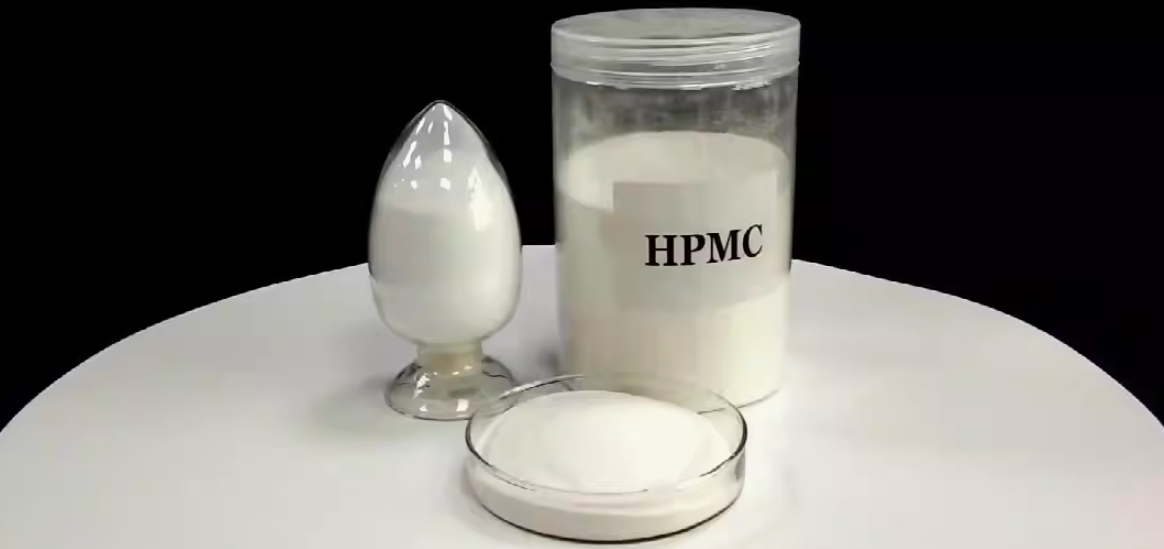
In the construction industry, mortar and coatings, as key building materials, play a crucial role in project quality. With the continuous development of construction technology, improving the performance of mortar and coatings has become a focus of research and innovation. Hydroxypropyl methylcellulose (HPMC), as a non-ionic cellulose ether polymer, has gradually become one of the key additives for improving the quality of mortar and coatings due to its unique chemical structure and wide range of applications. It can not only improve the pumpability of mortar and the adhesion of coatings, but also effectively regulate the water retention and bonding properties of mortar.
Content
1. Mechanism of HPMC in improving mortar performance
Improving water retention of mortar
HPMC has good water solubility and can effectively improve the water retention of mortar. During mortar construction, rapid water evaporation can lead to early cracking of the mortar. HPMC, by forming a network structure, can effectively lock in water, delay water evaporation, and maintain the moisture content of the mortar. This not only helps the mortar to bond better during the hardening process, but also prevents cracking caused by excessive water loss.
Improving pumpability
In construction, especially in high-rise buildings and large-scale construction projects, the pumpability of mortar is crucial. HPMC can form a viscous paste in the mortar, improving its fluidity and pumpability. Its thickening effect reduces the risk of segregation or blockage of the mortar during pumping, thereby improving construction efficiency and reducing construction difficulty.
Extending working time as a retarder
When using HPMC, the setting time of the mortar is significantly extended. For projects that require a longer construction time, HPMC, as a retarder, can effectively delay the setting time of the mortar, allowing construction workers to operate for a longer period of time and preventing the quality of the project from being affected by the rapid setting of the mortar.
2. Mechanism of HPMC in improving coating performance
Enhancing coating adhesion
HPMC has strong bonding properties and can enhance the adhesion of the coating to the substrate. Adding HPMC to coatings improves their adhesion to various substrates (such as concrete, wood, and gypsum board), enhancing the durability and longevity of the coating. This effect is particularly pronounced in humid environments, where HPMC prevents peeling or delamination of the coating.
Improved Rheology and Workability of Coatings
HPMC effectively improves the flow and workability of coatings. During the manufacturing process, HPMC can adjust the viscosity of the coating, ensuring ideal flow properties during application. Appropriate viscosity not only helps the coating spread evenly on the surface but also prevents dripping or sagging, improving the quality of the coating application.
Improved Water Resistance and Weatherability of Coatings
Due to its excellent water resistance and moisture resistance, coatings containing HPMC can effectively improve the water resistance of the coating, preventing water penetration and protecting the substrate from damage in humid environments. At the same time, HPMC enhances the weatherability of the coating, allowing it to maintain good performance even after prolonged exposure to sunlight, rain, and other environmental factors.
3. Application Examples of HPMC in the Construction Industry
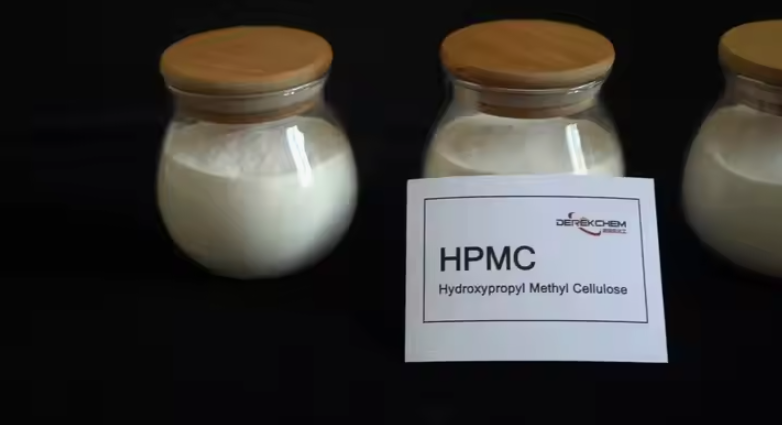
HPMC, as a functional additive, is widely used in building materials such as mortar, coatings, putty powder, gypsum, and tile adhesives. In the construction industry, the main functions of HPMC include:
Cement mortar: By increasing the water retention and pumpability of the mortar, it ensures smooth construction and reduces cement consumption.
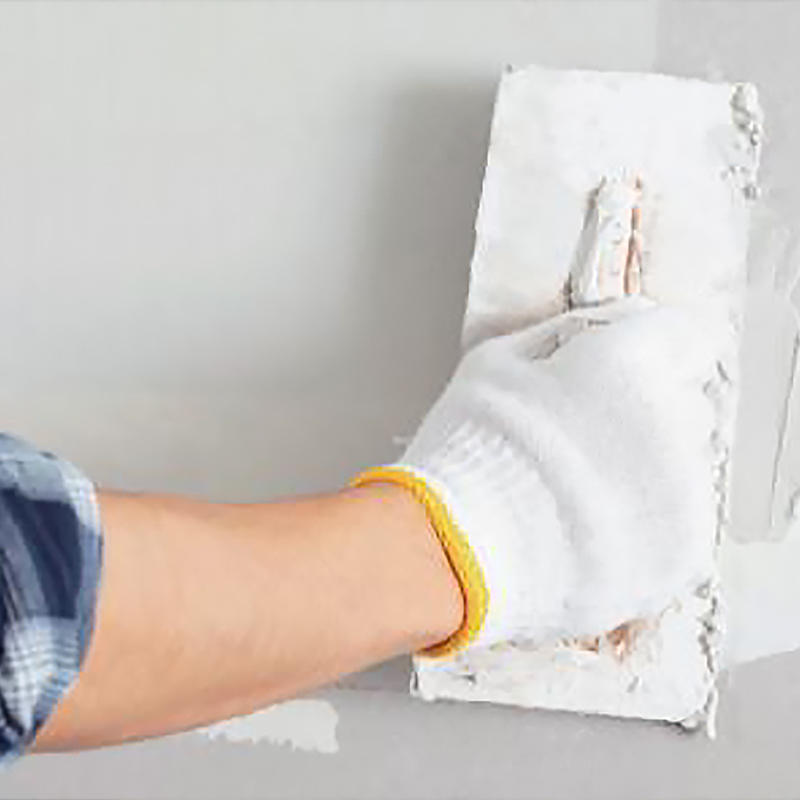
Plastering mortar: Improves the bonding strength and working time of the mortar, making plastering more efficient and precise.
Tile adhesive: Improves the adhesion between tiles and the substrate, preventing tiles from falling off or shifting.
Wall coatings: Improves the adhesion, rheology, and water resistance of the coating, ensuring the durability and longevity of the wall coating.
Comparison of the functions of HPMC in mortars and coatings:
| Performance Enhancement | Application in Mortar | Application in Coatings |
| Water Retention | Improves water retention in mortar, delays moisture evaporation, and prevents cracking. | Enhances the moisture retention of coatings, preventing them from drying too quickly during application. |
| Pumpability | Improves the flowability and pumpability of mortar, reducing the risk of blockages during construction. | Improves the rheology of coatings, making them easier to apply and ensuring an even coat. |
| Retarding Effect | Extends the setting time of mortar, allowing longer working time during construction. | Increases the working time of coatings, preventing them from drying too quickly and affecting application quality. |
| Adhesion | Enhances the adhesion between mortar and substrates, improving bonding strength. | Improves the adhesion between coatings and substrates, preventing peeling or flaking of the coating. |
| Water Resistance | Improves the water resistance of mortar, reducing the risk of water infiltration. | Enhances the water resistance of coatings, protecting building surfaces from moisture damage. |
4. Hydroxypropyl Methylcellulose (HPMC) Frequently Asked Questions (FAQ)
(1) What are the main application areas of HPMC?
HPMC has a very wide range of applications, mainly including:
Construction industry: Used in cement mortar, plaster, putty powder, tile adhesives, etc., to improve water retention, pumpability, and retarding effect.
Coatings: Increases the adhesion, rheology, and workability of coatings, improving the adhesion and durability of the coating.
Pharmaceutical industry: Used as a sustained-release agent for drugs, capsule shell material, and cream base.
Food industry: Used as a thickener, stabilizer, and humectant.
Cosmetics: Used as a thickener, stabilizer, and emulsifier.
(2) What is the role of HPMC in the construction industry?
In the construction industry, the main roles of HPMC include:
Improving the water retention of mortar: Reduces water evaporation and prevents mortar cracking.
Improving the pumpability of mortar: By increasing viscosity, it improves the fluidity and pumpability of mortar, reducing clogging during construction.
Retarding effect: Extends the setting time of mortar, providing more operating time for construction.
Enhancing adhesion: Improves the adhesion between mortar and substrate, ensuring the bonding effect.
Improving the adhesion and rheology of coatings: Improves the workability and uniformity of coatings.
(3) Are there any safety concerns when using HPMC?
HPMC is a relatively safe chemical substance, widely used in the construction, pharmaceutical, food, and cosmetics industries. According to current research, HPMC is non-toxic to humans, but proper usage guidelines should still be followed during handling. Avoid inhaling large amounts of dust directly and avoid excessive skin contact with the product. If contact with eyes or skin occurs, rinse immediately with plenty of water.
(4) What other construction additives can HPMC be used with?
HPMC can usually be used with other construction additives (such as gypsum, adhesives, plasticizers, waterproofing agents, etc.) to enhance the performance of mortar, coatings, and other building materials. However, attention should be paid to the compatibility of the materials when mixing to avoid adverse reactions between certain additives. It is recommended to conduct small-scale experiments before use to ensure the compatibility of all components.
(5) Does HPMC have an impact on the environment?
HPMC itself is environmentally friendly. As a recyclable material, it can be recycled after use. Compared with traditional plastic additives, HPMC has a smaller environmental impact. However, excessive waste should be avoided during use, and waste disposal and recycling should be carried out in accordance with local regulations.
(6) What are the main advantages of HPMC?
The main advantages of HPMC include:
Thickening properties: It can significantly increase the viscosity of aqueous solutions and control rheology.
Water retention: It effectively locks in moisture and delays the drying process.
Modification function: It can improve the construction performance and durability of materials such as mortars and coatings.
Environmental friendliness: As a natural cellulose derivative, HPMC is relatively environmentally friendly and non-toxic.
 Email: sarah@ys-cellulose.com
 Phone: +86-18067879812 / +86-575-82966958


