


 简体中文
简体中文 English
 русский
 عربى
عربى Español
Direct answer: Hydroxypropyl starch ether (HPS) significantly improves water retention, workability, and construction efficiency in dry-mix mortar systems, making it one of the most cost-effective functional additives for tile adhesive, wall putty, and cement-based formulations.
Content
What Is Hydroxypropyl Starch Ether (HPS) Used For?
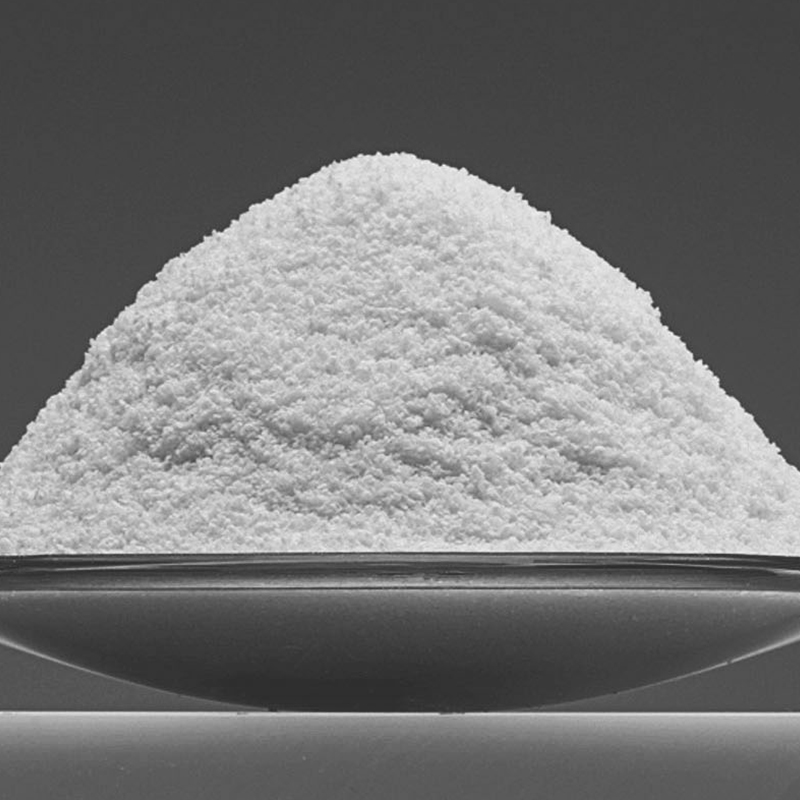
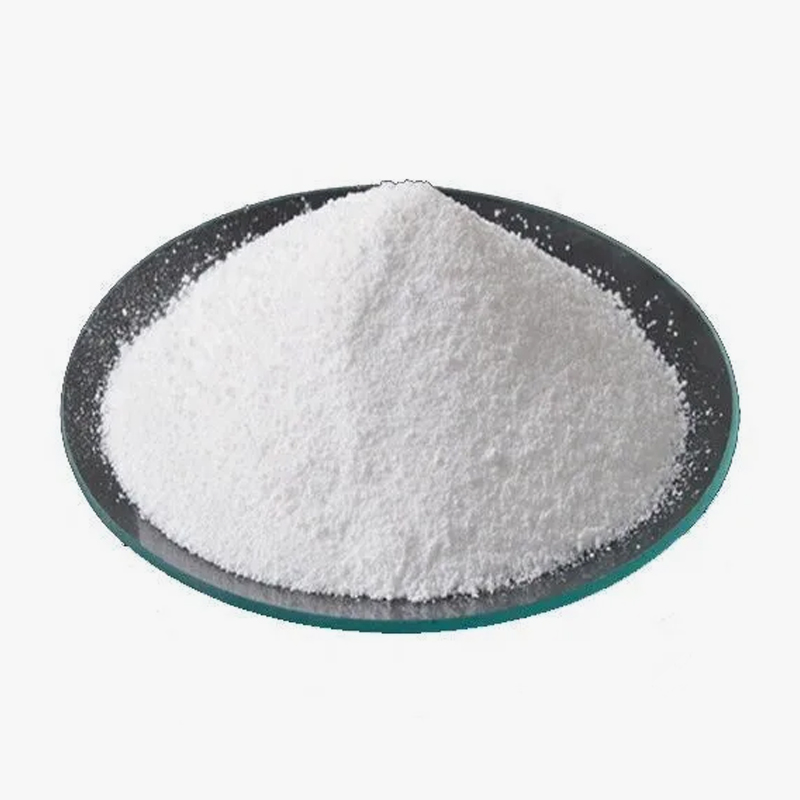
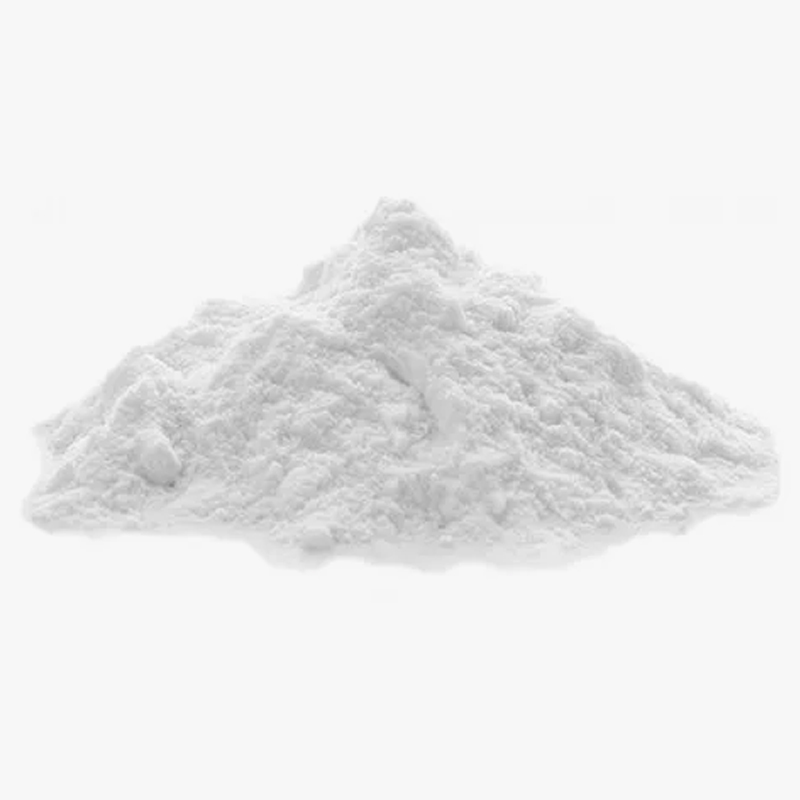
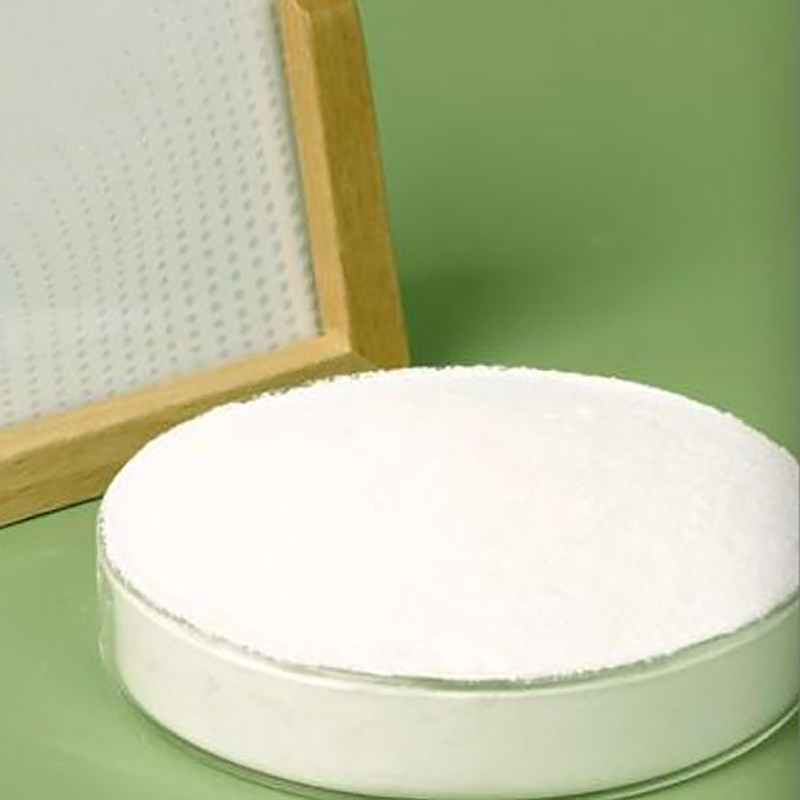
Hydroxypropyl starch ether is a modified natural polymer derived from starch. It is widely used in construction chemicals to regulate rheology and enhance application performance. Unlike ordinary starch, HPS is chemically treated to achieve higher stability and better compatibility with cement systems.
- Improves water retention in cement-based materials
- Enhances sag resistance and open time
- Reduces material separation and bleeding
In tile adhesive applications, adding 0.02%–0.05% HPS by weight can increase water retention performance by over 30%, improving bonding reliability.
How Does HPS Improve Mortar Workability?
HPS works by forming a temporary polymer network in the mortar slurry. This structure helps stabilize moisture distribution and improves the consistency of the mixture.
Better Flow Control
With proper dosage, HPS can reduce material slump while maintaining smooth troweling. This balance allows workers to achieve uniform thickness and better surface finish.
Extended Open Time
By slowing water evaporation, HPS can extend open time by 20%–40%, which is critical for large-area tile installation and high-temperature construction environments.
How Does HPS Compare with Other Additives?
HPS is often used together with cellulose ether, but it plays a different functional role. While cellulose ether mainly controls viscosity, HPS focuses on improving initial hydration behavior and workability stability.
| Property | HPS | Cellulose Ether |
|---|---|---|
| Water Retention | High | Very High |
| Initial Workability | Excellent | Good |
| Cost Efficiency | High | Medium |
Which Applications Benefit Most from HPS?
Hydroxypropyl starch ether is especially effective in construction materials that require controlled hydration and strong early-stage performance.
- Tile adhesives and stone bonding mortars
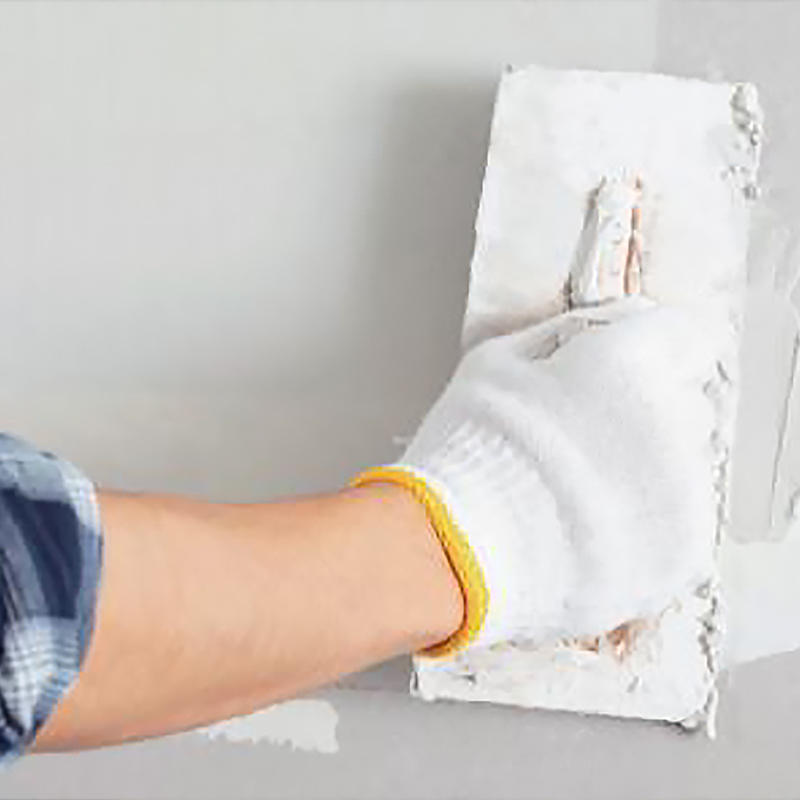
- Wall putty and skim coat products
- Self-leveling floor compounds
- Gypsum-based plasters
In wall putty formulations, HPS can reduce cracking risk by 25%+ by improving moisture distribution during drying.
How Much HPS Should Be Added for Best Results?
Proper dosage is essential for achieving stable performance. Excessive HPS may cause delayed setting or surface stickiness.
- Tile adhesive: 0.02%–0.05%
- Wall putty: 0.01%–0.03%
- Gypsum plaster: 0.02%–0.04%
Maintaining the recommended range ensures stable consistency, fast dispersion, and reliable construction performance.
FAQ: Common Questions About Hydroxypropyl Starch Ether
Is HPS environmentally friendly?
Yes. HPS is derived from renewable starch sources and is biodegradable, making it suitable for green building material systems.
Can HPS replace cellulose ether?
HPS is usually used as a complementary additive rather than a full replacement. Combining both can optimize performance and reduce formulation costs.
Does HPS affect setting time?
At proper dosage levels, HPS has minimal impact on final setting time while improving early-stage workability and hydration control.
 Email: sarah@ys-cellulose.com
 Phone: +86-18067879812 / +86-575-82966958


