


 简体中文
简体中文 English
 русский
 عربى
عربى Español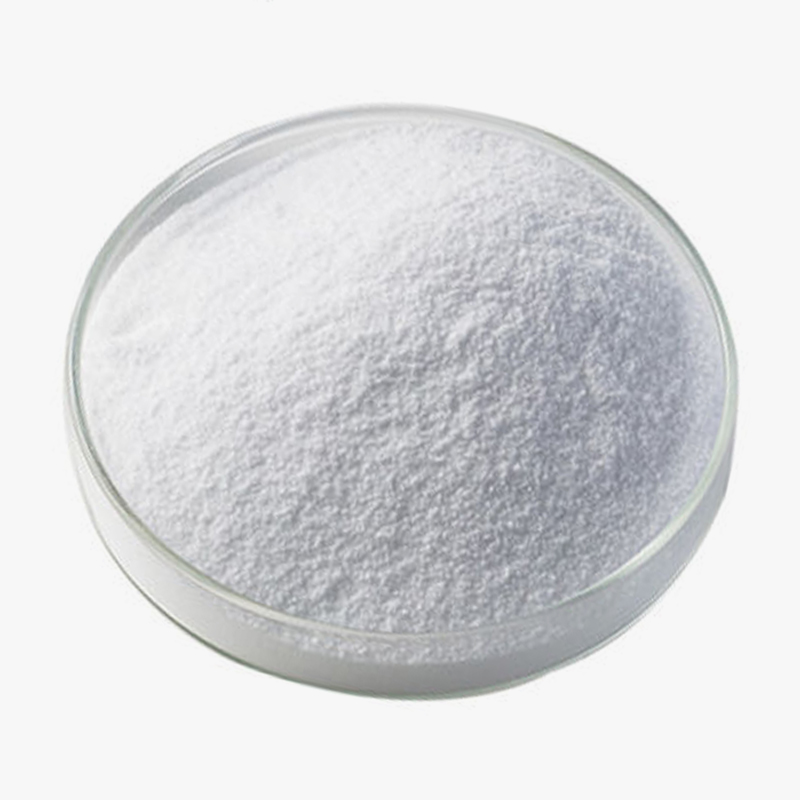
Zhejiang Yisheng New Material Co., Ltd. is a professional enterprise engaged in the design, development, manufacturing, application, and sales of cellulose ether, located in the Shangyu Economic and Technological Development Zone, part of the Hangzhou Bay National Industrial Park. With a core concept of safety, environmental protection, and sustainable development, the company boasts an annual production capacity of 15,000 tons of cellulose ether, offering a complete range of products including HEC (hydroxyethylcellulose), HEMC (hydroxyethyl methylcellulose), and HPMC (hydroxypropyl methylcellulose). Our products serve various sectors such as oil fields, coatings, dry powder mortar, cosmetics, personal care products, medicine, and many others. Yisheng has a global presence, providing stable cellulose ethers and services to customers worldwide.
As a professional China Oilfield Drilling Fluid Additives Supplier and Oilfield Drilling Fluid Additives Company, The company adheres to the principles of safety and environmental protection as the foundation of its development. It implements and further consolidates safety and environmental protection measures, striving to create green and environmentally friendly production processes, safe and effective control systems, and orderly production management. This approach lays a solid foundation for the company's sustainable development. Yisheng boasts a scientific management mechanism, a comprehensive quality management system, stringent product testing methods, advanced technology, state-of-the-art equipment, and high-quality after-sales service.
Product Overview
This range covers non-ionic hydroxyethyl cellulose grades developed specifically for the oilfield services sector, where fluid performance has a direct impact on drilling efficiency and well integrity. The polymers are manufactured to a controlled molecular weight distribution so that viscosity build in water, brine, or completion fluids is predictable batch after batch, which matters when field engineers are adjusting mud weight on short notice.
Because the polymer backbone is non-ionic, it tolerates a broad pH window and remains stable in the presence of common oilfield salts, including sodium chloride, calcium chloride, and potassium chloride brines. It is typically used alongside bentonite, barite, and other conventional mud additives without antagonistic interactions, and it disperses cleanly when added under moderate shear, reducing the risk of lumping during mixing.
| Parameter | Typical Value |
| Appearance | White to off-white free-flowing powder |
| Viscosity (2% aqueous solution, Brookfield, mPa·s) | 1,500 - 45,000, grade dependent |
| pH (1% solution) | 6.0 - 8.5 |
| Moisture content | ≤ 10% |
| Ash content | ≤ 5% |
| Particle size (through 80 mesh) | ≥ 98% |
| Molar substitution (MS) | 1.8 - 2.5 |
| Ionic character | Non-ionic |
| Recommended storage | Sealed, dry, cool warehouse; 25 kg kraft bags or as agreed |
Application
These grades are formulated for water-based drilling fluid systems, workover and completion fluids, packer fluids, and cement slurry applications where viscosity control and reduced fluid loss are both required. They are also used in solids-free brine completion fluids where a clear, low-residue system is preferred.
- Primary viscosifier in fresh water, seawater, and brine-based drilling muds
- Filtrate reduction in completion and workover fluids
- Compatible carrier fluid for solids-free perforating and packer fluids
- Auxiliary rheology modifier in cement slurry systems
- Suitable for temperatures typically up to 120-140°C depending on grade and system design
As with any oilfield chemical, field trials are recommended before full-scale use, since actual performance depends on brine composition, shear history, temperature profile, and the other additives present in the system.
 Email: sarah@ys-cellulose.com
 Phone: +86-18067879812 / +86-575-82966958


