


 简体中文
简体中文 English
 русский
 عربى
عربى Español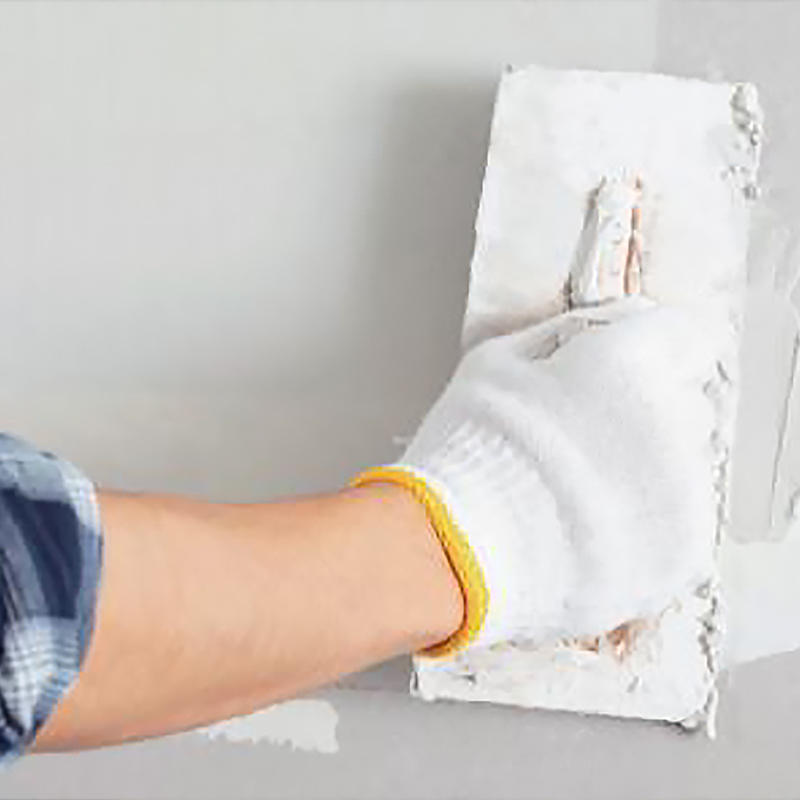
Zhejiang Yisheng New Material Co., Ltd. is a professional enterprise engaged in the design, development, manufacturing, application, and sales of cellulose ether, located in the Shangyu Economic and Technological Development Zone, part of the Hangzhou Bay National Industrial Park. With a core concept of safety, environmental protection, and sustainable development, the company boasts an annual production capacity of 15,000 tons of cellulose ether, offering a complete range of products including HEC (hydroxyethylcellulose), HEMC (hydroxyethyl methylcellulose), and HPMC (hydroxypropyl methylcellulose). Our products serve various sectors such as oil fields, coatings, dry powder mortar, cosmetics, personal care products, medicine, and many others. Yisheng has a global presence, providing stable cellulose ethers and services to customers worldwide.
As a professional China Hydroxypropyl Starch Ether Supplier Supplier and Hydroxypropyl Starch Ether Supplier Company, The company adheres to the principles of safety and environmental protection as the foundation of its development. It implements and further consolidates safety and environmental protection measures, striving to create green and environmentally friendly production processes, safe and effective control systems, and orderly production management. This approach lays a solid foundation for the company's sustainable development. Yisheng boasts a scientific management mechanism, a comprehensive quality management system, stringent product testing methods, advanced technology, state-of-the-art equipment, and high-quality after-sales service.
Product Overview
HPS is increasingly used in dry-mix mortar formulations as a partial or supplementary replacement for cellulose ether — particularly in cost-sensitive markets where the combination of HPS and a reduced dosage of HPMC or HEMC can deliver equivalent water retention and workability performance at lower total additive cost. The starch backbone provides good cohesiveness and adhesion, while the hydroxypropyl modification suppresses retrogradation (starch recrystallisation), ensuring long-term solution stability and preventing premature gelling in the dry bag.
In tile adhesive and wall putty formulations, HPS contributes to the slip resistance and anti-sag performance of fresh mortar, complementing the primary thickening and water retention functions of HPMC. At higher temperatures and in high-humidity environments, HPS remains functional where unmodified starch would retrograde and lose effectiveness — making it suitable for use in regions with hot, humid climates.
Yisheng's HPS is manufactured from food-grade tapioca or corn starch raw materials through a controlled propylene oxide etherification process. The degree of substitution (DS) and particle size are controlled to ensure consistent performance in dry-mix applications. Products are available in standard grades suitable for most construction chemical formulations, with custom DS grades available on request.
Specification
| Parameter | Standard Grade | High-DS Grade |
|---|---|---|
| Appearance | White to off-white powder | White to off-white powder |
| Degree of Substitution (DS) | 0.05 – 0.15 | 0.15 – 0.30 |
| Viscosity (2% solution, mPa·s) | 200 – 5,000 | 500 – 20,000 |
| Moisture Content (%) | ≤ 8.0 | ≤ 8.0 |
| Ash Content (%) | ≤ 0.5 | ≤ 0.5 |
| pH (2% solution) | 6.5 – 8.0 | 6.5 – 8.0 |
| Particle Size | 80–100 mesh | 80–120 mesh |
| Water Retention | ≥ 85% (EN 14891 method) | ≥ 90% |
| Raw Material Source | Tapioca / Corn starch | Tapioca / Corn starch |
| Packaging | 25 kg kraft bag; 500 kg big bag | |
Application
- Tile Adhesive (C1/C2 Grade): HPS is used at 0.1–0.3% in combination with HPMC or HEMC in tile adhesive formulations. It improves slip resistance on vertical tile work and contributes water retention, allowing a reduction in cellulose ether dosage while maintaining EN 12004 compliance.
- Wall Putty & Skim Coat: In white cement or calcium carbonate-based wall putty, HPS enhances cohesiveness and smoothness of the fresh paste, reducing trowel drag and improving surface finish quality.
- Gypsum Plaster & Gypsum Board Compound: HPS contributes to the thixotropic behavior of gypsum-based products, improving ease of trowel application and reducing material waste through better adhesion to the substrate.
- Dry-Mix Mortar General: As a cost-optimisation tool in renders, external wall insulation adhesives, and repair mortars, HPS allows formulators to balance performance and raw material cost, particularly in markets where cellulose ether prices are volatile.
- Papermaking & Paper Coating: HPS functions as a surface sizing agent and coating binder in paper production, improving surface strength, ink holdout, and printability.
Usage Note: HPS should always be used in combination with cellulose ether (HPMC or HEMC) in construction applications — it is a complementary additive, not a direct replacement for cellulose ether in demanding mortar formulations. Exceeding recommended dosages can cause excessive retardation of cement setting.
 Email: sarah@ys-cellulose.com
 Phone: +86-18067879812 / +86-575-82966958


