


 简体中文
简体中文 English
 русский
 عربى
عربى Español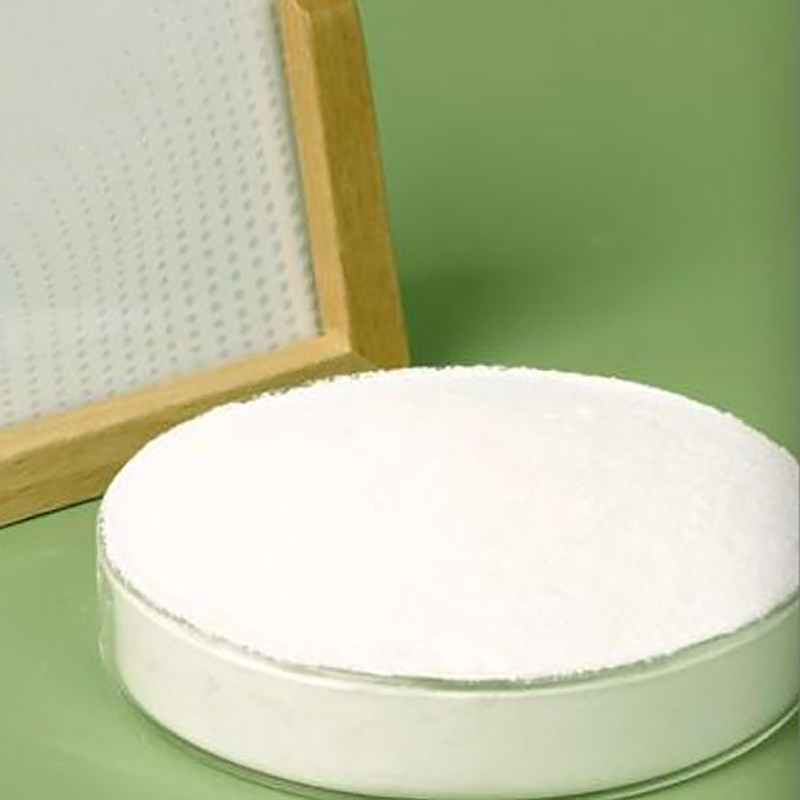
Zhejiang Yisheng New Material Co., Ltd. is a professional enterprise engaged in the design, development, manufacturing, application, and sales of cellulose ether, located in the Shangyu Economic and Technological Development Zone, part of the Hangzhou Bay National Industrial Park. With a core concept of safety, environmental protection, and sustainable development, the company boasts an annual production capacity of 15,000 tons of cellulose ether, offering a complete range of products including HEC (hydroxyethylcellulose), HEMC (hydroxyethyl methylcellulose), and HPMC (hydroxypropyl methylcellulose). Our products serve various sectors such as oil fields, coatings, dry powder mortar, cosmetics, personal care products, medicine, and many others. Yisheng has a global presence, providing stable cellulose ethers and services to customers worldwide.
As a professional China Redispersible Polymer Powder Supplier Supplier and Redispersible Polymer Powder Supplier Company, The company adheres to the principles of safety and environmental protection as the foundation of its development. It implements and further consolidates safety and environmental protection measures, striving to create green and environmentally friendly production processes, safe and effective control systems, and orderly production management. This approach lays a solid foundation for the company's sustainable development. Yisheng boasts a scientific management mechanism, a comprehensive quality management system, stringent product testing methods, advanced technology, state-of-the-art equipment, and high-quality after-sales service.
Product Overview
RDP bridges the gap between the rigidity of pure cementitious mortars and the flexibility demanded by modern construction applications. In a conventional cement mortar, hardening produces a rigid, brittle matrix that performs poorly under thermal cycling, dynamic loading, or substrate movement. Adding RDP at 1–5% introduces a polymer film that forms throughout the mortar matrix as it dries, toughening the microstructure, bridging microcracks, and improving deformability without sacrificing compressive strength.
The spray-drying process converts a liquid polymer emulsion (typically stabilised with polyvinyl alcohol and anti-caking agent) into a free-flowing powder that can be blended with cement, gypsum, aggregate, and other dry additives in factory production. The anti-blocking coating on each particle prevents re-agglomeration during storage and transport. Upon addition of water on site, the polymer particles coalesce into a continuous film, delivering the same performance as a liquid emulsion — but in a convenient, shelf-stable, single-component dry product.
Yisheng's RDP Series is available in VAE (vinyl acetate-ethylene copolymer) grades for general construction applications and acrylic grades for applications requiring enhanced UV resistance and exterior durability. Both series meet the technical requirements of EN 13888, EN 12004, and EN 998 standards that govern mortar performance in Europe.
Specification
| Parameter | VAE Grade | Acrylic Grade |
|---|---|---|
| Appearance | White free-flowing powder | White free-flowing powder |
| Polymer Type | Vinyl Acetate-Ethylene (VAE) | Styrene-Acrylic / Pure Acrylic |
| Solid Content (%) | ≥ 98.0 | ≥ 98.0 |
| Ash Content (%) | 10 – 14 | 8 – 12 |
| Bulk Density (g/L) | 450 – 550 | 420 – 520 |
| Minimum Film Formation Temp (°C) | 0 – 5 | 0 – 10 |
| Glass Transition Temperature (°C) | +5 to +15 | +10 to +20 |
| Moisture Content (%) | ≤ 2.0 | ≤ 2.0 |
| pH (10% dispersion) | 5.0 – 7.0 | 6.0 – 8.0 |
| Anti-Caking Agent | Calcium carbonate | Calcium carbonate / Kaolin |
| Packaging | 25 kg kraft bag; 500 kg big bag | |
| Shelf Life | 12 months (sealed, dry storage) | |
Application
- Tile Adhesive (C2 & C2S2): RDP is essential for producing C2 (improved) and C2S2 (improved, highly deformable) tile adhesives per EN 12004. It increases tensile adhesion strength beyond 1.0 N/mm² and provides the S2 deformability class (≥5 mm deflection) required for heated floors, exterior facades, and large-format tiles.
- External Insulation & Finishing Systems (EIFS): RDP provides the flexibility and impact resistance required by EIFS adhesive and base coat mortars to accommodate thermal expansion and substrate movement without cracking — typically used at 2–5% dosage.
- Self-Leveling Compounds: RDP improves the adhesion of self-leveling floor underlayments to concrete and existing floor coverings, and reduces brittleness of the hardened surface under point loads.
- Exterior Renders & Textured Finishes: Flexible renders for exterior walls contain RDP to accommodate substrate movement and improve resistance to freeze-thaw cycling in cold climates.
- Repair Mortars: In structural and cosmetic repair mortars, RDP improves adhesion to old concrete substrates and provides crack-bridging capability that extends the service life of the repair.
- Waterproofing Slurries: Flexible two-component cementitious waterproofing membranes use RDP as the polymer component, providing the crack-bridging ability and low permeability required by swimming pool and below-grade applications.
Storage Note: Store in original sealed bags in a dry, cool environment below 30°C. Avoid exposure to moisture or high humidity — once moisture enters the bag, powder may cake and lose redispersibility. Do not store directly on concrete floors; use pallets and maintain air circulation.
 Email: sarah@ys-cellulose.com
 Phone: +86-18067879812 / +86-575-82966958


