


 简体中文
简体中文 English
 русский
 عربى
عربى Español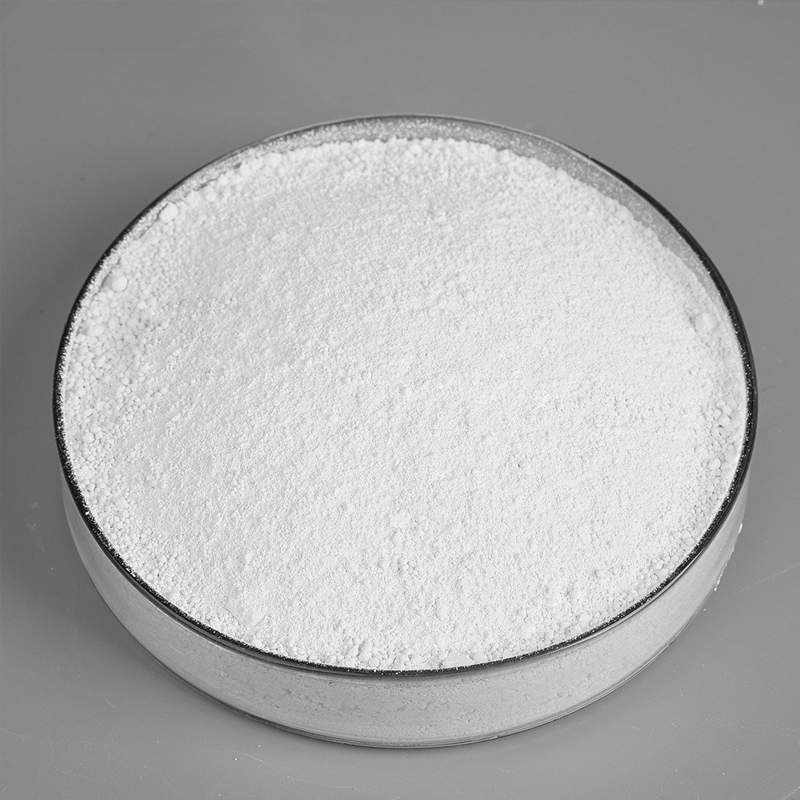
Zhejiang Yisheng New Material Co., Ltd. is a professional enterprise engaged in the design, development, manufacturing, application, and sales of cellulose ether, located in the Shangyu Economic and Technological Development Zone, part of the Hangzhou Bay National Industrial Park. With a core concept of safety, environmental protection, and sustainable development, the company boasts an annual production capacity of 15,000 tons of cellulose ether, offering a complete range of products including HEC (hydroxyethylcellulose), HEMC (hydroxyethyl methylcellulose), and HPMC (hydroxypropyl methylcellulose). Our products serve various sectors such as oil fields, coatings, dry powder mortar, cosmetics, personal care products, medicine, and many others. Yisheng has a global presence, providing stable cellulose ethers and services to customers worldwide.
As a professional China Cement-Based Mortar Additive Supplier and Cement-Based Mortar Additive Company, The company adheres to the principles of safety and environmental protection as the foundation of its development. It implements and further consolidates safety and environmental protection measures, striving to create green and environmentally friendly production processes, safe and effective control systems, and orderly production management. This approach lays a solid foundation for the company's sustainable development. Yisheng boasts a scientific management mechanism, a comprehensive quality management system, stringent product testing methods, advanced technology, state-of-the-art equipment, and high-quality after-sales service.
Product Overview
Modern cement-based mortars are complex multi-component systems. The basic cement-aggregate framework provides structural strength, but the application properties that determine whether a product is practical to use — spreadability, working time, water retention, sag resistance — are delivered entirely by chemical additives. Without these additives, even the best Portland cement would produce mortars that dry too fast, bond poorly to smooth substrates, and crack during drying.
Cellulose ethers (HPMC and HEMC) are the primary functional additives for water retention and workability in virtually all cementitious dry-mix products. They form a polymer network in the fresh mortar that retains water, reduces capillary absorption into the substrate, and provides the pseudoplastic viscosity profile that makes mortars easy to spread with a trowel or spray but resistant to slump under their own weight.
Redispersible polymer powder (RDP) is added to grades requiring improved flexibility and adhesion. Hydroxypropyl starch ether (HPS) supplements cellulose ether in cost-optimised formulations. Each of these additives is manufactured by Yisheng at the Shangyu facility, and the full technical support of our applications laboratory is available to assist customers in developing formulations that meet target performance classifications at optimal cost.
Specification
| Mortar Type | Primary Additive | Dosage (%) | Target Standard |
|---|---|---|---|
| General Purpose Render (GP) | HPMC 20,000–40,000 mPa·s | 0.10 – 0.20 | EN 998-1 CS II / CS III |
| Lightweight / Thermal Render | HPMC 40,000–80,000 mPa·s | 0.20 – 0.35 | EN 998-1 T class |
| C1 Tile Adhesive | HPMC 40,000–100,000 mPa·s | 0.20 – 0.35 | EN 12004 C1 |
| C2 Tile Adhesive | HPMC + RDP (VAE) | 0.25–0.40 + 1.0–2.5 | EN 12004 C2 |
| Repair Mortar | HPMC + RDP | 0.20–0.30 + 2.0–4.0 | EN 1504-3 R2/R3 |
| Masonry Mortar | HPMC 20,000–60,000 mPa·s | 0.05 – 0.15 | EN 998-2 M5 / M10 |
| Waterproofing Slurry | HPMC + RDP (acrylic) | 0.20–0.30 + 3.0–5.0 | EN 14891 |
| Grout (Tile Joint) | HPMC 10,000–40,000 mPa·s | 0.10 – 0.20 | EN 13888 CG2WA |
Application
- Dry-Mix Mortar Manufacturing: Cellulose ether and RDP are blended with Portland cement, graded sand, calcium carbonate fillers, and other additives (air-entraining agents, accelerators, retarders) in industrial dry-mix mortar plants to produce bagged products for the construction market.
- Plastering & Rendering Systems: HPMC or HEMC provides the workability and water retention needed for consistently smooth, crack-free plaster finishes — from hand-trowelled interior skim coats to machine-sprayed exterior renders.
- Masonry Mortars: Low-dosage cellulose ether in masonry bed joint mortars improves workability and reduces water demand, making bricklaying easier and more consistent without affecting final compressive strength.
- Concrete Repair Systems: Repair mortars for structural concrete rehabilitation contain HPMC for water retention and RDP for the flexibility and adhesion required to bond repair material to old concrete under the dynamic stresses of in-service structures.
- Cementitious Grout for Tile Joints: Tile grout contains HPMC to retain water during setting (preventing cracking from rapid drying) and to provide smooth, easy-to-trowel consistency. RDP is added in flexible (CG2) grades to accommodate thermal movement in large grout joints.
Dosage Guidance: Correct cellulose ether dosage is critical — too little results in poor water retention and early stiffening; too much can over-retard cement setting and reduce early strength. Always verify dosage through laboratory testing with your specific cement and aggregate system before scaling to production.
 Email: sarah@ys-cellulose.com
 Phone: +86-18067879812 / +86-575-82966958


