


 简体中文
简体中文 English
 русский
 عربى
عربى Español
Hydroxypropyl Starch Ether (HPS) is a chemically modified starch produced by reacting native starch with propylene oxide under alkaline conditions, introducing hydroxypropyl groups along the starch backbone. The result is a water-soluble, non-ionic polysaccharide derivative widely used as a thickener, water-retention agent, and workability enhancer in cement-based and gypsum-based dry mix mortar systems. HPS is not an adhesive itself — it is a functional additive that modifies the rheological and mechanical behavior of mortar formulations, making it indispensable in tile adhesive, wall putty, exterior insulation finishing systems (EIFS), and self-leveling underlayments.
In construction material formulations, HPS for dry mix mortar is typically used in combination with cellulose ethers such as HPMC (hydroxypropyl methylcellulose) or HEMC (hydroxyethyl methylcellulose). This synergistic combination delivers superior thickening efficiency, improved sag resistance, better open time, and enhanced crack resistance — while simultaneously enabling formulators to significantly reduce overall formulation cost compared to cellulose-ether-only systems. Dosages are generally low, ranging from 0.05% to 0.3% by weight of the total dry mix, depending on the application and desired performance profile.
Content
- 1 Chemical Structure and Properties of Hydroxypropyl Starch Ether
- 2 How HPS Improves Mortar Workability and Performance
- 3 Primary Applications: Where HPS Is Used in Construction
- 4 HPS vs. HPMC: Understanding the Difference and Synergy
- 5 Global Market Demand and Growth for Construction Additives
- 6 About Zhejiang Yisheng New Material: Professional HPS Manufacturer
- 7 Frequently Asked Questions About Hydroxypropyl Starch Ether
Chemical Structure and Properties of Hydroxypropyl Starch Ether
Native starch consists of two polysaccharide components: linear amylose (typically 20–30%) and branched amylopectin (70–80%). During hydroxypropylation, the hydroxyl groups (-OH) on the glucose units react with propylene oxide to form hydroxypropyl ether linkages (-O-CH₂-CHOH-CH₃). The degree of substitution (DS) or molar substitution (MS) — describing how many hydroxypropyl groups are added per glucose unit — directly controls solubility, viscosity development, and thermal stability in the final product.
Key Physical and Chemical Characteristics
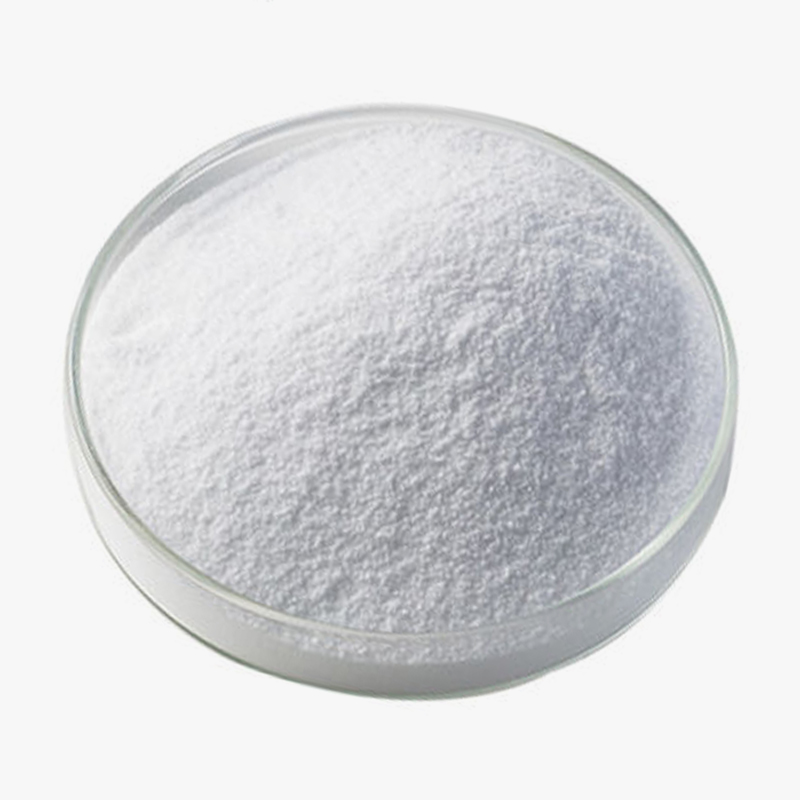
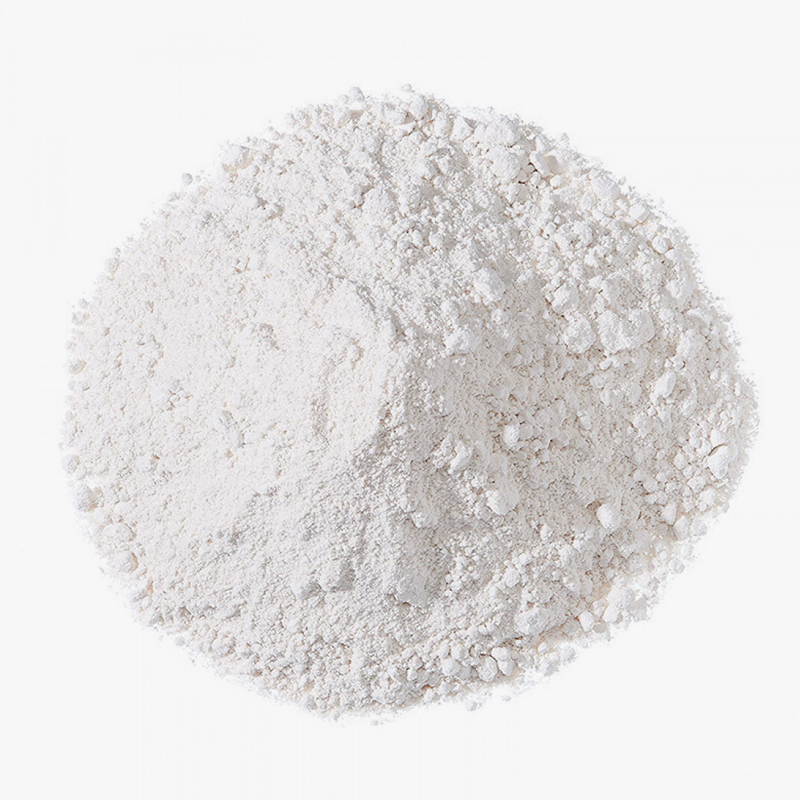
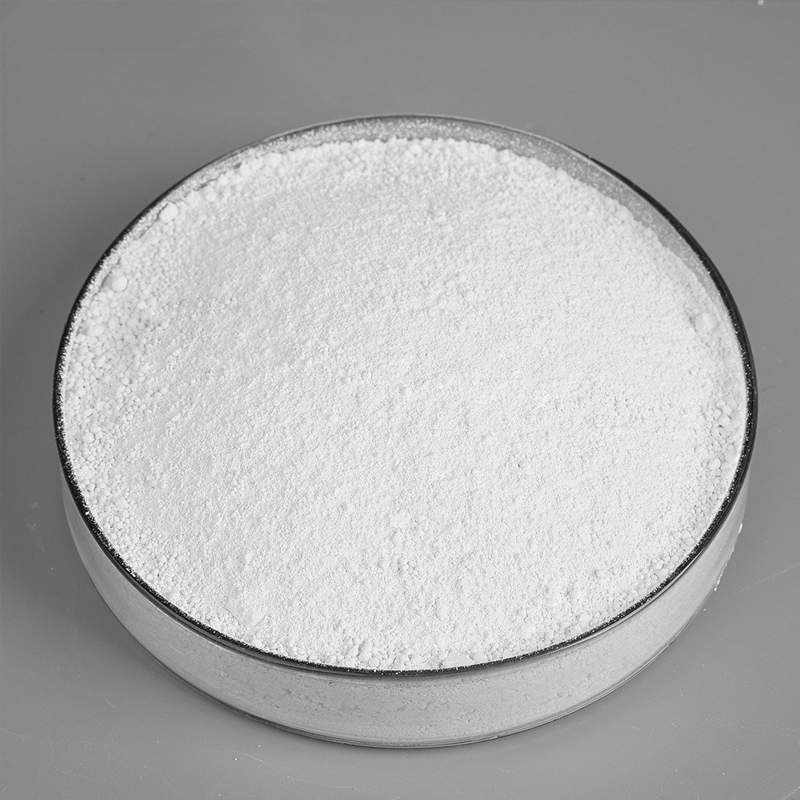
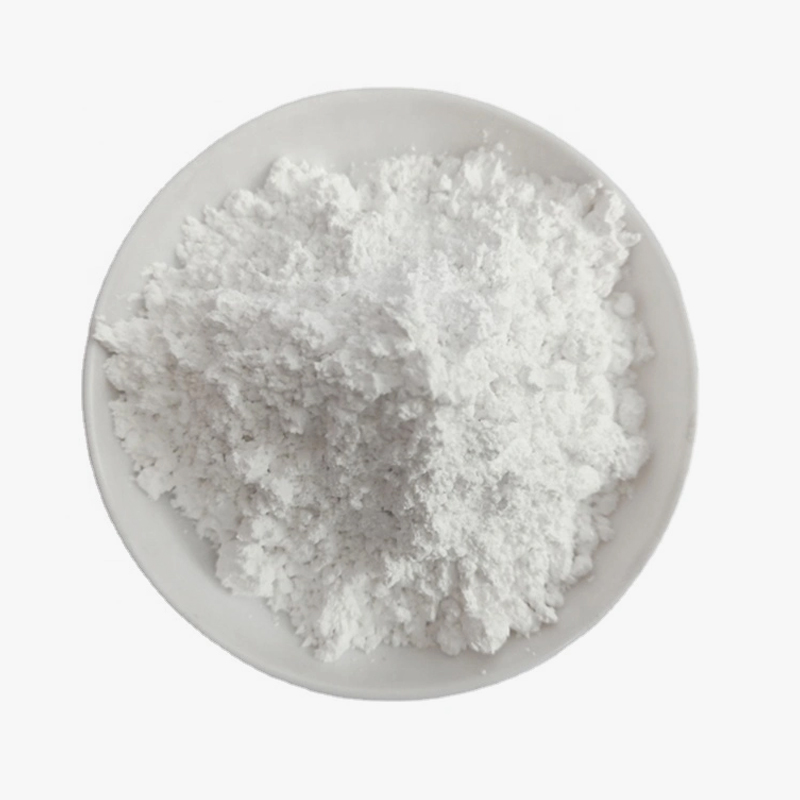
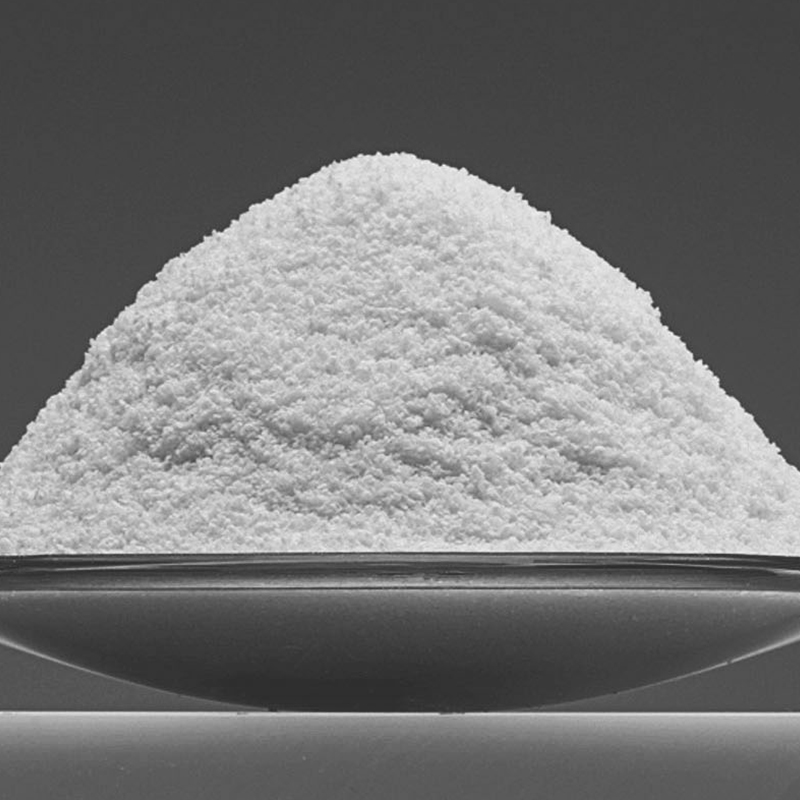
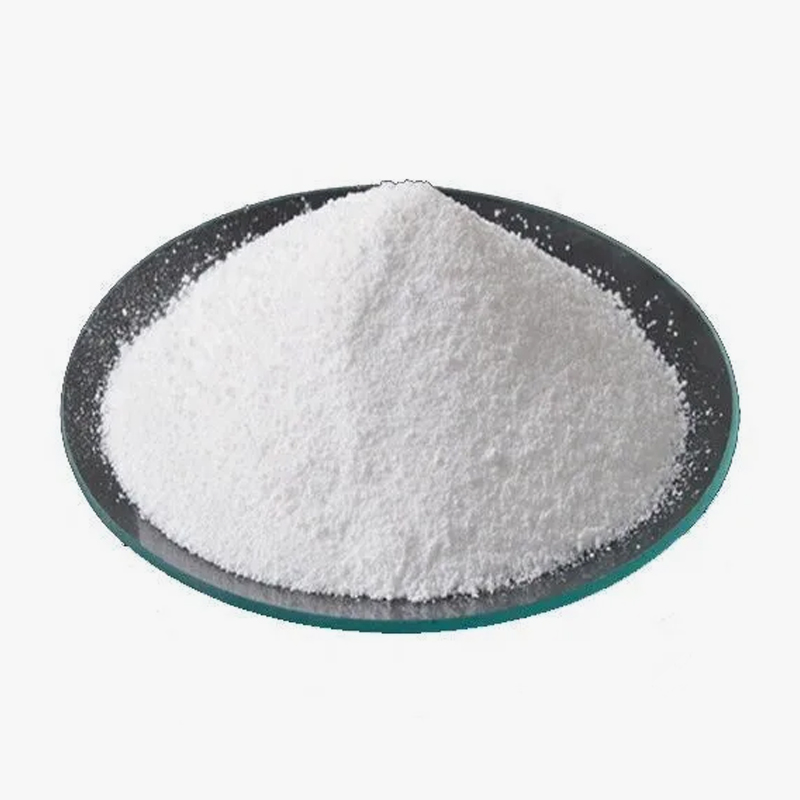
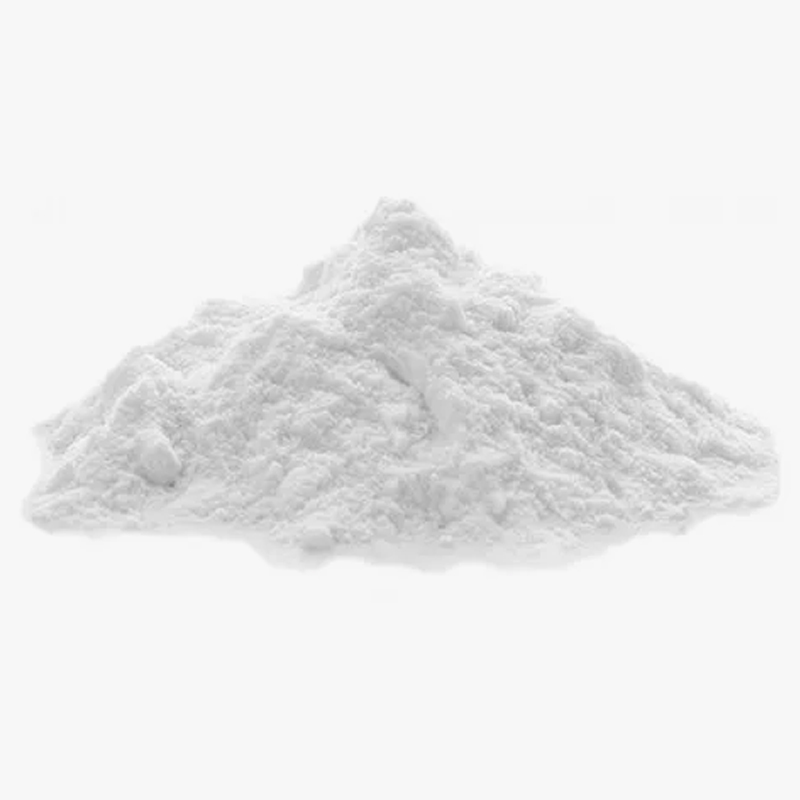
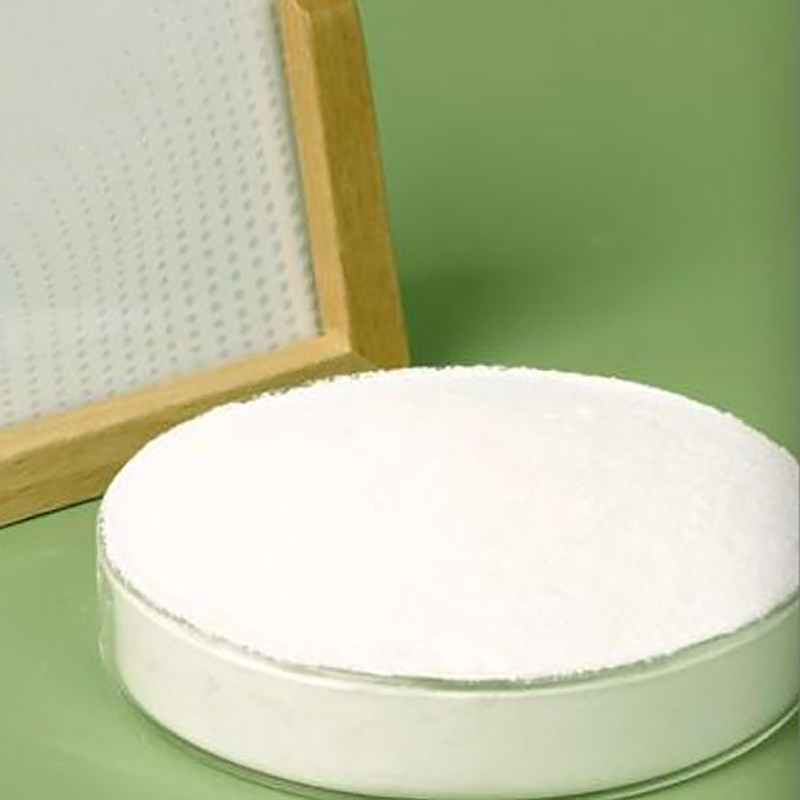
- Appearance: White to off-white free-flowing powder
- Solubility: Cold and hot water soluble; forms clear to slightly opaque solutions
- pH stability: Effective across a broad pH range of 3–11, covering both cement (pH ~12.5 with alkaline tolerance) and gypsum (pH ~7–8) systems
- Ionic character: Non-ionic — compatible with most cement, gypsum, polymer dispersions, and surfactant systems without charge-based incompatibility issues
- Viscosity range: Typically 200–20,000 mPa·s at 2% aqueous solution, depending on molecular weight and substitution degree
- Moisture content: Generally ≤12% for construction-grade HPS powders
- Biodegradability: Naturally derived and biodegradable, aligning with green building material requirements
The hydroxypropyl substitution disrupts the crystalline structure of native starch, reducing retrogradation (the tendency of starch to recrystallize and gel irreversibly on cooling), improving cold-water dispersibility, and enhancing stability during storage and mixing. This makes construction grade hydroxypropyl starch ether far more practical in dry powder mortar systems than unmodified starch, which would swell inconsistently and contribute to formulation instability.
How HPS Improves Mortar Workability and Performance
Hydroxypropyl starch ether for mortar systems works through several complementary mechanisms. When dry mix mortar containing HPS is hydrated, the HPS dissolves rapidly and distributes throughout the water phase, building viscosity through polymer chain entanglement and hydrogen bonding with water molecules. This physical network modifies the flow behavior of the fresh mortar without chemically interfering with cement hydration or gypsum setting reactions.
Thickening and Anti-Sag Performance
HPS is a pseudoplastic (shear-thinning) rheology modifier: it builds high viscosity at rest, preventing fresh mortar from slumping or sagging after application, while its viscosity drops substantially under the shearing action of a trowel or applicator — making the mortar easy to spread. This behavior is particularly valuable in hydroxypropyl starch ether for tile adhesive formulations, where the adhesive must hold a heavy ceramic or porcelain tile in position on a vertical wall surface without slipping during the open time before bond strength develops.
Water Retention
By reducing water migration from the fresh mortar into the substrate, HPS maintains sufficient moisture for complete cement or gypsum hydration. Inadequate water retention in porous substrates (such as aerated concrete or dry brick) can cause premature drying, resulting in weak bond strength and surface cracking. HPS contributes meaningfully to water retention, and its combination with HPMC creates a synergistic system where water retention values of 95–99% (measured per EN 1015-19) are achievable in optimized formulations.
Crack Resistance and Flexibility
The polymer matrix formed by HPS in the mortar contributes to plastic viscosity during early hydration, reducing internal stress concentration that drives plastic shrinkage cracking. In starch ether for wall putty applications, this translates to a smoother, more crack-resistant surface finish — particularly important for thin-film applications over large areas where drying stresses are highest.
HPS vs. Unmodified Starch: Mortar Performance Comparison (Radar)
This radar chart illustrates the substantial performance advantages of modified starch ether for mortar versus unmodified native starch across six critical functional dimensions. HPS scores particularly high in cold-water dispersibility and thickening efficiency — both essential for reliable performance in factory-produced dry mix mortar that must dissolve uniformly when mixed on-site. Unmodified starch, by contrast, shows poor cold-water dispersibility and rapid retrogradation, making it impractical as a consistent mortar additive in cold-weather or variable-temperature application environments. The gap in storage stability reflects HPS's resistance to microbial degradation and moisture-induced clumping during warehousing — a key quality criterion for construction-grade products.
Primary Applications: Where HPS Is Used in Construction
Hydroxypropyl starch ether in construction covers a broad range of dry mix mortar product categories. Its versatility as a non-ionic, water-soluble polymer makes it compatible across cement, gypsum, and lime-based binder systems. The following are the most significant application areas.
Tile Adhesive (C1, C2 class per EN 12004)
HPS in tile adhesive formula is one of the most commercially significant applications. In cementitious tile adhesives, HPS contributes anti-sag performance for large-format tile installation, extends open time, and improves comb ridge stability. It is used at dosages of 0.05–0.15% by weight of the total dry formulation, typically alongside HPMC at 0.2–0.4%. The combination of HPS and HPMC delivers better adhesion performance under ISO 13007 testing conditions than HPMC alone at equivalent dosages.
Wall Putty and Skim Coat
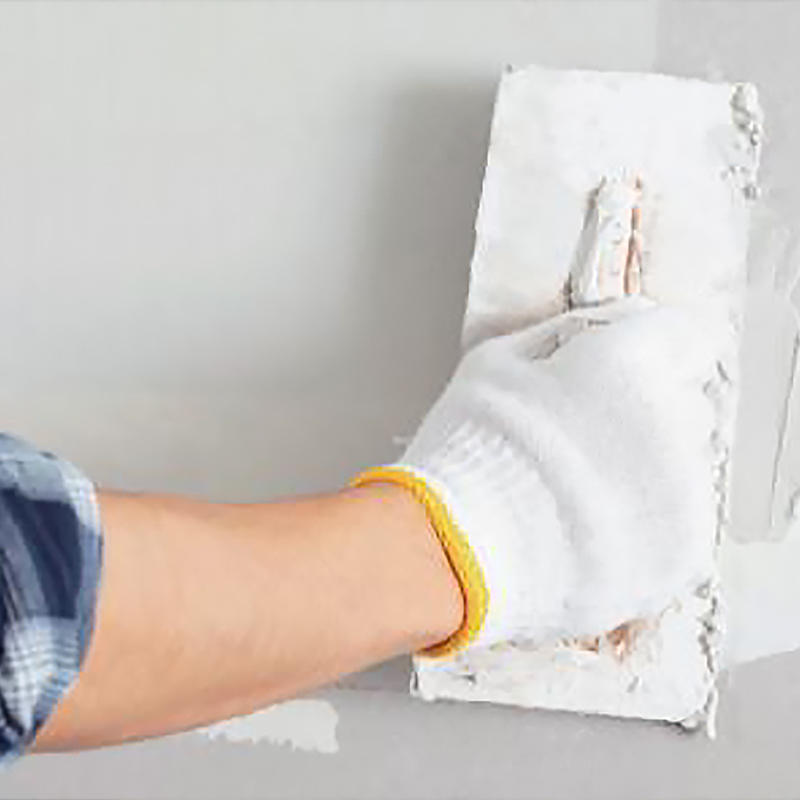
Starch ether for wall putty formulations improves spreadability, reduces drag during application, and helps maintain a smooth, defect-free surface. In white cement or calcium carbonate-based putty systems, HPS dosages of 0.03–0.10% are effective. The improved workability from HPS addition reduces applicator fatigue on large-area finishing projects and contributes to a more consistent film thickness.
Exterior Insulation and Finish Systems (EIFS / ETICS)
In base coats for insulation board adhesive and reinforcing mesh embedding mortars, HPS contributes to the thixotropic behavior needed for trowel application on vertical surfaces. Dosages are typically 0.05–0.20%. The improved sag resistance prevents adhesive slump beneath insulation boards before cure, ensuring consistent insulation layer thickness across the facade.
Gypsum-Based Plasters and Joint Compounds
Starch ether for cement mortar and gypsum systems alike benefits from HPS. In gypsum-based products, where the setting time is relatively short (20–45 minutes for machine plasters), HPS enhances pumpability, reduces segregation, and extends the workable pot life slightly by moderating water migration. Typical dosage in machine-applied gypsum plaster is 0.02–0.08%.
Hydroxypropyl Starch Ether Dosage by Application (% of Dry Mix Weight)
The dosage range for hydroxypropyl starch ether dosage varies significantly by product category, reflecting the different rheological demands of each mortar type. Repair mortars require the highest dosages due to the need for very high sag resistance in thick-section vertical applications, while machine-applied gypsum plasters require minimal HPS addition to avoid overly stiff pump behavior. For formulators, the cost-efficiency argument for HPS is compelling: even at the high end of the dosage range (0.30%), HPS contributes far lower material cost per unit of rheological performance than equivalent additions of cellulose ether alone — making it a key tool for cost-competitive dry mix mortar development.
| Application | Binder System | HPS Dosage (%) | Primary Benefit |
|---|---|---|---|
| Tile Adhesive | Cement | 0.05–0.15 | Anti-sag, open time, workability |
| Wall Putty | White cement / CaCO₃ | 0.03–0.10 | Spreadability, crack resistance |
| EIFS Base Coat | Cement | 0.05–0.20 | Sag resistance, adhesion |
| Gypsum Plaster | Gypsum | 0.02–0.08 | Pumpability, water retention |
| Repair Mortar | Cement / lime | 0.10–0.30 | High anti-sag, workability |
HPS vs. HPMC: Understanding the Difference and Synergy
A common question among mortar formulators is how HPS compares to HPMC and whether one can replace the other. The short answer is that HPS and HPMC are complementary rather than interchangeable — each has distinct functional strengths, and their combination in a single formulation delivers performance that neither achieves alone at the same total additive dosage.
HPS vs. HPMC: Functional Property Comparison Score (0–10)
This comparison chart reveals the complementary nature of HPS and HPMC in mortar formulation. HPMC leads in thickening efficiency and water retention due to its higher molecular weight cellulose backbone and well-established interaction with cement hydration products. HPS, on the other hand, delivers superior anti-sag performance per unit of cost — making it the preferred additive for controlling vertical slippage in tile adhesive and EIFS applications. In crack resistance, HPS also outperforms HPMC due to its more flexible polymer matrix contribution to the hardened mortar. The key takeaway for formulators is that replacing a portion of HPMC with HPS — typically at a 1:3 to 1:5 ratio (HPS:HPMC) — maintains or improves performance while reducing overall formulation cost by 15–30% in most product types.
| Property | HPS | HPMC |
|---|---|---|
| Raw material base | Starch (maize, potato, tapioca) | Cellulose (wood pulp) |
| Primary mortar function | Anti-sag, crack resistance, workability | Thickening, water retention, open time |
| Typical dosage in mortar | 0.02–0.30% | 0.15–0.60% |
| Cost efficiency | High | Moderate |
| Best used | In combination with HPMC/HEMC | As primary rheology modifier |
Global Market Demand and Growth for Construction Additives
The demand for construction grade hydroxypropyl starch ether is closely linked to growth in the global dry mix mortar industry, which itself tracks urbanization rates, residential and commercial construction output, and infrastructure renovation activity. Asia-Pacific — particularly China, India, and Southeast Asia — represents the largest and fastest-growing regional market for dry mix mortar additives.
Global Dry Mix Mortar Additive Market Growth (USD Billion, 2020–2028E)
The global dry mix mortar additive market is projected to grow from approximately USD 6.2 billion in 2020 to over USD 14.8 billion by 2028, at a compound annual growth rate of approximately 8–10%. This sustained expansion is driven by rapid urbanization in emerging economies, increasing adoption of factory-produced dry mix mortar over site-mixed alternatives, and stricter building performance standards requiring higher quality mortars and adhesives. Hydroxypropyl starch ether benefits directly from this market growth as formulators seek cost-effective additives that allow them to meet performance standards competitively. Demand from the tile adhesive segment alone is expected to grow at above-average rates, reflecting the global trend toward large-format porcelain and ceramic tile installation.
About Zhejiang Yisheng New Material: Professional HPS Manufacturer
Zhejiang Yisheng New Material Co., Ltd. is a professional enterprise specializing in the design, development, manufacturing, and sales of cellulose ether and modified starch ether products, located in the Shangyu Economic and Technological Development Zone within the Hangzhou Bay National Industrial Park. As a leading hydroxypropyl starch ether manufacturer and hydroxypropyl starch ether supplier, Yisheng operates with an annual production capacity of 15,000 tons of cellulose ether, offering a comprehensive product portfolio that includes HEC, HEMC, HPMC, and its EasonZell™ branded Hydroxypropyl Starch Ether (HPS).
Operating as a hydroxypropyl starch ether factory with a core philosophy of safety, environmental protection, and sustainable development, Yisheng implements rigorous green production processes alongside advanced quality management systems and comprehensive product testing protocols. The company serves a globally distributed customer base across sectors including dry powder mortar, coatings, oil fields, cosmetics, personal care, and pharmaceuticals — making it a versatile and reliable hydroxypropyl starch ether supplier for both construction chemical and specialty chemical markets.
Yisheng Manufacturing Capability Overview
Yisheng's manufacturing infrastructure supports large-volume, consistent-quality production of EasonZell™ HPS alongside its cellulose ether product lines, enabling customers to source multiple key dry mix mortar additives from a single, vertically integrated supplier. The company's location within the Hangzhou Bay National Industrial Park provides strong logistics connectivity for both domestic Chinese distribution and international export, supporting reliable delivery to customers in Asia, Europe, the Middle East, and beyond. A comprehensive quality management system, combined with stringent raw material selection and in-process testing, ensures that each production batch of construction grade hydroxypropyl starch ether meets the technical specifications required by professional dry mix mortar formulators.
Frequently Asked Questions About Hydroxypropyl Starch Ether
Q1: What is hydroxypropyl starch ether used for in tile adhesives?
In tile adhesive formulations, HPS for tile adhesive functions primarily as an anti-sag and workability additive. It builds thixotropic viscosity that prevents freshly applied adhesive from slumping on vertical surfaces while allowing easy spreading under trowel pressure. When combined with HPMC, HPS-containing tile adhesives meet or exceed C1 and C2 class performance standards for slip resistance (T class), supporting reliable installation of heavy large-format tiles on walls without the tiles shifting before cure.
Q2: How does HPS improve mortar workability?
HPS modifies the flow behavior of fresh mortar through pseudoplastic (shear-thinning) rheology. At rest or under low shear, the HPS polymer network builds viscosity and prevents segregation. Under tool pressure (troweling, spreading), viscosity drops significantly, reducing drag and making the mortar easy to apply and shape. This behavior reduces applicator fatigue on large projects and contributes to a more consistent application thickness — a key factor in both quality and material efficiency for starch ether for cement mortar and gypsum-based systems alike.
Q3: Is hydroxypropyl starch ether water soluble?
Yes. Hydroxypropylation of native starch disrupts the crystalline hydrogen-bonding network that makes unmodified starch poorly soluble in cold water. HPS dissolves in both cold and warm water, forming clear to slightly opalescent solutions, which is essential for uniform distribution throughout dry mix mortar when mixed with gauging water on-site. The degree of water solubility and dissolution rate is influenced by the molar substitution (MS) level and particle size of the HPS product — higher MS grades generally dissolve faster and more completely in cold water conditions.
Q4: What is the difference between HPS and HPMC in mortar?
HPS (hydroxypropyl starch ether) and HPMC (hydroxypropyl methylcellulose) have different polymer backbones — starch versus cellulose — and different functional profiles in mortar. HPMC provides stronger thickening and water retention, while HPS contributes superior anti-sag performance and crack resistance at a lower dosage cost. The two are best used together: a combination using HPS to replace 20–40% of the HPMC dosage typically maintains full performance while reducing formulation cost by 15–30%. Replacing HPMC entirely with HPS is generally not recommended, as water retention performance would be insufficient for most applications.
Q5: What is the correct dosage for HPS in dry mix mortar?
Hydroxypropyl starch ether dosage depends on the mortar type and performance target. For tile adhesive: 0.05–0.15% by weight of total dry mix. For wall putty: 0.03–0.10%. For EIFS base coat: 0.05–0.20%. For gypsum plaster: 0.02–0.08%. For repair mortars requiring high anti-sag: up to 0.30%. Formulators should evaluate dosage through slump, water retention, and workability testing under application conditions rather than relying solely on reference ranges, as substrate porosity and ambient temperature also influence optimal dosage selection.
Q6: How should HPS be stored and handled?
Construction grade hydroxypropyl starch ether should be stored in a cool, dry, well-ventilated location away from moisture and direct sunlight, in sealed packaging. Standard storage conditions of temperature below 30°C and relative humidity below 65% are recommended to prevent clumping and moisture-induced degradation. Shelf life under recommended storage conditions is typically 12–24 months from the production date. During handling, standard dust control measures should be applied, as fine organic powder may form combustible dust in confined, poorly ventilated environments at high concentrations.
 Email: sarah@ys-cellulose.com
 Phone: +86-18067879812 / +86-575-82966958


