


 简体中文
简体中文 English
 русский
 عربى
عربى Español
Quick Answer
Hydroxyethyl cellulose (HEC) is a non-ionic, water-soluble polymer derived from cellulose through an etherification reaction with ethylene oxide. In water-based coatings, it functions primarily as a thickener and rheology modifier — controlling viscosity, preventing pigment settling, improving application smoothness, and stabilizing latex emulsions. It is widely used in interior wall paint, exterior wall coatings, and stone-like texture finishes, where precise viscosity control and anti-sag performance are critical to application quality and final film appearance.
Content
- 1 What Is Hydroxyethyl Cellulose and Where Does It Come From?
- 2 How HEC Works as a Thickener and Rheology Modifier in Paint
- 3 Key Functions of HEC Across Different Coating Formulations
- 4 HEC Applications: Interior Wall Paint, Exterior Coatings, and Stone-Like Finishes
- 5 HEC vs. Other Thickeners: Why It Remains a Formulator's First Choice
- 6 Practical Tips for Using HEC in Paint Formulation
- 7 About EASONZELL HEC and Zhejiang Yisheng New Material Co., Ltd.
- 8 Frequently Asked Questions
What Is Hydroxyethyl Cellulose and Where Does It Come From?
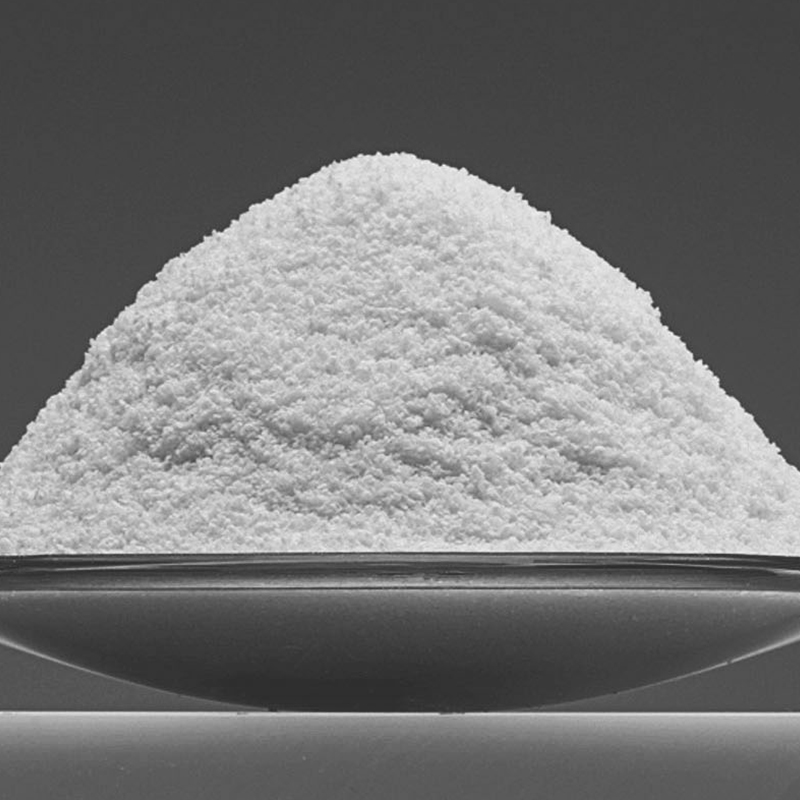
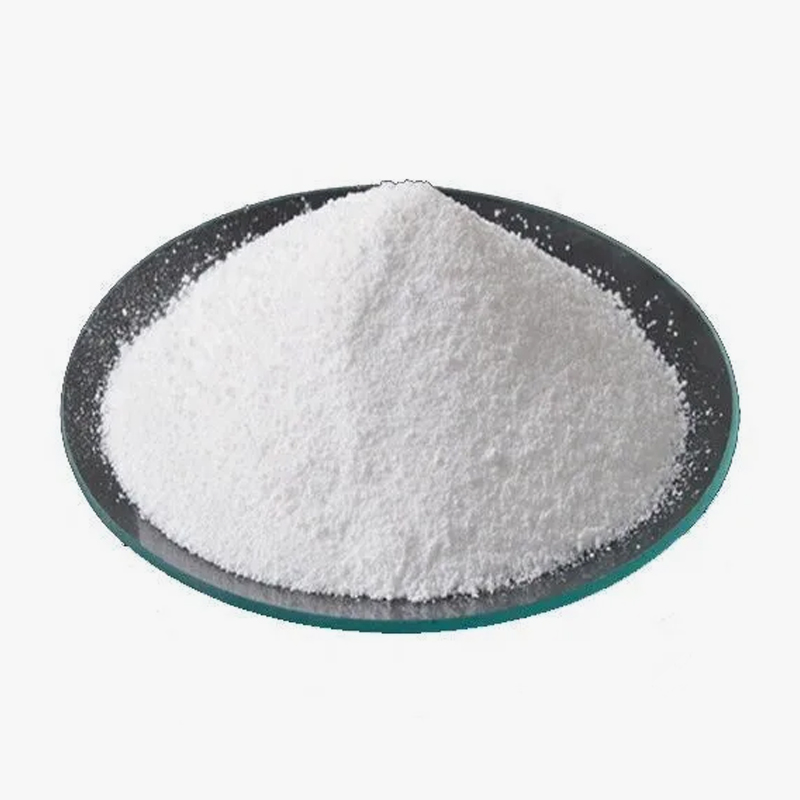
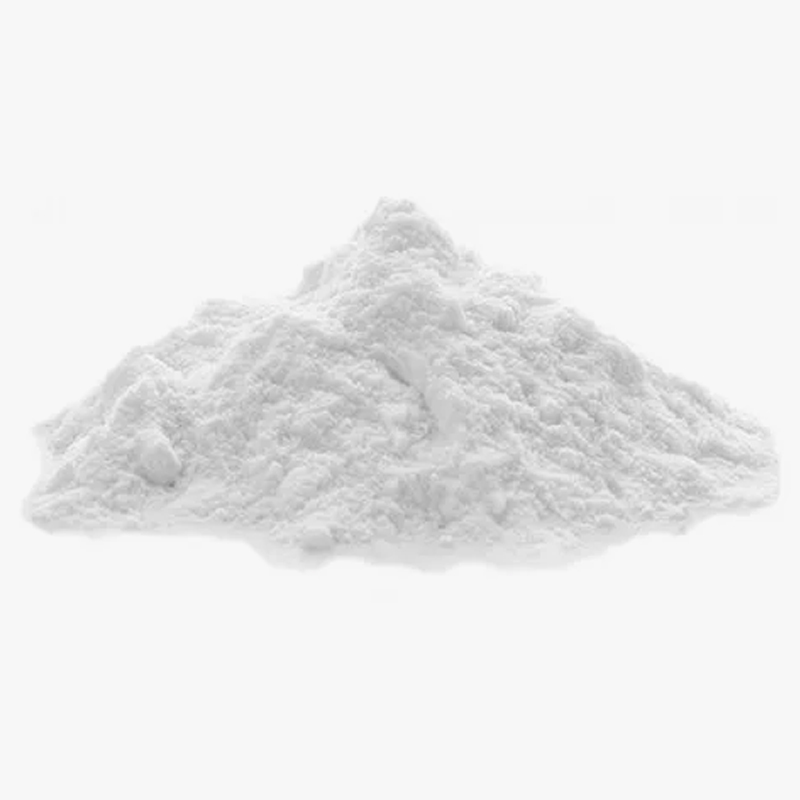
Hydroxyethyl cellulose (HEC) is produced by reacting alkaline cellulose — derived from purified natural wood pulp or cotton linters — with ethylene oxide or chloroethanol under controlled temperature and pressure conditions. The result is a white to off-white powder with a high degree of substitution, which determines its solubility, viscosity grade, and performance characteristics in different coating formulations.
As a non-ionic cellulose ether, HEC dissolves readily in both cold and hot water, forming clear, stable solutions across a broad pH range (2–12). This chemical stability makes it compatible with a wide array of water-based paint additives including surfactants, preservatives, pigments, and latex polymers — without causing precipitation or phase separation. It does not react with ionic species in the formulation, which distinguishes it from cationic or anionic thickeners that can be destabilized by electrolytes.
Chemical Origin
Derived from natural cellulose via etherification with ethylene oxide. The molar substitution (MS) value — typically 1.5 to 3.5 for coating-grade HEC — directly controls water solubility and solution viscosity.
Non-Ionic Nature
Non-ionic character ensures broad compatibility. Unlike anionic associative thickeners, HEC performance is not impaired by the addition of electrolytes, hard water, or pH shifts within the normal coating range.
Water Solubility
Fully soluble in cold and hot water, yielding clear, pseudoplastic solutions. Insoluble in most organic solvents, which makes it specifically suited to hydroxyethyl cellulose for water-based coating systems rather than solvent-borne formulations.
How HEC Works as a Thickener and Rheology Modifier in Paint
When HEC is dissolved in the aqueous phase of a coating, its long polymer chains entangle and associate through hydrogen bonding, creating a three-dimensional network that resists flow. This network is what gives the paint its body and resistance to sagging on vertical surfaces. The key rheological behaviors that make HEC effective as an exterior wall coating rheology modifier and interior paint additive are pseudoplasticity and thixotropy.
Pseudoplasticity (Shear-Thinning Behavior)
Under high shear — such as during brush application, roller application, or spray — the HEC polymer network breaks down and viscosity drops dramatically. This allows the paint to flow easily and apply smoothly without excessive drag. The moment shear is removed (the brush lifts off), the network reforms and viscosity recovers, preventing the wet film from sagging or running. This is why HEC-thickened coatings apply with minimal effort while holding their position on walls — a critical property for both interior and exterior applications.
Thixotropy (Time-Dependent Recovery)
Thixotropy refers to the time-dependent aspect of viscosity recovery. After shear stress is removed, the HEC network does not rebuild instantaneously — it recovers over a controlled time window. This delay is beneficial: it gives the wet paint film time to level out and eliminate brush marks before the viscosity becomes high enough to lock the surface texture in place. In architectural coatings, this self-leveling window is typically 1–3 minutes, balancing flow against sag resistance.
Water Retention and Film Formation Support
HEC's hydrophilic polymer chains retain water within the coating film during the early stages of application and drying. This is particularly important on porous substrates such as concrete, masonry, or gypsum board — materials that would otherwise absorb water from the paint too rapidly, disrupting film formation, reducing adhesion, and causing premature drying defects. By maintaining an adequate water content in the film, HEC gives latex polymers sufficient time to coalesce properly into a continuous, durable film.
Key Functions of HEC Across Different Coating Formulations
A hydroxyethyl cellulose thickener for paint does more than simply increase viscosity. In a complete coating formulation, HEC contributes to multiple performance parameters simultaneously — which is why it remains the thickener of choice in a wide range of architectural and specialty coating systems.
HEC Functional Contribution in Water-Based Coating Formulations (Relative Importance Score / 100)
Pigment Dispersion and Settling Prevention
In formulations containing heavy mineral fillers — titanium dioxide, calcium carbonate, mica, or quartz — the viscosity provided by HEC keeps pigment particles suspended in the paint during storage. Without adequate thickening, dense particles settle to the bottom of the container within days, forming a hard sediment that is difficult to redisperse. An HEC concentration of just 0.2–0.5% by weight in a latex paint formulation is typically sufficient to prevent hard sediment formation and maintain homogeneous pigment distribution.
Emulsion Stability in Latex Systems
Latex paints are colloidal dispersions of polymer particles in water. These systems can be destabilized by freeze-thaw cycling, excessive shear during mixing, or electrolyte contamination. HEC acts as a protective colloid — its polymer chains adsorb at the interface between latex particles and the aqueous phase, providing steric stabilization that reduces coagulation risk. This is why HEC is a preferred additive in interior wall paint viscosity control agent applications where long shelf life and freeze-thaw stability are specified.
Washability and Scrub Resistance Contribution
Proper HEC selection and dosage also influences the dried film's washability. By controlling the rate of water release during film formation, HEC allows the latex polymer to form a denser, more uniform film with fewer micro-defects. Research on interior latex paints has shown that optimized HEC content can improve scrub resistance by 15–25% compared to formulations using equivalent concentrations of alternative cellulosic thickeners with lower water retention efficiency.
HEC Applications: Interior Wall Paint, Exterior Coatings, and Stone-Like Finishes
Different coating systems impose different demands on the thickener. Here is how HEC water-based paint additive performance adapts across the most common application categories:
| Coating Type | Primary HEC Function | Typical Dosage (%) | Viscosity Grade |
|---|---|---|---|
| Interior Latex Paint | Viscosity build, pigment suspension, washability | 0.2–0.5 | Medium–High (HBR/HBT) |
| Exterior Wall Coating | Sag resistance, water retention, weather stability | 0.3–0.6 | High (HBT/HBR) |
| Stone-Like Paint / Texture Coating | Heavy-body thickening, coarse particle suspension, anti-sag | 0.4–0.8 | High–Extra High |
| Primer / Sealer | Penetration control, anti-settlement | 0.1–0.3 | Low–Medium |
| Elastomeric Coating | Film thickness, sag control, crack bridging support | 0.4–0.7 | High |
HEC in Stone-Like Paint and Texture Coatings
Stone-like architectural coatings present one of the most demanding thickener challenges. These formulations typically contain high loadings of coarse aggregates — crushed stone, quartz sand, mica flakes, or ceramic beads — with particle sizes ranging from 0.5 to 3 mm and solid contents exceeding 70% by weight. A stone-like paint texture additive such as high-viscosity HEC must provide sufficient yield stress to suspend these heavy particles on vertical surfaces without sag, while still allowing the coating to be troweled, sprayed, or rolled without excessive effort. HEC grades with extra-high molecular weight and strong pseudoplastic behavior are specifically engineered for these high-solids texture coating applications.
HEC vs. Other Thickeners: Why It Remains a Formulator's First Choice
Paint formulators have access to multiple thickener classes — associative thickeners (HASE, HEUR), synthetic polymers (acrylics), and other cellulose ethers (HPMC, CMC). Each has trade-offs. Here is how hydroxyethyl cellulose for water-based coating compares across the most important formulation parameters:
HEC vs. HEUR Associative Thickeners
HEUR thickeners offer excellent high-shear viscosity and leveling but are highly sensitive to surfactant type and concentration — a common source of instability in complex formulations. HEC is insensitive to surfactant variation and delivers more predictable viscosity across different raw material batches, making it more forgiving in production environments.
HEC vs. HPMC
HPMC (hydroxypropyl methylcellulose) is more commonly used in dry-mix mortar and tile adhesive applications where thermal gelation is beneficial. In liquid paint systems, HEC dissolves more readily at room temperature without thermal gelation, and typically provides better compatibility with the broad range of latex polymer types used in modern architectural coatings.
HEC vs. Acrylic Thickeners (HASE)
Alkali-swellable acrylic thickeners require a specific pH range (typically above 7.5) to develop full viscosity and are sensitive to pH shifts during storage. HEC functions effectively across pH 2–12 with no activation requirement, offering greater formulation flexibility and more consistent performance in high-filler exterior formulations where pH can vary.
Viscosity Retention (%) vs. pH Range: HEC vs. HASE Acrylic Thickener
Practical Tips for Using HEC in Paint Formulation
Achieving consistent performance from HEC requires attention to dispersion, dosage sequence, and compatibility with other formulation components. Here are the most important practical considerations for formulators:
- Pre-hydration before addition: HEC should be dispersed in cold water with slow stirring before other ingredients are added. Adding HEC powder directly to a formulation already containing pigments, fillers, or surfactants can cause clumping and uneven dissolution, resulting in viscosity inconsistency. A properly hydrated HEC solution is clear to slightly hazy with no undissolved granules.
- Avoid adding HEC to hot water above 60°C: Elevated temperatures accelerate dissolution but can also cause partial degradation of the polymer chain, reducing final solution viscosity. For standard coating grades, dissolution at 20–40°C with adequate mixing time (typically 20–40 minutes) gives the most reproducible results.
- Account for biocide compatibility: Some in-can preservatives (isothiazolinone-based biocides) can degrade HEC chains over time if added at excessive concentrations. Always evaluate the biocide-HEC combination under accelerated storage conditions before finalizing a formulation intended for long-term shelf life.
- Choose the correct viscosity grade: HEC is available in multiple molecular weight grades, typically differentiated by solution viscosity measured at 1–2% concentration in water. Higher molecular weight grades provide greater thickening efficiency (lower dosage needed for equivalent viscosity) but may require longer hydration time. Select the grade based on the formulation's target KU (Krebs Units) viscosity and the application method (brush, roller, airless spray).
- Storage conditions for dry HEC powder: Store in sealed, moisture-proof containers in a cool, dry location below 30°C. HEC powder is hygroscopic — exposure to ambient humidity causes clumping and can reduce dissolution efficiency. Opened bags should be resealed promptly and used within a reasonable timeframe to maintain specification-compliant performance.
About EASONZELL HEC and Zhejiang Yisheng New Material Co., Ltd.
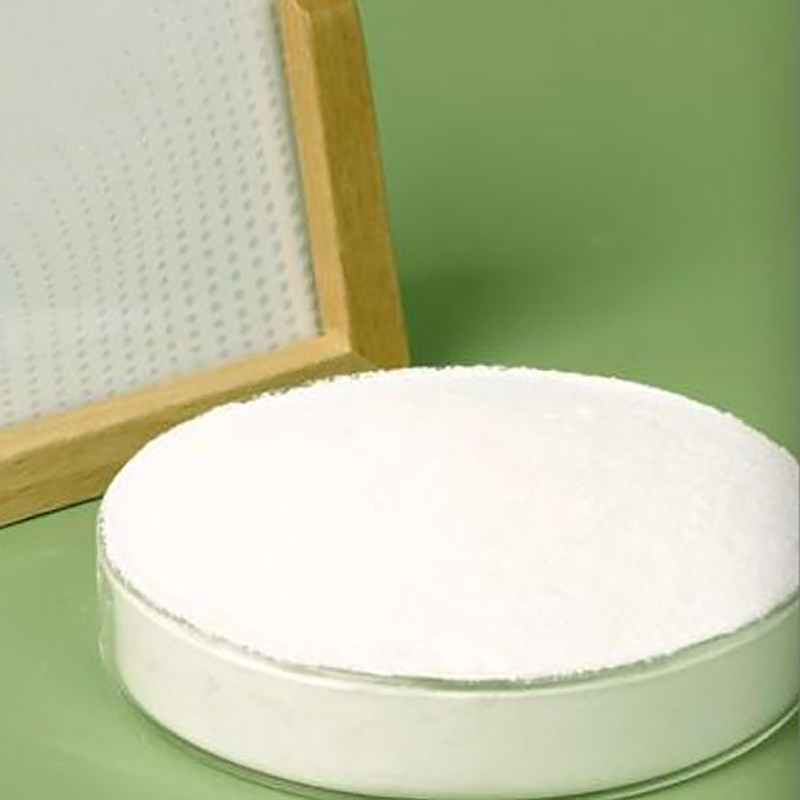
EASONZELL HEC Water-Based Coating is a versatile, high-performance product synthesized through an etherification reaction involving alkaline cellulose and ethylene oxide or chloroethanol. Its exceptional thickening properties allow for reduced dosage, enhancing cost-effectiveness and coating washability — particularly in water-based formulations like latex paint. With outstanding rheological properties including pseudoplasticity and thixotropy, it ensures smooth application, minimized splattering, and improved adhesion and self-leveling. The product also promotes pigment dispersion, emulsion stability, and water retention, while offering good anti-mold properties for extended storage life. Packaged in 25 kg multi-layered composite paper bags with inner moisture-proof plastic liners, proper storage and transportation precautions are recommended to maintain efficacy.
Zhejiang Yisheng New Material Co., Ltd. is a professional enterprise engaged in the design, development, manufacturing, application, and sales of cellulose ether, located in the Shangyu Economic and Technological Development Zone within the Hangzhou Bay National Industrial Park. With an annual production capacity of 15,000 tons of cellulose ether, the company offers a complete product range including HEC, HEMC, and HPMC, serving sectors such as oil fields, coatings, dry powder mortar, cosmetics, personal care products, and medicine.
As a professional China hydroxyethyl cellulose for interior wall paint manufacturer and hydroxyethyl cellulose HEC for exterior wall paint factory, Yisheng adheres to safety and environmental protection as the foundation of its development. The company implements green and environmentally friendly production processes, safe and effective control systems, and orderly production management — all contributing to a solid foundation for sustainable growth.
Yisheng boasts a scientific management mechanism, comprehensive quality management system, stringent product testing methods, advanced technology, state-of-the-art equipment, and high-quality after-sales service. With a global presence, the company provides stable cellulose ethers and technical support to customers worldwide across a diverse range of industrial and specialty coating applications.

 Email: sarah@ys-cellulose.com
 Phone: +86-18067879812 / +86-575-82966958


