


 简体中文
简体中文 English
 русский
 عربى
عربى Español
If you are sourcing a Daily Chemical Grade HEC in 2026, the short answer is this: look for a nonionic cellulose ether thickener with a viscosity range suited to your formulation, verified salt tolerance, transparent gel-forming capacity in cold water, and a traceable manufacturing standard. EASONZELL™ HEC Series Daily Chemical Grade, produced by Zhejiang Yisheng New Material Co., Ltd., meets all these benchmarks and is widely used across shampoos, conditioners, body washes, and skin care systems. This article walks through how to evaluate, specify, and apply HEC in daily chemical formulations — with real data and practical guidance.
Content
- 1 What Is Hydroxyethyl Cellulose and Why Does Grade Matter?
- 2 Key Performance Parameters Buyers Should Specify
- 3 How HEC Functions as a Shampoo Thickening Agent
- 4 Applications Across Daily Chemical Product Categories
- 5 Processing and Dissolution: Avoiding Common Formulation Errors
- 6 Regulatory and Safety Profile of Daily Chemical Grade HEC
- 7 Storage, Handling, and Supply Chain Recommendations
- 8 About Zhejiang Yisheng New Material Co., Ltd.
- 9 Frequently Asked Questions
What Is Hydroxyethyl Cellulose and Why Does Grade Matter?
Hydroxyethyl Cellulose (HEC) is a nonionic cellulose ether derived from natural cellulose through etherification with ethylene oxide. Because it carries no ionic charge, it is highly compatible with a wide range of surfactants, electrolytes, and active ingredients — a critical property for daily chemical products that contain anionic, cationic, or amphoteric surfactant systems.
Not all HEC is interchangeable. Industrial-grade HEC used in oil fields or construction differs significantly from Cosmetic Grade Hydroxyethyl Cellulose in purity, heavy metal limits, microbial specifications, and dissolution behavior. Daily chemical buyers must confirm:
- Heavy metal content (lead, arsenic) within cosmetic regulatory limits
- Total aerobic microbial count and absence of specified pathogens
- Degree of substitution (DS) and molar substitution (MS) consistency batch-to-batch
- Ash content and pH of solution within specification
- Compliance with INCI nomenclature and regional cosmetic ingredient regulations
The EASONZELL™ HEC Series is manufactured under strict quality management aligned with these cosmetic-grade requirements, making it a reliable choice for personal care and household product manufacturers.
Key Performance Parameters Buyers Should Specify
When issuing a purchase specification or evaluating a supplier, focus on the following measurable parameters. Generic descriptions like "good thickening" are not sufficient for repeatable formulation results.
Viscosity Grade
HEC viscosity is measured at a defined concentration (commonly 1% or 2% w/w aqueous solution) using a Brookfield viscometer at 25°C. The EASONZELL™ HEC Series covers a broad viscosity range suitable for different applications:
| Grade | Typical Viscosity (mPa·s) | Test Concentration | Recommended Application |
|---|---|---|---|
| Low Viscosity | 100 – 400 | 2% solution | Lotions, toners, fluid cleansers |
| Medium Viscosity | 1,500 – 4,000 | 2% solution | Shampoos, shower gels, hand washes |
| High Viscosity | 4,000 – 8,000 | 1% solution | Conditioners, masks, thick cream cleansers |
| Ultra-High Viscosity | > 8,000 | 1% solution | Gel-type products, styling gels |
Moisture Content and Loss on Drying
Daily Chemical Grade HEC powder should have a moisture content of no more than 5% (typically 3–5% for well-stored product). Excess moisture causes clumping, reduces effective dose, and creates microbial risk. Packaging in moisture-proof multi-layer bags with desiccant is standard practice for the EASONZELL™ HEC Series.
pH of 1% Solution
A 1% aqueous HEC solution should have a pH between 6.0 and 8.5. Values outside this range may indicate residual reagent contamination from the etherification process and can affect compatibility with pH-sensitive actives.
How HEC Functions as a Shampoo Thickening Agent
In surfactant-based systems like shampoos and body washes, HEC as a shampoo thickening agent works through a different mechanism than salt thickening. Traditional sodium chloride thickening only works for specific surfactant concentrations and fails with amphoteric or conditioning agents. HEC, being a nonionic polymer, thickens independently of the ionic environment.
In a typical shampoo formulation at 0.5–1.5% use level, medium-viscosity High Viscosity HEC Powder can raise Brookfield viscosity from under 1,000 mPa·s to 6,000–12,000 mPa·s depending on the surfactant package and processing conditions. This gives formulators precise rheological control without requiring high-shear mixing.
Additional functional benefits of using HEC as a shampoo thickening agent include:
- Suspension of insoluble particles (e.g., conditioning beads, zinc pyrithione in anti-dandruff formulas)
- Improved foam stability and foam texture perception
- Enhanced wet-feel and rinse performance on hair
- Stability across a wide temperature range (5°C to 40°C)
- Compatibility with cationic conditioning agents such as polyquaternium compounds
HEC Use Level vs. Achieved Viscosity in Shampoo Base (Medium Viscosity Grade)
Indicative viscosity values in a standard anionic/amphoteric shampoo base; actual results vary with surfactant type and processing.
Applications Across Daily Chemical Product Categories
The EASONZELL™ HEC Series covers a wide range of daily chemical and personal care product categories. The following overview maps product types to recommended HEC functions and typical use levels.
| Product Category | HEC Function | Typical Use Level | Recommended Viscosity Grade |
|---|---|---|---|
| Shampoo / Body Wash | Thickener, foam stabilizer | 0.5 – 1.5% | Medium–High |
| Hair Conditioner | Rheology modifier, film former | 0.3 – 1.0% | High–Ultra-High |
| Skin Cleansers / Face Wash | Thickener, skin feel enhancer | 0.2 – 0.8% | Medium |
| Lotion / Emulsion | Emulsion stabilizer, humectant | 0.1 – 0.5% | Low–Medium |
| Hair Styling Gel | Gel-forming agent, hold provider | 1.5 – 3.0% | Ultra-High |
| Hand Soap (Liquid) | Thickener, moisturizer | 0.3 – 1.0% | Medium |
| Household Cleaning Gel | Rheology control, suspension | 0.5 – 1.5% | High |
Processing and Dissolution: Avoiding Common Formulation Errors
One of the most common technical challenges with Hydroxyethyl Cellulose For Daily Chemical use is improper dissolution, which results in fish-eye lumps, incomplete hydration, or reduced effective viscosity. The following process protocol produces consistent results:
- Begin with cold or room-temperature water (below 25°C). HEC dissolves better in cold water than hot water — heat can cause premature gelation on particle surfaces.
- While stirring at moderate speed, sprinkle HEC powder slowly onto the water surface. Do not dump the full quantity at once.
- Continue stirring for 20–40 minutes until the solution is clear and uniform. Viscosity develops progressively.
- Adjust pH if needed (optimal HEC performance is at pH 6–9). Note that viscosity drops significantly below pH 4 or above pH 10.
- Add other ingredients (surfactants, salts, actives) after full HEC hydration to avoid interference.
- For shampoo or surfactant bases, premix HEC with a small amount of propylene glycol or glycerin before adding to the aqueous phase to improve dispersion.
Salt tolerance is a practical advantage of the Nonionic Cellulose Ether Thickener HEC: it maintains viscosity in the presence of sodium chloride up to approximately 3–4% NaCl, whereas some associative thickeners can break down at much lower salt concentrations.
HEC Viscosity Retention vs. NaCl Concentration (1% HEC, Medium-High Grade)
HEC maintains over 87% of its original viscosity at up to 3% NaCl. Beyond 4%, viscosity retention declines more sharply. Indicative data; results vary by grade and formulation.
Regulatory and Safety Profile of Daily Chemical Grade HEC
Cosmetic Grade Hydroxyethyl Cellulose has an excellent safety and regulatory profile, which is one reason it is widely used globally:
- INCI Name: Hydroxyethylcellulose — recognized in all major cosmetic ingredient directories
- EU Cosmetics Regulation (EC 1223/2009): Permitted as a cosmetic ingredient with no restriction
- US FDA: Generally Recognized As Safe (GRAS) for food contact; widely accepted in OTC cosmetic products
- China NMPA: Listed in the Inventory of Existing Cosmetic Ingredients in China (IECIC)
- Non-sensitizing, non-irritating: No known contact sensitization potential; suitable for sensitive skin formulations
- Biodegradable: Cellulose-based polymer; considered environmentally acceptable in personal care rinse-off products
The EASONZELL™ HEC Series is produced and tested in compliance with relevant Chinese national standards and is accompanied by full technical documentation including Certificate of Analysis (CoA), Safety Data Sheet (SDS), and INCI confirmation letter upon request.
Storage, Handling, and Supply Chain Recommendations
To preserve the efficacy of High Viscosity HEC Powder throughout the supply chain, observe the following conditions:
- Storage temperature: Below 30°C; avoid high-temperature warehouses or direct sunlight exposure
- Relative humidity: Keep below 65% RH; store in sealed, moisture-proof conditions
- Shelf life: 24 months from production date in original sealed packaging
- Inventory management: Apply "first in, first out" (FIFO) rotation strictly to prevent aged stock use
- Packaging integrity: Inspect bags for damage before acceptance; reject visibly compromised packaging
- Opened bags: Reseal tightly after each use; consume opened bags within 30 days
Zhejiang Yisheng New Material Co., Ltd. ships EASONZELL™ HEC Series products in multi-layer moisture-proof bags, with standard net weights of 25 kg per bag. Export packaging is designed for sea freight resilience, with pallet stacking tested to withstand standard logistics conditions.
About Zhejiang Yisheng New Material Co., Ltd.
Zhejiang Yisheng New Material Co., Ltd. is a professional enterprise engaged in the design, development, manufacturing, application, and sales of cellulose ether, located in the Shangyu Economic and Technological Development Zone, part of the Hangzhou Bay National Industrial Park. With a core concept of safety, environmental protection, and sustainable development, the company boasts an annual production capacity of 15,000 tons of cellulose ether, offering a complete range of products including HEC (hydroxyethylcellulose), HEMC (hydroxyethyl methylcellulose), and HPMC (hydroxypropyl methylcellulose).
Products serve various sectors such as oil fields, coatings, dry powder mortar, cosmetics, personal care products, medicine, and many others. Yisheng has a global presence, providing stable cellulose ethers and services to customers worldwide.
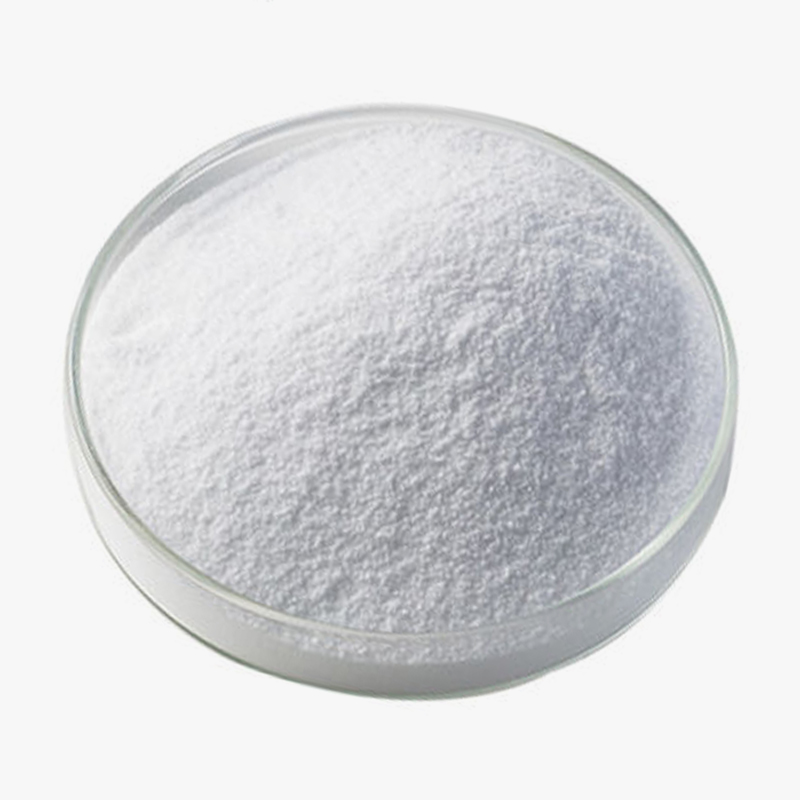
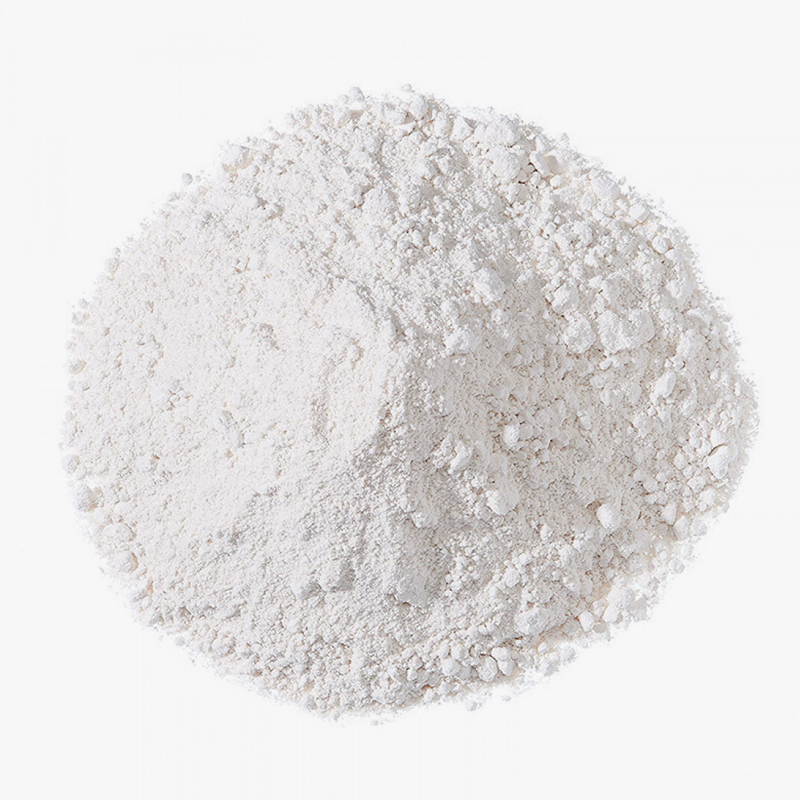
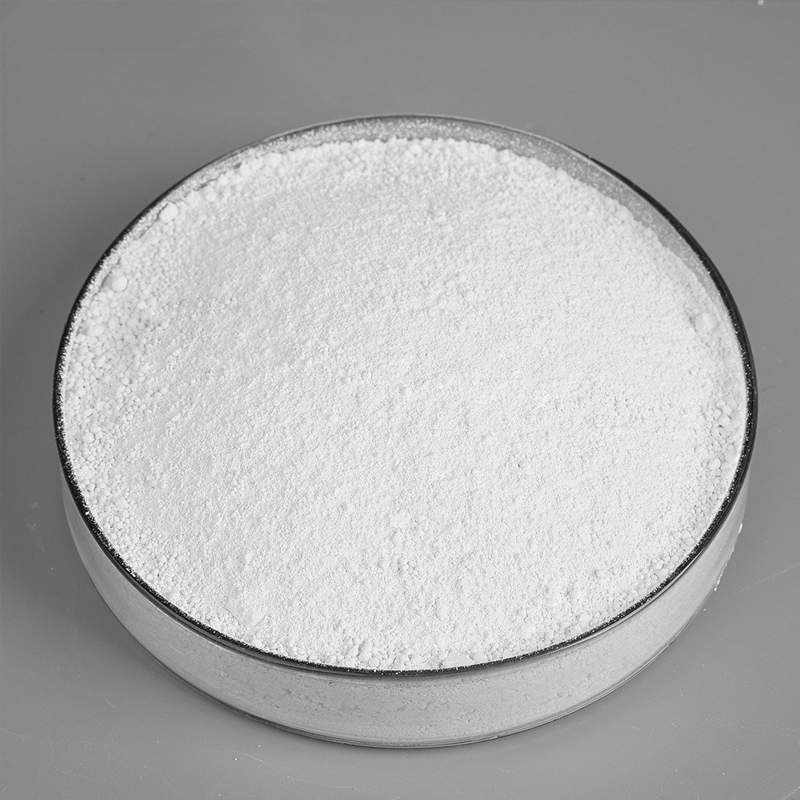
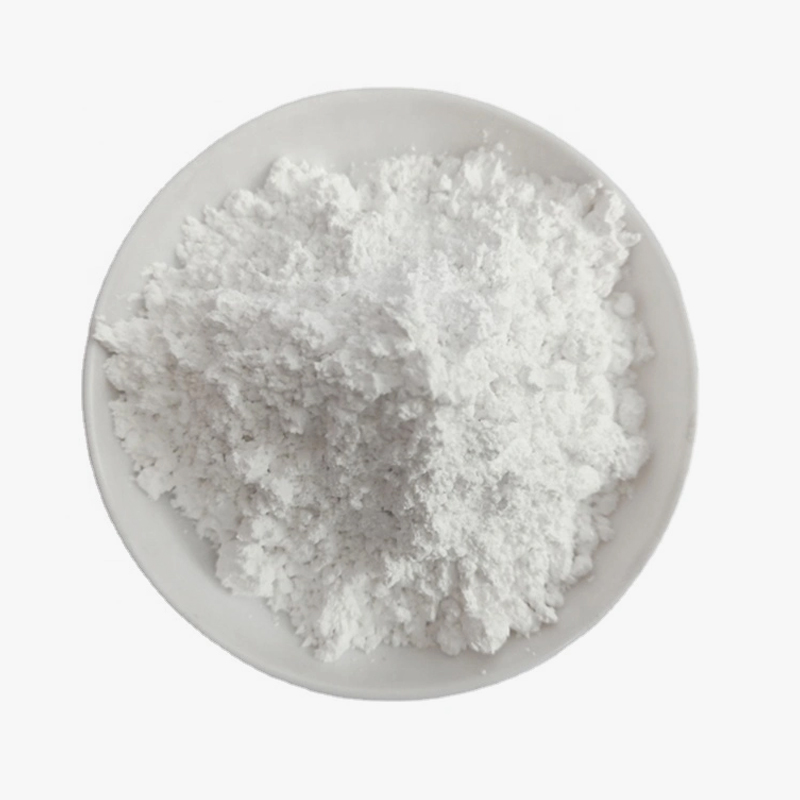
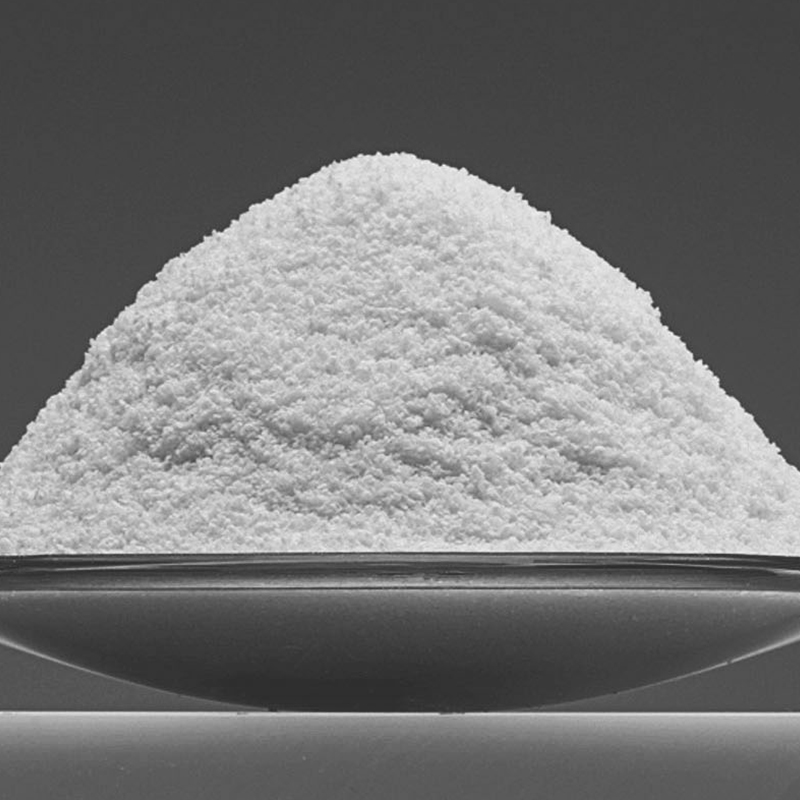
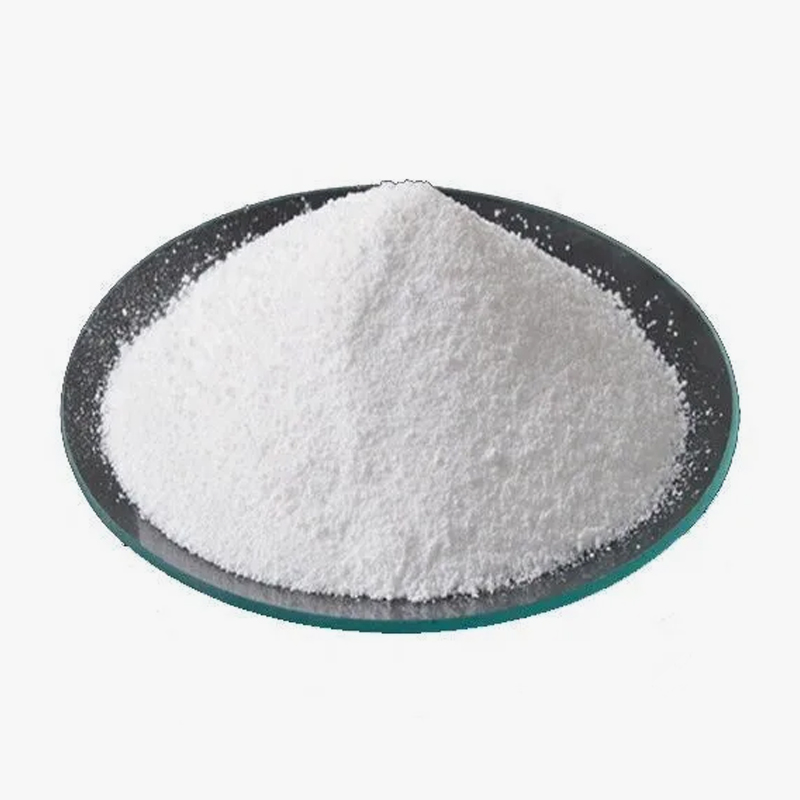
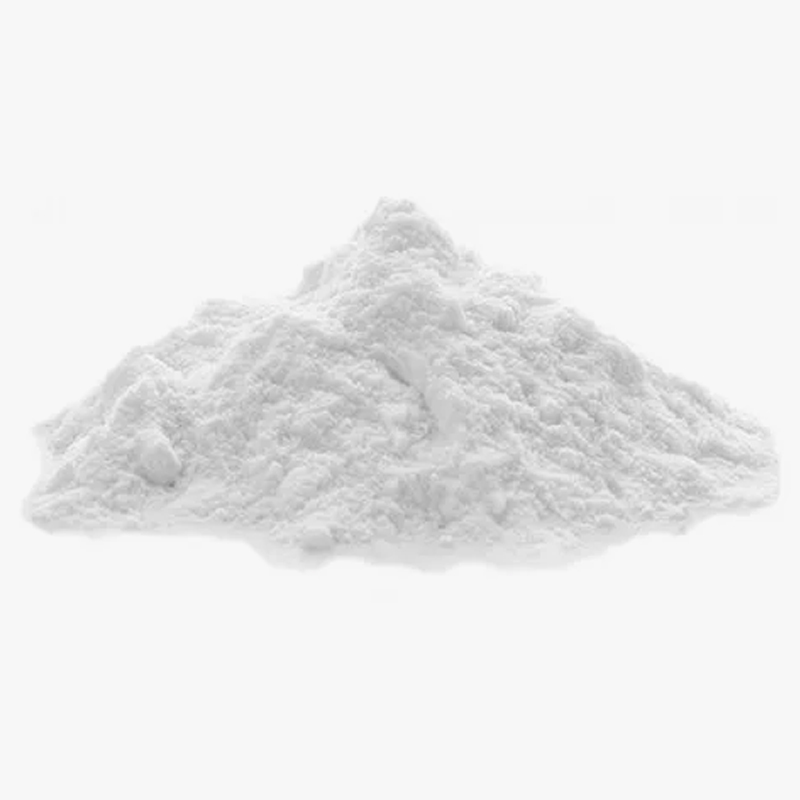
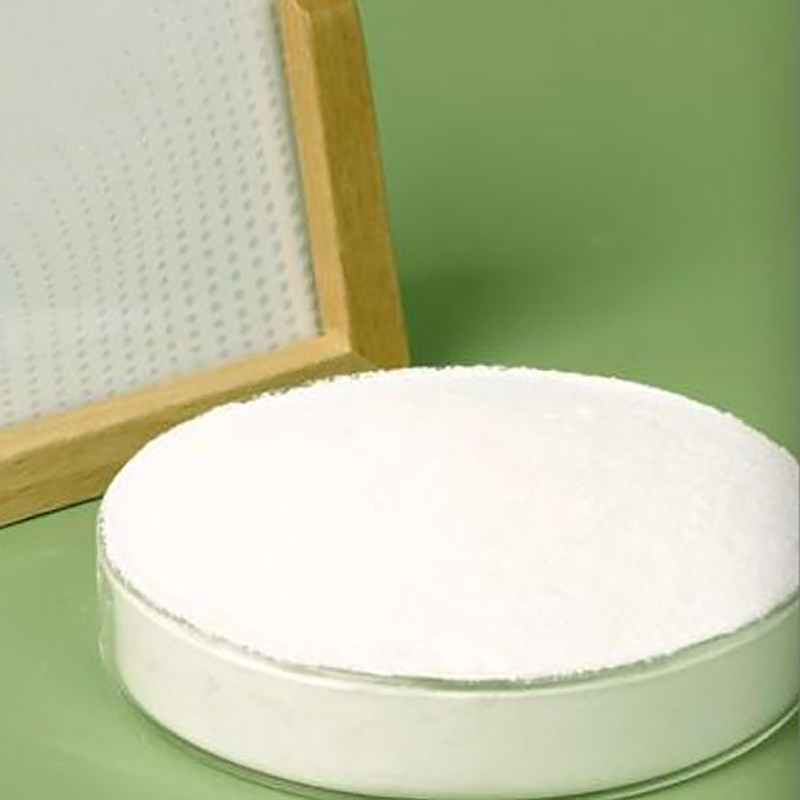
EASONZELL™ HEC Household Chemical is a versatile and non-toxic substance available in powder or fibrous solid form, ideal for various industrial and laboratory applications, especially etherification reactions. In cosmetics, it acts as an important emulsifier, binder, and humectant, enhancing the texture, stability, and hydration of skin care products. Our professional sales staff are able to provide relevant information and assistance to ensure the safe and effective use of our products.

 Email: sarah@ys-cellulose.com
 Phone: +86-18067879812 / +86-575-82966958


