


 简体中文
简体中文 English
 русский
 عربى
عربى Español
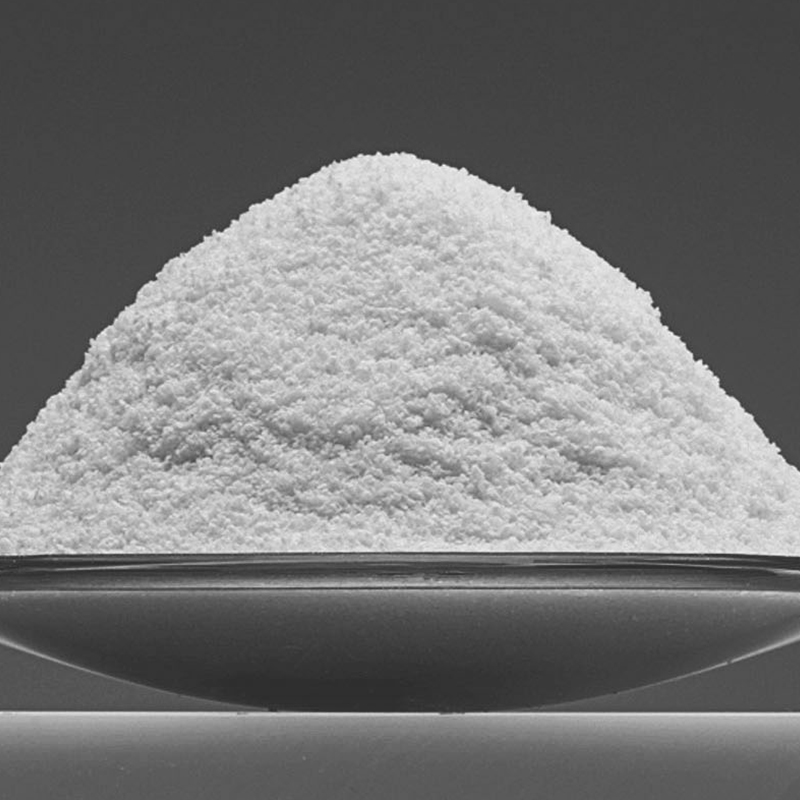
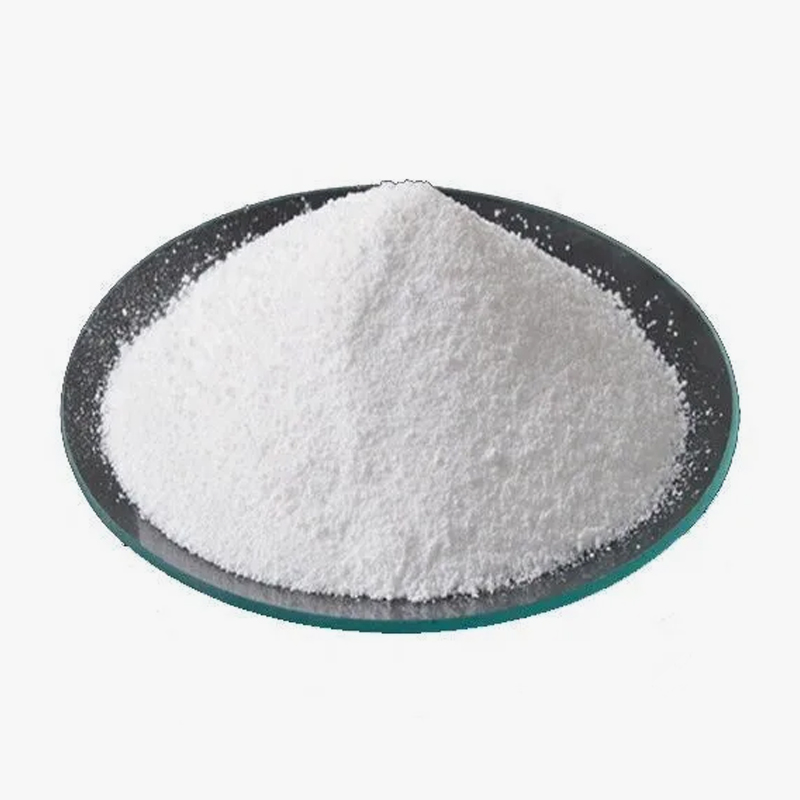
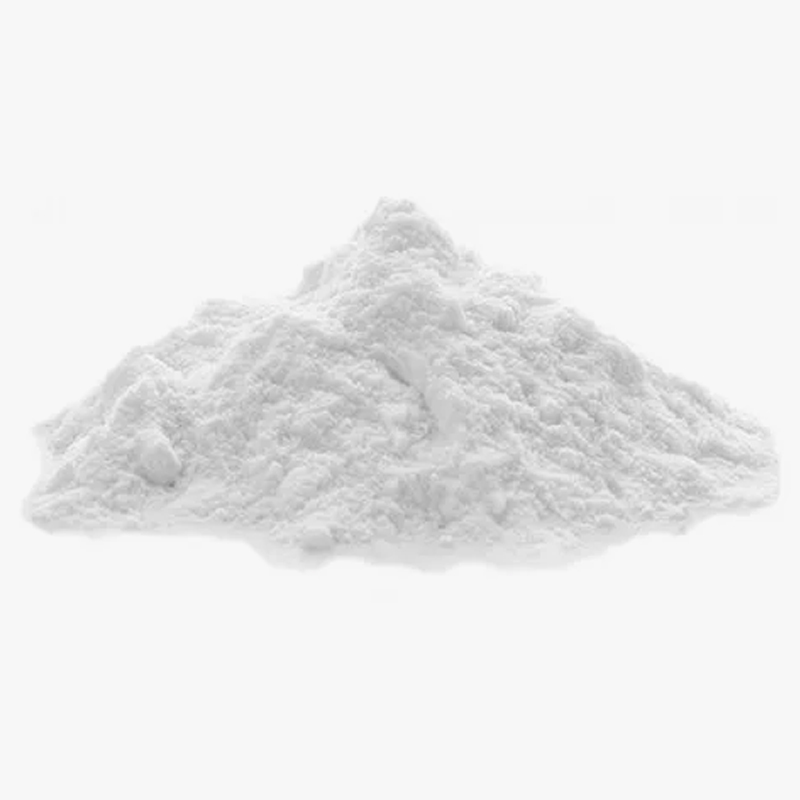
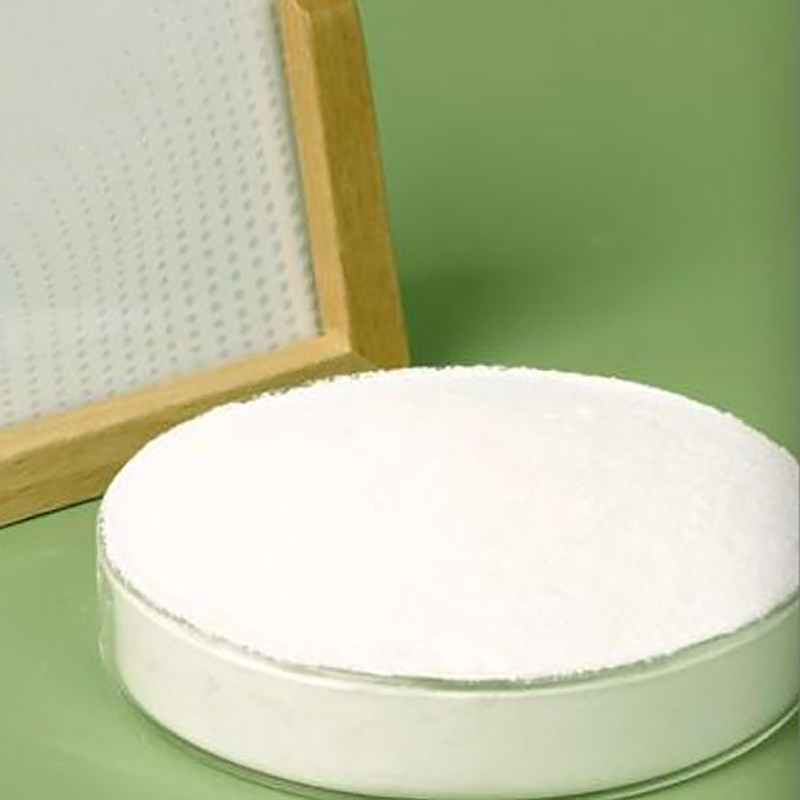
Hydroxyethyl Cellulose (HEC) is a non-ionic, water-soluble cellulose ether derived from natural cellulose through a controlled etherification process. In construction applications, HEC functions primarily as a water retention agent, thickener, and workability enhancer — making it indispensable in tile adhesives, wall putty, gypsum plaster, and dry mix mortars. Its ability to retain moisture within a cementitious matrix for extended periods significantly improves adhesion strength, open time, and application smoothness. Unlike synthetic polymers, HEC integrates seamlessly into alkaline environments, offering stable performance across a wide pH range (2–12).
Whether you are formulating a high-performance cellulose ether for construction chemicals, selecting the right viscosity grade, or comparing HEC vs HPMC for specific substrates, this guide provides data-backed insights to support your decision-making process.
Content
- 1 What Is Hydroxyethyl Cellulose (HEC)? Chemistry and Production Overview
- 2 HEC Performance in Construction: Water Retention and Workability Data
- 3 HEC for Tile Adhesive: Dosage, Grade Selection, and Open Time
- 4 Hydroxyethyl Cellulose for Wall Putty and Gypsum Plaster
- 5 HEC for Dry Mix Mortar: Performance Across Application Types
- 6 HEC vs HPMC: A Practical Comparison for Construction Chemists
- 7 How to Choose the Right HEC Viscosity Grade for Your Application
- 8 Beyond Construction: HEC in Paint, Cosmetics, and Oil Field Applications
- 9 About Zhejiang Yisheng New Material Co., Ltd.
- 10 Frequently Asked Questions
What Is Hydroxyethyl Cellulose (HEC)? Chemistry and Production Overview
HEC is produced by reacting alkali cellulose with ethylene oxide under controlled temperature and pressure. The degree of substitution (DS) and molar substitution (MS) are the two critical parameters that define its solubility, viscosity, and compatibility with other additives. A higher MS value generally indicates better water solubility and lower gel-forming tendency at elevated temperatures. Commercial HEC products typically have an MS between 1.8 and 3.5, and a DS value approaching 1.0.
One of HEC's defining characteristics is its thermal gelation absence: unlike HPMC, HEC does not form gels upon heating. This makes it particularly well-suited for grouts, renders, and applications where temperature stability is critical. Its non-ionic nature also minimizes interactions with metal ions and surfactants, broadening its compatibility profile in multi-component formulations.
As a hydroxyethyl cellulose manufacturer, Zhejiang Yisheng New Material Co., Ltd. produces HEC with consistent DS and MS parameters, validated by in-house analytical testing at every batch level — ensuring that viscosity grades from low (200 mPa·s) to ultra-high (200,000 mPa·s) remain within tight specification windows suitable for demanding industrial applications.
Key Molecular Properties of HEC
| Property | Typical Value | Significance |
|---|---|---|
| Molar Substitution (MS) | 1.8 – 3.5 | Controls water solubility and temperature stability |
| Degree of Substitution (DS) | 0.8 – 1.0 | Governs ionic charge neutrality (non-ionic) |
| pH Stability Range | 2 – 12 | Compatible with alkaline cement systems |
| Viscosity Range (1% solution) | 200 – 200,000 mPa·s | Grade selection determines application suitability |
| Thermal Gelation | None | Advantage over HPMC in high-temp environments |
HEC Performance in Construction: Water Retention and Workability Data
Water retention is the single most impactful function of HEC in construction. Without adequate water retention, cementitious systems can lose moisture prematurely — especially on porous or absorbent substrates — leading to incomplete hydration, bond failure, and surface cracking. Studies in dry-mix mortar technology consistently demonstrate that even a 0.1% addition of high-viscosity HEC can increase water retention from below 70% to over 95% in standard tile adhesive formulations (ASTM C1396 / EN 12004 testing conditions).
Beyond retention, HEC also contributes meaningfully to open time extension and anti-sag performance. The chart below compares water retention efficiency across different dosage levels of high viscosity HEC for mortar applications:
Fig. 1 — Water retention rate increases sharply from ~63% (no HEC) to ~94% at just 0.10% dosage, with diminishing returns beyond 0.20%. This illustrates the cost-efficiency sweet spot for most tile adhesive and wall putty formulations. Dosage optimization reduces material cost while maintaining EN 12004 compliance. Source: Internal formulation trials, Yisheng technical lab.
HEC for Tile Adhesive: Dosage, Grade Selection, and Open Time
Hydroxyethyl cellulose for tile adhesive formulations serves three simultaneous roles: it retains mix water to extend open time, it imparts pseudo-plastic rheology for smooth trowelability, and it prevents tile slippage on vertical surfaces through sag resistance. The optimal dosage for standard C1-class tile adhesive (EN 12004) typically falls between 0.08% and 0.20% by dry weight, depending on substrate porosity and required open time.
For C2TE (Extended Open Time) classifications, formulators often target HEC viscosity grades between 60,000 and 100,000 mPa·s to achieve open times exceeding 30 minutes. Using a water retention agent for tile adhesive at these viscosity levels also improves wet transfer values on porcelain and large-format tiles, which have minimal surface texture to aid mechanical bonding.
Fig. 2 — Open time increases substantially with HEC viscosity grade. The 100K–150K mPa·s range is recommended for C2TE extended open time adhesives per EN 12004. Higher viscosity grades are especially valuable for large-format ceramic and porcelain tiles where repositioning is required. Selecting the right grade can reduce tile installation waste by up to 15%.
Anti-sag performance — the ability of fresh adhesive to hold a tile in place on a vertical surface without slipping — is directly related to the yield stress contributed by the HEC network. High-viscosity HEC grades (≥100,000 mPa·s) provide sufficient yield stress to pass the EN 1308 anti-slip test (≤0.5 mm slip for heavy tiles). This is a non-negotiable requirement for floor-to-wall tile installations in bathrooms and facades.
Hydroxyethyl Cellulose for Wall Putty and Gypsum Plaster
In wall putty formulations, HEC delivers a uniquely smooth application feel compared to other cellulose ethers. Because wall putty is often applied to drywall, concrete block, or brick surfaces — all of which have varying absorption rates — the water retention provided by HEC is critical to achieving a uniform film build-up and a crack-free surface after drying.
For best HEC for gypsum plaster applications, medium-to-high viscosity grades (40,000–80,000 mPa·s) are typically preferred. Gypsum sets through an exothermic crystallization process, and HEC's thermal stability (no gelation up to 90°C) ensures rheological consistency throughout the setting window. Formulators report that HEC additions of 0.15%–0.25% in gypsum plasters improve sag resistance by up to 40% and reduce surface porosity by controlling bleed water migration.
An important consideration for hydroxyethyl cellulose for wall putty is dissolution speed: slow-dissolving HEC grades can cause lumping if mixed improperly. Surface-treated, "delayed-dissolution" HEC — where the particle surface is cross-linked to slow initial hydration — is strongly recommended for dry-mix putty systems to prevent premature viscosity build-up during mixing.
Fig. 3 — Radar chart comparing HEC and HPMC across six key performance dimensions. HEC outperforms HPMC in thermal stability (no gelation) and compatibility with ionic systems, while HPMC shows advantages in workability smoothness and dissolution rate. The choice between the two should be guided by specific application requirements, temperature conditions, and substrate type. Data represents typical formulation outcomes under standardized testing conditions.
HEC for Dry Mix Mortar: Performance Across Application Types
HEC for dry mix mortar encompasses a wide range of applications including tile adhesives, renders, self-leveling underlayments, grouts, repair mortars, and thermal insulation adhesives (ETICS). Each application imposes unique rheological demands, and selecting the correct HEC grade is critical to product performance.
In HEC in cement mortar systems, the polymer must withstand a highly alkaline environment (pH ≥ 12) during Portland cement hydration without significant degradation. HEC's non-ionic backbone provides inherent alkaline stability, allowing it to maintain viscosity and water retention effectiveness for the full hydration window — typically 24–72 hours depending on cement content and ambient temperature.
The following line chart illustrates how viscosity stability evolves over time in a cement mortar system at pH 12.5, comparing low-viscosity and high-viscosity HEC grades:
Fig. 4 — Viscosity retention over 72 hours at pH 12.5 shows that high-viscosity HEC grades maintain significantly better alkaline stability compared to low-viscosity grades. After 72 hours, high-viscosity HEC retains approximately 88% of initial viscosity versus ~66% for low-viscosity grades. This data supports the preference for higher-grade HEC in cement-heavy formulations such as repair mortars and thick-bed tile adhesives where extended working time is required.
Recommended HEC Grades by Mortar Application Type
| Application | Viscosity Grade | Dosage (dry wt.) | Key Function |
|---|---|---|---|
| Tile Adhesive (C1) | 40K – 80K mPa·s | 0.08% – 0.15% | Water retention, trowelability |
| Tile Adhesive (C2TE) | 100K – 150K mPa·s | 0.15% – 0.20% | Extended open time, anti-sag |
| Wall Putty | 30K – 60K mPa·s | 0.10% – 0.18% | Smooth finish, crack prevention |
| Gypsum Plaster | 40K – 80K mPa·s | 0.15% – 0.25% | Thermal stability, sag resistance |
| Repair Mortar | 100K+ mPa·s | 0.20% – 0.35% | High water retention, thixotropy |
| ETICS Adhesive | 60K – 100K mPa·s | 0.12% – 0.20% | Bond strength, workability |
HEC vs HPMC: A Practical Comparison for Construction Chemists
The HEC vs HPMC debate is one of the most common decision points in dry-mix mortar formulation. Both are cellulose ethers with strong water retention capabilities, but they differ meaningfully in thermal behavior, compatibility, cost dynamics, and specific application performance. Understanding these differences allows formulators to make application-specific choices rather than defaulting to one product for all uses.
Fig. 5 — Grouped column chart scoring HEC and HPMC across five performance attributes on a 10-point scale. HEC achieves a perfect 10 in thermal stability (no gelation at elevated temperatures), making it the preferred choice for applications involving heated substrates or summer installations in hot climates. HPMC scores higher in dissolution speed, which may favor faster-dissolving dry-mix systems. The choice ultimately depends on priority: if thermal consistency or ionic compatibility matters most, HEC leads clearly.
- Temperature: HEC does not gel when heated, making it superior for applications in warm climates or on heated substrates.
- Ionic compatibility: HEC's non-ionic character provides better compatibility with cationic surfactants and metal-rich cement systems.
- Workability feel: HPMC generally provides a slightly smoother, more "buttery" application feel preferred by some plasterers.
- Dissolution: HPMC typically dissolves faster in cold water, which can be advantageous in cold-weather construction sites.
- Paint-grade applications: For HEC for water-based paint, HEC is generally preferred due to its broader compatibility with pigment dispersants and biocides.
How to Choose the Right HEC Viscosity Grade for Your Application
Understanding how to choose HEC viscosity begins with recognizing that viscosity is a proxy for molecular weight and chain length — not a universal measure of performance. A higher viscosity grade builds a more physically entangled polymer network in solution, delivering stronger water retention, higher yield stress, and better anti-sag — but at the cost of potentially higher mix stiffness and slower dissolution.
The viscosity of HEC is typically measured as a 1% or 2% aqueous solution at 20°C using a Brookfield viscometer. Industry-standard grades range from 200 mPa·s (paint and drilling fluid thinners) to 200,000 mPa·s (heavy-duty repair mortars). Below is a decision framework based on application type:
- 200 – 5,000 mPa·s: Low-viscosity range — ideal for paint grade HEC, coatings, and as a thickener in HEC for drilling fluid applications where high flow rate is needed.
- 5,000 – 30,000 mPa·s: Medium-viscosity — suitable for joint compounds, renders, and light-duty putties.
- 30,000 – 80,000 mPa·s: High-viscosity — the standard range for most tile adhesives, wall putties, and gypsum plasters.
- 80,000 – 200,000 mPa·s: Ultra-high viscosity — recommended for C2TE adhesives, heavy repair mortars, and ETICS formulations where maximum water retention and anti-sag are required.
One often-overlooked factor is the interaction between HEC and other additives such as redispersible polymer powders (RDPs), retarders, and accelerators. HEC at high dosage can slow cement hydration slightly — not always undesirable, as this can extend open time, but formulators should conduct compatibility testing when combining with rapid-set cements or when targeting very short strippable times.
Beyond Construction: HEC in Paint, Cosmetics, and Oil Field Applications
While construction drives the largest volume demand for cellulose ether, HEC's unique properties — non-ionic nature, broad pH stability, and film-forming capability — make it equally valuable across other sectors. Its diverse applications reflect the versatility of cellulose ether applications across modern industry.
HEC for Water-Based Paint
In architectural and industrial coatings, paint grade HEC functions as the primary thickening and rheology agent. Its pseudoplastic flow behavior — high viscosity at rest, low viscosity under shear — is critical for spatter resistance during roller application and sag resistance after application. HEC is compatible with a wide range of pigments, binders, and coalescents used in water-based acrylic, vinyl-acrylic, and styrene-acrylic emulsion paints. Typical dosage in paint systems is 0.2%–0.5% by weight, with low-to-medium viscosity grades (2,000–50,000 mPa·s) being most common.
Cosmetic Grade HEC in Personal Care
Cosmetic grade HEC — including its use as a thickener in HEC in shampoo, conditioners, body washes, and facial gels — must meet stricter purity requirements than construction grades, including low heavy metal content (typically <5 ppm) and compliance with INCI (International Nomenclature Cosmetic Ingredient) listings. HEC's skin-safe, non-irritating profile makes it one of the most widely used rheology modifiers in rinse-off and leave-on cosmetic products globally.
HEC for Drilling Fluid
In oil and gas drilling, HEC for drilling fluid serves as a viscosifier and fluid loss control agent in water-based muds. Its tolerance for high salinity, temperature stability up to 120°C (in stabilized grades), and compatibility with common drilling chemicals (KCl, NaCl, calcium brines) make it a technically viable option for challenging well conditions. Low-viscosity HEC grades are also used as a shale stabilizer and to improve cuttings transport efficiency.
Fig. 6 — Estimated global HEC demand distribution by end-use sector. Construction remains the dominant application at approximately 48% of total volume, driven by tile adhesives and dry mix mortars. Paints and coatings represent the second-largest segment at around 22%, followed by personal care at 12%. The diversification of HEC demand across multiple sectors reflects its broad utility as a performance additive.
About Zhejiang Yisheng New Material Co., Ltd.
Zhejiang Yisheng New Material Co., Ltd. is a professional enterprise specializing in the design, development, manufacturing, and sales of cellulose ether products, located in the Shangyu Economic and Technological Development Zone within the Hangzhou Bay National Industrial Park. As a dedicated hydroxyethyl cellulose manufacturer and supplier, Yisheng operates with an annual production capacity of 15,000 tons of cellulose ether, offering a complete range that includes HEC (hydroxyethylcellulose), HEMC (hydroxyethyl methylcellulose), and HPMC (hydroxypropyl methylcellulose).
The company's product portfolio serves oil fields, coatings, dry powder mortar, cosmetics, personal care, pharmaceuticals, and other industries globally. Yisheng's core development philosophy centers on safety, environmental protection, and sustainable production — principles embedded in every stage of its manufacturing processes. The company maintains a comprehensive quality management system with advanced testing equipment, rigorous batch-level product verification, and stringent process controls to ensure consistent product specifications for global customers.
Yisheng's technical team provides formulation guidance and customized viscosity solutions for construction chemicals, coatings, and personal care applications — making it a reliable long-term partner for customers seeking stable supply, consistent quality, and responsive technical support in their cellulose ether sourcing.
Frequently Asked Questions
Q1: What is HEC used for in construction?
HEC is used in construction as a water retention agent, thickener, and workability improver in tile adhesives, wall putty, gypsum plasters, and dry mix mortars. It prevents premature drying, extends open time, and improves adhesion on porous substrates.
Q2: How much HEC is added to tile adhesive?
Typical HEC dosage in tile adhesive ranges from 0.08% to 0.20% by dry weight of the formulation. Standard C1-class adhesives use lower dosages (0.08–0.15%), while C2TE extended open time adhesives may use up to 0.20%–0.25%.
Q3: Does HEC improve mortar workability?
Yes. HEC imparts pseudoplastic (shear-thinning) rheology to mortar: the mix flows easily during troweling but regains viscosity at rest. This improves spreadability, reduces tool drag, and helps prevent sagging on vertical surfaces — all of which contribute to better workability.
Q4: HEC vs HPMC — which is better for cement mortar?
For cement mortar in warm climates or on heated substrates, HEC is preferred due to its lack of thermal gelation. HPMC may offer slightly better cold-water dissolution. In highly ionic cement systems, HEC's non-ionic nature provides better compatibility. The choice depends on climate, substrate, and required open time.
Q5: Which viscosity grade of HEC is best for wall putty?
For wall putty, HEC grades in the 30,000–60,000 mPa·s viscosity range are typically most suitable. They provide adequate water retention and smooth finish without making the mix overly stiff. For high-build putties on very absorbent surfaces, grades up to 80,000 mPa·s may be preferred.
Q6: Can HEC be used in water-based paint?
Yes, HEC is widely used as a thickener and rheology modifier in water-based paints and coatings. Paint grade HEC is compatible with acrylic, vinyl-acrylic, and styrene-acrylic emulsions, and is used at 0.2%–0.5% dosage. It provides spatter resistance, sag control, and stable viscosity over a wide temperature range.

 Email: sarah@ys-cellulose.com
 Phone: +86-18067879812 / +86-575-82966958


