


 简体中文
简体中文 English
 русский
 عربى
عربى Español
Content
- 1 What Is HPMC and Why It Matters in Construction
- 2 Chemical Composition and Key Properties of HPMC
- 3 How HPMC Functions in Cement-Based Systems
- 4 Major Construction Applications of HPMC
- 5 HPMC vs. Other Cellulose Ethers in Construction
- 6 How to Select the Right HPMC Grade for Construction
- 7 Market Growth and Sustainability Trends for HPMC in Construction
- 8 Practical Tips for Using HPMC on the Job Site
- 9 Frequently Asked Questions About HPMC in Construction
What Is HPMC and Why It Matters in Construction
HPMC (Hydroxypropyl Methyl Cellulose) is a non-ionic, water-soluble cellulose ether derived from natural plant cellulose. In construction, it serves as a multifunctional additive — primarily as a water-retention agent, thickener, and binder — used in tile adhesives, plasters, mortars, and a wide range of building materials. Without HPMC, most modern dry-mix mortars would crack, sag, or lose workability before curing.
The global construction chemicals market increasingly relies on Hydroxypropyl methyl cellulose for building material applications. HPMC dosages in cement-based products typically range from 0.1% to 0.5% by weight, yet this small addition can increase water retention by over 95% and extend open working time by up to 30 minutes — two factors that are critical on any job site.
Chemical Composition and Key Properties of HPMC
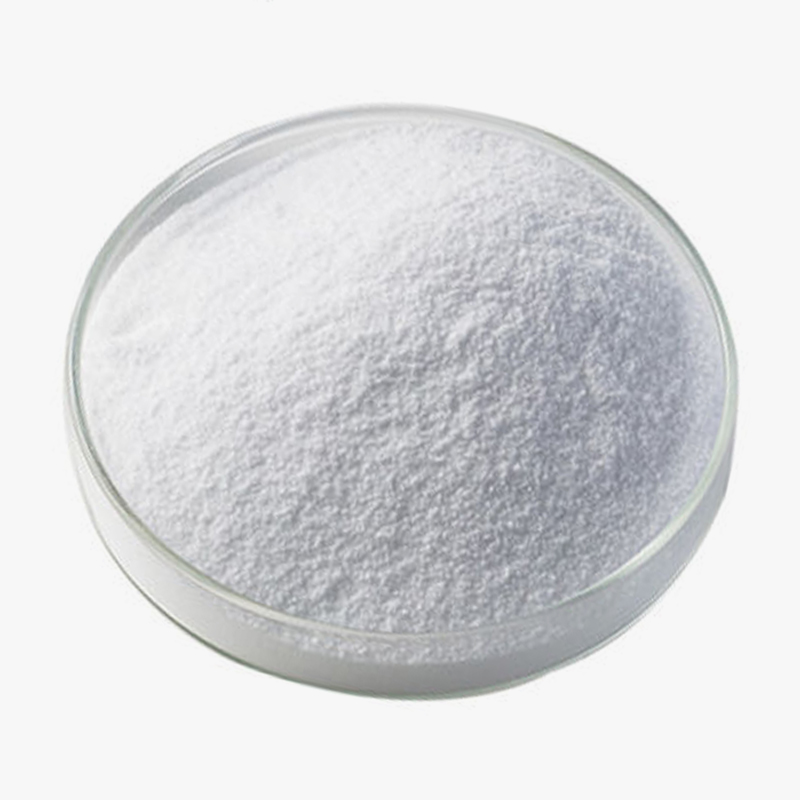
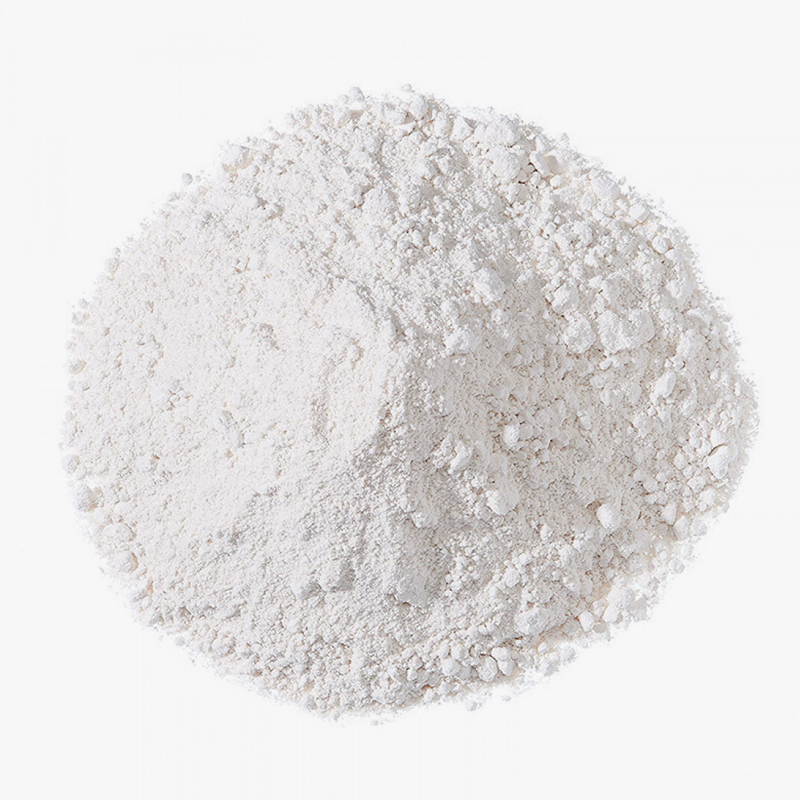
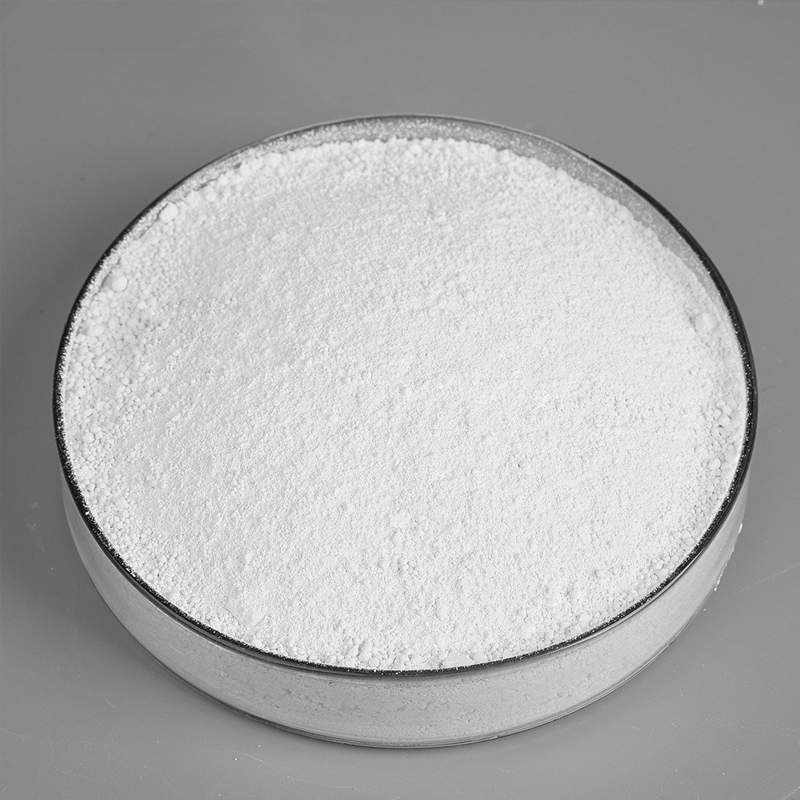
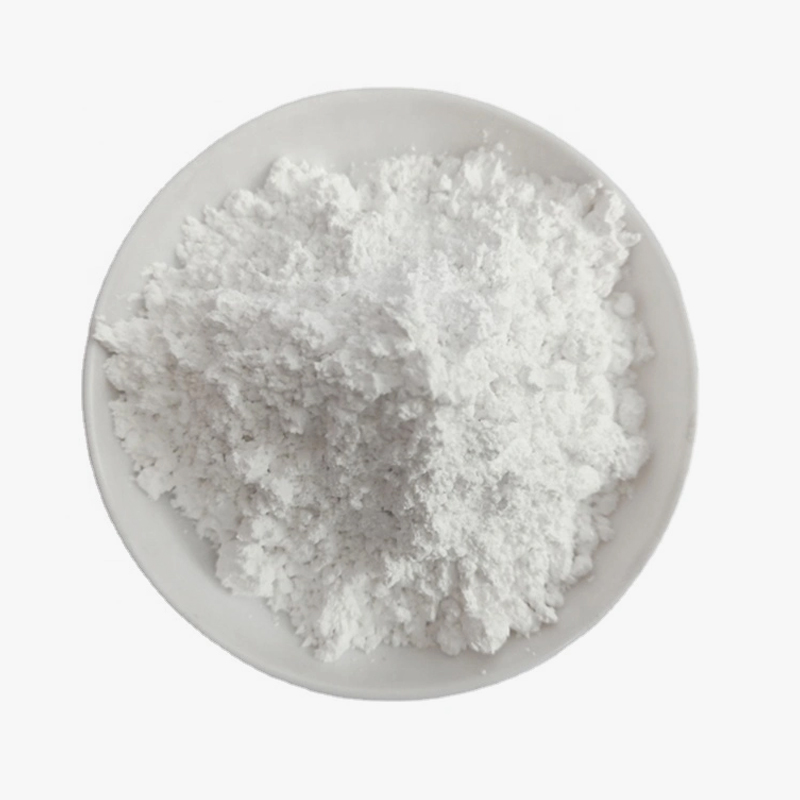
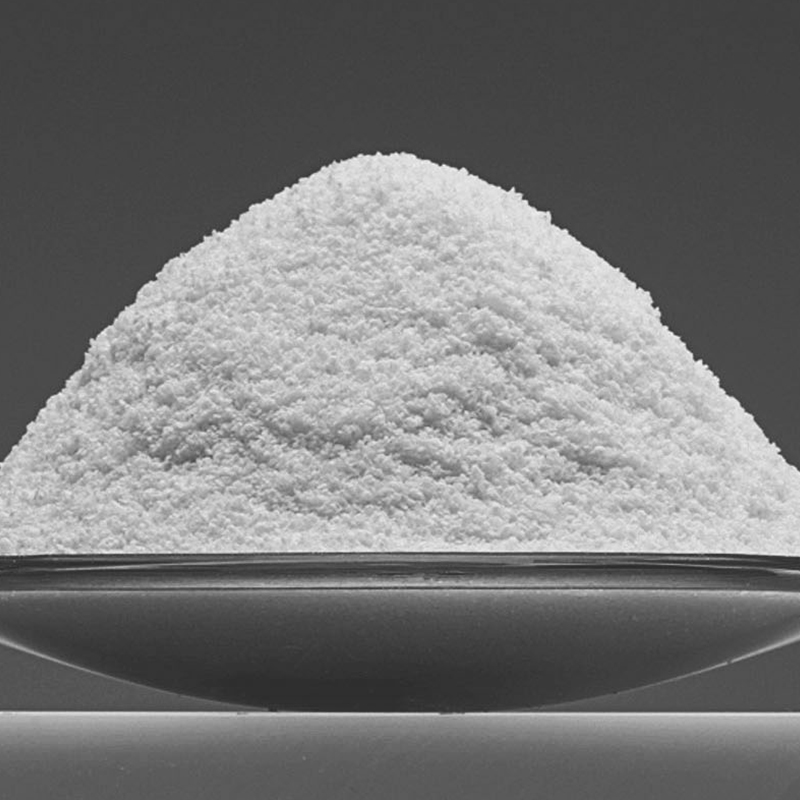
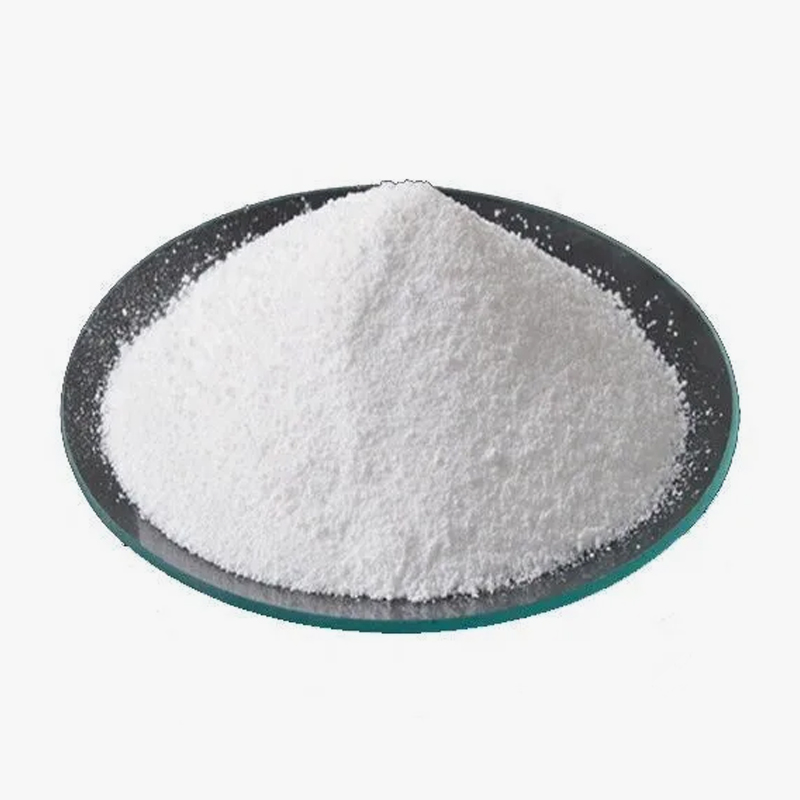
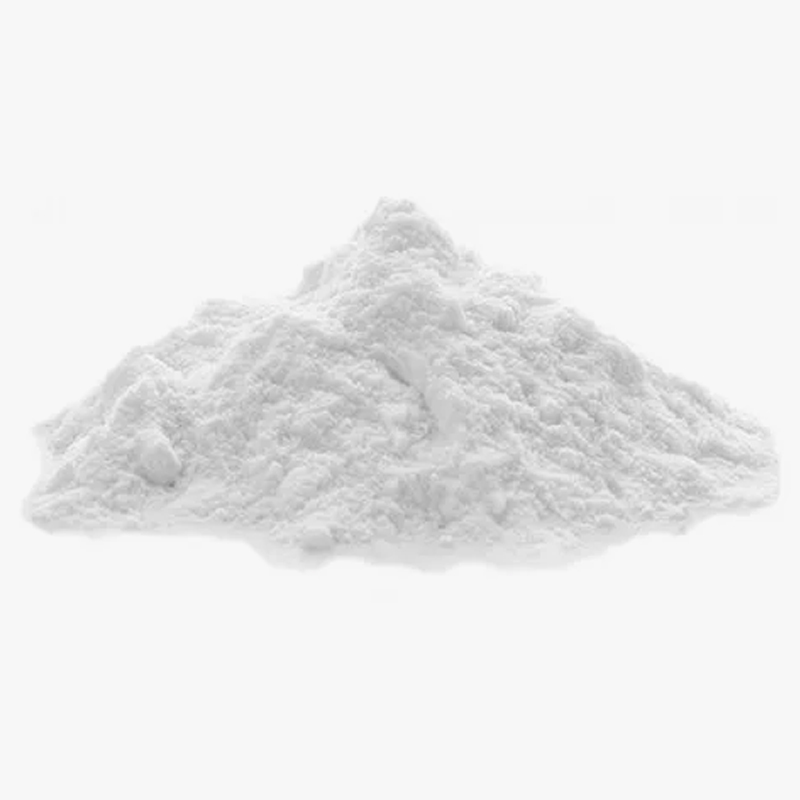
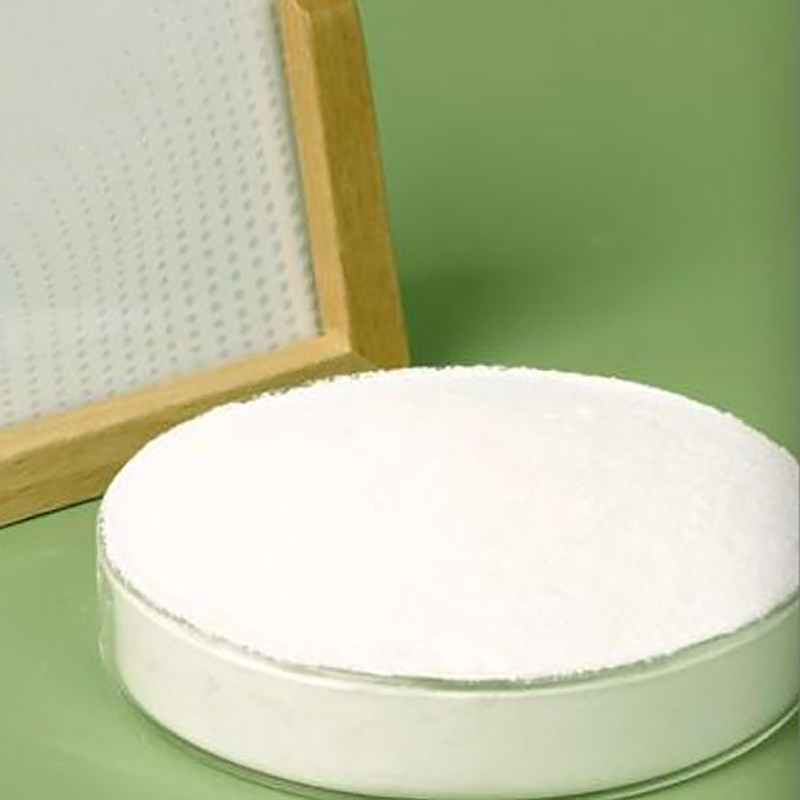
HPMC is produced by reacting alkaline cellulose (derived from wood pulp or cotton) with propylene oxide and methyl chloride. The result is a white to off-white odorless powder that dissolves in cold water to form a clear, viscous solution.
Core Physical and Chemical Characteristics
| Property | Typical Value / Range | Significance in Construction |
|---|---|---|
| Viscosity (2% solution, 20°C) | 400 – 200,000 mPa·s | Controls workability and sag resistance |
| Methoxy substitution (DS) | 1.12 – 2.03 | Affects solubility and gel point |
| Hydroxypropoxy substitution (MS) | 0.06 – 0.99 | Influences thermal gelation temperature |
| Moisture content | < 5% | Shelf stability and flowability |
| Gel temperature | 50 – 90°C | Ensures stability at ambient temperatures |
| pH stability | 3 – 11 | Compatible with highly alkaline cement systems |
The non-ionic character of HPMC is especially valuable: it does not react with calcium ions in cement, avoiding the compatibility issues seen with anionic cellulose ethers. This stability across a pH range of 3–11 makes it ideal for use in Portland cement-based formulations where alkalinity is high.
How HPMC Functions in Cement-Based Systems
When HPMC powder is mixed into a dry-mix mortar and water is added, the cellulose ether hydrates and forms a three-dimensional polymer network. This network delivers three simultaneous mechanisms:
- Water retention: The hydrophilic polymer chains bind free water, slowing evaporation. Water retention rates above 95% are routinely achieved at dosages of 0.3%.
- Thickening and rheology control: Viscosity builds rapidly after dissolution, giving mortars the body needed to stay on vertical surfaces without slumping.
- Film-forming and adhesion: During drying, HPMC forms a flexible film around cement and aggregate particles, improving internal cohesion and bond strength to substrates.
These combined effects explain why Hydroxypropyl methyl cellulose for building material applications has become the industry's go-to cellulose ether — no other single additive simultaneously improves open time, sag resistance, and substrate adhesion.
Data based on standard tile adhesive mortar; EN 1015-8 test method
Major Construction Applications of HPMC
Tile Adhesives
Hydroxypropyl methyl cellulose for adhesive use is one of the highest-volume applications globally. In tile adhesive formulations (C1, C2 class per EN 12004), HPMC at 0.2–0.4% dosage provides an open time of 20–30 minutes — essential for large-format tiles where precise positioning is required. It also prevents tile slippage on vertical surfaces by delivering a yield stress (sag resistance) of at least 0.5 mm under standard test conditions.
Cement-Based Plasters and Renders
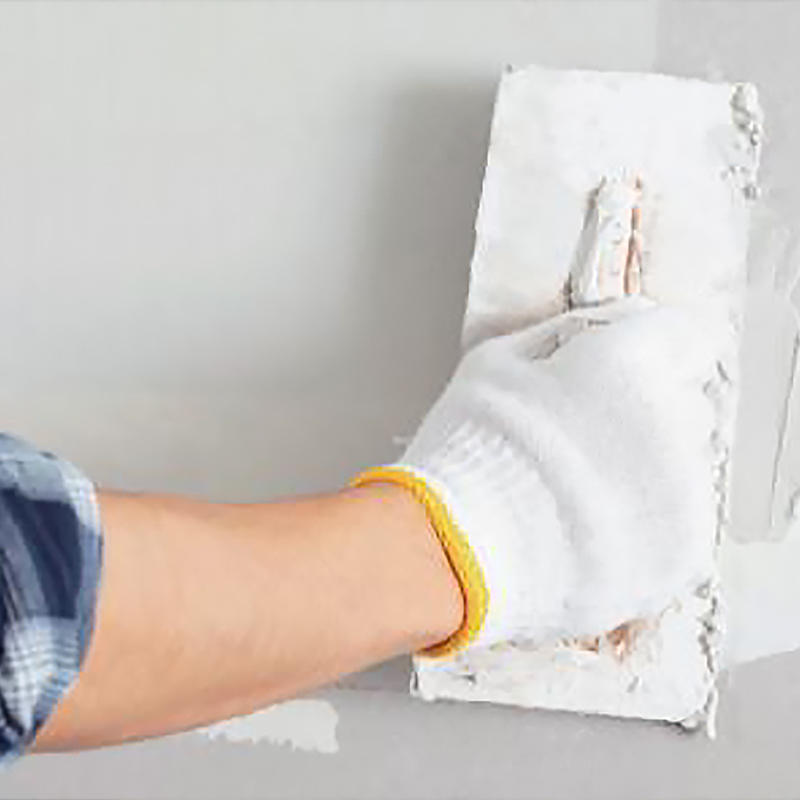
Interior and exterior plasters depend on HPMC to slow water absorption by porous substrates such as autoclaved aerated concrete (AAC) and brick. Without adequate water retention, cement in thin plaster layers (6–15 mm) can dry out before full hydration, resulting in cracking and delamination. At a dosage of 0.15–0.25%, HPMC maintains workability for over 60 minutes even on highly absorbent AAC blocks.
Self-Leveling Compounds and Floor Screeds
HPMC grades with lower viscosity (400–4,000 mPa·s) are used in self-leveling underlayments to control flow and prevent segregation of heavy aggregates. The result is a smooth, level surface with minimal surface defects — a key quality requirement for luxury vinyl tile (LVT) and natural stone flooring installations.
Exterior Insulation and Finish Systems (EIFS)
In EIFS basecoats and finish coats, HPMC contributes to the adhesion between mineral adhesive and expanded polystyrene (EPS) insulation boards. A tensile adhesion strength of >0.08 N/mm² (EN 1348) is typically achieved with HPMC-modified adhesives, exceeding the minimum code requirement in most European and Asian standards.
Masonry Mortars and Joint Fillers
Bed joint mortars for thin-bed applications (1–3 mm) use high-viscosity HPMC (40,000–100,000 mPa·s) to achieve the film-thickness control needed for precise coursing. Joint fillers for ceramic and natural stone tiles also benefit from HPMC's film-forming ability, which reduces grout cracking during thermal cycling.
HPMC vs. Other Cellulose Ethers in Construction
While HPMC is the dominant cellulose ether in construction, it is sometimes compared with Hydroxyethyl Cellulose (HEC) and Methyl Cellulose (MC). Understanding these differences helps formulators make the right choice for each application.
| Parameter | HPMC | HEC | MC |
|---|---|---|---|
| Water retention | Excellent | Good | Excellent |
| Cement compatibility | Excellent | Moderate | Good |
| Sag resistance | High | Moderate | High |
| Open time | Long | Moderate | Long |
| Retardation of set | Low–Moderate | Low | High |
| Typical dosage in mortars | 0.1–0.5% | 0.2–0.6% | 0.1–0.4% |
HPMC's balance between water retention, minimal set retardation, and cement compatibility explains its dominant market share — estimated at over 60% of all cellulose ether consumption in dry-mix mortars globally.
Higher viscosity HPMC grades extend open time in tile adhesive (C2TE class, 23°C, 50% RH)
How to Select the Right HPMC Grade for Construction
Not all HPMC products perform equally across different building material systems. Selecting the right grade requires matching viscosity, particle size, and substitution degree to the specific application. The following guidelines cover the most common scenarios.
Viscosity Selection
- Low viscosity (400–5,000 mPa·s): Self-leveling compounds, flowing screeds, repair mortars requiring high fluidity
- Medium viscosity (5,000–40,000 mPa·s): Machine-applied plasters, wall putties, gypsum-based products
- High viscosity (40,000–100,000 mPa·s): Hand-applied tile adhesives (C2T class), thin-bed mortars, EIFS adhesives
- Ultra-high viscosity (>100,000 mPa·s): Heavy-duty tile adhesive for large-format slabs, anti-sag formulations
Particle Size and Dissolution Speed
For dry-mix mortars that are mixed quickly in a bucket, fine-particle HPMC (d50 < 100 µm) dissolves within 60–90 seconds under stirring — critical to avoid undissolved lumps causing cosmetic defects in smooth plasters. Coarser grades (d50 200–400 µm) are preferred in industrial batching plants where mixing time is longer and dust suppression is a priority.
Hydroxypropyl Methyl Cellulose for Adhesive: Special Considerations
When formulating Hydroxypropyl methyl cellulose for adhesive products, the key parameters are open time and slip resistance. For C2TE tile adhesive (EN 12004), HPMC must deliver open time ≥ 30 minutes and a slip of < 0.5 mm. This typically requires a viscosity grade of 60,000–100,000 mPa·s at a dosage of 0.3–0.4% in a Portland cement / fine quartz sand base formulation.
Market Growth and Sustainability Trends for HPMC in Construction
The global HPMC market in construction is growing steadily, driven by urbanization in Asia-Pacific and stricter building energy codes in Europe requiring EIFS systems. Key industry data points include:
- The construction segment accounts for approximately 55–60% of total HPMC consumption globally.
- China is the world's largest producer and consumer of HPMC for building materials, with domestic consumption growing at an estimated 6–8% annually.
- EIFS-related demand in Europe is expanding as governments mandate external wall insulation upgrades for buildings built before 1990.
- HPMC is derived from renewable plant cellulose, aligning with green building standards such as LEED v4 and BREEAM, where low-VOC, bio-based additives earn contribution credits.
From a sustainability standpoint, HPMC's ability to reduce cement consumption through better water management can lower the carbon footprint of mortar systems. Some studies show that optimized HPMC formulations reduce total cement content by 5–10% while maintaining equivalent mechanical strength — a meaningful contribution given that cement production accounts for approximately 8% of global CO₂ emissions.
Practical Tips for Using HPMC on the Job Site
Even the highest-quality HPMC grade will underperform if mixed or stored incorrectly. The following best practices ensure consistent results in the field.
- Use cold water: HPMC dissolves best in water below 20°C. In hot climates, chilled water (8–12°C) maximizes early viscosity development and water retention efficiency.
- Mix dry ingredients first: For site-mixed mortars, blend HPMC powder uniformly with dry cement and sand before adding water. This prevents clumping and ensures even distribution.
- Allow maturation time: After adding water, let the mortar rest for 5–10 minutes before final mixing. This allows HPMC to fully hydrate and develop maximum viscosity.
- Avoid overwatering: Excessive water reduces the effective concentration of HPMC, cutting water retention performance and weakening the final product.
- Store in sealed packaging: HPMC powder is hygroscopic. Opened bags should be resealed and stored in a dry environment below 25°C to prevent premature moisture absorption and lumping.
- Check substrate condition: HPMC cannot compensate for extremely dusty or oil-contaminated substrates. Proper surface preparation remains essential for Hydroxypropyl methyl cellulose for adhesive systems to perform at rated pull-off strength.
Frequently Asked Questions About HPMC in Construction
HPMC stands for Hydroxypropyl Methyl Cellulose. It is a semi-synthetic polymer produced by chemically modifying natural cellulose — typically sourced from wood pulp or refined cotton — with methyl and hydroxypropyl groups. The result is a white powder that dissolves in cold water to form a stable, viscous solution.
For standard C1 tile adhesive, HPMC is used at 0.2–0.3% by dry weight of the formulation. For extended-open-time (T class) or non-slip (E+T class) formulations under EN 12004, dosages of 0.3–0.4% are common. Going beyond 0.5% generally offers diminishing returns and can over-retard cement hydration.
Yes. HPMC is compatible with both Portland cement and gypsum binders. In gypsum plasters and joint compounds, HPMC improves workability, reduces cracking, and extends open time — typically at dosages of 0.1–0.3%. Its non-ionic nature means it will not react adversely with sulfate-rich gypsum systems.
At recommended dosages (0.1–0.5%), HPMC has a modest retarding effect on early strength gain but generally does not significantly reduce 28-day compressive strength. In some cases, improved hydration from better water retention can offset minor strength reductions. Excessive dosages (> 0.6%) may cause a measurable reduction in compressive strength due to air entrainment and set retardation.
HPMC is considered non-toxic and non-irritating under normal handling conditions. It is widely used in food, pharmaceutical, and personal care products as well as construction. Standard dust precautions (mask, gloves) are recommended when handling the dry powder in large quantities, as with any fine cellulose powder, to avoid respiratory irritation from inhalation.
HPMC powder has a shelf life of 24 months when stored in original sealed packaging in a dry, cool location (below 25°C and 60% relative humidity). Once a bag is opened, it should be resealed tightly and used within 1–2 weeks. Moisture absorption causes lumping, which makes the product difficult to disperse and reduces its effectiveness in dry-mix mortar.
 Email: sarah@ys-cellulose.com
 Phone: +86-18067879812 / +86-575-82966958


