


 简体中文
简体中文 English
 русский
 عربى
عربى Español
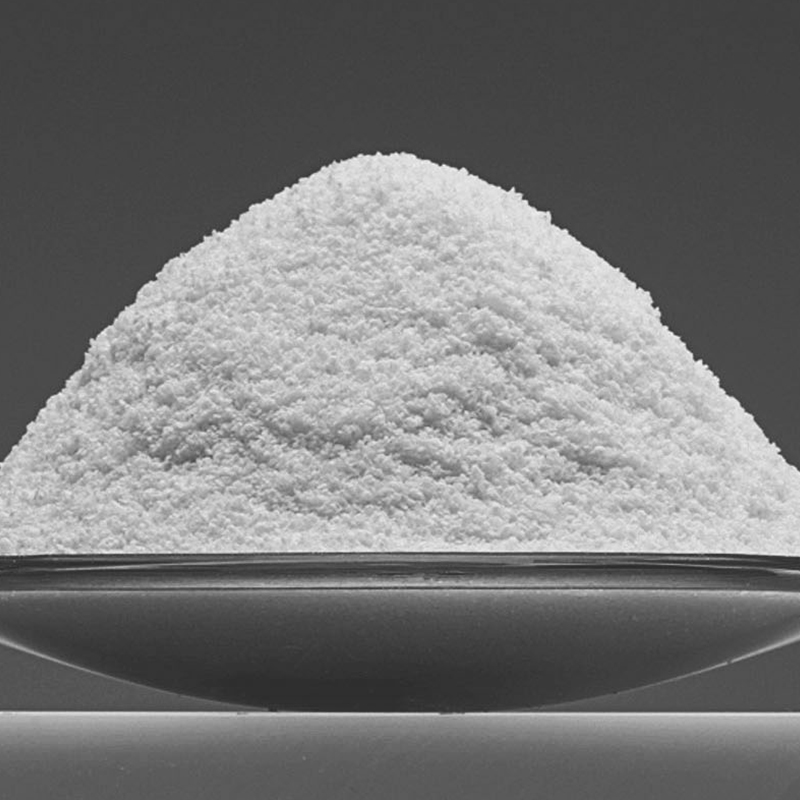
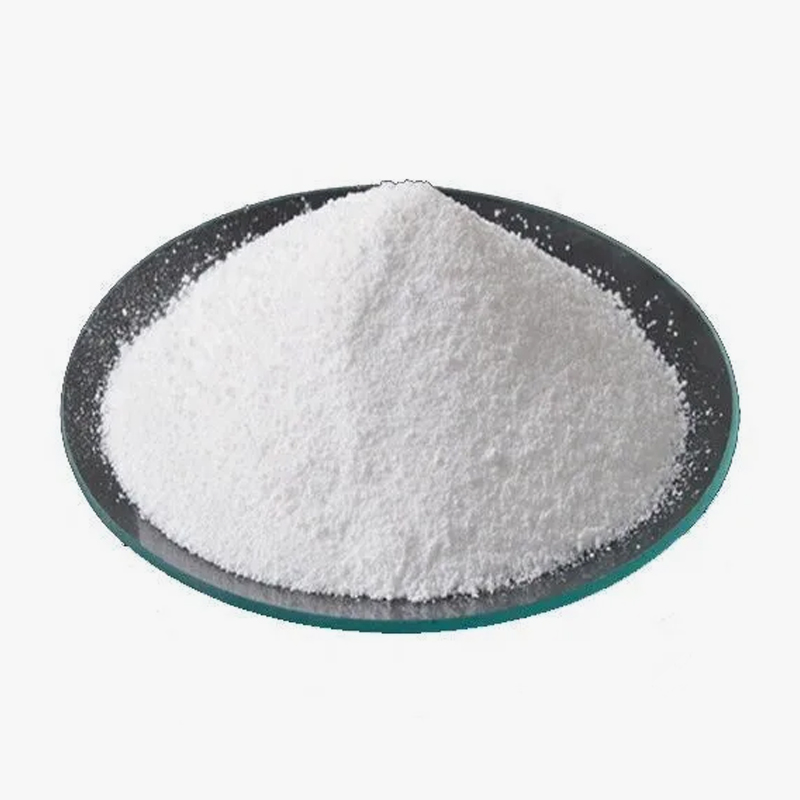
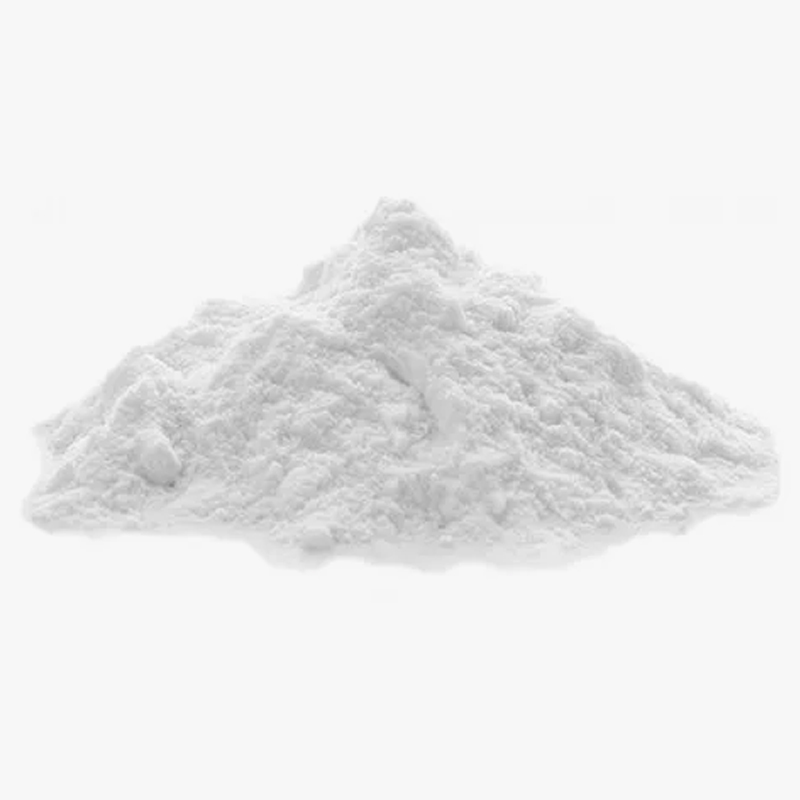
Yes, HEMC (Hydroxyethyl Methyl Cellulose) is well-suited for both exterior and interior construction applications. As a non-ionic cellulose ether derived from natural cotton or wood pulp, HEMC delivers reliable water retention, workability enhancement, and adhesion improvement across a broad range of building material formulations — from interior wall putty and tile adhesives to exterior renders and facade mortars. Its performance stability across temperature extremes, humidity cycles, and UV exposure makes it one of the most versatile functional additives available in Hydroxyethyl Methyl Cellulose For Building Material Grade today.
Content
- 1 What Is HEMC and How Does It Function in Construction?
- 2 HEMC Performance in Interior Construction Applications
- 3 HEMC Performance in Exterior Construction Applications
- 4 Key Technical Properties of Building Material Grade HEMC
- 5 HEMC vs. HPMC: Choosing the Right Cellulose Ether for Your Application
- 6 Practical Guidelines for Using HEMC in Construction Formulations
- 7 About Zhejiang Yisheng New Material Co., Ltd.
- 8 Frequently Asked Questions
What Is HEMC and How Does It Function in Construction?
HEMC is a mixed cellulose ether produced by chemically modifying natural cellulose with both methyl and hydroxyethyl groups. The dual substitution gives HEMC a distinct performance profile compared to single-substitution cellulose ethers, combining the thickening and water-retention benefits of methylcellulose with the enhanced hydration stability of hydroxyethylcellulose.
In dry-mix mortar systems, HEMC dissolves into the mix water to form a viscous, pseudoplastic solution. This solution:
- Slows the evaporation of water from the mortar surface, extending open time and allowing proper cement hydration
- Increases mortar cohesion and sag resistance so applied layers hold their position on vertical surfaces
- Improves the wetting of mineral substrates, promoting stronger adhesion bonds
- Reduces segregation and bleeding, ensuring a homogeneous mix throughout the working window
HEMC is typically dosed at 0.1% to 0.5% by weight of the dry mortar formulation, depending on the application type, substrate porosity, and climate conditions at the job site.
HEMC Performance in Interior Construction Applications
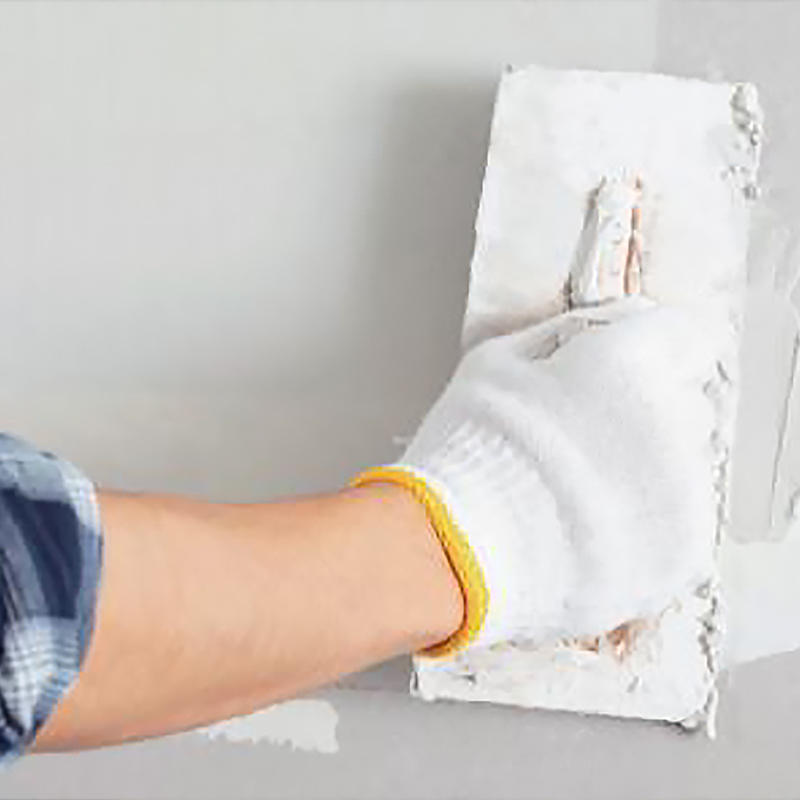
Interior Wall Putty and Skim Coats
Interior putty formulations rely heavily on water retention to prevent premature drying on absorbent gypsum boards or concrete surfaces. HEMC grades with viscosity values between 20,000 and 60,000 mPa·s (2% solution, 20°C) are commonly used in this application. Adequate water retention ensures the binder system — whether cement, gypsum, or polymer — hydrates fully, producing a smooth, crack-free finish layer.
HEMC also contributes to the workability of interior putties, giving applicators a longer correction window. Tests conducted across standard formulations show that HEMC-dosed putties maintain workable consistency for 30 to 60 minutes longer than equivalent formulations without cellulose ether addition.
Tile Adhesive and Ceramic Tile Grout
Tile adhesive requires both strong initial tack (slip resistance) and extended open time so tiles can be adjusted after placement. HEMC at dosages of 0.3% to 0.5% provides the pseudoplastic flow behavior that allows a trowel to spread the adhesive easily while the mortar resists tile slippage under its own weight on wall applications. In standard EN 1347 open-time testing, HEMC-modified adhesives routinely achieve open times of 20 to 30 minutes, meeting C1 and C2 classification requirements.
Gypsum-Based Plasters and Self-Leveling Compounds
Gypsum sets rapidly, making water retention control especially critical. HEMC's compatibility with gypsum chemistry — it does not significantly retard set time when used at typical dosages — makes it preferred over some alternative cellulose ethers in machine-applied gypsum plasters. In self-leveling underlayments, lower-viscosity HEMC grades help control flow while maintaining suspension of heavy aggregate particles.
HEMC Performance in Exterior Construction Applications
Exterior Renders and Facade Mortars
Exterior renders must withstand rain, frost-thaw cycles, and solar radiation while maintaining adhesion to the facade substrate over decades. HEMC for building material grade improves the water retention of render mortars, which is critical on highly absorptive brick or aerated concrete substrates where rapid moisture loss can prevent adequate cement hydration near the substrate interface. Field studies indicate that properly water-retaining render mortars show up to 30% improvement in pull-off adhesion strength compared to low-water-retention equivalents.
ETICS / External Wall Insulation Systems
External Thermal Insulation Composite Systems (ETICS) use adhesive mortars to bond insulation boards (EPS or mineral wool) to the facade, followed by reinforcement mesh embedded in a base coat and a decorative top coat. HEMC plays a role in all three mortar layers:
- Adhesive layer: High water retention prevents premature drying against porous insulation boards; sag resistance holds boards in position during bonding
- Base coat: Cohesion and workability for embedding the reinforcement mesh without tearing
- Decorative render: Consistency control, crack resistance, and surface texture uniformity
Masonry Mortars and Block Laying
Thin-bed masonry mortars used with precision blocks require very consistent viscosity and strong initial bond. HEMC at 0.1% to 0.2% dosage provides sufficient water retention to prevent rapid drying on porous blocks while keeping the mortar stiff enough for precise joint thickness control. For standard bed joint thicknesses of 1 to 3 mm, HEMC-modified mortars maintain dimensional stability during the setting period.
Key Technical Properties of Building Material Grade HEMC
Selecting the right HEMC grade requires understanding how its key physicochemical parameters translate to on-site mortar performance:
| Property | Typical Range | Impact on Mortar Performance |
|---|---|---|
| Viscosity (2%, 20°C) | 5,000 – 100,000 mPa·s | Determines thickening intensity and sag resistance |
| Water Retention | > 95% (DIN 18555) | Controls moisture loss rate; ensures complete binder hydration |
| Methyl Substitution (DS) | 1.3 – 2.0 | Influences gelation temperature and hydrophobic character |
| Hydroxyethyl Substitution (MS) | 0.1 – 0.3 | Improves solubility in cold water; reduces thermal gelation sensitivity |
| Moisture Content | ≤ 5% | Ensures storage stability and consistent dosing in dry-mix plants |
| Ash Content | ≤ 5% | Low ash indicates product purity and reduces ionic interference in cementitious systems |
| Particle Size (passing 100 mesh) | ≥ 98% | Fine particles dissolve quickly and disperse evenly in dry mix |
HEMC vs. HPMC: Choosing the Right Cellulose Ether for Your Application
Both HEMC and HPMC are widely used in construction mortars, and formulators frequently evaluate both. Understanding their differences helps specify the correct product:
| Parameter | HEMC | HPMC |
|---|---|---|
| Cold water dissolution | Excellent | Good |
| Thermal gel temperature | Higher (better hot climate stability) | Lower (may gel at elevated temp) |
| Compatibility with gypsum | Very good | Good |
| Water retention at high temperature | Superior | Moderate |
| Preferred exterior use | Hot and humid climates | Temperate climates |
| Availability of high-viscosity grades | Yes | Yes |
HEMC's higher thermal gelation temperature — typically 65–75°C versus 50–55°C for standard HPMC — makes it particularly advantageous for exterior applications in warm or tropical climates, where surface temperatures during summer can exceed 50°C. In these conditions, HPMC may partially gel and lose water retention efficiency, while HEMC maintains performance.
Practical Guidelines for Using HEMC in Construction Formulations
Getting the best performance from Hydroxyethyl Methyl Cellulose For Building Material Grade requires attention to formulation and processing details:
- Blend HEMC into the dry mix before adding water. Pre-blending with dry components ensures uniform distribution and prevents clumping when water is introduced.
- Use cold or ambient temperature mix water. Water above 60°C can trigger premature thermal gelation, reducing the dissolution rate and causing uneven viscosity development.
- Allow adequate hydration time. After water addition, allow 3 to 5 minutes of rest or continued mixing before use to permit complete HEMC dissolution and maximum viscosity development.
- Adjust dosage for substrate porosity. Highly absorptive substrates (aerated concrete, dry brick) require higher HEMC dosages to compensate for rapid substrate suction.
- Account for ambient temperature in dosage decisions. In hot weather (above 30°C ambient), increase HEMC dosage by 10–15% to compensate for accelerated surface evaporation.
- Store HEMC in sealed, dry conditions. Moisture uptake during storage reduces effective viscosity and water retention performance. Shelf life in appropriate storage is typically 24 months.
About Zhejiang Yisheng New Material Co., Ltd.
Zhejiang Yisheng New Material Co., Ltd. is a professional enterprise engaged in the design, development, manufacturing, application, and sales of cellulose ether, located in the Shangyu Economic and Technological Development Zone, part of the Hangzhou Bay National Industrial Park. As a professional China Hydroxyethyl Methyl Cellulose For Building Material Grade manufacturer and HEMC factory, the company operates with an annual production capacity of 15,000 tons of cellulose ether, offering a complete product range including HEC (hydroxyethylcellulose), HEMC (hydroxyethyl methylcellulose), and HPMC (hydroxypropyl methylcellulose).
Yisheng's products serve diverse sectors including oil fields, coatings, dry powder mortar, cosmetics, personal care, and pharmaceuticals. With a core concept of safety, environmental protection, and sustainable development, the company implements rigorous safety measures and green production processes, building a solid foundation for long-term growth. The manufacturing operations are supported by a scientific management system, a comprehensive quality management framework, advanced testing methods, and state-of-the-art equipment.
Yisheng maintains a global presence, supplying stable cellulose ethers to customers across multiple continents, and remains committed to providing high-quality after-sales service and technical support to formulators worldwide.
 Email: sarah@ys-cellulose.com
 Phone: +86-18067879812 / +86-575-82966958


