


 简体中文
简体中文 English
 русский
 عربى
عربى Español
The short answer is this: choose HPMC for tile adhesive production based on four linked factors — a viscosity grade matched to the mortar's open time requirement, verified water retention performance, consistent particle fineness for reliable dissolution, and a supplier who can provide batch-to-batch consistency data rather than a single lab sample. Getting these four factors right generally has a larger effect on adhesive performance than any single additive change made later in the formulation. The sections below walk through each factor with data, comparisons, and practical checkpoints for evaluating an HPMC supplier or HPMC manufacturer.
This guide is written from the perspective of Zhejiang Yisheng New Material Co., Ltd., a cellulose ether producer based in the Shangyu Economic and Technological Development Zone within the Hangzhou Bay National Industrial Park. The intent is to give formulators and purchasing teams a practical, non-promotional reference for sourcing hydroxypropyl methyl cellulose for adhesive applications.
Content
- 1 What to Look for When Choosing HPMC for Tile Adhesive Manufacturing
- 2 How HPMC Functions in Tile Adhesive and Dry-Mix Mortar Systems
- 3 Selecting the Right HPMC Viscosity Grade for Tile Adhesive
- 4 Typical HPMC Dosage Levels Across Mortar Applications
- 5 Water Retention and Viscosity Control as Core Performance Indicators
- 6 Growth Trend in Dry-Mix Mortar Demand for Cellulose Ether
- 7 Evaluating an HPMC Manufacturer or Supplier
- 8 OEM and Wholesale Cooperation with a China HPMC Factory
- 9 Frequently Asked Questions
What to Look for When Choosing HPMC for Tile Adhesive Manufacturing
Formulators sourcing construction grade HPMC generally move past a single technical data sheet and ask for information that reflects real production consistency. The following checklist covers the points most commonly requested during supplier evaluation.
- Viscosity range and testing method used to report it (typically Brookfield, 2% aqueous solution)
- Water retention performance under standard mortar test conditions
- Particle fineness and dissolution behavior in cold or warm water
- Batch-to-batch consistency data across multiple production runs
- Annual production capacity relative to the buyer's expected order volume
- Willingness to support OEM formulation trials before full-scale ordering
A supplier that can walk through each of these points with test records, rather than general statements, is generally further along in its quality system than one offering only a printed specification sheet.
How HPMC Functions in Tile Adhesive and Dry-Mix Mortar Systems
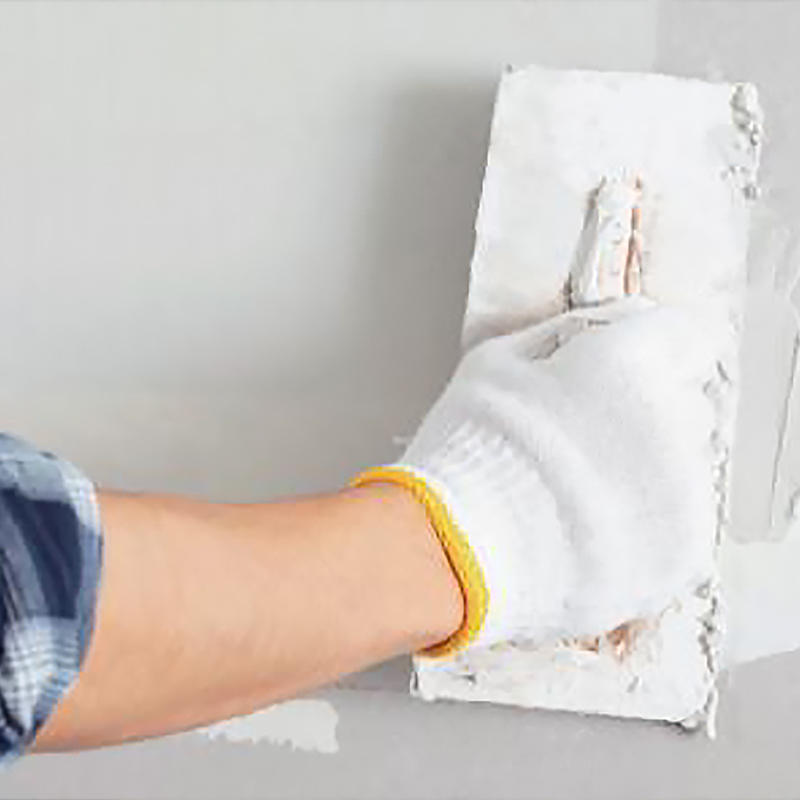
HPMC cellulose ether works in cement-based tile adhesive primarily as a water-retaining agent, which slows the rate at which mixing water is absorbed into the substrate or lost through evaporation. This allows cement hydration to proceed more evenly, which supports better bond strength development between the tile and the substrate. Alongside water retention, HPMC also acts as a mild retarder for cement hydration, which extends open time and gives installers a longer working window before the adhesive skins over.
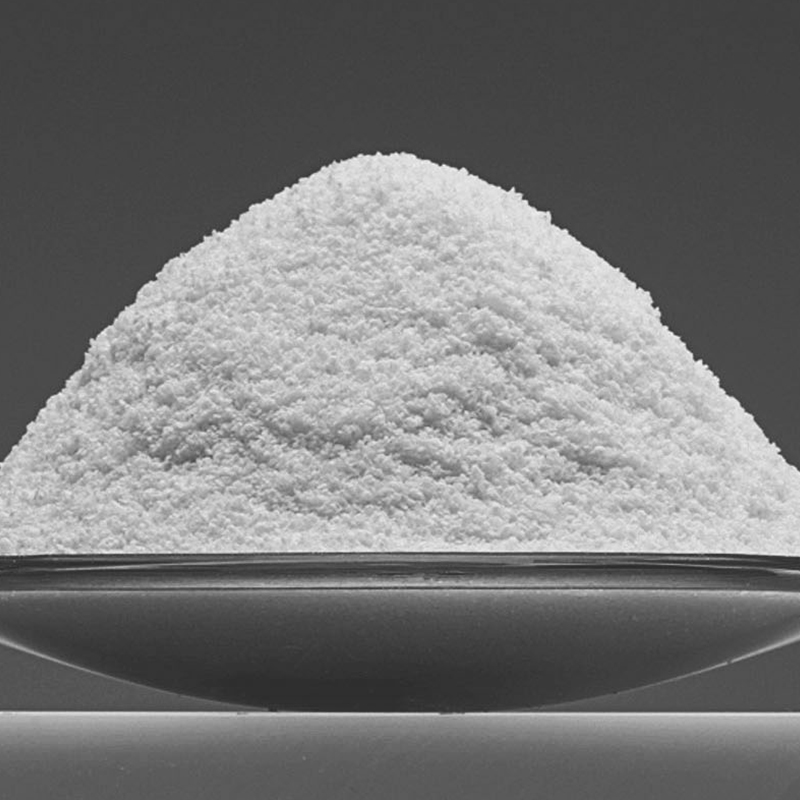
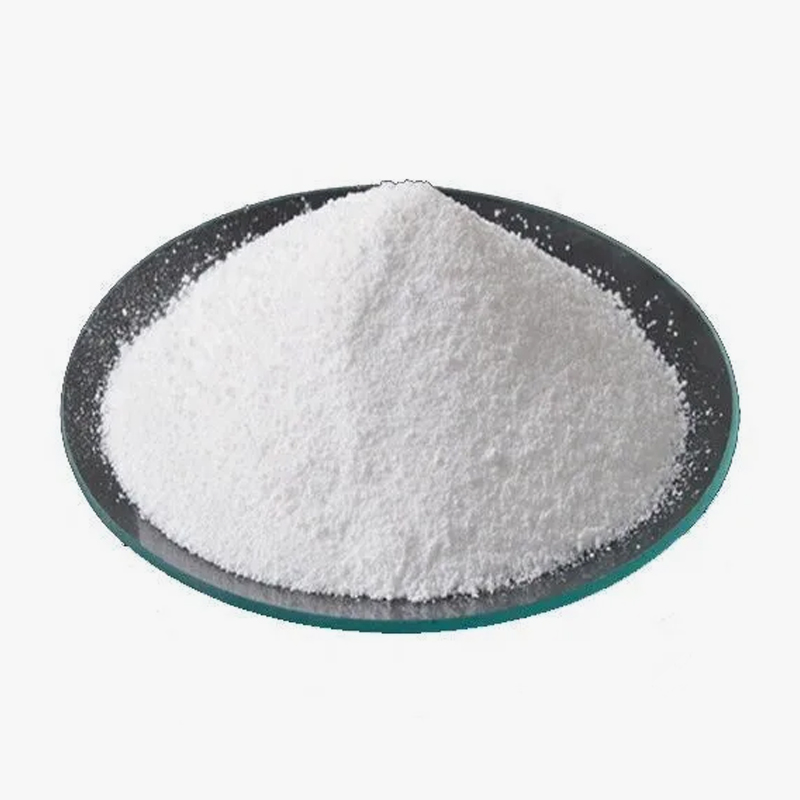
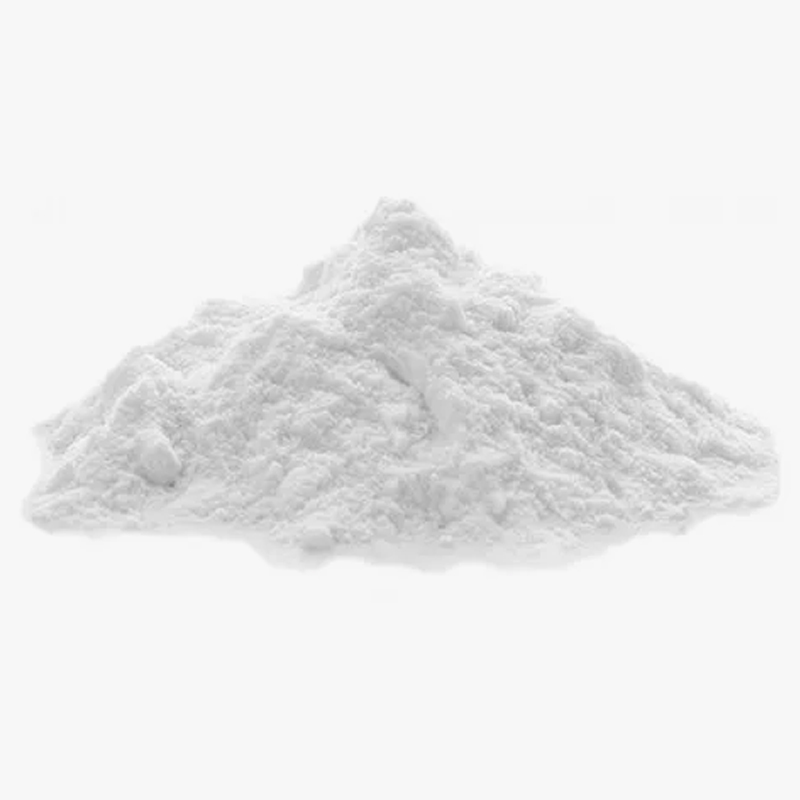
EASONZELL™ MP hydroxypropyl methylcellulose, produced by Zhejiang Yisheng, is applied across construction materials, industrial coatings, ceramics, and ink printing. Within construction formulations specifically, it functions as an adhesive component in plastering, gypsum, and putty powder systems, and supports the pasting of ceramic tiles, marble, and plastic decorative panels while also helping reduce the total cement content required in a given mix design.
Beyond water retention and retardation, HPMC contributes to mortar pumpability and sag resistance on vertical surfaces, two properties that matter directly to installers working with large-format tiles. A formulation with adequate HPMC dosage generally shows less slump on vertical applications, which reduces tile slippage during installation.
Selecting the Right HPMC Viscosity Grade for Tile Adhesive
Viscosity grade is usually the first specification decision in an adhesive grade HPMC formulation, since it directly affects water retention efficiency and workability. Higher viscosity grades generally provide stronger water retention at a given dosage, while lower viscosity grades are easier to disperse and can reduce mixing time. Based on general formulation patterns across tile adhesive producers, mid-to-upper viscosity ranges see the most consistent selection.
The 60,000 to 80,000 mPa·s range accounts for the largest share in this pattern, generally chosen because it balances strong water retention with manageable dispersion during mixing. Grades above 100,000 mPa·s remain a smaller share, typically reserved for formulations needing extended open time on porous or highly absorbent substrates. Buyers testing a new formulation are generally advised to trial two adjacent viscosity grades side by side rather than relying on a data sheet value alone, since real mortar performance can vary with local cement type and water quality.
Typical HPMC Dosage Levels Across Mortar Applications
Dosage requirements vary by mortar type, since each application places different demands on water retention, open time, and workability. The chart below shows commonly referenced dosage midpoints by weight for several dry-mix mortar categories, intended as a general starting reference rather than a fixed formulation rule.
Skim coat and putty formulations generally use the highest HPMC dosage among these categories, since smooth surface finishing requires strong water retention over a thin, fast-drying layer. Self-leveling compounds sit at the lower end, since excessive HPMC can slow the flow and leveling behavior these products depend on. These figures are meant as directional references; actual dosage should be confirmed through trial batches using the specific cement, sand, and filler combination in use.
| Application | Reference Dosage Range | Key Performance Focus |
|---|---|---|
| Tile Adhesive | 0.2% - 0.4% | Open time, water retention |
| Skim Coat / Putty | 0.3% - 0.5% | Smoothness, crack resistance |
| Wall Plaster | 0.2% - 0.3% | Workability, sag resistance |
| Self-Leveling | 0.05% - 0.15% | Flow, leveling behavior |
Water Retention and Viscosity Control as Core Performance Indicators
Water retention is generally the single most cited reason formulators add HPMC for construction adhesive systems, since it directly affects how long a mortar remains workable and how well the cement can hydrate before the substrate draws away moisture. Water retention performance is typically measured by comparing water content in a mortar sample before and after a set contact time against a porous surface under standard laboratory conditions, with higher retained percentages indicating stronger performance.
How HPMC Controls Viscosity in Solution
Viscosity control in HPMC comes from its molecular weight and degree of substitution, which determine how the polymer chains interact with water once dissolved. Higher molecular weight generally produces higher solution viscosity at the same concentration, which in turn improves water retention but can also slow dissolution if particle fineness is not well controlled. Manufacturers typically balance these two factors during production so that a given viscosity grade dissolves at a predictable rate without leaving undissolved particles, sometimes called fish-eyes, in the finished mortar.
Particle fineness also affects how quickly HPMC hydrates in cold versus warm water. Finer particle distribution generally supports faster, more even dissolution, which is particularly relevant for tile adhesive mixed on site with standard tap water rather than in a controlled laboratory setting.
Growth Trend in Dry-Mix Mortar Demand for Cellulose Ether
Demand for cellulose ether in dry-mix mortar has generally trended upward as more construction markets shift from site-mixed mortar toward pre-blended, factory-produced formulations. This shift tends to increase reliance on additives like HPMC, since pre-blended products need consistent water retention and workability performance without an on-site technician adjusting the mix by hand.
The consistent upward slope suggests that buyers evaluating an HPMC factory China option should ask about scalability alongside current order fulfillment, since a supplier already running near full utilization may face longer lead times as regional demand continues to grow. Reviewing a supplier's rated annual capacity against its current output gives a more complete picture than capacity figures alone.
Evaluating an HPMC Manufacturer or Supplier
Selecting an HPMC manufacturer generally comes down to more than a single performance number. The radar chart below compares six evaluation dimensions that formulators commonly weigh when comparing suppliers, with a more balanced shape indicating a more consistent overall quality system rather than strength concentrated in just one area.
Water retention performance and viscosity stability generally carry the most direct weight in day-to-day formulation results, since both affect how a mortar behaves during mixing and application. Certification compliance and production capacity matter more for long-term sourcing stability, particularly for buyers planning recurring wholesale HPMC orders rather than a single trial purchase. Technical support is often underweighted during initial supplier selection but becomes valuable once a formulation needs adjustment for a new cement source or regional water quality.
OEM and Wholesale Cooperation with a China HPMC Factory
Buyers approaching an OEM HPMC manufacturer generally fall into two groups: those needing a standard product grade supplied under their own packaging and branding, and those needing a formulation adjusted for a specific mortar application or regional raw material combination. Zhejiang Yisheng supports both paths, offering a complete range of cellulose ether products including HEC, HEMC, and HPMC alongside its EASONZELL™ MP HPMC line for construction use.
With an annual production capacity of 15,000 tons of cellulose ether, the company is structured to serve buyers ranging from smaller trial orders to larger recurring wholesale programs. Its scientific management mechanism, comprehensive quality management system, and stringent product testing methods are applied consistently across its HEC, HEMC, and HPMC product lines, which serve sectors including oil fields, coatings, dry powder mortar, cosmetics, personal care products, and medicine in addition to construction materials.
Frequently Asked Questions
| Q1. What is HPMC used for in adhesives? HPMC is used mainly as a water-retaining and workability-modifying additive, helping cement-based adhesives retain mixing water long enough for proper hydration and bond development. |
Q2. Why is HPMC added to tile adhesive? It is added to extend open time, improve pumpability, and reduce sag on vertical surfaces, which together make tile installation more consistent. |
| Q3. How much HPMC should be used in adhesive formulations? Reference dosage generally falls between 0.2% and 0.4% by weight for tile adhesive, though the exact figure should be confirmed through trial batches with the specific cement and filler in use. |
Q4. Which HPMC viscosity is best for tile adhesive? The 60,000 to 80,000 mPa·s range is commonly selected for tile adhesive, balancing water retention with manageable mixing behavior. |
| Q5. How do I choose an HPMC supplier? Review viscosity testing methods, water retention data, batch consistency records, production capacity, and willingness to support formulation trials before committing to an order. |
Q6. What certifications should HPMC have? Depending on the application, buyers commonly ask for quality management system documentation and compliance records relevant to construction or industrial use in their target market. |
| Q7. How does HPMC improve water retention? Its polymer chains bind water molecules once dissolved, slowing water loss into the substrate so cement hydration can proceed more evenly over a longer working period. |
Q8. How does HPMC control viscosity? Viscosity is governed by molecular weight and degree of substitution, which determine how strongly the dissolved polymer chains interact with water in solution. |
 Email: sarah@ys-cellulose.com
 Phone: +86-18067879812 / +86-575-82966958


