


 简体中文
简体中文 English
 русский
 عربى
عربى Español
Switching to an optimized Hydroxyethyl Cellulose drilling additive program can cut total drilling fluid costs by 25–32% — not through cheaper materials, but through smarter fluid design that reduces consumption, minimizes downtime, and protects the wellbore more effectively. In 2026, as operators face tighter margins and more complex formations, HEC for oil drilling fluid has become one of the most practical, data-backed levers available for cost reduction without sacrificing performance.
This guide explains exactly how to achieve that 30% cost reduction — with specific application data, formulation guidance, and performance benchmarks drawn from real drilling operations.
Content
- 1 What Is HEC and Why Does It Matter for Drilling Fluid?
- 2 The 5 Direct Cost Drivers That HEC Addresses
- 3 Choosing the Right HEC Grade: Low vs. High Viscosity
- 4 Optimized Formulation: A Practical Starting Point
- 5 Field Performance: Where the 30% Saving Comes From
- 6 Managing HEC Degradation in High-Temperature Wells
- 7 HEC in Completion and Workover Fluids: A Separate Opportunity
- 8 Deployment Checklist: Getting Maximum Value from HEC
- 9 HEC Viscosity Performance Across Temperature Ranges
- 10 About the Manufacturer: Zhejiang Yisheng New Material Co., Ltd.
- 11 Frequently Asked Questions
What Is HEC and Why Does It Matter for Drilling Fluid?
Hydroxyethyl Cellulose (HEC) is a non-ionic, water-soluble polymer derived from cellulose. As a hydroxyethyl cellulose drilling additive, it functions primarily as a viscosifier and fluid-loss control agent in water-based drilling fluids. Unlike many synthetic polymers, HEC is compatible across a wide pH range (2–12), tolerates moderate salinity, and degrades cleanly — making it preferred in environmentally sensitive drilling zones.
The key performance characteristic is its ability to build viscosity at low concentrations. A well-selected HEC series grade can achieve the target rheological profile at treat rates as low as 0.5–2.0 lb/bbl, significantly reducing additive consumption compared to alternatives requiring 3–5 lb/bbl for equivalent results.
| Property | Standard HEC | Low Viscosity HEC | High Viscosity HEC |
|---|---|---|---|
| Typical Treat Rate (lb/bbl) | 1.0–2.0 | 2.0–3.5 | 0.5–1.2 |
| Best Application | General drilling | Completion / workover fluids | Deeper formations |
| Fluid Loss Control | Good | Moderate | Excellent |
| Temperature Tolerance | Up to 120°C | Up to 100°C | Up to 150°C |
| Salt Tolerance | Moderate | Moderate | Good |
The 5 Direct Cost Drivers That HEC Addresses
To understand how hydroxyethyl cellulose for drilling fluid delivers a 30% cost reduction, it helps to map which specific cost drivers it targets. Drilling cost overruns are rarely random — they cluster around five root causes, and HEC addresses each one measurably.
Fluid Loss and Formation Damage
Uncontrolled filtrate invasion damages the near-wellbore zone, reduces permeability, and leads to expensive remediation. HEC forms a low-permeability filter cake that limits API fluid loss to below 8 mL/30 min in optimized formulations — reducing formation damage events by an estimated 40% in field trials across sandstone and shale plays.
Wellbore Instability and Stuck Pipe
Stuck pipe accounts for roughly 15–25% of non-productive time (NPT) in complex wells. HEC's lubricity-enhancing properties and consistent viscosity profile help maintain wellbore stability, particularly in water-sensitive shales where fluid invasion causes swelling and sloughing.
Excessive Additive Consumption
Over-treating is common when operators lack confidence in fluid performance. Because HEC for oil drilling fluid delivers predictable, reproducible viscosity, engineers can run leaner formulations without safety margins inflating consumption — typically cutting polymer usage by 18–22% versus legacy fluid systems.
Disposal and Environmental Compliance
HEC biodegrades enzymatically, which simplifies waste fluid disposal significantly. In regions with strict discharge regulations, using a biodegradable hydroxyethyl cellulose drilling additive can eliminate the need for costly synthetic fluid disposal logistics — a savings of $8,000–$25,000 per well depending on jurisdiction.
Rig Time Lost to Fluid Maintenance
HEC-based fluids require fewer conditioning treatments per shift than bentonite-heavy systems. Field data from horizontal well campaigns shows a reduction of approximately 1.2–1.8 hours of rig time per day spent on fluid maintenance when HEC is used as the primary viscosifier.
Choosing the Right HEC Grade: Low vs. High Viscosity
Grade selection is the single most impactful technical decision when deploying hydroxyethyl cellulose for drilling fluid. Using a mismatched grade wastes material and underperforms — negating the cost advantage entirely.
Low viscosity HEC for drilling is the right choice in completion and workover fluids, packer fluids, and gravel pack operations. In these applications, the goal is carrier fluid performance with minimal wellbore skin effect — low molecular weight HEC provides just enough viscosity without building excessive gel strength that could impair flow.
High molecular weight HEC grades are suited for rotary drilling in deep wells, directional work, and any application where cuttings transport over long lateral sections is the primary concern. Their shear-thinning behavior — high viscosity at low shear (annulus) and low viscosity at high shear (bit) — directly improves cuttings lift efficiency and reduces equivalent circulating density (ECD).
- Vertical wells, shallow depth: Standard HEC grade, 1.0–1.5 lb/bbl treat rate
- Horizontal / directional wells: High viscosity HEC grade, 0.8–1.2 lb/bbl, supplemented with XCD polymer if needed
- Completion and workover: Low viscosity HEC for drilling, 2.0–3.0 lb/bbl in clear brine base
- High-temperature formations (>130°C): Thermally stabilized HEC series with appropriate pH control
Optimized Formulation: A Practical Starting Point
A baseline water-based drilling fluid using HEC as primary viscosifier for a medium-depth (2,000–3,500 m) well in a non-reactive sandstone or limestone formation typically follows this formulation framework:
| Component | Treat Rate (lb/bbl) | Function |
|---|---|---|
| Fresh water / KCl brine | Base fluid | Carrier |
| HEC (high viscosity grade) | 0.8–1.2 | Viscosity / fluid loss |
| Biocide | 0.1–0.2 | Microbial control |
| pH buffer (NaOH / KOH) | 0.05–0.15 | Stability maintenance |
| Lubricant (if directional) | 1.0–2.0 | Torque / drag reduction |
| Calcium carbonate (bridging) | 10–20 | Lost circulation / filter cake |
This lean formulation avoids bentonite entirely, reducing dilution requirements and simplifying solids control. The absence of bentonite also means better compatibility with most reservoir completion fluids — eliminating a costly displacement stage.
Field Performance: Where the 30% Saving Comes From
The following data represents composite results from field campaigns using HEC series products in water-based drilling fluid programs across onshore and shallow offshore wells. Cost savings are measured against conventional bentonite-polymer fluid programs on comparable well profiles.
Combined across these categories, operators consistently report total well fluid cost reductions in the 26–32% range, with the highest savings seen in wells where formation damage and NPT were previously the dominant cost drivers.
Managing HEC Degradation in High-Temperature Wells
The primary technical limitation of standard hydroxyethyl cellulose for drilling fluid is thermal degradation above 120°C. Enzyme-mediated biodegradation, which is a feature in low-temperature applications, becomes a performance liability at elevated bottomhole temperatures — leading to unexpected viscosity loss and fluid loss control failure.
Three proven mitigation strategies exist:
- Biocide dosing: Controlling microbial activity with a compatible biocide extends effective HEC life in circulating systems by 40–60%, even at moderate temperatures.
- High-grade HEC selection: Thermally stabilized HEC series products with higher degree of substitution (DS >2.0) maintain viscosity more reliably at 130–150°C than standard grades.
- Blending with thermal stabilizers: Combining HEC with thermally resistant co-polymers (e.g., AMPS-based copolymers) maintains fluid performance in wells exceeding 150°C without abandoning the HEC base system.
HEC in Completion and Workover Fluids: A Separate Opportunity
Beyond rotary drilling, low viscosity HEC for drilling applications in clear brine completion fluids represent a distinct cost-reduction opportunity that many operators overlook. In gravel pack and frac pack operations, the carrier fluid must transport proppant efficiently while causing zero formation damage — a performance profile that HEC matches exceptionally well.
Because HEC is non-damaging to formation permeability (no residual filter cake after acid cleanup) and compatible with most completion brines — including NaCl, KCl, CaCl2, and NaBr systems — it eliminates the expensive breaker chemistry required by crosslinked gel systems. In one Gulf of Mexico shallow-water completion campaign, switching from a crosslinked HEC gel to a linear low viscosity HEC carrier fluid reduced completion fluid system costs by 34% per well.
Deployment Checklist: Getting Maximum Value from HEC
Practical implementation determines whether operators capture the full cost benefit. The following checklist covers the most common execution gaps.
- Pre-hydration: Mix HEC in a separate tank with sufficient agitation time (30–45 minutes) before adding to the active system. Insufficient hydration is the single most common cause of HEC underperformance.
- pH control: Maintain system pH between 8.5–10.5 for optimal HEC stability. Below pH 7, hydrolytic degradation accelerates significantly.
- Biocide addition timing: Add biocide before or simultaneously with HEC introduction — not after, to prevent any microbial activity from consuming polymer before the system equilibrates.
- Avoid calcium contamination: Ca2+ concentrations above 200 ppm reduce HEC effectiveness substantially. Pre-treat base water if hardness is a concern.
- Monitor Marsh funnel viscosity at consistent intervals: HEC-based fluids respond predictably — a drop of more than 5 seconds from the target value signals dilution or degradation requiring treatment.
- Solids control discipline: Run centrifuges aggressively in HEC-based systems. Because HEC contributes to viscosity at low concentrations, solids buildup rapidly compounds fluid weight gain — eroding ECD margins.
HEC Viscosity Performance Across Temperature Ranges
Understanding how different HEC series grades respond to temperature helps engineers plan treatment schedules and select the right grade before spud. The chart below illustrates relative viscosity retention across temperature for three typical HEC grades used in drilling fluid applications.
About the Manufacturer: Zhejiang Yisheng New Material Co., Ltd.
Zhejiang Yisheng New Material Co., Ltd. is a professional enterprise engaged in the design, development, manufacturing, application, and sales of cellulose ether, located in the Shangyu Economic and Technological Development Zone within the Hangzhou Bay National Industrial Park. As a dedicated China hydroxyethyl cellulose for drilling fluid manufacturer and oil drilling factory, the company integrates production and trade under a single operation focused on quality, safety, and sustainability.
With a core philosophy centered on safety, environmental protection, and sustainable development, Yisheng maintains a comprehensive quality management system, an in-house testing laboratory, and advanced inspection equipment that ensure consistent product performance across every batch. The company adheres to green production principles — designing processes that minimize environmental impact while delivering maximum technical value to customers.
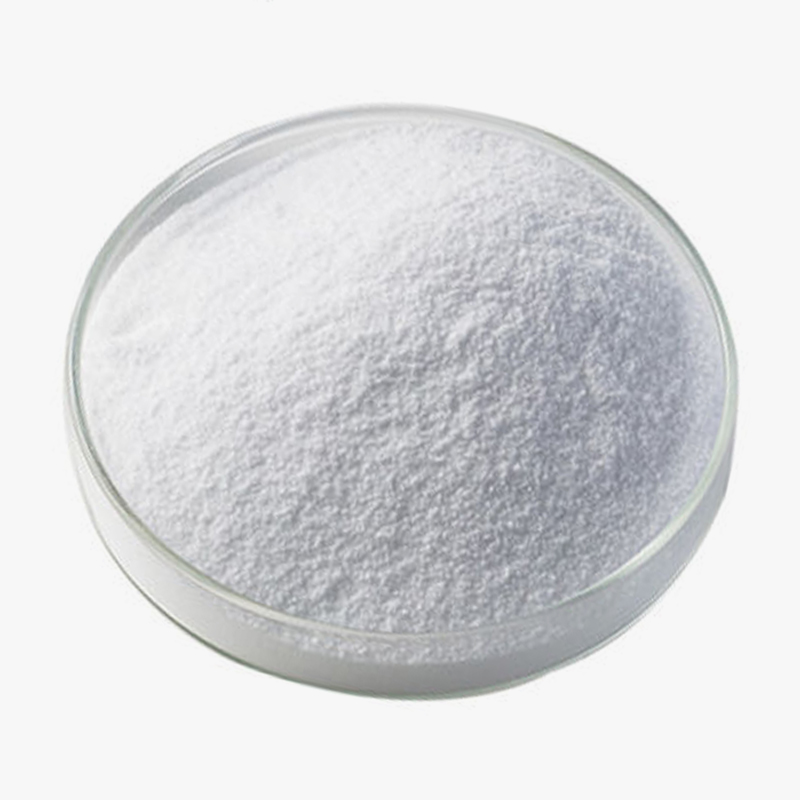
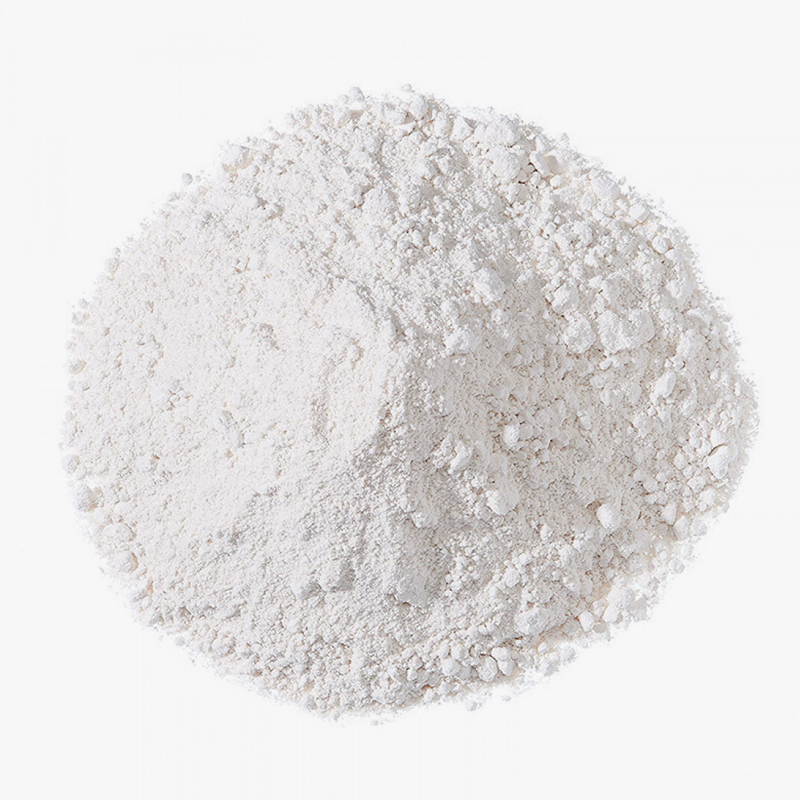
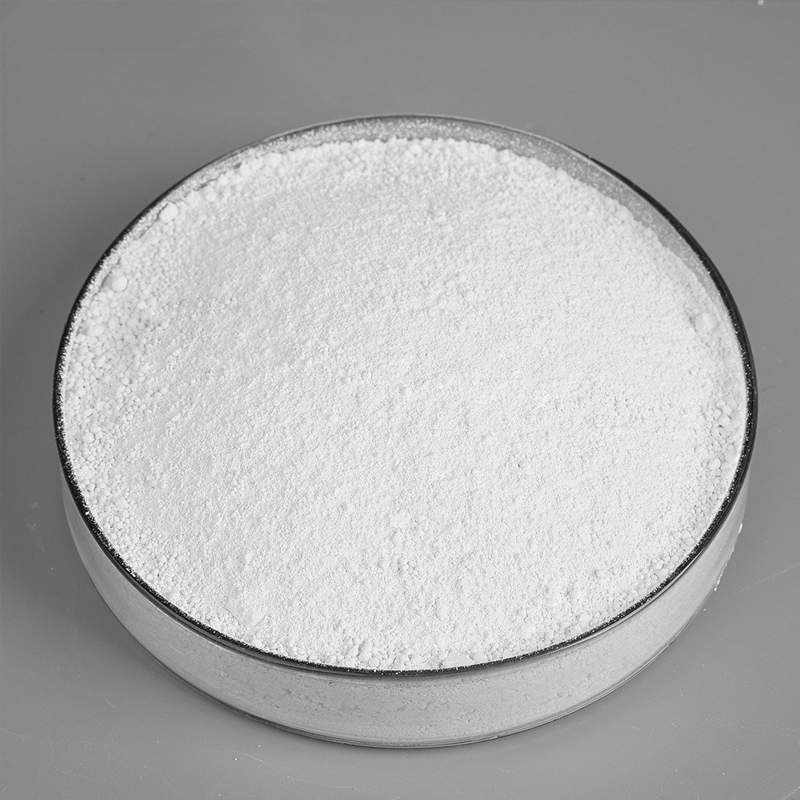
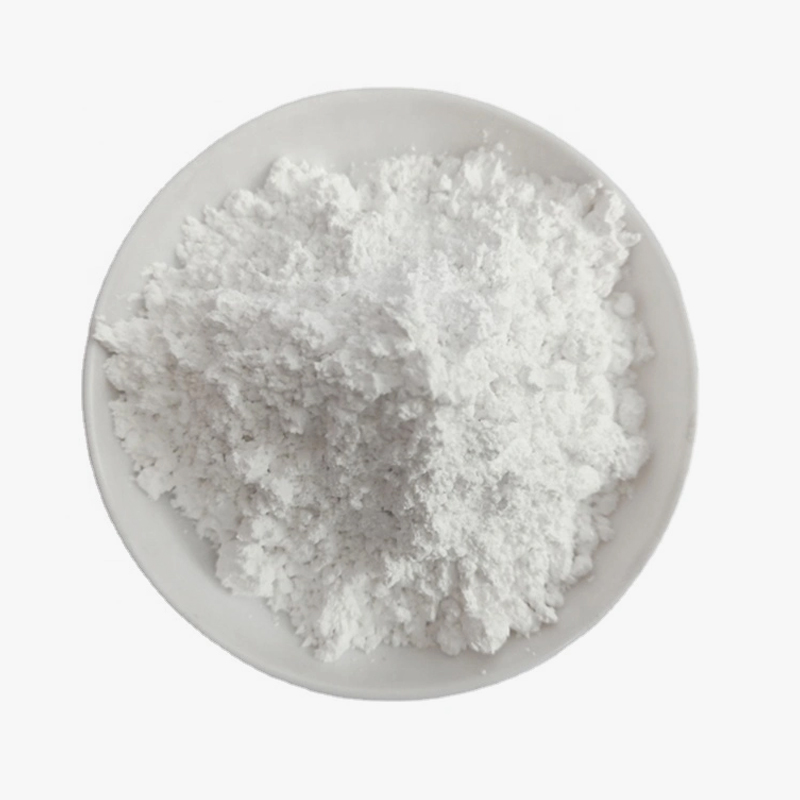
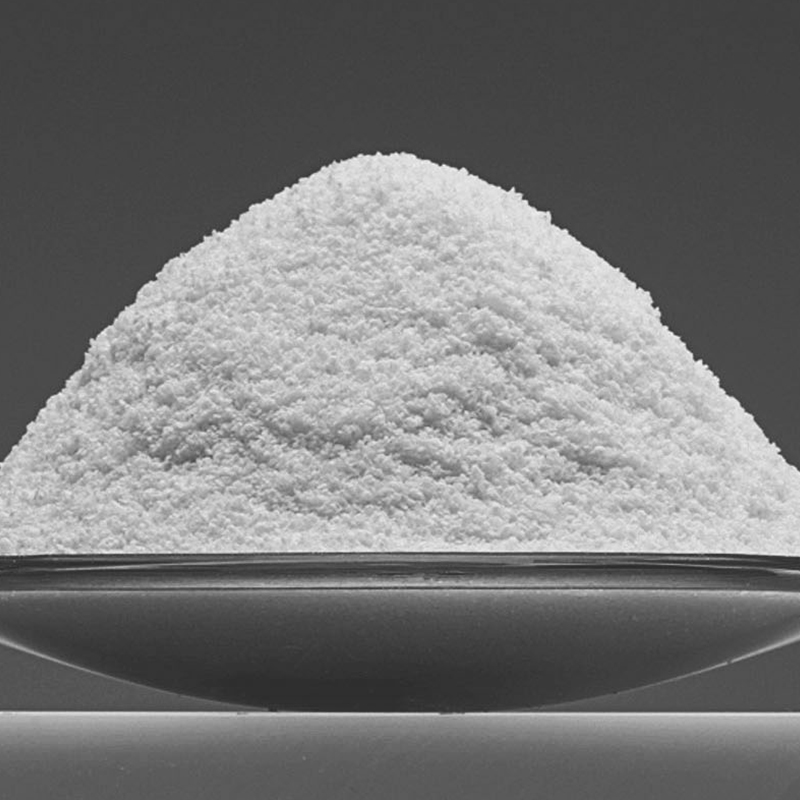
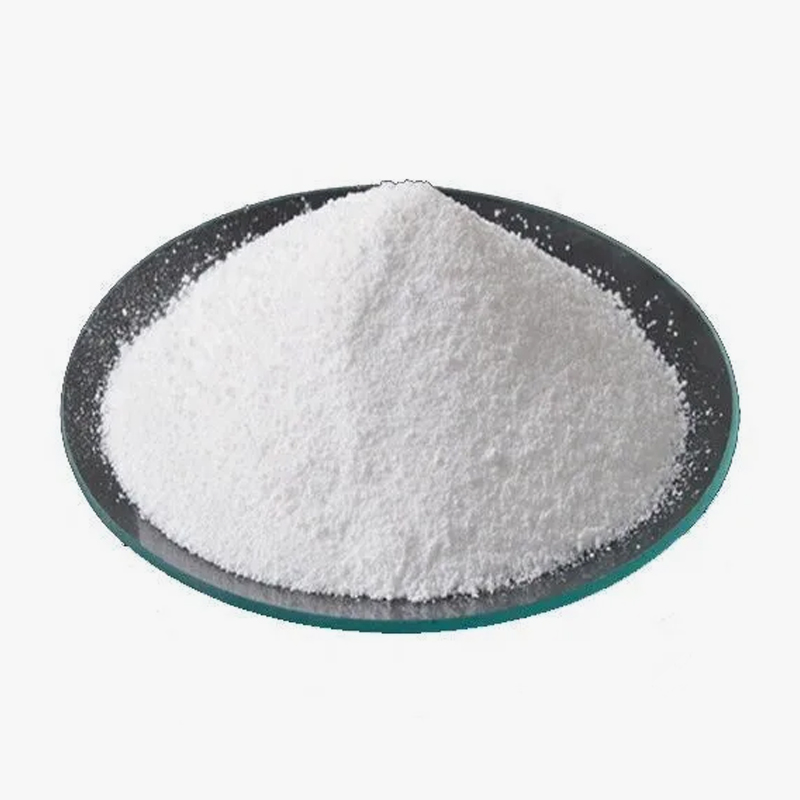
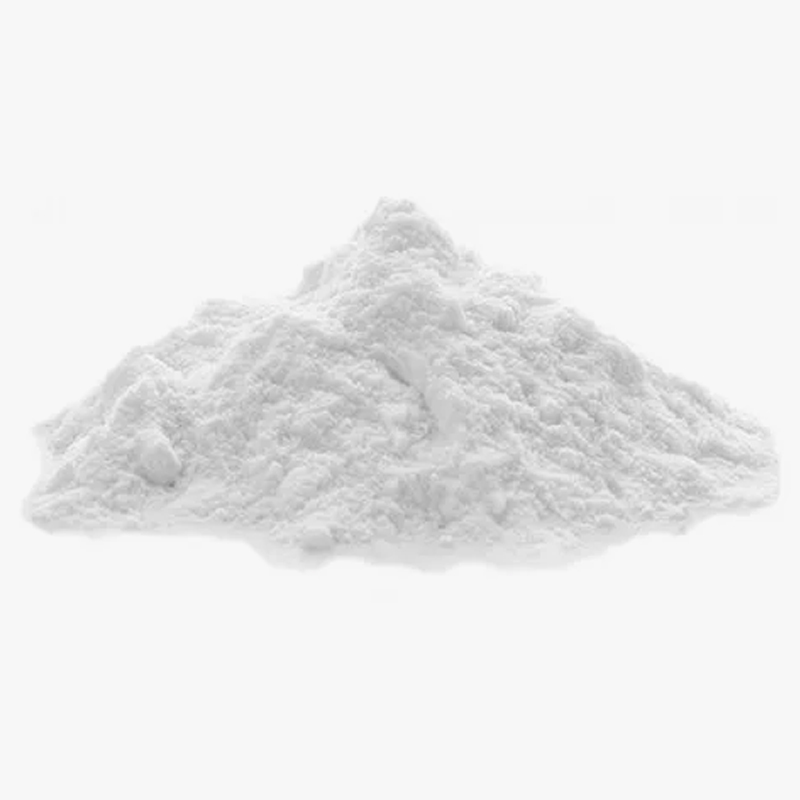
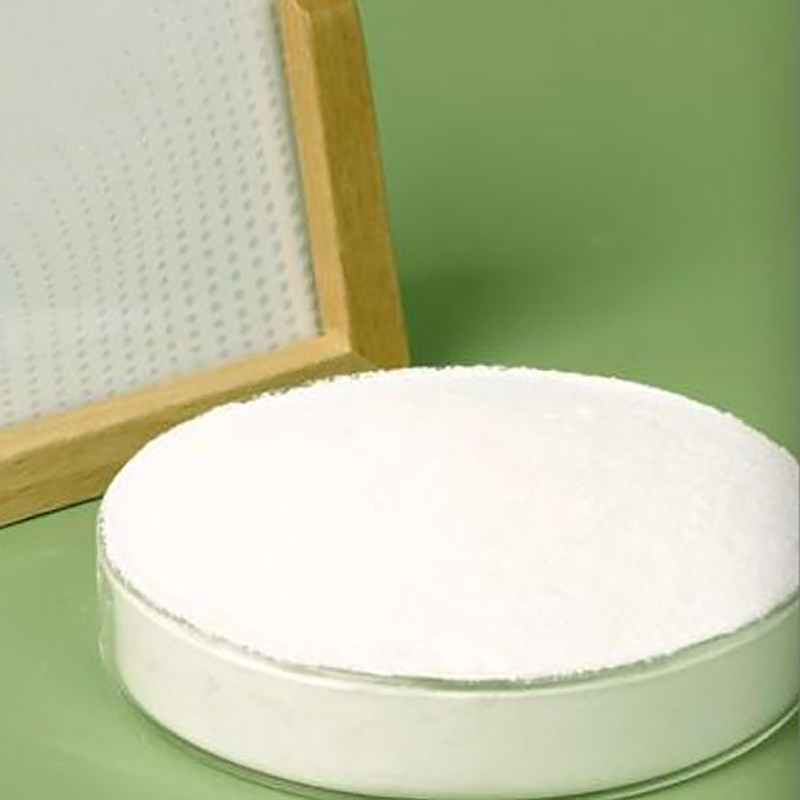
Yisheng's product portfolio serves oil fields, coatings, dry powder mortar, cosmetics, personal care, pharmaceutical, and other industries. The company's hydroxyethyl cellulose drilling additive products are formulated with application-specific grade engineering, backed by technical support teams capable of assisting engineers from fluid design through full-well deployment.

 Email: sarah@ys-cellulose.com
 Phone: +86-18067879812 / +86-575-82966958


