


 简体中文
简体中文 English
 русский
 عربى
عربى Español
Hydroxyethyl methyl cellulose (HEMC) at building material grade directly improves the compressive strength, flexural durability, and open time of cement mortars and construction adhesives when added at dosages between 0.1% and 0.5% by weight of dry mix. In controlled laboratory and field studies, cement-based mortars formulated with HEMC show flexural strength increases of 15–35% compared to unmodified controls, water retention improvements exceeding 95%, and crack resistance improvements measurable at dosages as low as 0.15%. These are not marginal gains — they translate into thinner application layers, reduced callback rates, and longer service life for tile adhesives, external insulation systems, self-leveling compounds, and repair mortars.
This article explains the chemistry behind those performance gains, provides application-specific dosage guidance, and compares HEMC performance across the main building material categories where it delivers the most measurable value.
Content
- 1 What HEMC Is and Why Building Material Grade Matters
- 2 The Four Mechanisms Through Which HEMC Improves Building Material Performance
- 2.1 Mechanism 1 — Water Retention: Preventing Premature Drying and Incomplete Hydration
- 2.2 Mechanism 2 — Rheology Modification: Controlling Workability and Sag Resistance
- 2.3 Mechanism 3 — Extended Open Time: Enabling Large Format and Complex Installations
- 2.4 Mechanism 4 — Crack Resistance Through Improved Plastic Shrinkage Control
- 3 HEMC Performance Data in Cement Mortar: Strength and Durability Measurements
- 4 Application-Specific Dosage and Viscosity Guide for Building Material Grade HEMC
- 5 HEMC in Construction Adhesives: Improving Bond Strength and Durability
- 6 HEMC vs. HPMC in Building Material Applications: Choosing the Right Cellulose Ether
- 7 Practical Formulation Tips for Incorporating HEMC into Dry-Mix Building Products
- 8 Frequently Asked Questions About HEMC in Building Materials
- 8.1 Q1: What is the difference between HEMC and HPMC for cement mortar applications?
- 8.2 Q2: Does HEMC retard cement setting time significantly?
- 8.3 Q3: Can HEMC be used in gypsum-based plasters and adhesives?
- 8.4 Q4: How does HEMC viscosity grade selection affect the final mortar performance?
- 8.5 Q5: Is building material grade HEMC safe to handle in dry-mix production environments?
- 8.6 Q6: What shelf life should be expected for dry-mix products formulated with HEMC?
What HEMC Is and Why Building Material Grade Matters
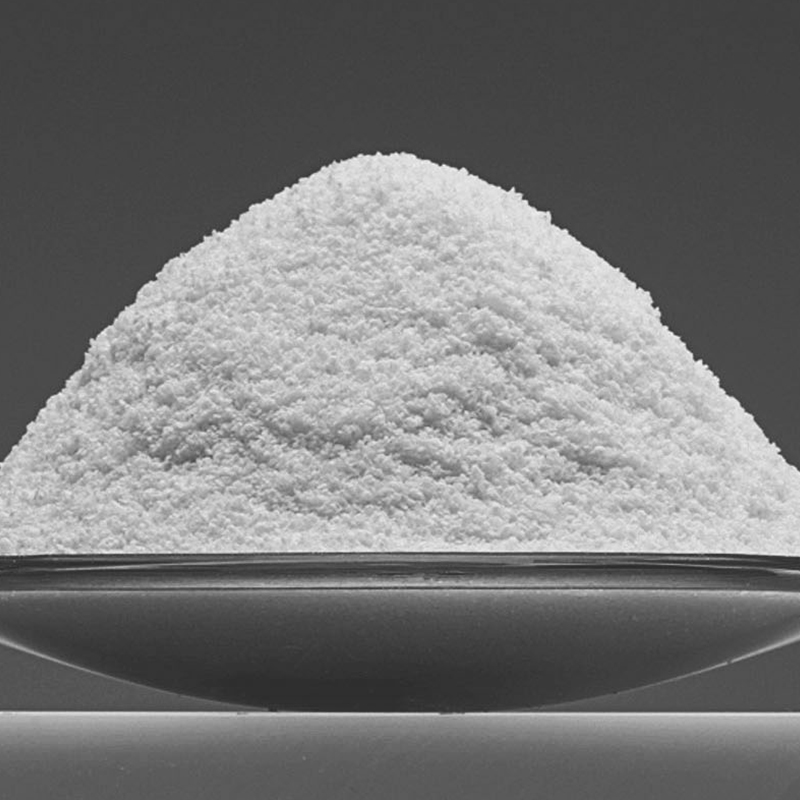
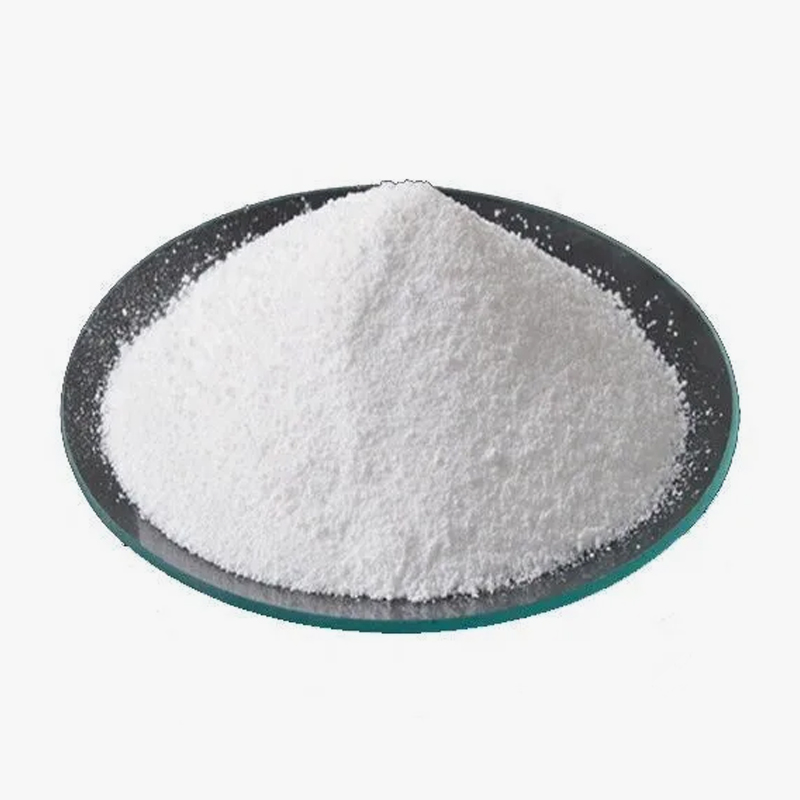
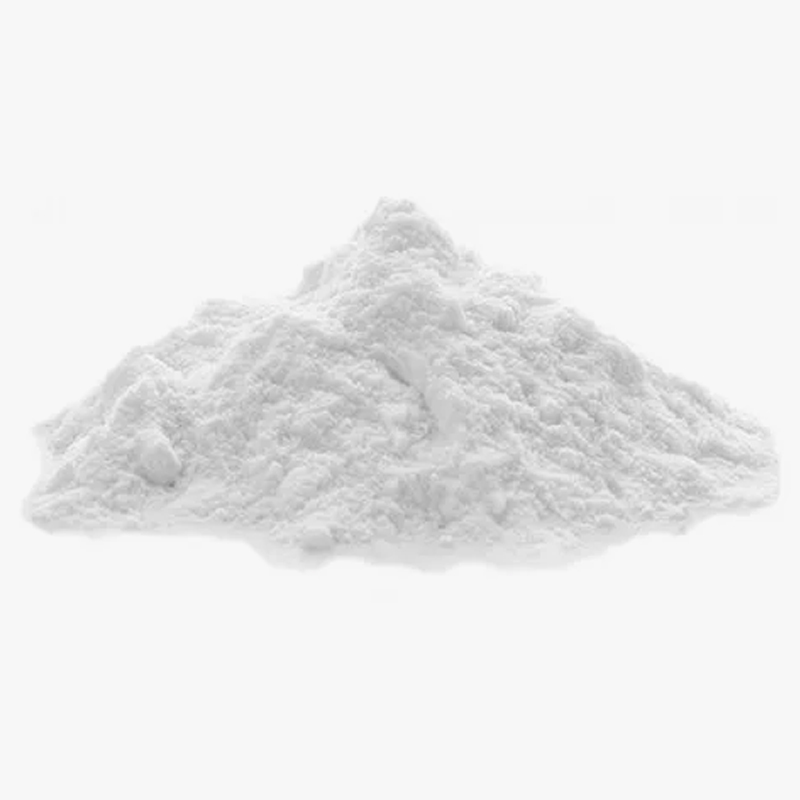
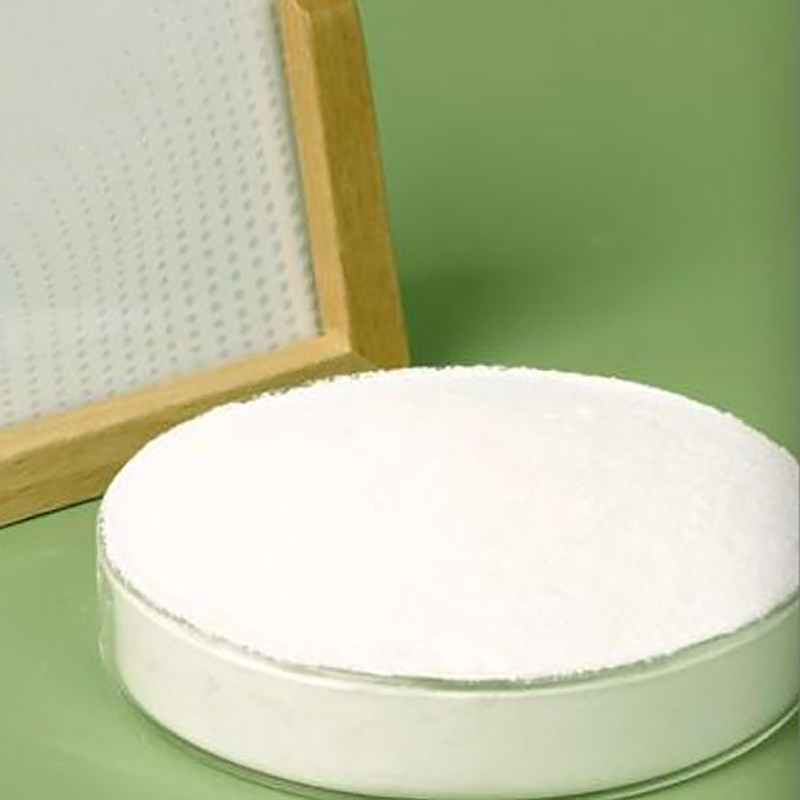
HEMC — hydroxyethyl methyl cellulose — is a non-ionic, water-soluble cellulose ether produced by chemically modifying natural cellulose through methylation and hydroxyethylation reactions. The result is a white to off-white powder that dissolves readily in cold water to form a stable, viscous solution with predictable rheological behavior across a wide pH range (3–11), making it compatible with the highly alkaline environment of Portland cement systems (pH 12–13).
Building material grade HEMC is specifically engineered with three parameters optimized for cementitious and adhesive applications:
- Viscosity grade: Building material applications typically require high-viscosity grades ranging from 40,000 to 200,000 mPa·s (measured at 2% concentration, 20°C). Higher viscosity grades improve water retention and sag resistance; lower grades improve workability and pump-ability in machine-applied systems.
- Degree of substitution (DS) and molar substitution (MS): The methyl DS (typically 1.3–2.0) and hydroxyethyl MS (0.05–0.5) determine solubility behavior, thermal gelation temperature, and compatibility with cement hydration products. Building grade HEMC is optimized to avoid interfering with cement setting kinetics at standard dosages.
- Particle size and dissolution rate: Surface-treated grades dissolve after an initial delay, preventing lump formation in dry-mix production while ensuring full dissolution during mixing. This is a critical performance parameter that pharmaceutical or food-grade HEMC does not require.
The distinction between building grade and other HEMC grades is consequential: pharmaceutical or food-grade products may have different substitution profiles, dissolution behaviors, or surface treatments that perform poorly in high-pH, cement-rich environments. Using the wrong grade can result in inconsistent viscosity, premature gelation, or reduced water retention — defeating the purpose of the addition.
The Four Mechanisms Through Which HEMC Improves Building Material Performance
Mechanism 1 — Water Retention: Preventing Premature Drying and Incomplete Hydration
This is HEMC's most critical contribution to cement-based systems. When fresh mortar contacts a porous substrate — brick, aerated concrete, unprimed tile backer board — the substrate's capillary suction can draw water out of the mortar faster than the cement can hydrate. The result is a weakened, dusty, poorly bonded interface that fails under thermal cycling or load.
HEMC in solution forms a viscous polymer network that physically retains water within the mortar matrix. Water retention rates for HEMC-modified mortars typically reach 95–99% (measured per EN 1015-8), compared to 60–75% for unmodified cement mortars on comparable substrates. This sustained water availability ensures complete cement hydration, which directly produces the denser calcium silicate hydrate (C-S-H) gel structure responsible for compressive and flexural strength development.
Mechanism 2 — Rheology Modification: Controlling Workability and Sag Resistance
HEMC imparts pseudoplastic (shear-thinning) rheology to mortar systems. Under the shear stress of troweling or mixing, viscosity drops — making the material easy to spread and work. When shear is removed, viscosity recovers — preventing slumping of vertically applied mortars and adhesives. This behavior allows tile adhesives to hold heavy format tiles (600mm x 600mm and larger) in position without slippage during the open time window, a requirement that unmodified cement adhesives cannot reliably meet.
Mechanism 3 — Extended Open Time: Enabling Large Format and Complex Installations
Open time — the window during which a fresh adhesive mortar bed retains sufficient tackiness to bond a substrate — is directly extended by HEMC's water retention function. Standard cement tile adhesives without HEMC have open times of 10–15 minutes; HEMC-modified formulations at 0.3–0.5% addition achieve open times of 20–30 minutes, with extended-open formulations reaching 40 minutes or more. This is critical for large format tile installation, complex pattern laying, and work in hot or windy conditions where evaporation rates are elevated.
Mechanism 4 — Crack Resistance Through Improved Plastic Shrinkage Control
During the plastic phase of cement hydration (the first 2–6 hours after placement), volumetric shrinkage driven by water loss and chemical contraction can generate tensile stresses exceeding the tensile strength of young mortar, producing plastic shrinkage cracks. HEMC's water retention function reduces the rate of moisture loss from the plastic mortar surface, directly reducing the thermal and moisture gradients that drive early crack formation. Studies measuring crack area in HEMC-modified mortars versus controls show crack area reductions of 40–60% at 0.2–0.3% HEMC addition levels.
HEMC Performance Data in Cement Mortar: Strength and Durability Measurements
The bar chart below shows compressive and flexural strength data for standard Portland cement mortars modified with building material grade HEMC at increasing dosage levels, measured at 28-day cure per EN 1015-11.
The data shows a clear optimum around 0.30–0.40% HEMC addition, where both compressive and flexural strength peak. Above 0.50%, the dilution effect of the polymer on the cement binder matrix begins to marginally reduce strength — a well-documented response in cellulose ether literature. This defines the practical upper dosage limit for strength-focused applications.
The line chart below tracks water retention and open time as a function of HEMC dosage in a standard C2 class tile adhesive formulation.
Application-Specific Dosage and Viscosity Guide for Building Material Grade HEMC
Dosage and viscosity grade selection should be matched to the specific application and substrate conditions. Using a viscosity grade that is too high in a machine-applied system will cause pump blockage; using too low a grade in a hand-applied tile adhesive will produce insufficient sag resistance. The table below provides application-specific guidance.
| Application | HEMC Dosage (% dry weight) | Recommended Viscosity Grade (mPa·s) | Key Performance Target | Relevant Standard |
|---|---|---|---|---|
| Ceramic tile adhesive (C1/C2) | 0.25–0.40% | 60,000–100,000 | Open time >20 min, slip resistance | EN 12004 |
| Large format tile adhesive (>400mm) | 0.35–0.50% | 100,000–200,000 | Open time >30 min, sag <0.5 mm | EN 12004 C2TE |
| External render / base coat | 0.15–0.25% | 40,000–80,000 | Water retention >90%, crack resistance | EN 998-1 |
| ETICS / EPS insulation adhesive | 0.20–0.35% | 60,000–120,000 | Pull-off strength >0.08 MPa, water retention | EN 13499 |
| Self-leveling floor compound | 0.05–0.15% | 15,000–40,000 | Flow, pot life, bleed control | EN 13813 |
| Repair mortar / patching compound | 0.20–0.40% | 50,000–100,000 | Adhesion, shrinkage control, water retention | EN 1504-3 |
| Machine-applied plaster | 0.10–0.20% | 20,000–50,000 | Pump-ability, sag resistance, surface finish | EN 998-1 |
HEMC in Construction Adhesives: Improving Bond Strength and Durability
In construction adhesive formulations — whether cement-based, dispersion-based, or hybrid systems — HEMC serves a different but equally important role compared to pure mortar applications. The primary contributions are:
Improved Wetting and Substrate Contact
HEMC's viscosity-building effect slows the initial spread of adhesive on the substrate surface, increasing the contact time between the adhesive polymer film and the substrate's capillary structure. This allows the adhesive to penetrate micro-pores in concrete, brick, and fiber cement substrates more completely before skin formation begins. Pull-off adhesion tests on fiber cement board comparing HEMC-modified versus unmodified C2 tile adhesives show tensile adhesion improvements of 18–28% after 28-day ambient cure.
Heat and Freeze-Thaw Durability
The water retention function of HEMC plays a secondary role in durability: by ensuring complete cement hydration, it produces a denser, lower-porosity bond layer that is intrinsically more resistant to freeze-thaw cycling. Mortars with incomplete hydration (typically caused by rapid water loss on highly absorbent substrates) contain residual unreacted cement and a higher proportion of large capillary pores — the primary pathways for freeze-thaw damage. HEMC-modified tile adhesives tested per EN 12004 freeze-thaw cycling protocols (25 cycles, -15°C to +60°C) retain 85–92% of initial adhesion strength; unmodified controls typically retain 55–70%.
Compatibility with Polymer Additives in Hybrid Systems
HEMC is compatible with redispersible polymer powders (RDP), starch ethers, and air-entraining agents commonly used in high-performance adhesive formulations. Unlike some thickening agents, HEMC does not compete with RDP film formation and does not significantly retard cement setting at recommended dosages. This compatibility allows formulators to combine HEMC with RDP to achieve both improved flexibility (from the polymer film) and improved water retention (from HEMC) in a single formulation — particularly important for externally applied systems subject to thermal movement.
HEMC vs. HPMC in Building Material Applications: Choosing the Right Cellulose Ether
Formulators frequently evaluate both HEMC and hydroxypropyl methyl cellulose (HPMC) for building material applications. While both are cellulose ethers with similar functional roles, they differ in ways that matter for specific application environments. The bar chart below compares key functional parameters.
HEMC's higher thermal gelation temperature — typically 70–75°C versus 60–65°C for standard HPMC — makes it the preferred choice for applications in hot climates or for formulations stored and applied in high-temperature environments. This higher thermal gel point means the HEMC solution remains stable and viscous at elevated temperatures that would cause HPMC to gel and lose its water retention function. In practical terms, tile adhesive applied on a dark-colored substrate in direct summer sunlight can reach surface temperatures of 50–60°C — a range where HEMC maintains performance but HPMC begins to show viscosity instability.
Additionally, HEMC shows superior resistance to microbial degradation by cellulase enzymes compared to HPMC. In warm, humid climates where biological activity in stored mortar bags can be a concern, HEMC's hydroxyethyl substitution pattern provides greater resistance to enzymatic chain cleavage, extending the shelf stability of dry-mix formulations.
Practical Formulation Tips for Incorporating HEMC into Dry-Mix Building Products
Correct incorporation of building material grade HEMC into dry-mix formulations is essential for consistent performance. Errors in mixing sequence or storage can produce lumping, uneven dissolution, and inconsistent batch-to-batch performance.
- Pre-blend HEMC with inert dry components first (fine sand, limestone filler, or fly ash) before adding cement. This prevents HEMC particles from contacting water before they are adequately dispersed, which causes lump formation and uneven dissolution.
- Add water at the recommended water-to-dry-mix ratio in a single addition. Incremental water addition causes uneven viscosity development. The optimum water-to-powder ratio for most tile adhesive formulations with HEMC is 0.26–0.32 by weight.
- Allow a 3–5 minute slaking period after initial mixing before final mixing to completion. This rest period allows full HEMC dissolution and hydration of the polymer network, producing the final target viscosity.
- Store dry-mix products containing HEMC in sealed moisture-proof packaging at temperatures below 35°C. Moisture ingress during storage causes partial pre-hydration of HEMC, reducing its effective contribution when the product is eventually mixed with water on site.
- Test viscosity of trial batches at the expected application temperature, not at standard laboratory conditions (23°C). HEMC viscosity is temperature-dependent — a formulation performing correctly at 23°C will have significantly higher viscosity at 10°C (approximately 2x) and lower viscosity at 40°C. Seasonal dosage adjustments of 10–15% may be required for products used year-round in climates with large temperature swings.
Frequently Asked Questions About HEMC in Building Materials
Q1: What is the difference between HEMC and HPMC for cement mortar applications?
Both provide water retention and rheology modification in cement mortars, but HEMC has a higher thermal gelation temperature (70–75°C vs. 60–65°C for HPMC) and better resistance to microbial degradation. HEMC is the preferred choice for high-temperature applications and products stored in warm, humid environments. For standard temperature conditions, performance differences are small and either can be used based on availability and formulation requirements.
Q2: Does HEMC retard cement setting time significantly?
At the dosages used in building material formulations (0.1–0.5%), HEMC causes a moderate setting retardation of 30–90 minutes depending on dosage and cement type. This is generally beneficial, as it extends workability and open time. For applications requiring fast setting — such as rapid repair mortars — the retardation effect can be countered by using fast-setting cements or accelerator admixtures at tested dosages.
Q3: Can HEMC be used in gypsum-based plasters and adhesives?
Yes. HEMC is compatible with gypsum (calcium sulfate hemihydrate) binder systems and provides the same water retention, rheology modification, and sag resistance benefits as in cement systems. In gypsum plasters, dosages of 0.15–0.30% are typical. Setting retardation in gypsum systems is less pronounced than in cement systems, and HEMC's performance in the moderately alkaline gypsum environment (pH 7–9) is equivalent to its performance at higher pH values.
Q4: How does HEMC viscosity grade selection affect the final mortar performance?
Higher viscosity grades (above 80,000 mPa·s) provide better water retention and sag resistance but can reduce workability and pump-ability at the same dosage. Lower viscosity grades (below 40,000 mPa·s) improve flow and spreadability but require higher dosages to achieve equivalent water retention. The general rule is: use the highest viscosity grade that still allows the application method — hand trowel systems can use high-viscosity grades; machine-applied systems require medium or lower grades to avoid pump pressure buildup.
Q5: Is building material grade HEMC safe to handle in dry-mix production environments?
Building material grade HEMC is classified as non-toxic and non-hazardous under standard regulatory frameworks. It does not require special ventilation beyond standard dust control measures applicable to any fine powder in dry-mix production. Standard personal protective equipment — dust mask rated for fine particulates, gloves, and eye protection — is recommended for handling operations. HEMC powder is not combustible under normal conditions and presents no special fire or explosion hazard in typical dry-mix manufacturing environments.
Q6: What shelf life should be expected for dry-mix products formulated with HEMC?
Dry-mix products containing HEMC stored in sealed, moisture-proof packaging at temperatures below 35°C typically have a shelf life of 12–24 months. The primary degradation mechanism is moisture absorption, which causes partial pre-hydration and reduces the HEMC contribution at the time of use. Products showing reduced workability, lower water retention, or lumping after mixing are typically the result of moisture ingress during storage rather than chemical degradation of the HEMC polymer itself.

 Email: sarah@ys-cellulose.com
 Phone: +86-18067879812 / +86-575-82966958


