


 简体中文
简体中文 English
 русский
 عربى
عربى Español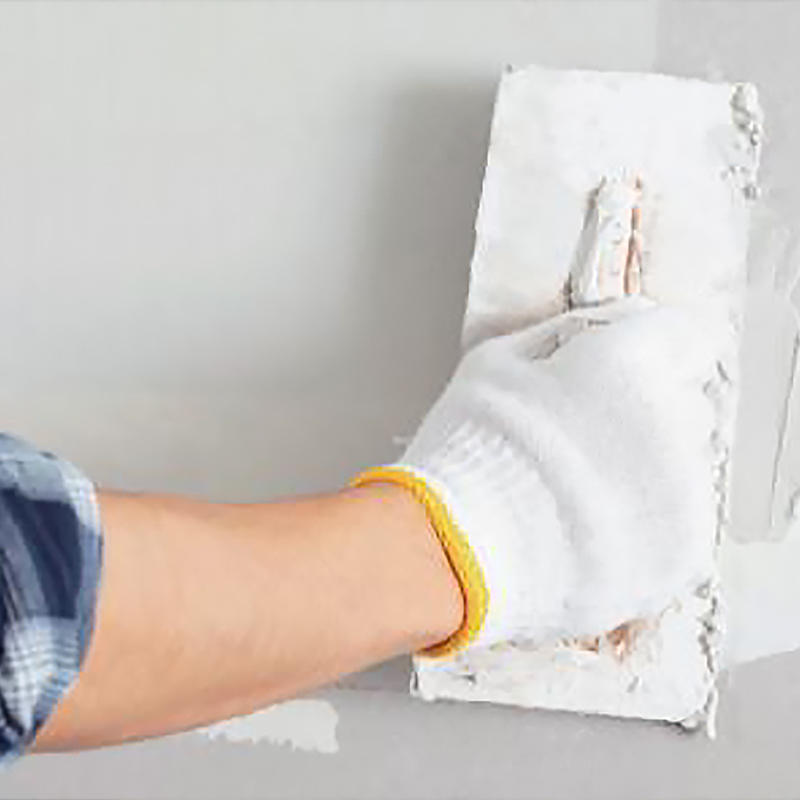
Zhejiang Yisheng New Material Co., Ltd. is a professional enterprise engaged in the design, development, manufacturing, application, and sales of cellulose ether, located in the Shangyu Economic and Technological Development Zone, part of the Hangzhou Bay National Industrial Park. With a core concept of safety, environmental protection, and sustainable development, the company boasts an annual production capacity of 15,000 tons of cellulose ether, offering a complete range of products including HEC (hydroxyethylcellulose), HEMC (hydroxyethyl methylcellulose), and HPMC (hydroxypropyl methylcellulose). Our products serve various sectors such as oil fields, coatings, dry powder mortar, cosmetics, personal care products, medicine, and many others. Yisheng has a global presence, providing stable cellulose ethers and services to customers worldwide.
As a professional China Hydroxypropyl Starch Ether Manufacturer Supplier and Hydroxypropyl Starch Ether Manufacturer Company, The company adheres to the principles of safety and environmental protection as the foundation of its development. It implements and further consolidates safety and environmental protection measures, striving to create green and environmentally friendly production processes, safe and effective control systems, and orderly production management. This approach lays a solid foundation for the company's sustainable development. Yisheng boasts a scientific management mechanism, a comprehensive quality management system, stringent product testing methods, advanced technology, state-of-the-art equipment, and high-quality after-sales service.
Product Overview
HPS is produced by reacting natural potato or maize starch with propylene oxide under alkaline conditions. The introduction of hydroxypropyl groups increases water solubility, reduces retrogradation, and improves compatibility with cement and gypsum systems compared to native starch.
Our EasonZell™ HPS series is specifically engineered for building material applications, offering excellent synergy with HPMC and HEMC cellulose ethers. In tile adhesive systems, HPS at low dosages (0.03–0.1%) can significantly extend open time and improve the slip resistance of the fresh mortar bed.
HPS is also valued for its film-forming properties and contribution to surface hardness in skim coat and putty applications. Being starch-derived, it is a renewable, low-cost complement to synthetic thickeners in construction chemical systems.
Specification
| Parameter | Specification | Test Method |
| Appearance | White to light yellow powder | Visual |
| Moisture Content (%) | ≤ 12.0 | ISO 712 |
| Viscosity (10%, mPa·s) | 500 – 8,000 | Brookfield |
| pH (10% slurry) | 5.5 – 8.0 | pH meter |
| Degree of Substitution (DS) | 0.05 – 0.20 | Titration |
| Ash Content (%) | ≤ 0.5 | ASTM D5630 |
| Particle Size | ≥ 95% pass 100 mesh | Sieve analysis |
| Solubility (cold water) | Partially soluble; full solubility in hot water | Dissolution test |
Application
- Tile Adhesive Extender: Used at 0.03–0.10% to extend open time and improve mortar bed coverage in combination with HPMC or HEMC.
- Wall Putty & Skim Coats: Improves smoothness, reduces brush marks, and contributes to surface hardness after drying.
- Repair Mortars: Enhances cohesion and reduces shrinkage in thin-layer patching compounds.
- Self-Leveling Underlayments: Controls flow viscosity and reduces surface cracking.
- Gypsum Board Joint Compounds: Provides excellent adhesion, workability, and crack resistance in ready-mixed compounds.
- Exterior Renders: Contributes to weather resistance and surface uniformity in textured coatings.
HPS should typically be blended dry with cement, gypsum, or filler before adding water. At very low dosages, ensure thorough pre-mixing to achieve uniform distribution throughout the dry mortar blend.
 Email: sarah@ys-cellulose.com
 Phone: +86-18067879812 / +86-575-82966958


