


 简体中文
简体中文 English
 русский
 عربى
عربى Español
Zhejiang Yisheng New Material Co., Ltd. is a professional enterprise engaged in the design, development, manufacturing, application, and sales of cellulose ether, located in the Shangyu Economic and Technological Development Zone, part of the Hangzhou Bay National Industrial Park. With a core concept of safety, environmental protection, and sustainable development, the company boasts an annual production capacity of 15,000 tons of cellulose ether, offering a complete range of products including HEC (hydroxyethylcellulose), HEMC (hydroxyethyl methylcellulose), and HPMC (hydroxypropyl methylcellulose). Our products serve various sectors such as oil fields, coatings, dry powder mortar, cosmetics, personal care products, medicine, and many others. Yisheng has a global presence, providing stable cellulose ethers and services to customers worldwide.
As a professional China HEMC Coating Grade Supplier and HEMC Coating Grade Company, The company adheres to the principles of safety and environmental protection as the foundation of its development. It implements and further consolidates safety and environmental protection measures, striving to create green and environmentally friendly production processes, safe and effective control systems, and orderly production management. This approach lays a solid foundation for the company's sustainable development. Yisheng boasts a scientific management mechanism, a comprehensive quality management system, stringent product testing methods, advanced technology, state-of-the-art equipment, and high-quality after-sales service.
Product Overview
EASONZELL™ ME Series Coating Grade HEMC leverages the dual-substituted chemical structure of hydroxyethyl methyl cellulose to deliver viscosity performance that remains consistent even as application temperature fluctuates — an important advantage in regions with significant seasonal temperature variation or in spray application equipment where mortar temperature can rise.
Compared to standard HEC, HEMC coating grade offers improved bioresistance and slightly enhanced hydrophobicity due to the methyl groups, which can reduce susceptibility to microbial degradation in the can. It is compatible with all standard coating ingredients including TiO₂, latex binders, dispersants, and defoamers. Available in medium to high viscosity options to suit roller-applied, brush-applied, and spray-applied coating systems.
Specification
| Parameter | Typical Value / Range | Test Method |
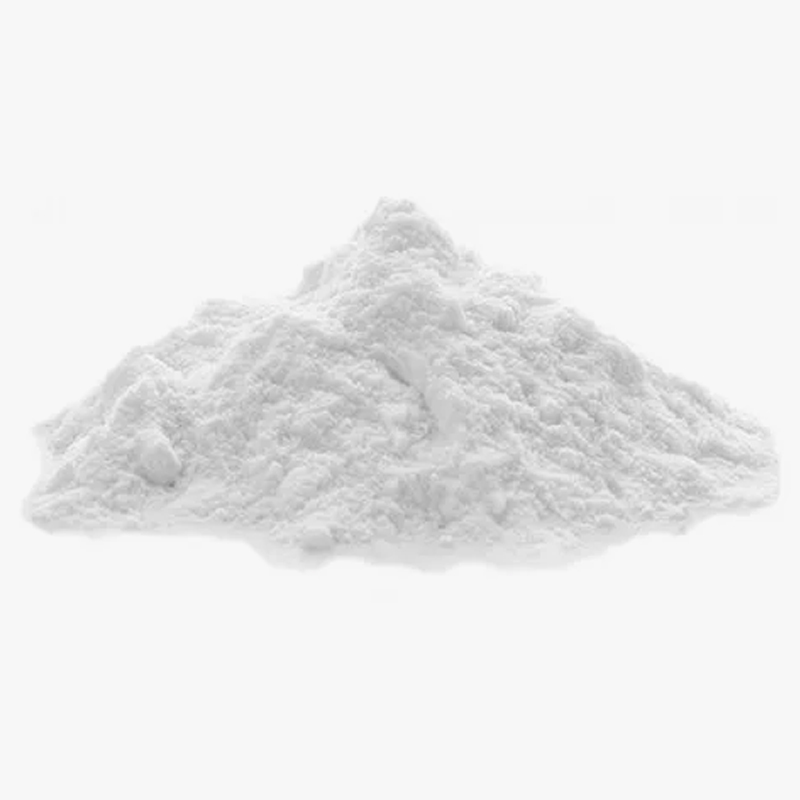
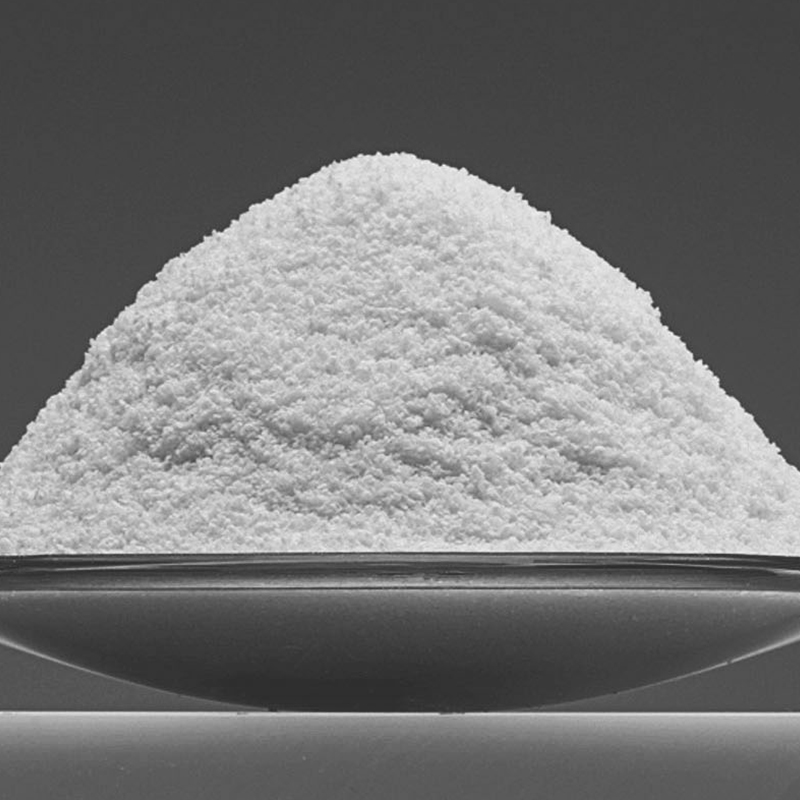
| Appearance | White to off-white powder | Visual |
| Viscosity (2% aq., 20°C) | 5,000 – 80,000 mPa·s | ASTM D2364 |
| Methoxy Content (DS) | 1.2 – 1.8 | Titration |
| Hydroxyethoxy Content (MS) | 0.1 – 0.3 | Titration |
| Moisture Content | ≤ 5.0% | ISO 585 |
| Gel Temperature | 65 – 90°C | Cloud point |
| pH (1% solution) | 6.0 – 8.5 | pH meter |
| Bioresistance | Enhanced vs. HEC (methyl groups) | — |
| Recommended Dosage | 0.15 – 0.6% of formulation | — |
Application
EASONZELL™ HEMC Coating Grade is used in:
- Interior and exterior latex paint — delivers Stormer (KU) and ICI viscosity targets; improves leveling without sagging.
- Masonry and exterior render paint — high-viscosity grades provide body for roller and brush application on rough substrates.
- Anti-corrosion primer — thickener and stabilizer in water-based anti-rust coating systems.
- Texture coatings — contributes to the rheological body required in sand-finish and stone-effect coatings.
Usage notes: Add HEMC to the water phase at the start of mixing, before adding pigment slurry or binder. Ensure complete dissolution (30–60 min under moderate agitation) before proceeding. Avoid temperatures above 70°C during processing.
 Email: sarah@ys-cellulose.com
 Phone: +86-18067879812 / +86-575-82966958


